Hiding in Plain Sight
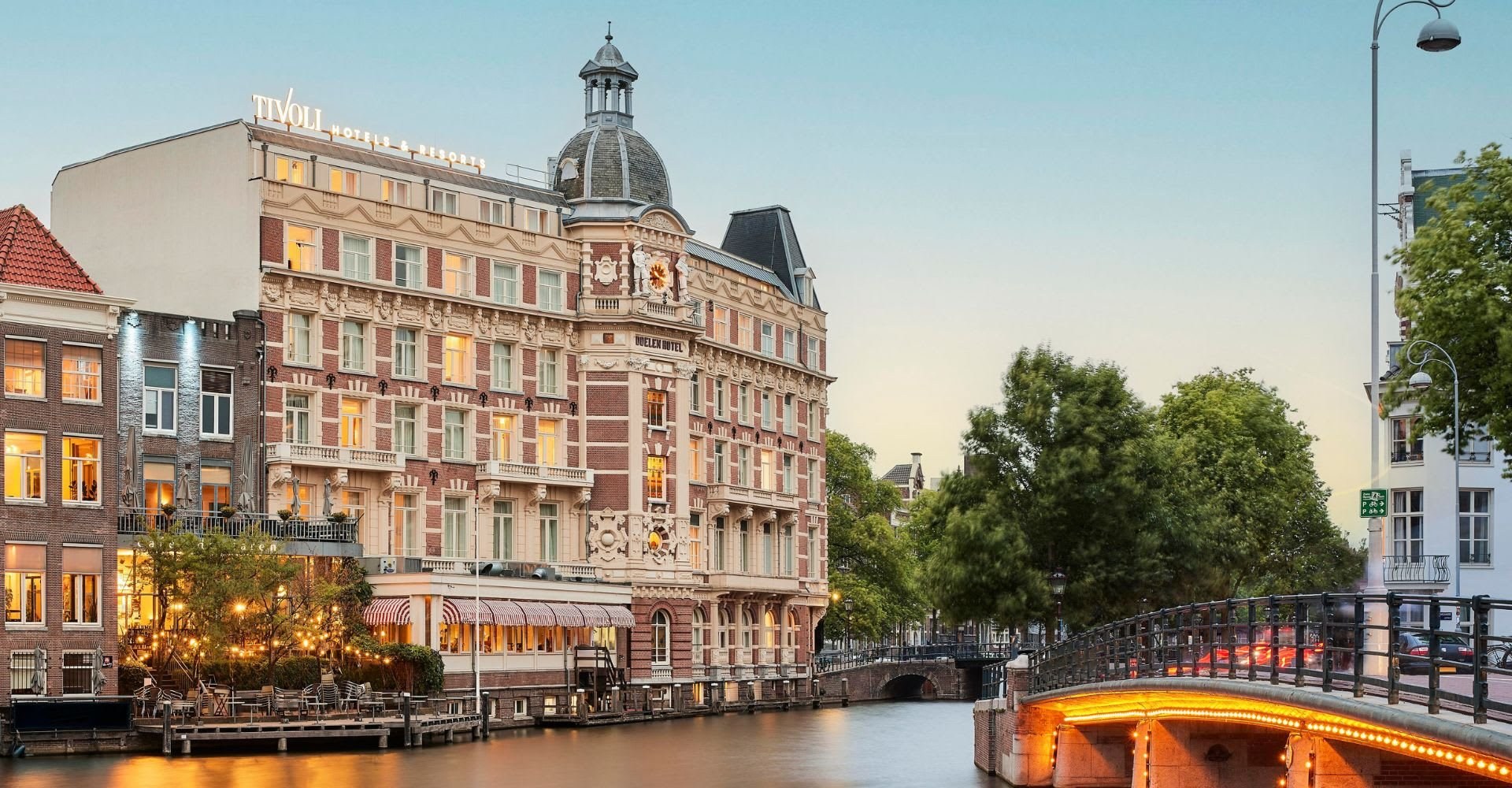
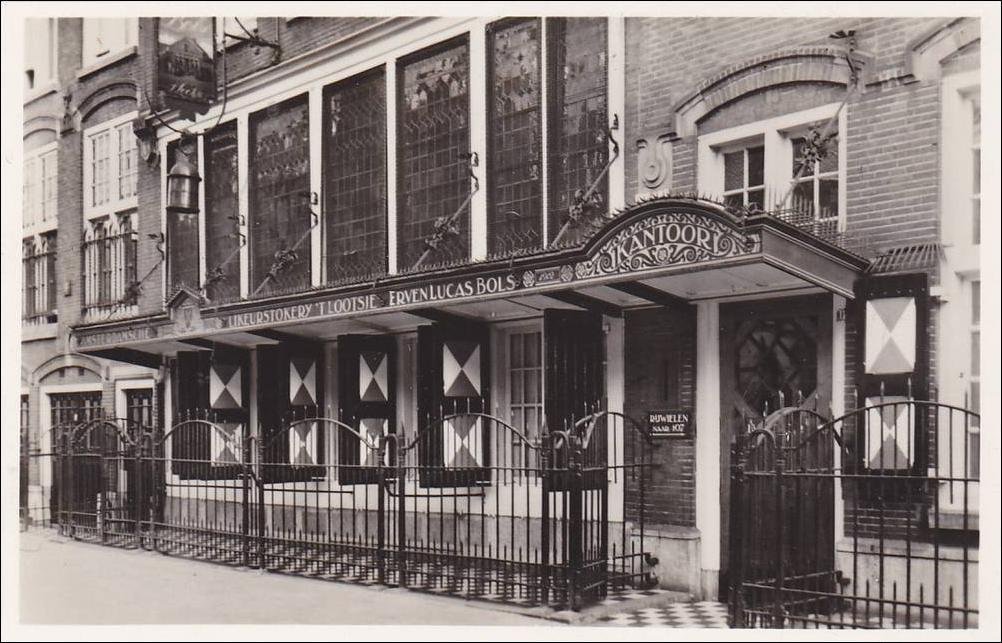
Rapenburg, Amsterdam
Bar in Amsterdam, Netherlands
 Book with Pearl
Why go
A practical Amsterdam choice for a drinks-first date night, especially when the plan needs a focused bar stop rather than a full dinner venue. Book it for cocktails and conversation; choose a restaurant-led option if food, chef credentials, or a full tasting format matter more.
About Hiding in Plain Sight
Hiding in Plain Sight is an Amsterdam venue with evening and late-night hours. It opens at 6 PM daily, closes at 1 AM Monday through Thursday and Sunday, stays open until 3 AM on Friday and Saturday. The dress code is smart casual.
Use these details to plan around timing and attire rather than assuming a specific menu, cuisine, service style, price point, or beverage program. If you are building a wider evening in Amsterdam, you can pair this practical information with our full Amsterdam restaurants guide, our full Amsterdam hotels guide, or our full Amsterdam experiences guide.
Plan around the hours
The schedule makes Hiding in Plain Sight most useful as an evening or late-night stop in Amsterdam. Because no cuisine, chef, menu, food format, beverage program, or price information is available here, do not treat it as a food-led or drinks-specific booking on the basis of this guide alone.
If dinner is the priority, choose a restaurant first and use the opening hours here to decide whether Hiding in Plain Sight fits before or after that plan. For a wider evening search, compare practical options across Amsterdam before committing.
Good evening fit, with a narrow brief
For a special occasion, keep expectations specific. The facts support planning around Amsterdam location, smart casual dress, late opening hours; they do not confirm awards, chef credentials, a structured tasting format, seating details, reservations, atmosphere, or a full-service meal.
If the night needs more than an evening stop, build the rest of the plan with other Amsterdam dining or hotel options. The safest use of this listing is practical: check the hours, dress smart casual, avoid assuming details that are not confirmed.
Planning details
- Location
- Rapenburg 18, 1011 TX Amsterdam, Netherlands
- Website
- hpsamsterdam.com
- Phone
- +31 6 25293620
The take
The Take
The Vibe
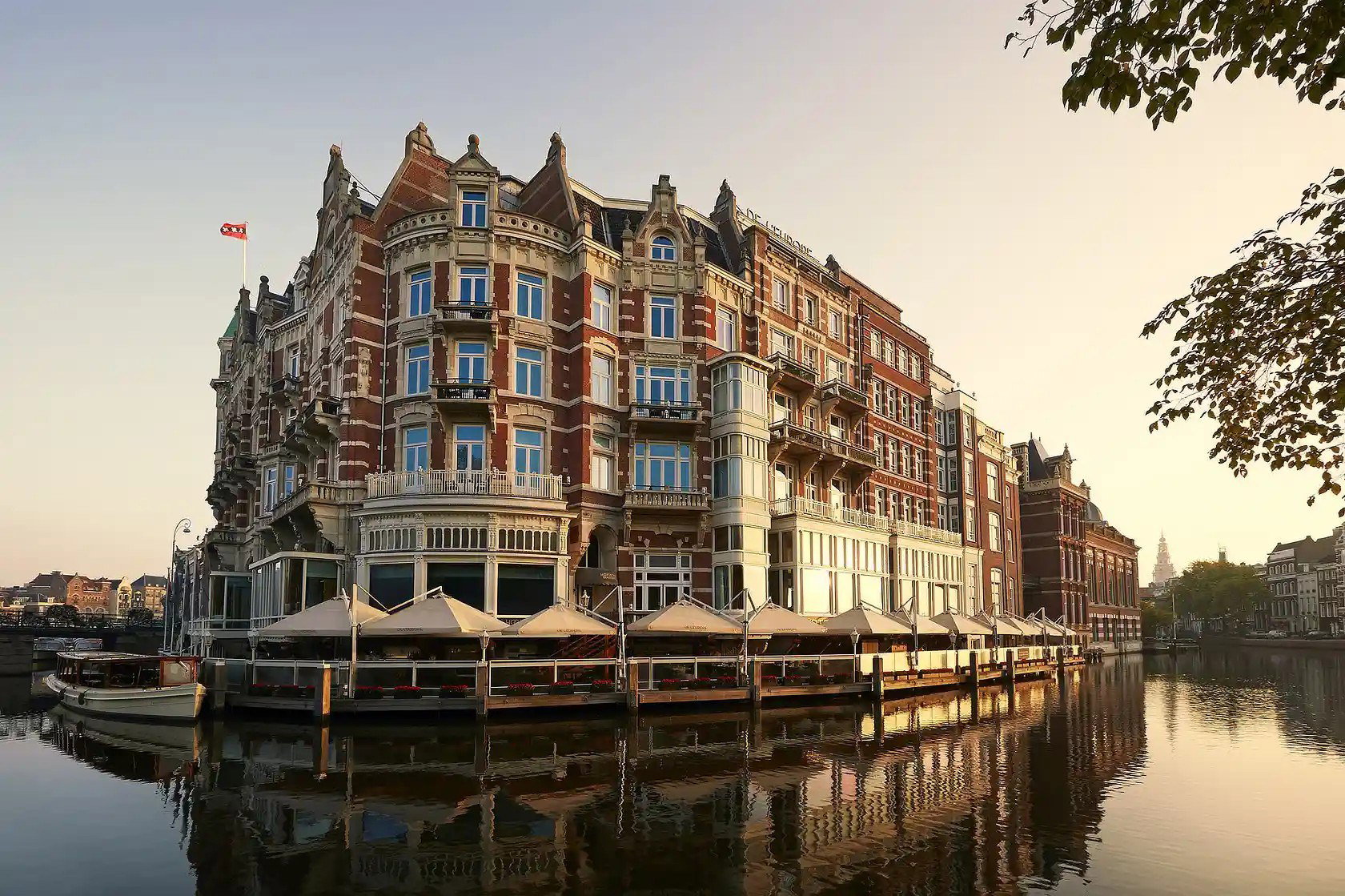
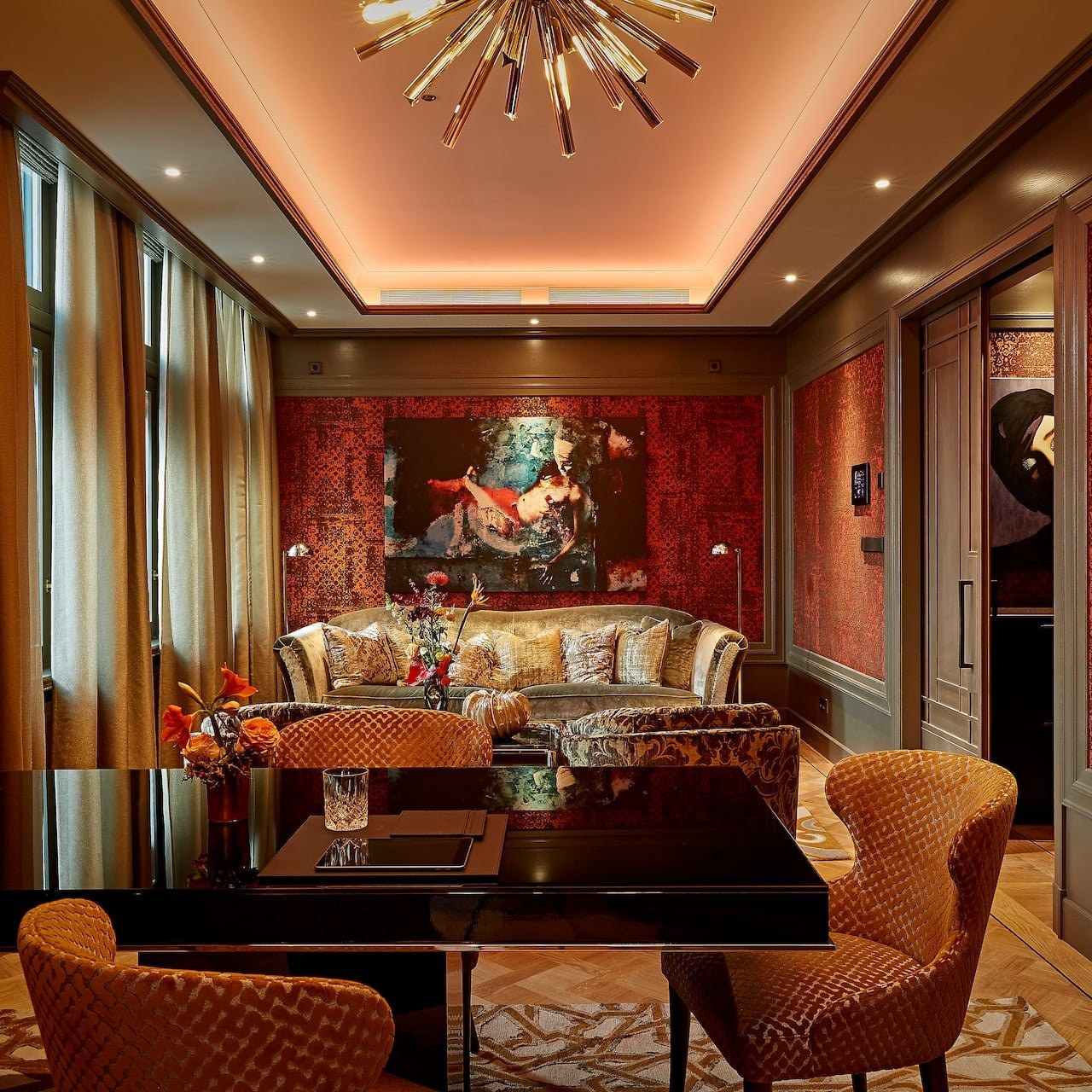
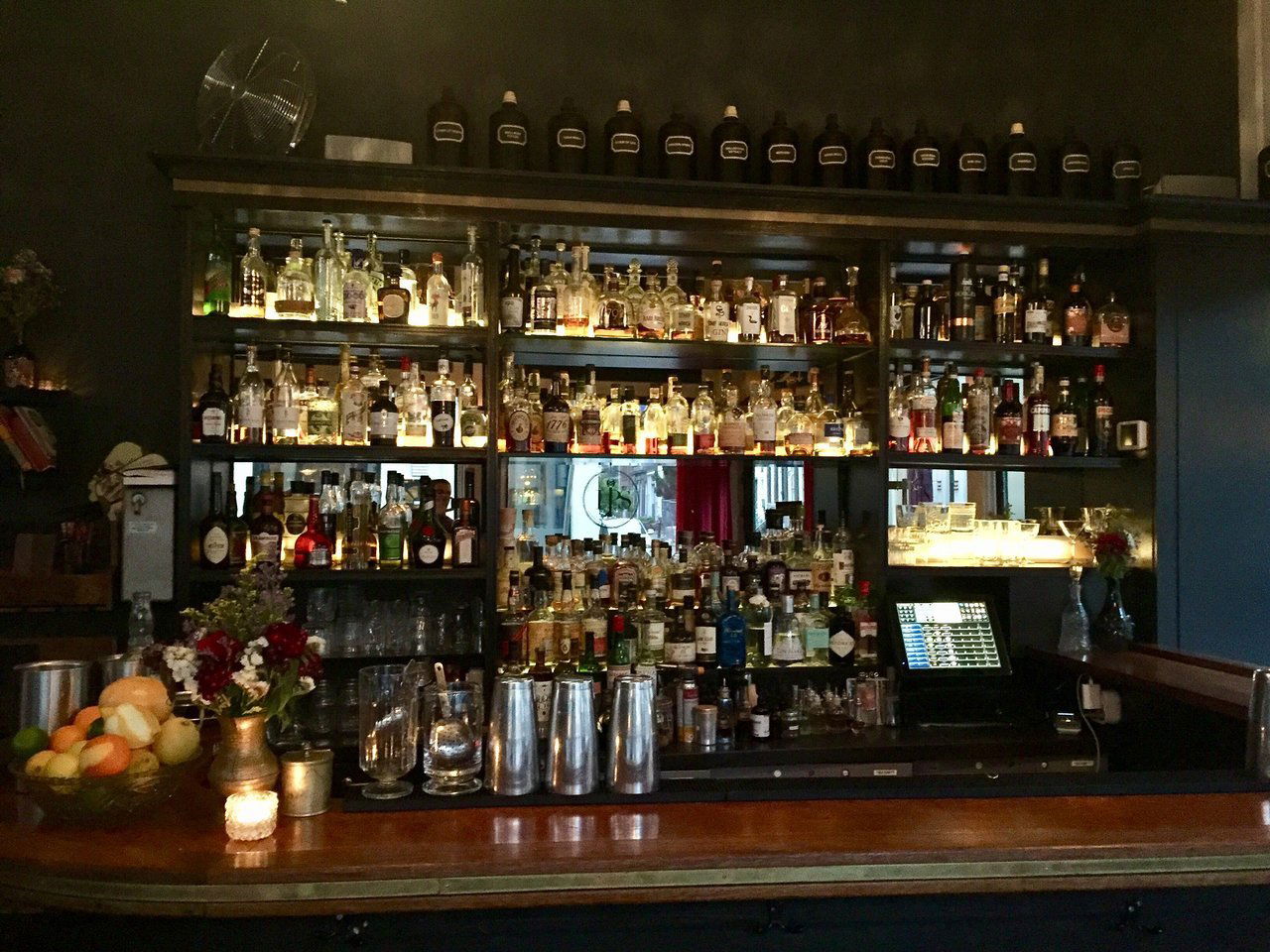
Hiding in Plain Sight leans on the canal belt's dusk-time atmosphere to create a quietly confident cocktail room. It eschews speakeasy theatrics in favor of putting its credentials in the glass: the writing emphasizes craft, technical vocabulary and a considered menu architecture. The address and surrounding streets naturally narrow the guest list, so the room feels deliberately paced and intimate without feeling performatively secretive. Overall, the bar reads as a calm, refined spot where the setting — copper-colored water, settled houseboats and hushed sidewalks — does much of the work in shaping the mood.
Best For
This is a bar for people who make a small effort to get somewhere worth the trip: couples seeking a low-key date, small groups after a late dinner, or solo guests curious about craft cocktails. The venue rewards attentive drinking rather than rowdy gatherings; the emphasis on menu architecture and technical skill suits guests who plan to linger and sample thoughtfully composed drinks. Because the room is shaped by self-selected visitors, it is best for quieter social evenings and late-night craft sessions rather than large, loud celebrations.
Ordering Tips
Menus here function as a primary signal of the bar's approach, so take a moment to read how the list is organized before ordering. The write-up notes common structures—seasonal rotations, spirit-forward categories or house-developed frameworks—so if you arrive without a strong preference, ask the bartender which menu architecture matches your mood. Expect technically minded cocktails and staff who can translate a concept into a drink; letting the bartender recommend based on the menu's organizing principle is an efficient way to find something distinctive and well executed.
Venue details
Ambiance
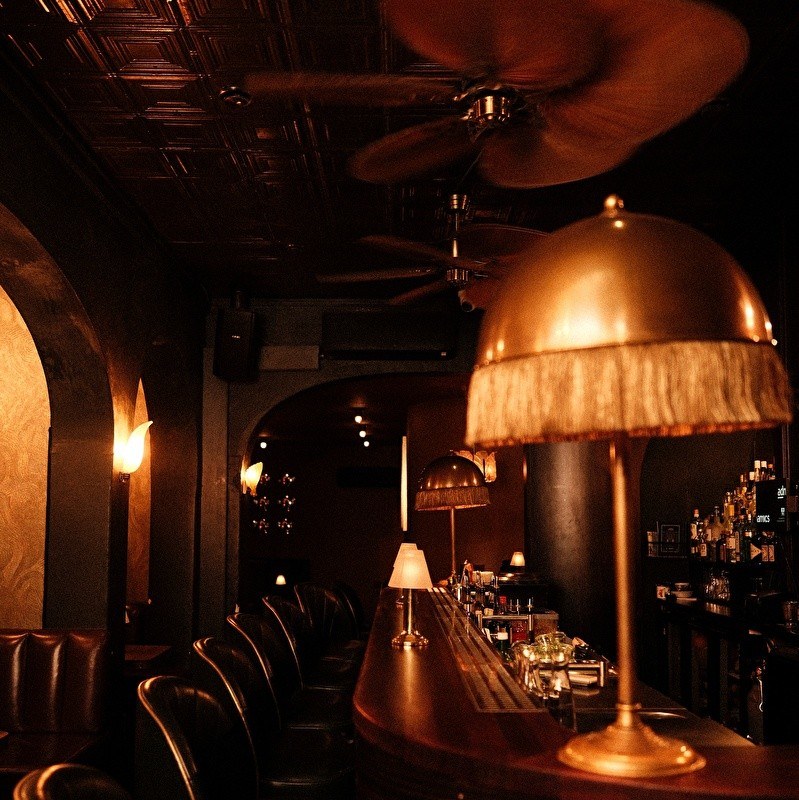
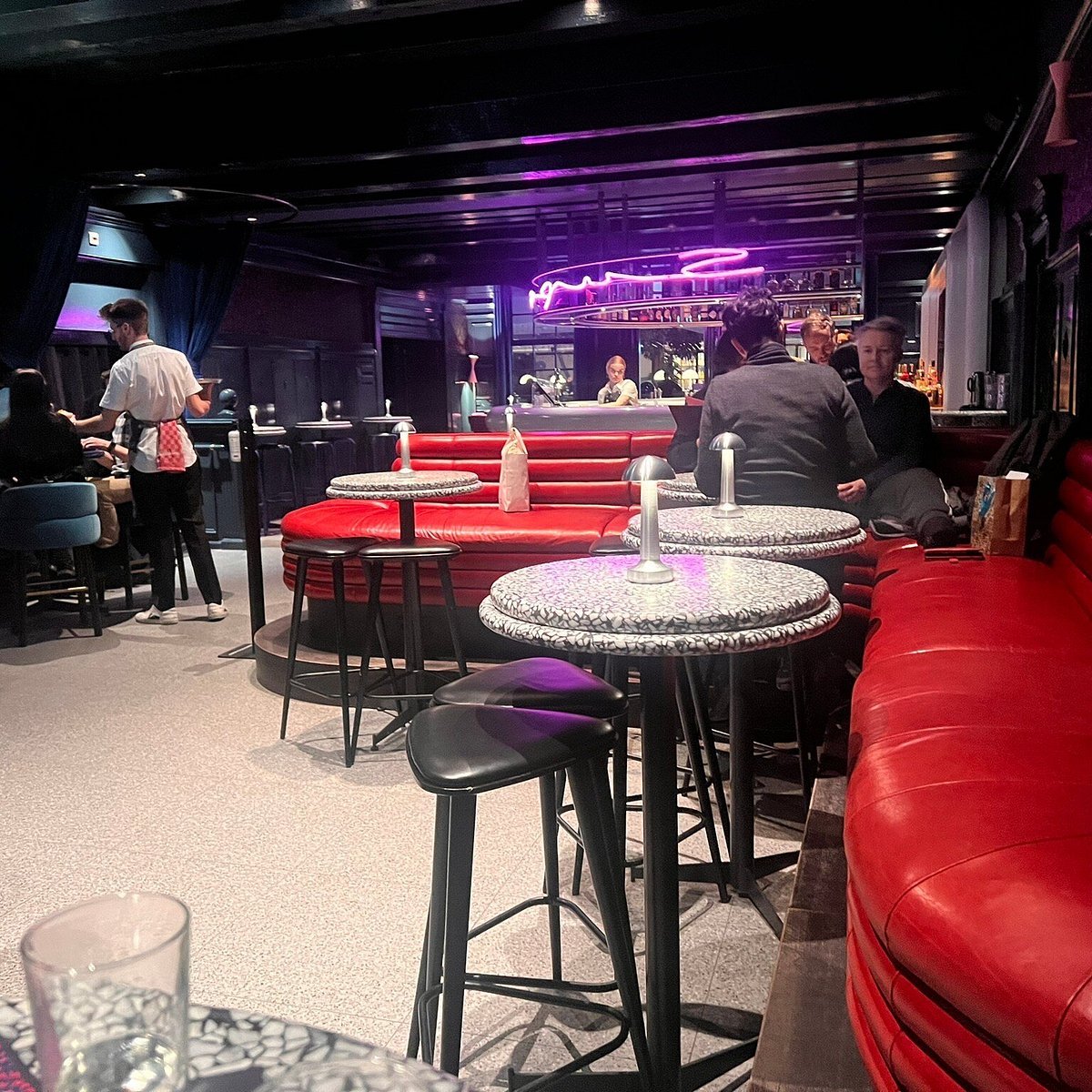
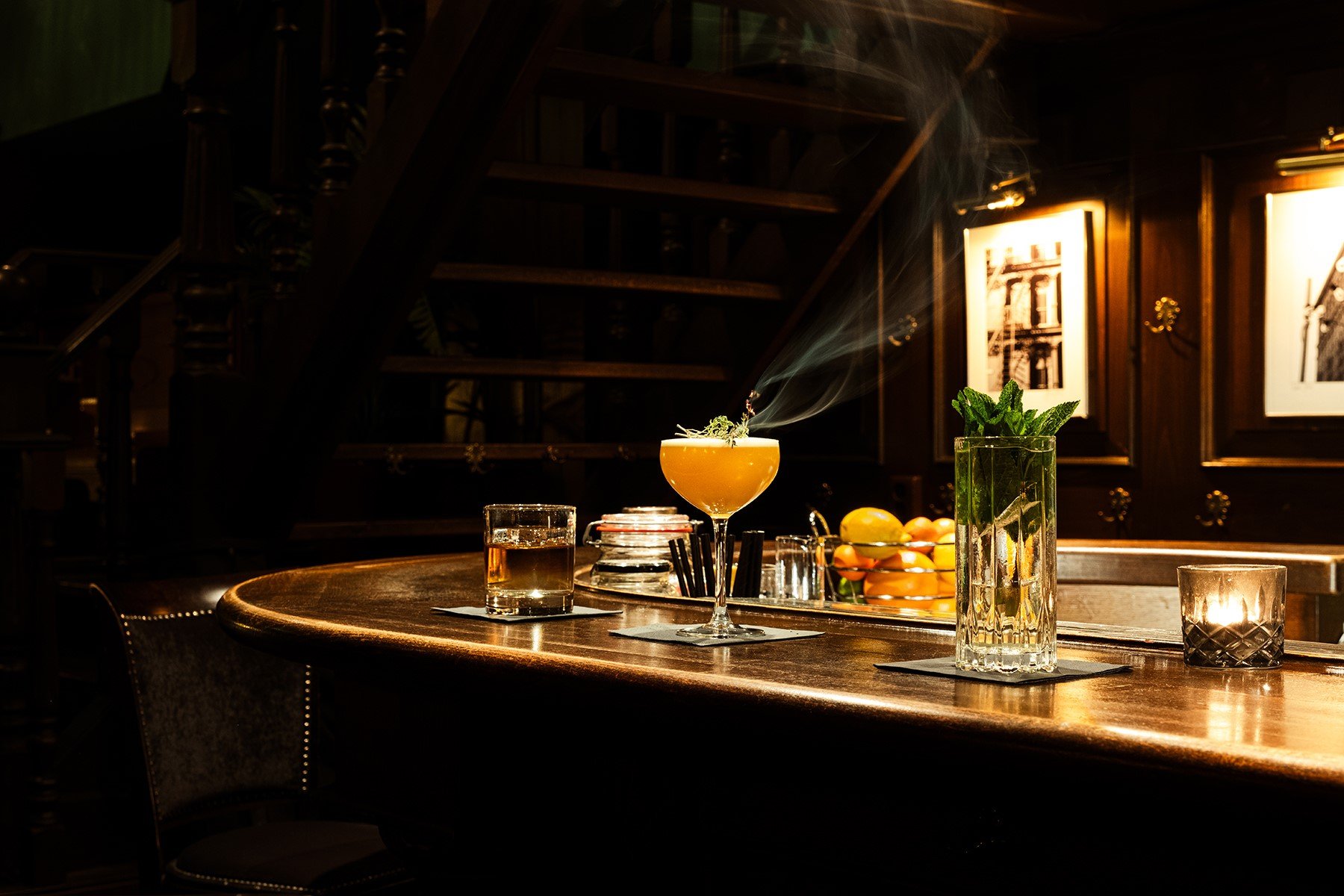
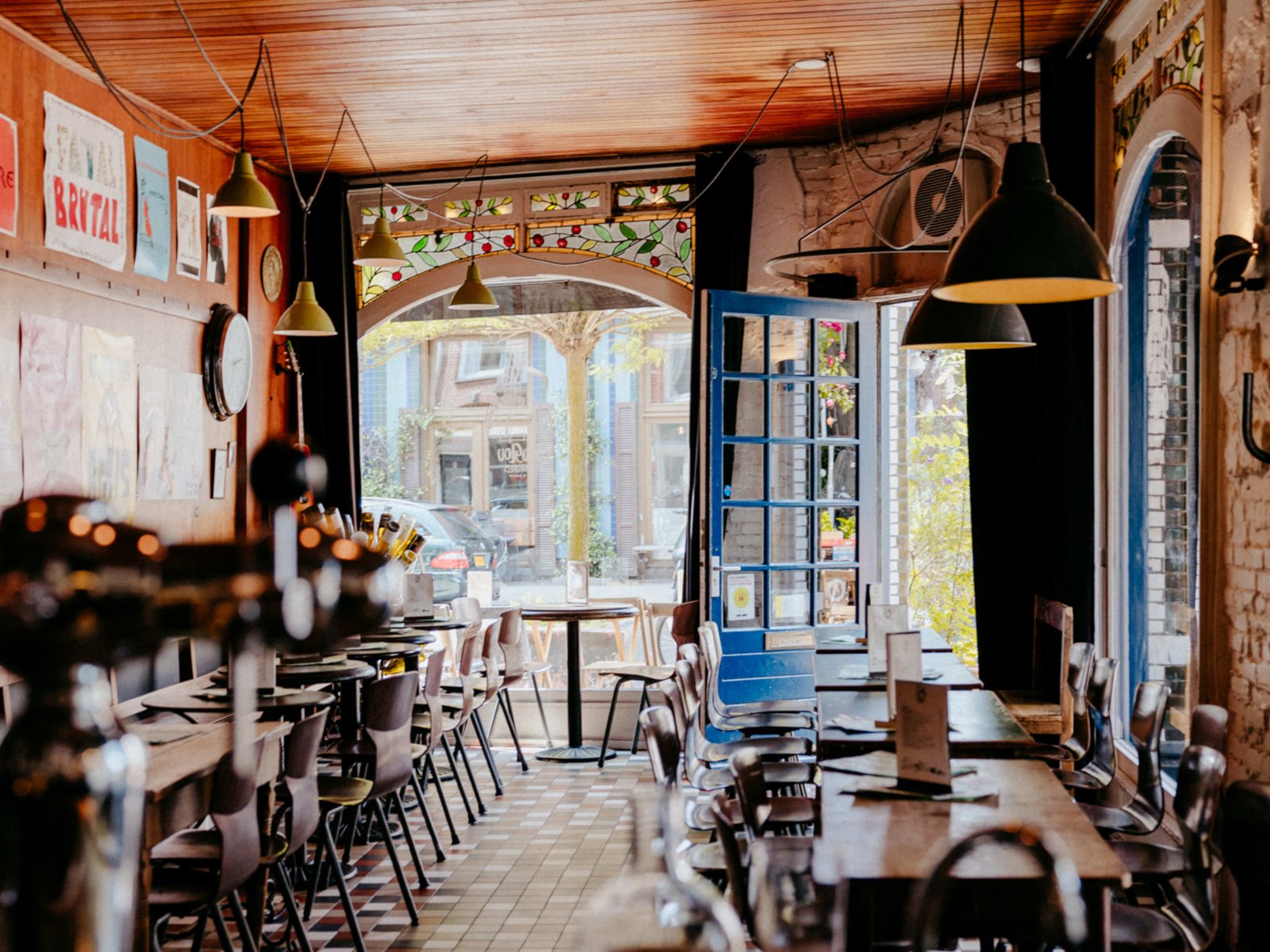
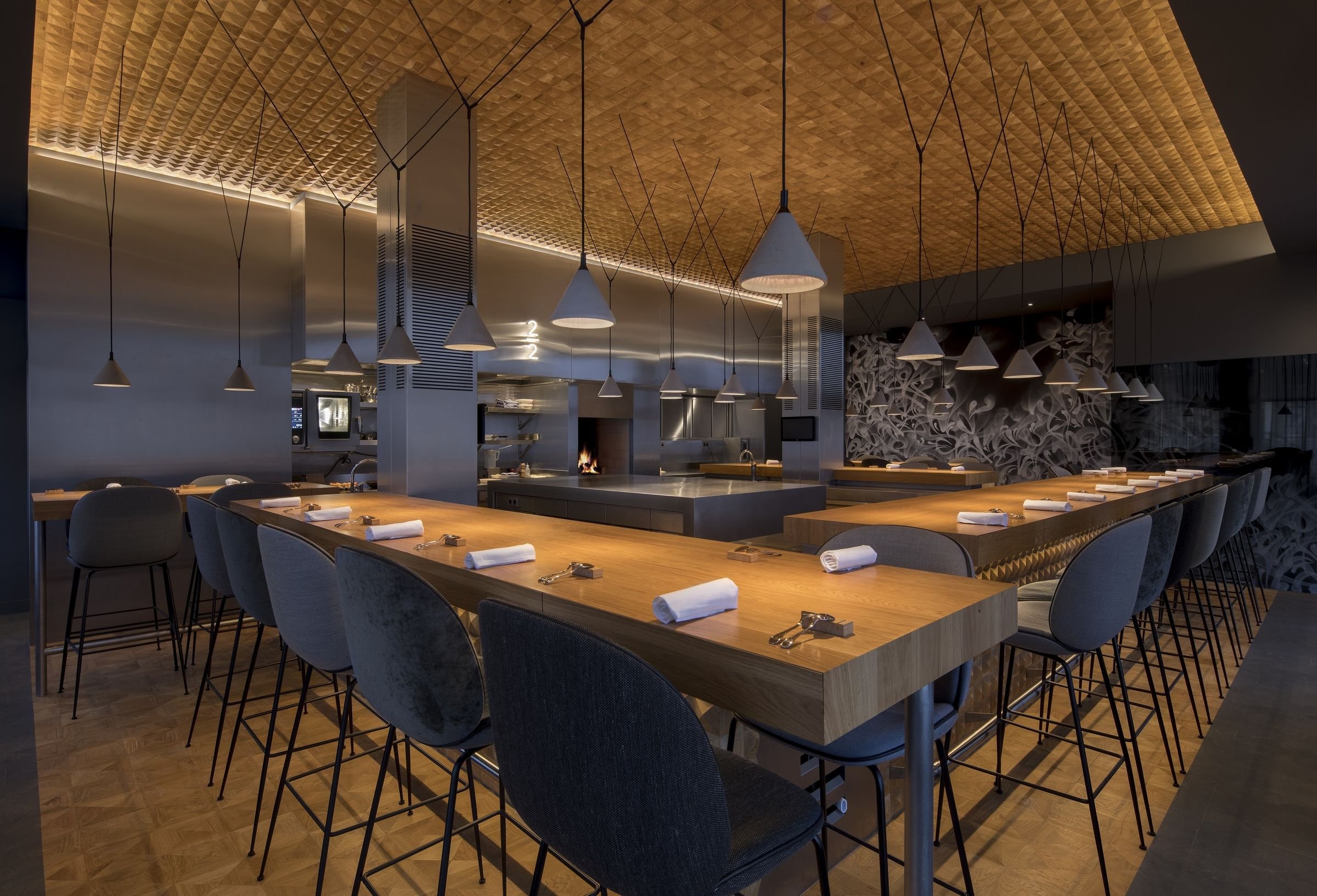
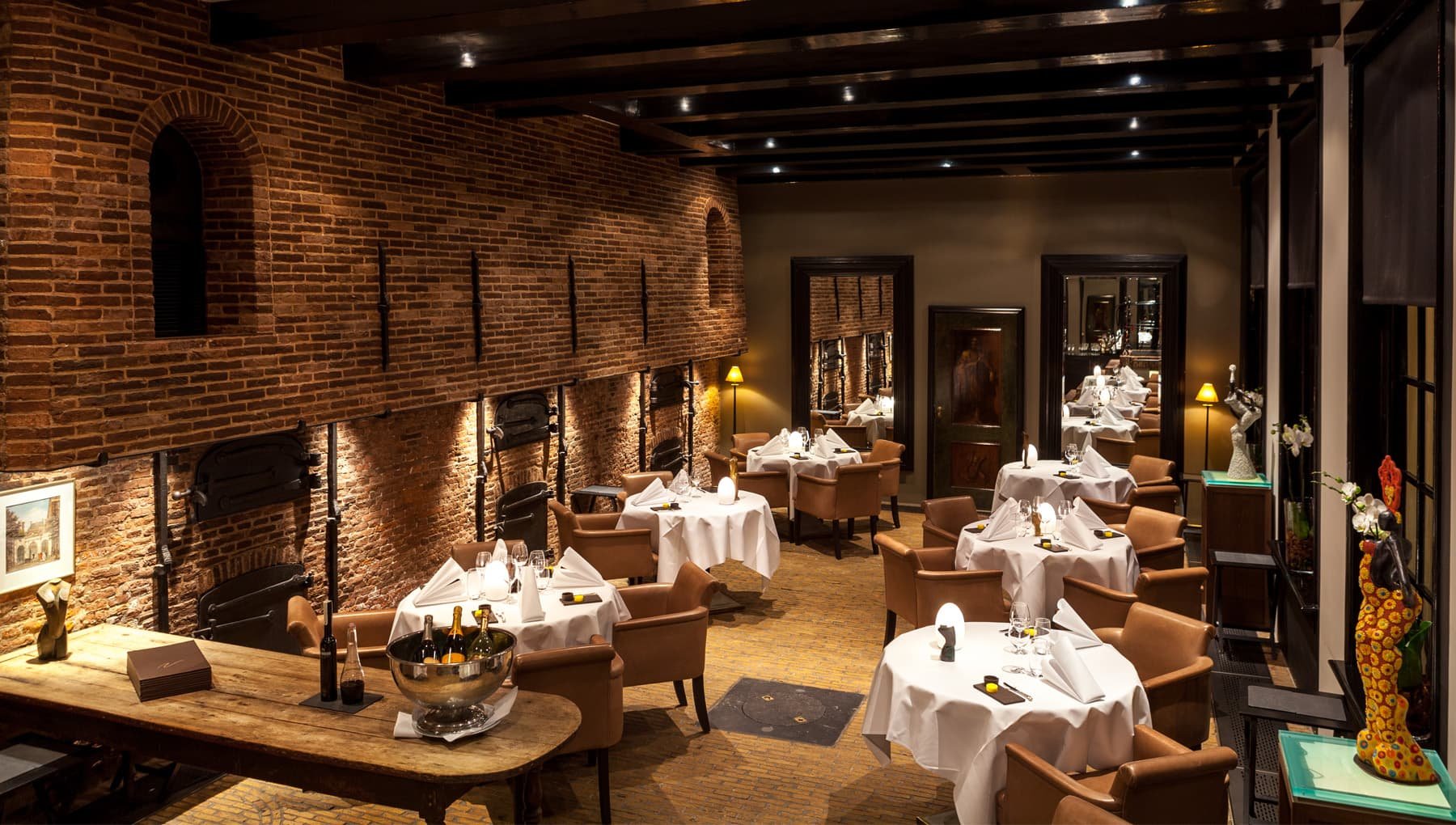
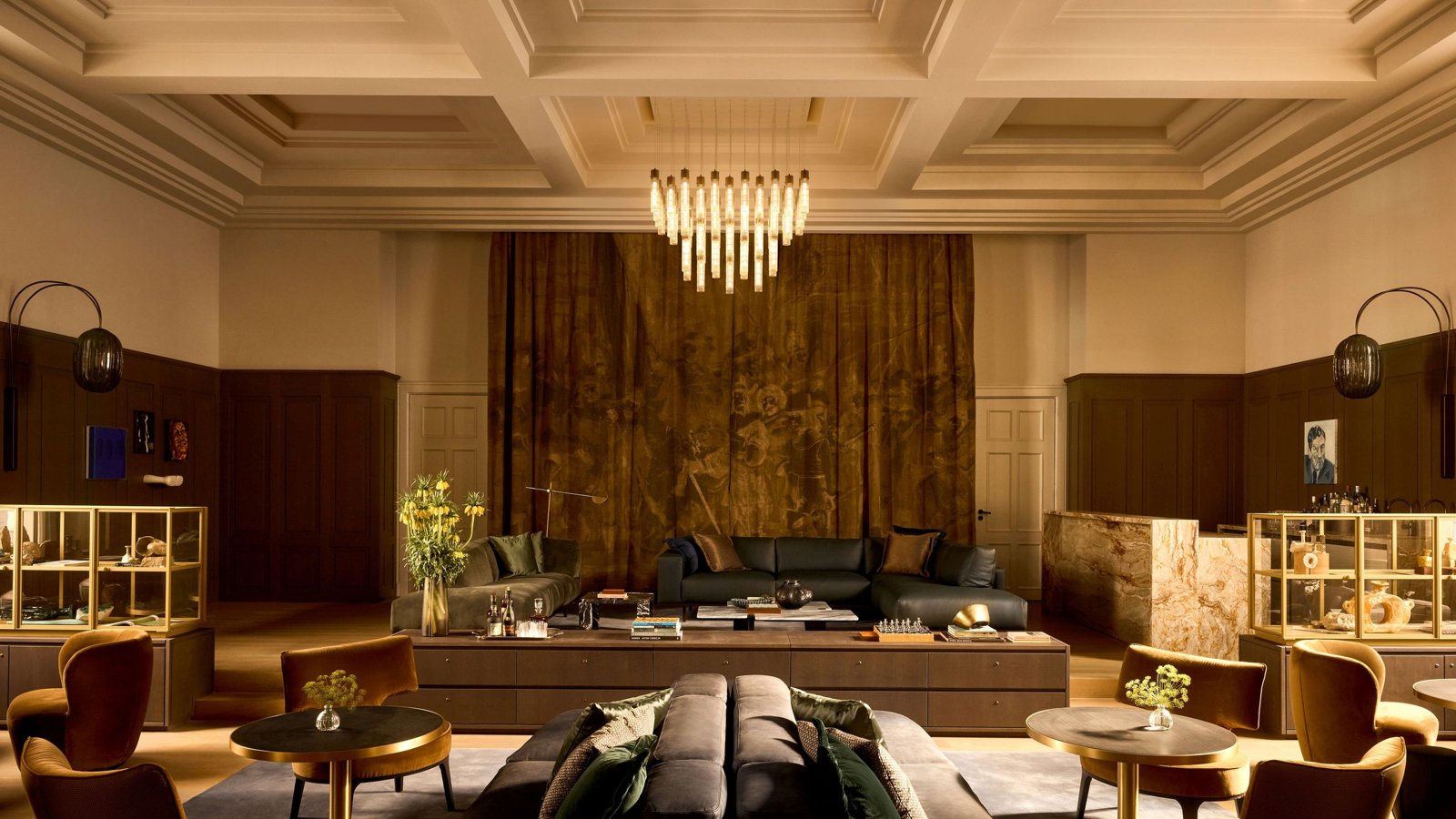
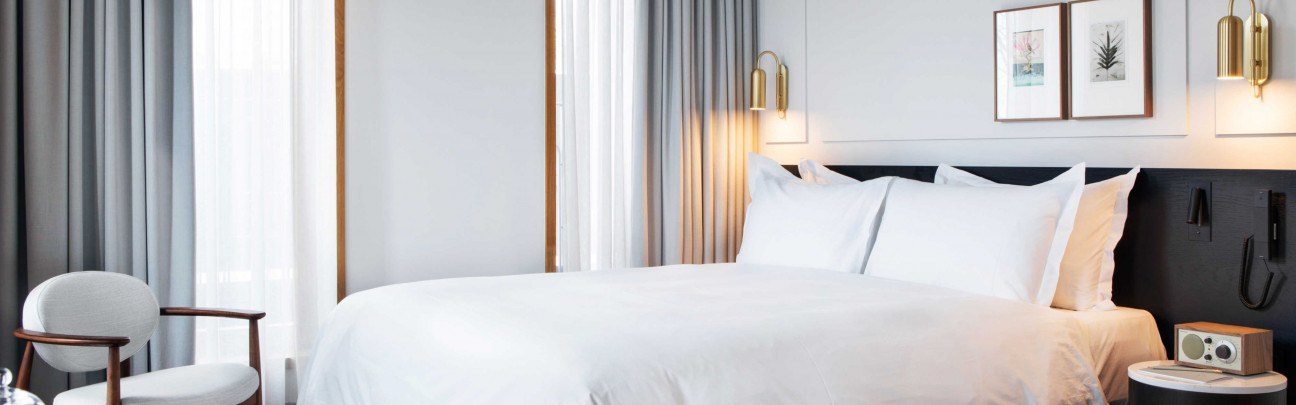
Cozy, dimly lit environment with lovely decor, blending sophistication and intimacy, featuring a style living room vibe.
Tags
Vibe
Best For
Experience
Format
At the Bar
- Bar Category
- Speakeasy
- Late Night
- Open Until 2am
- Music
- Live House Band
- Live Music
- Yes
Signature Pours
- Coco Chanel
- Pink Lady
- Brooklyn
Planning details
Location
Also consider
If this bar is not available, try De Sluyswacht for a more casual Amsterdam drink, or Hannekes Boom when the group wants a looser evening rather than a tight two-person cocktail plan.
For a simpler backup, Café Old Sailor is the safer cross-shop when polish is less important than getting an easy drink into the night.
Bar context
Against De Sluyswacht, Hannekes Boom, Café Old Sailor, Hiding in Plain Sight is the cleaner pick for a date-night cocktail brief. The others read better for casual Amsterdam drinking plans where setting or social energy may matter more than a focused two-person bar stop.
If booking ease is the priority, keep Oudezijds Achterburgwal and Trees in the comparison set. Without published price or menu detail for these peers, the useful distinction is format: choose Hiding in Plain Sight when the evening needs a compact cocktail stop, cross-shop the others when the plan is looser or more group-led.
For value, avoid judging this set on price alone unless current menus are in hand. The better filter is occasion fit: Hiding in Plain Sight for a two-person drinks plan, De Sluyswacht or Hannekes Boom for a more casual Amsterdam outing, Café Old Sailor when the night is less about polish and more about an easy bar stop.
Around this place
Discover more on Pearl
Unlock the full Hiding in Plain Sight guide in Pearl, including awards, comparisons, FAQs, planning details, and nearby places.
Compare Hiding in Plain Sight
| Venue | Location | Awards |
|---|---|---|
| Hiding in Plain Sight | Amsterdam | No published awards |
| De Sluyswacht | Amsterdam | No published awards |
| Hannekes Boom | Amsterdam | No published awards |
| Café Old Sailor | Amsterdam | No published awards |
| Oudezijds Achterburgwal | Amsterdam | No published awards |
| Trees | Amsterdam | No published awards |
How Hiding in Plain Sight Amsterdam compares with similar nearby venues.
FAQ
Frequently Asked Questions
What's the crowd like at Hiding in Plain Sight?
The crowd is not specified. What is confirmed is that Hiding in Plain Sight is in Amsterdam, opens at 6 PM daily, closes at 1 AM Monday through Thursday and Sunday, closes at 3 AM on Friday and Saturday.
Is Hiding in Plain Sight open late?
Yes. Hiding in Plain Sight opens at 6 PM daily, closes at 1 AM Monday through Thursday and Sunday, stays open until 3 AM on Friday and Saturday.
Do I need a reservation at Hiding in Plain Sight?
Reservation requirements are not specified. Plan using the hours: 6 PM to 1 AM Monday through Thursday and Sunday, 6 PM to 3 AM Friday and Saturday.
Is Hiding in Plain Sight good for a date?
It can work for an Amsterdam evening plan if the hours and smart casual dress code fit what you need. Seating, atmosphere, reservations, menu, service format are not specified.