
Glou Glou
Van der Helstpleinbuurt, Amsterdam
Bar in Amsterdam, Netherlands
 Book with Pearl
Why go
Book Glou Glou when the night calls for a credible Amsterdam wine bar rather than a cocktail lounge or hotel bar. It is strongest for dates, small groups, repeat visitors who want conversation in De Pijp, with Star Wine List recognition adding a useful trust signal for the wine program.
About Glou Glou
Glou Glou is an Amsterdam venue with casual dress and late daily closing hours. It opens at 3 PM Monday through Friday, at 2 PM on Saturday and Sunday, closes at 12 AM every day.
It has Star Wine List (2026) recognition. Specific claims about menu, service style, pricing, seating, reservations, or food are not available, so plan with the essentials and check the venue directly before making a detailed night around it.
Go for the Amsterdam details, not an overbuilt plan
Glou Glou is easiest to plan as an Amsterdam stop with casual dress and late closing hours. It can work when the priority is an afternoon-to-late venue, but it does not offer a lunch service, a full dinner format, a specific menu, or a booking structure.
If you are comparing options, Wijnbar Paskamer is another Amsterdam name to consider. Twenty Third Bar and The College Bar & Lounge point the evening in a different direction, while De Badcuyp and Café de Wetering may suit a more casual plan. Keep the choice anchored to what you need from the night rather than assuming details about Glou Glou that are not stated here.
Use the basics to decide whether it fits
The most reliable fit is someone looking for a casual Amsterdam venue with late hours and Star Wine List recognition. We cannot promise a particular crowd, food format, seating setup, or reservation experience.
Use the wider Amsterdam shortlist depending on the night. If the plan expands beyond one venue, scan our full Amsterdam bars guide, then use our full Amsterdam restaurants guide to pair it with dinner.
For a broader trip plan, keep Glou Glou in mind as an Amsterdam venue with casual dress, daily late closing hours, Star Wine List (2026) recognition. Use our full Amsterdam hotels guide for where to stay, compare other Amsterdam dining and drinking options generically when the night calls for something different.
Planning details
- Location
- Tweede van der Helststraat 3, 1073 AE Amsterdam, Netherlands
- Website
- glouglou.nl
- Phone
- +31 20 233 8642
The take
The Take
The Vibe
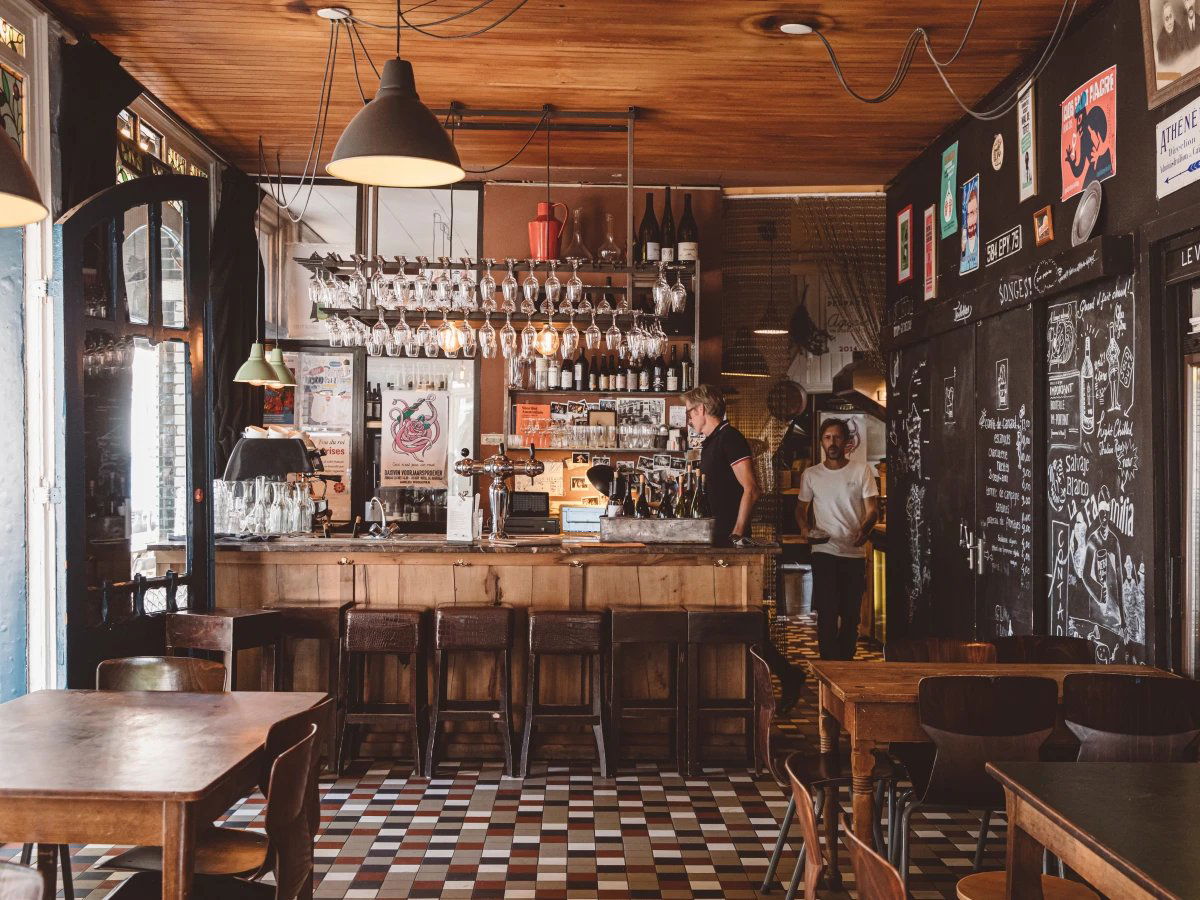
Glou Glou reads like a Parisian import that settles neatly into De Pijp’s calm, local evenings. It embraces the bar à vins naturelles format—low-key, conversational and deliberately anti-ceremony—so the room feels intimate and unpretentious even when busy. Located on a tucked-away side street, it operates as a kind of neighbourhood discovery: the kind of place that doesn’t need a sign to draw a regular crowd. Over time it becomes less a trend-driven novelty and more a touchstone for Amsterdam’s independent wine scene, quietly shaping how people drink and talk about wine in the city.
Best For
This is an evening destination: ideal for after-work glasses, relaxed date nights and anyone curious about natural wine. The bar’s strength is its counter-focused format, which suits solo visitors who want to learn from staff as well as small groups who enjoy sharing plates while sampling unusual bottles. It’s a locals’ spot that rewards repeat visits—the more you come, the more the list and the staff’s knowledge reveal themselves. Because the format privileges conversation over ceremony, it’s less about formal dinners and more about informal, discovery-driven evenings.
Ordering Tips
Menus are presented as chalked lists of producers and philosophies rather than straightforward varietal guides, so embrace the ambiguity. Staff expect questions and offer context—ask for approachable entry points such as a skin-contact Alsatian or a carbonic Beaujolais mentioned in the profile. Portion your visit around small plates and let the person behind the bar guide pairings; the format encourages tasting and discussion rather than rigid food-and-wine rules. Don’t worry about formality—come ready to chat and learn, and the staff will bridge any gaps in knowledge.
Venue details
Ambiance
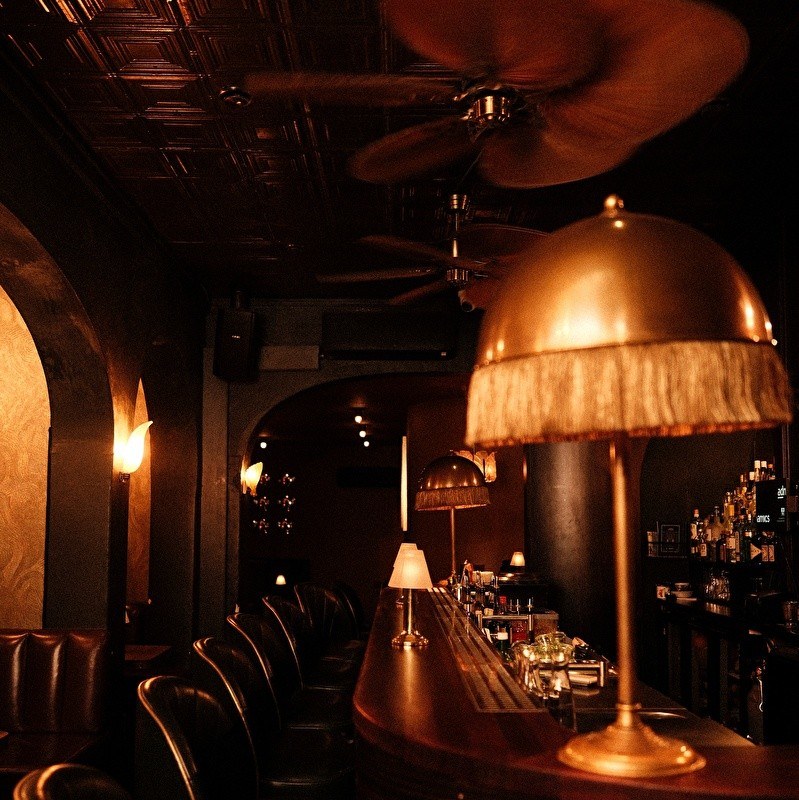
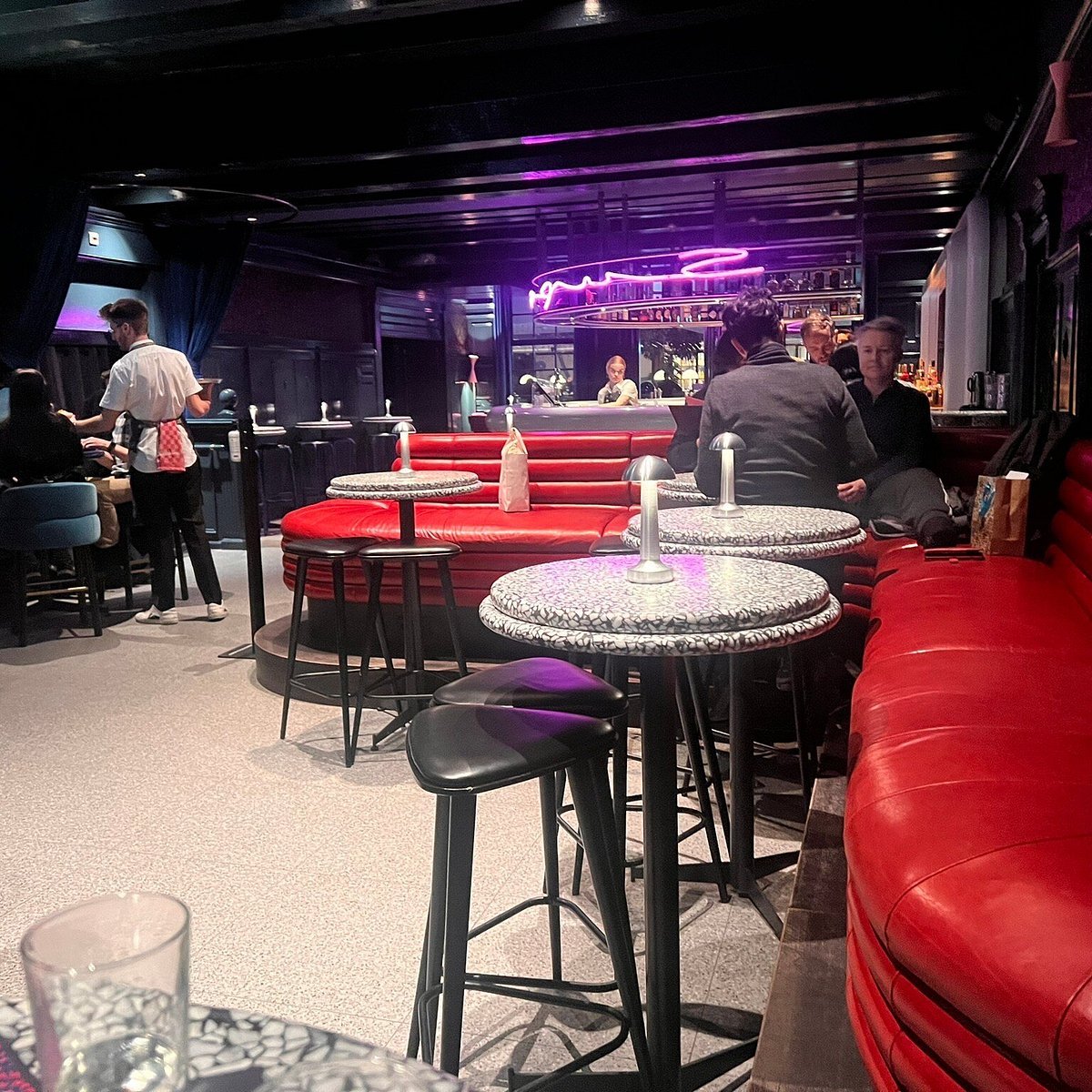
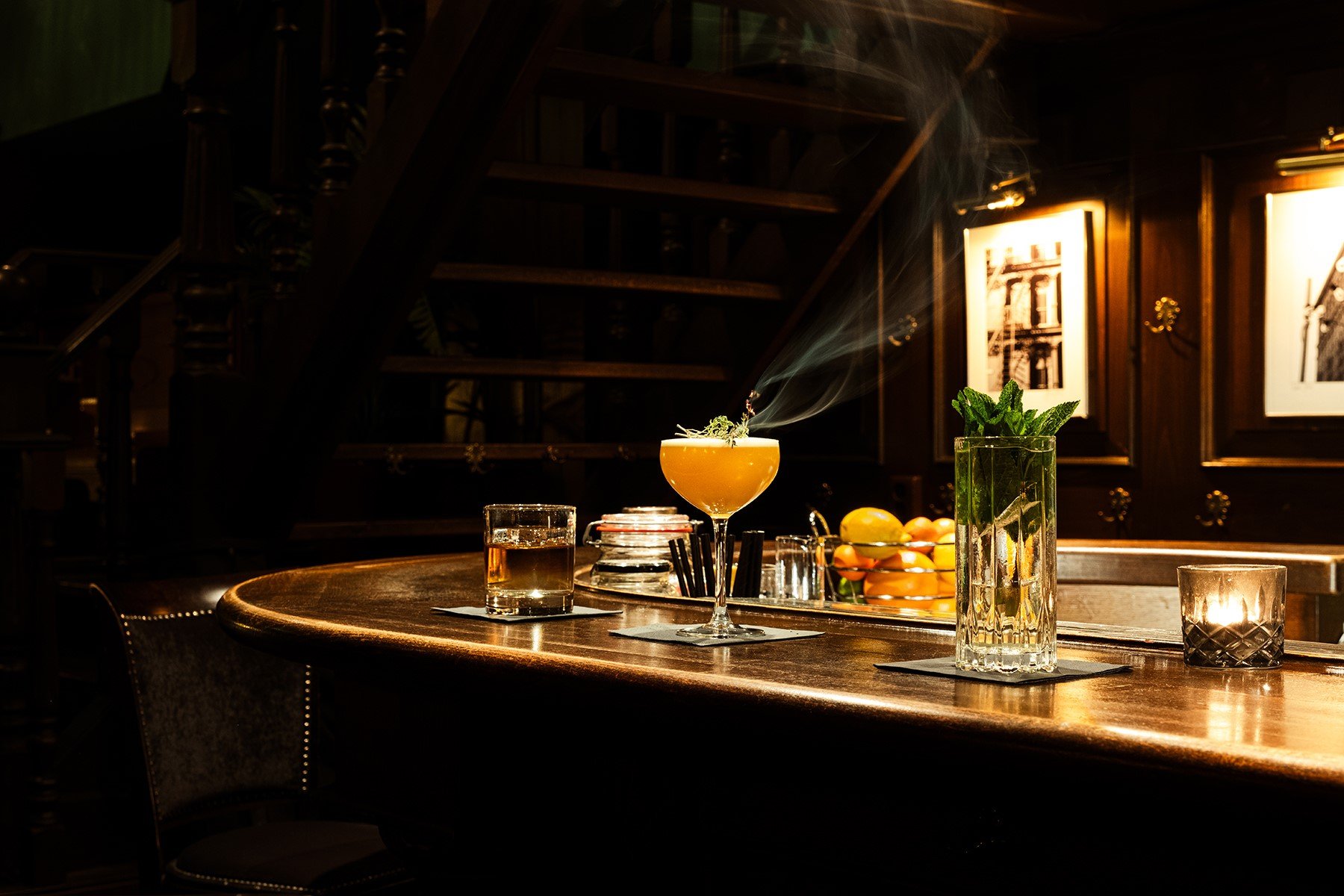
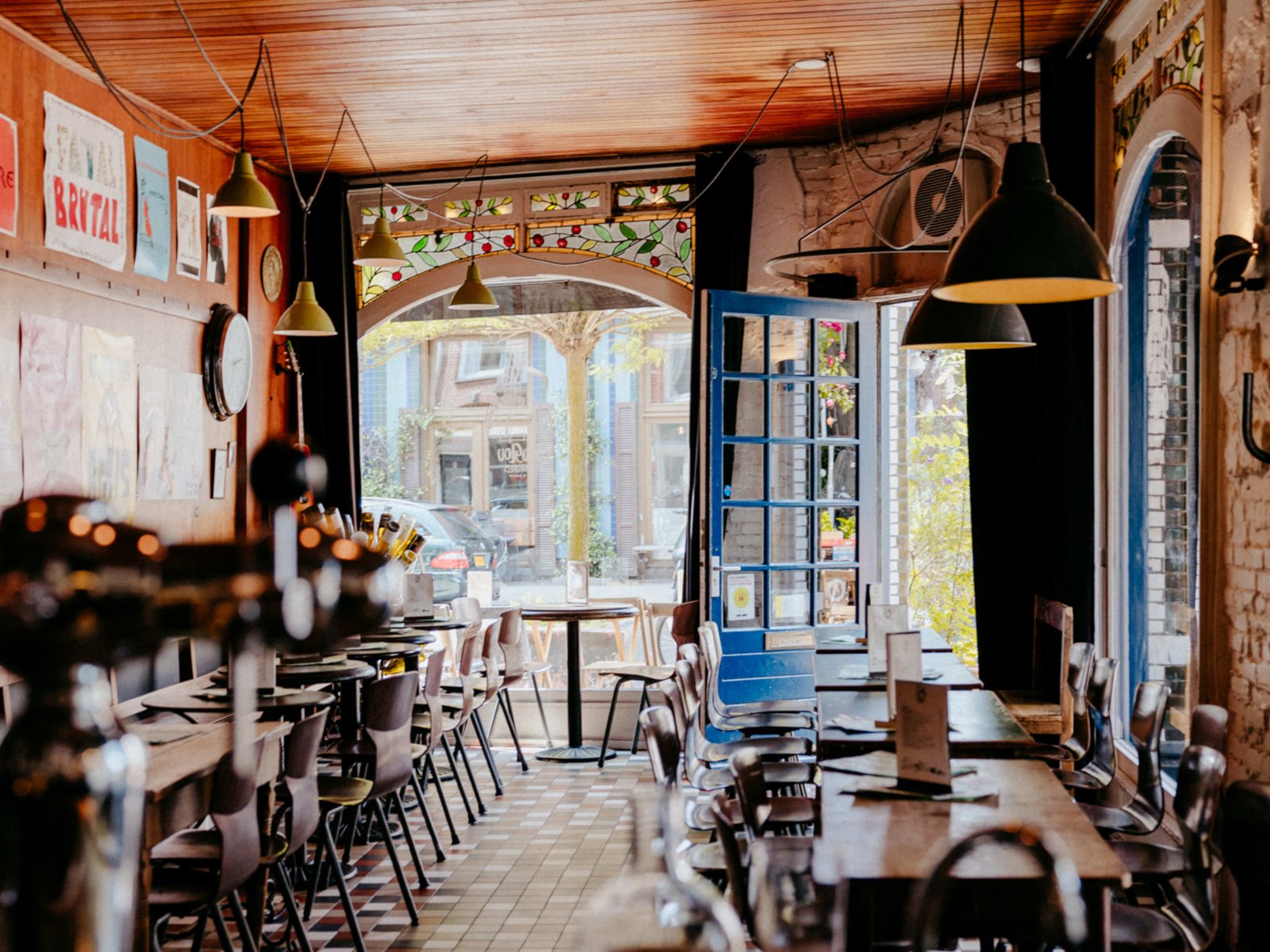
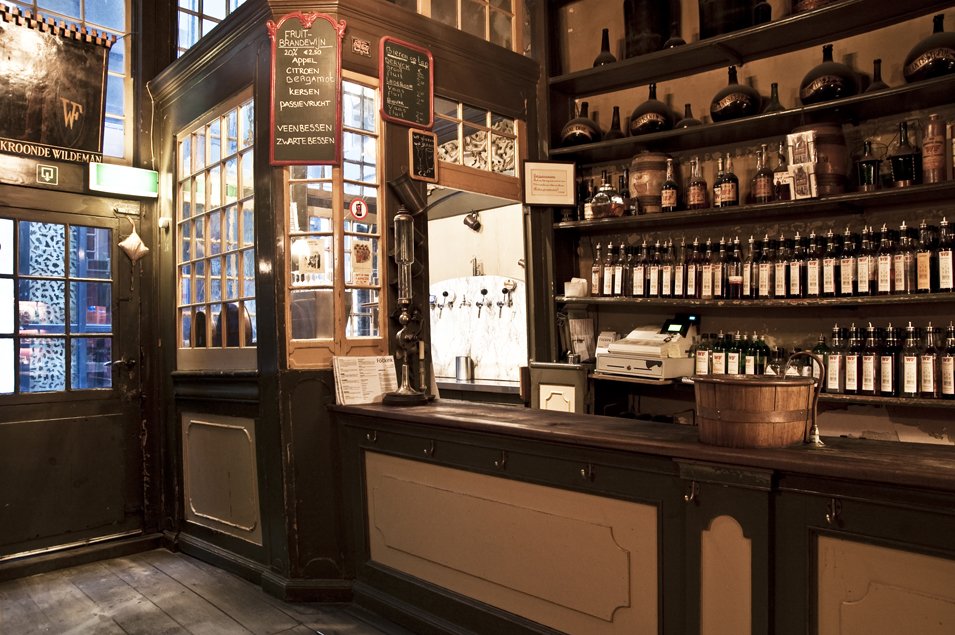
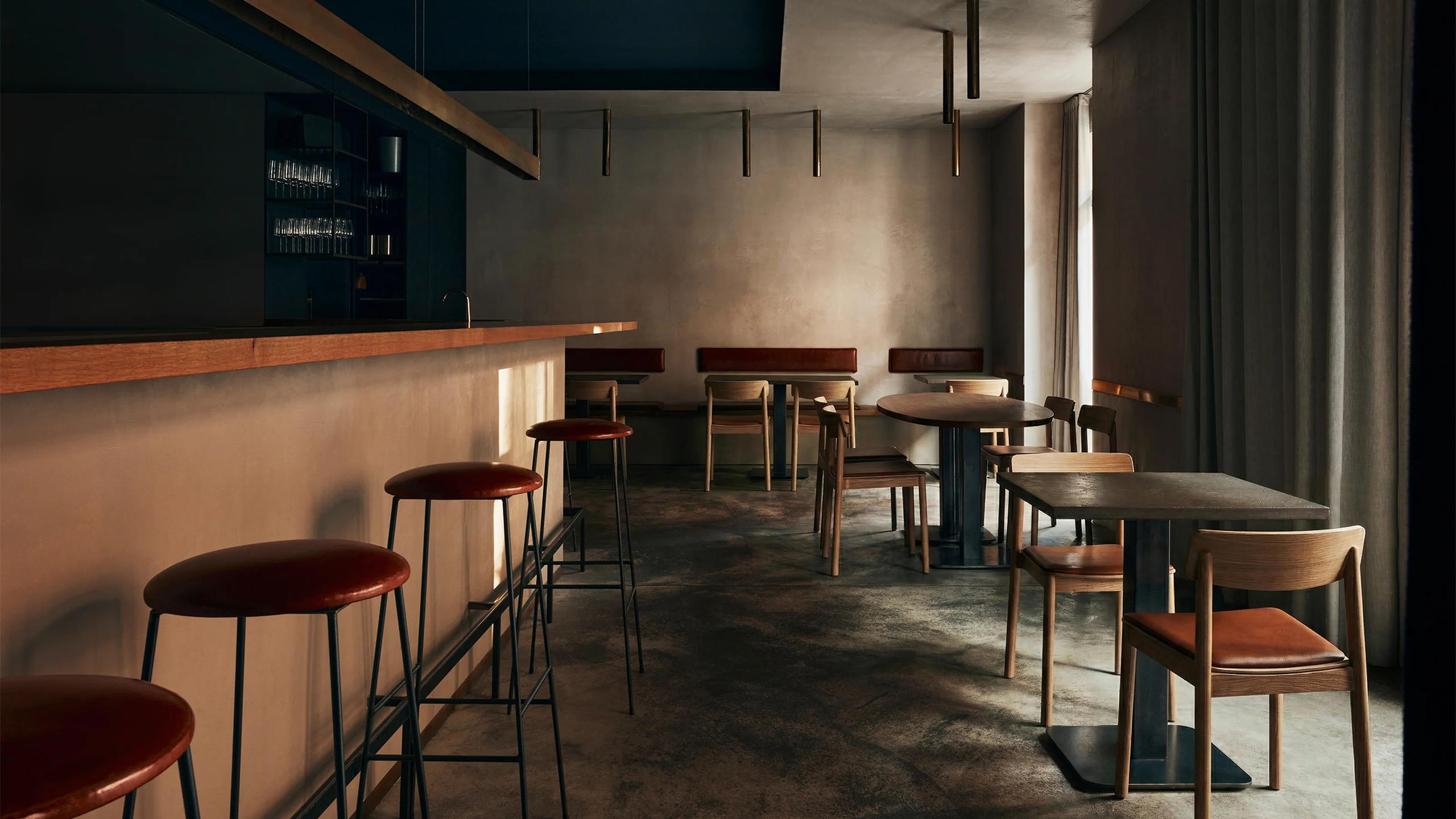
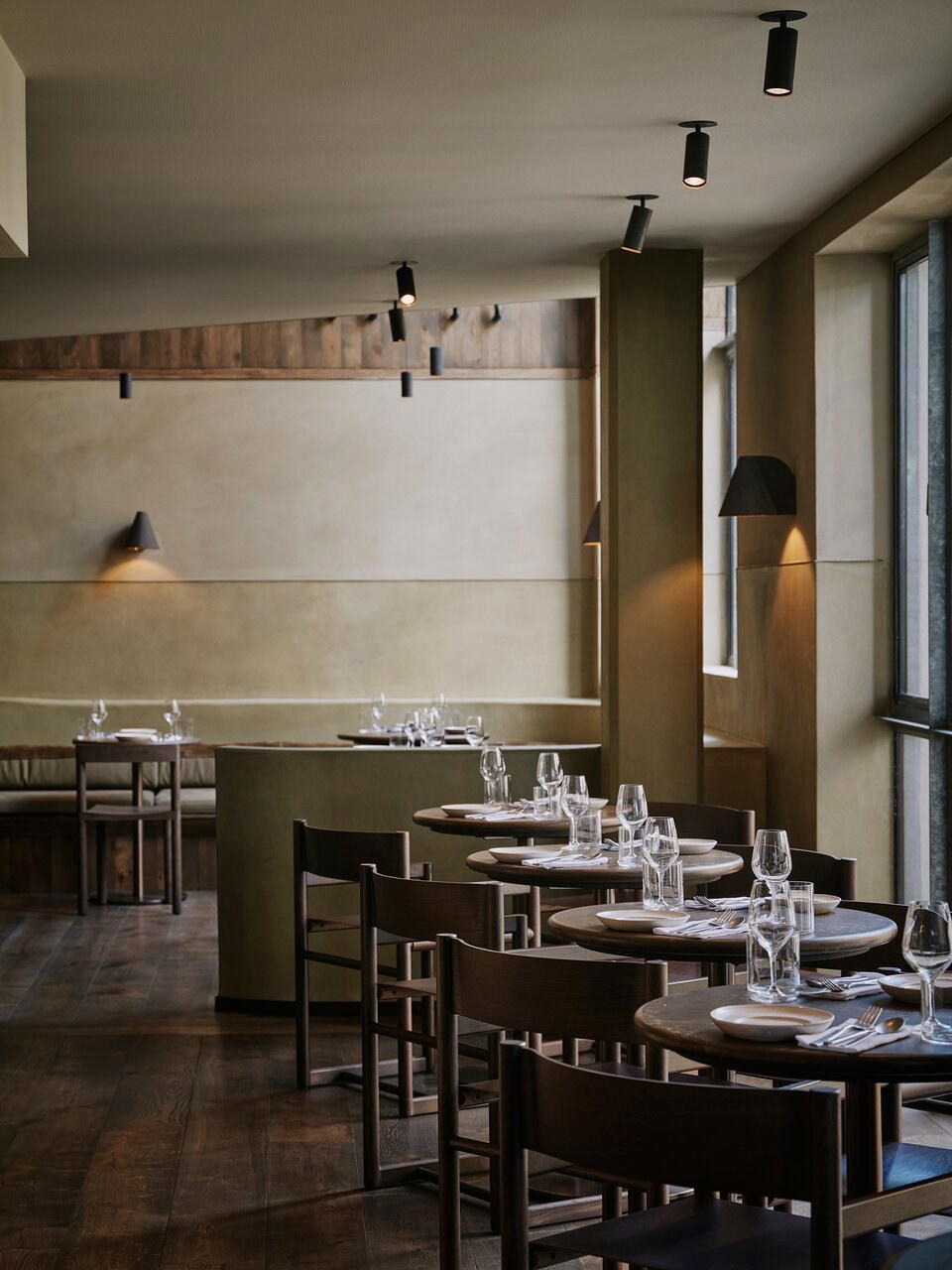
Cozy and intimate interior with warm wood and small tables, vibrant and relaxed atmosphere enhanced by friendly staff and great music, especially lively on the terrace during sunny days.
Tags
Vibe
Best For
Experience
Format
Accessibility
At the Bar
- Bar Category
- Wine Bar
- Late Night
- Closes by Midnight
- Music
- Great Music Selection
Planning details
Location
Recognition and awards

Also consider
Also Consider
- Wijnbar Paskamer, Notable alternative
- Twenty Third Bar, Notable alternative
- De Badcuyp, Notable alternative
- The College Bar & Lounge, Notable alternative
- Café de Wetering, Notable alternative
Bar context
How it compares with nearby Amsterdam bars
Choose Glou Glou over Twenty Third Bar if the priority is a neighbourhood wine-bar feel rather than a polished hotel-bar setting. Twenty Third Bar is the better fit for a dressier, view-led night; Glou Glou is the easier choice for conversation and a less formal second round.
Wijnbar Paskamer is the closest cross-shop for readers who want to keep the evening wine-led. If the group is more casual or mixed in taste, De Badcuyp and Café de Wetering are safer backups because they ask less of the group's interest in wine.
The College Bar & Lounge makes more sense when the brief is hotel comfort and a calmer lounge atmosphere. For value and ease, Glou Glou is the practical pick when you want a wine-focused night in Amsterdam without turning it into a formal occasion.
Around this place
Discover more on Pearl
Unlock the full Glou Glou guide in Pearl, including awards, comparisons, FAQs, planning details, and nearby places.
Compare Glou Glou
| Venue | Location | Awards |
|---|---|---|
| Glou Glou | Amsterdam | Star Wine Lists 2026 |
| Wijnbar Paskamer | Amsterdam | No published awards |
| Twenty Third Bar | Amsterdam | No published awards |
| De Badcuyp | Amsterdam | No published awards |
| The College Bar & Lounge | Amsterdam | No published awards |
| Café de Wetering | Amsterdam | No published awards |
How Glou Glou Amsterdam compares with similar nearby venues.
FAQ
Frequently Asked Questions
Do I need a reservation at Glou Glou?
Reservation requirements are not available. Glou Glou is in Amsterdam, has casual dress, is open until 12 AM daily, but you should check directly with the venue before planning around a booking.
Is Glou Glou good for a date?
It may suit a casual Amsterdam visit, especially if the timing works with its opening hours. Specific details about seating, atmosphere, service style, or menu are not available.
What's the crowd like at Glou Glou?
Information on the specific crowd is not available. Glou Glou is in Amsterdam, has casual dress, keeps daily late hours, has Star Wine List (2026) recognition.
Is the food good at Glou Glou?
Food details are not available, so do not plan around a specific menu or dining format based on this guide alone. If food is central to the plan, check the venue directly or pair the visit with a restaurant from a broader Amsterdam shortlist.