
Apoteca
West End, Adelaide
Bar in Adelaide, Australia
 Book with Pearl
The Read
Absinthe-Forward Programme
Why go
Apoteca is worth considering when the plan is wine-led and central, especially given its Star Wine List recognition in 2026. It is less useful as a blind dinner pick because cuisine, pricing, and seating format are not the reason to choose it. Go earlier for conversation; use later weekend hours for a second stop.
About Apoteca
In Adelaide, Apoteca has Star Wine List recognition in 2026, smart casual dress, evening opening from Monday to Saturday, and Sunday closure.
The main decision is simple: choose Apoteca when its Star Wine List recognition and evening hours fit the plan. If you are comparing options, consider Clever Little Tailor, Jennie Wine Bar, La Buvette Drinkery, Leigh Street Wine Room, or Nearly a bar as alternatives to check against your timing and mood.
Book it for Star Wine List recognition, not for a fully mapped dinner plan
The useful trust signal here is the Star Wine List recognition. Use that as the reason to go rather than arriving with expectations of a specific cuisine, tasting-menu format, chef-led concept, or set dining style unless you have checked those details directly.
Hours are direct: Monday through Thursday, Apoteca opens from 6 PM to 10 PM; Friday and Saturday, it opens from 6 PM to 12 AM; Sunday is closed. Those hours support evening plans only, with later finishes at the end of the week. The dress code is smart casual.
Outdoor plans need a backup
For a broader Adelaide plan, use Apoteca as one recognised stop to compare against other options. If the night needs a fuller itinerary around the city, pair this research with our full Adelaide restaurants guide, our full Adelaide hotels guide, our full Adelaide wineries guide, and our full Adelaide experiences guide.
For broader comparisons, cross-check Apoteca against Clever Little Tailor, Jennie Wine Bar, La Buvette Drinkery, Leigh Street Wine Room, and Nearly a bar, or look more generally at other venues that match your preferred timing and atmosphere.
Planning details
- Location
- 118 Hindley St, Adelaide SA 5000, Australia
- Website
- apoteca.com.au
- Phone
- +61 8 8212 9099
The take
The Take
The Vibe
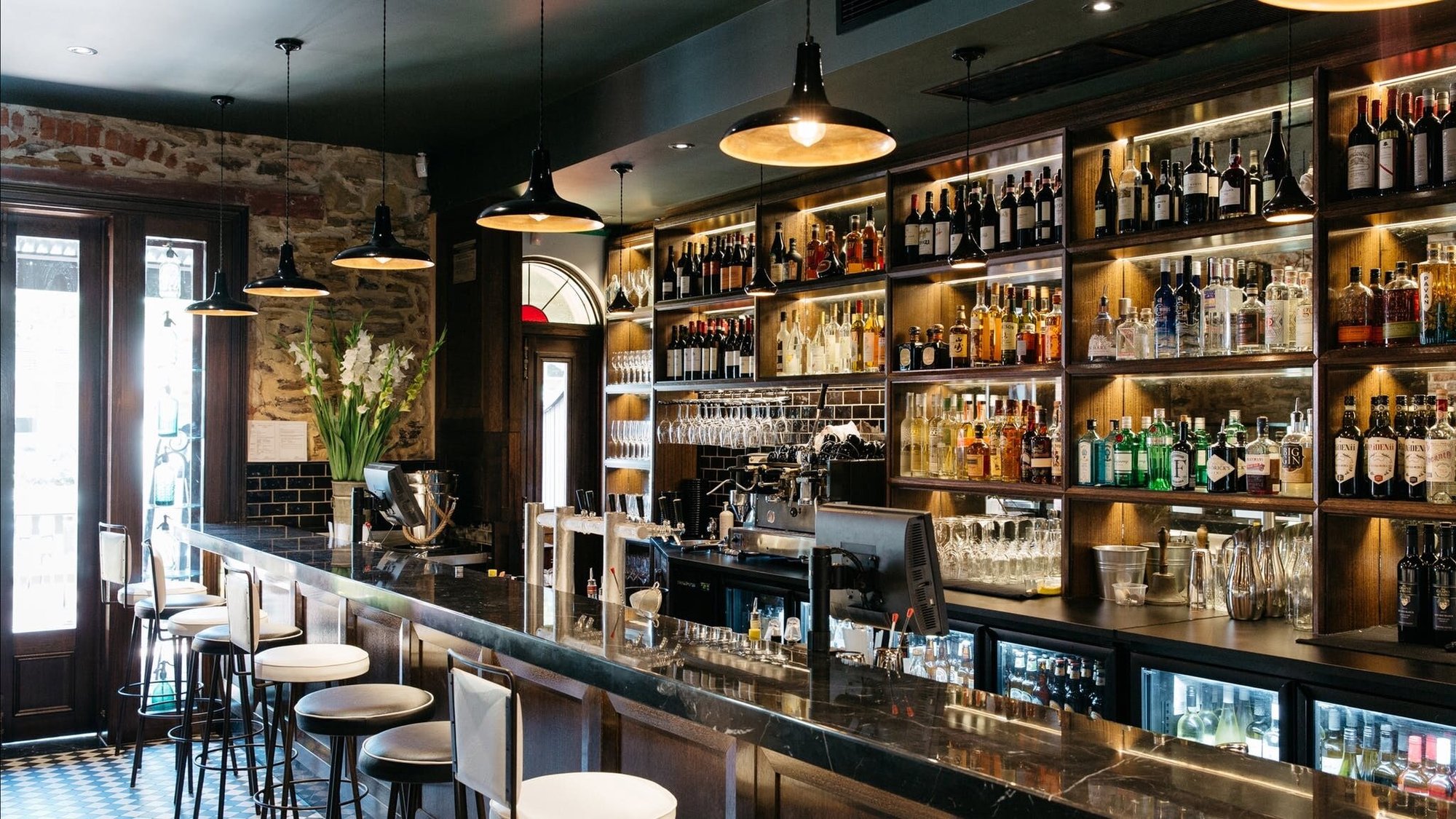
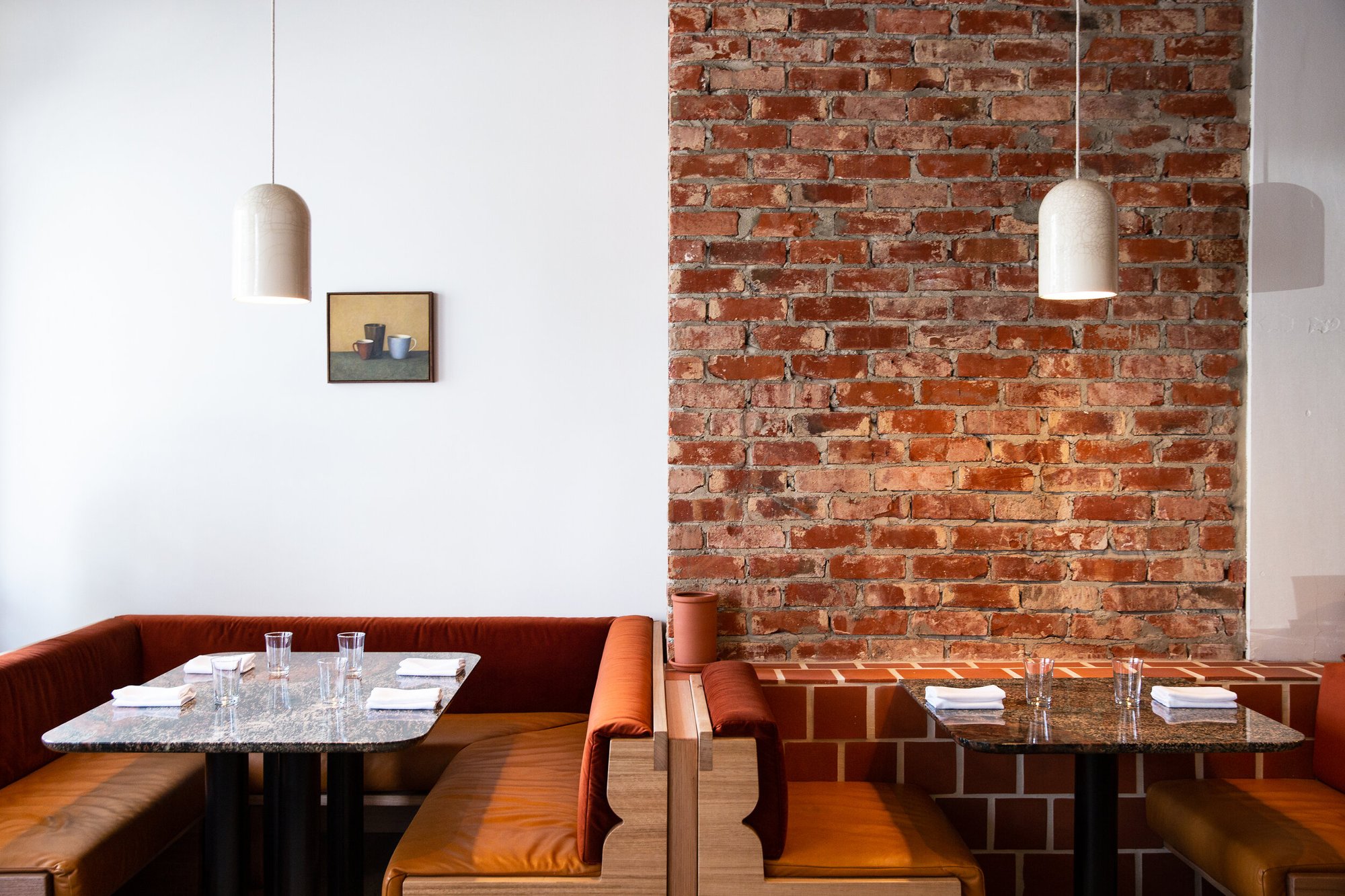
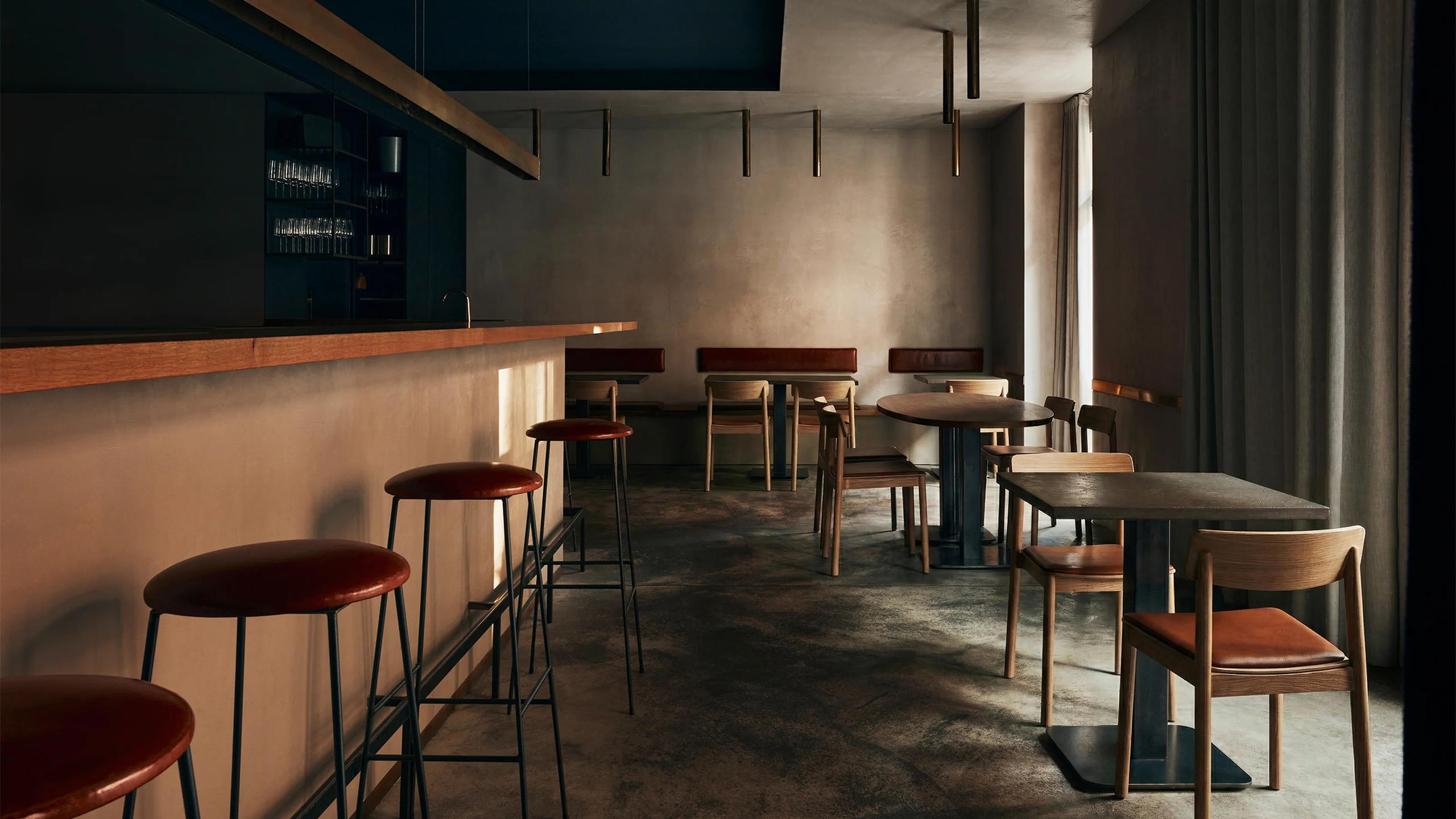
Apoteca leans fully into a late‑19th‑century apothecary fantasy: dark timber, apothecary references and fin‑de‑siècle theatrics create a moody, stage‑set room. The decor and ritual around absinthe give the bar a playful, slightly surreal character; it feels as if the interior is a repurposed chemist’s shop where cocktails are administered with clinical precision and theatrical flourish. The writing and fit‑out signal a place that rewards slow exploration rather than quick drinks—perfect for guests who appreciate craftsmanship, storytelling and a bar that makes its concept central to the experience.
Best For
This is a venue for night owls and anyone seeking something outside the mainstream cocktail circuit. Located on Hindley Street’s nocturnal strip, Apoteca is framed as a late‑night destination where the experience—absinthe rituals, attentive service and theatrical presentation—matters as much as the drinks themselves. It suits date nights and small special‑occasion outings when you want an intimate, memorable evening rather than a bustling, bar‑crawl stop. Expect a focused, specialist menu and a crowd drawn by the bar’s singular identity.
Ordering Tips
Order with intention: Apoteca centers on absinthe and the slow dilution ritual, so ask for a hosted louche service if you want the full effect—the sugar cube, slotted spoon and slow drip of ice‑cold water are part of the experience. Because the bar foregrounds botanical complexity, let staff know if you prefer a sweeter or more anise‑forward pour so they can tailor the water ratio. Go slowly and savour the progression; this is a bar designed for extended tasting rather than quick rounds.
Venue details
Ambiance
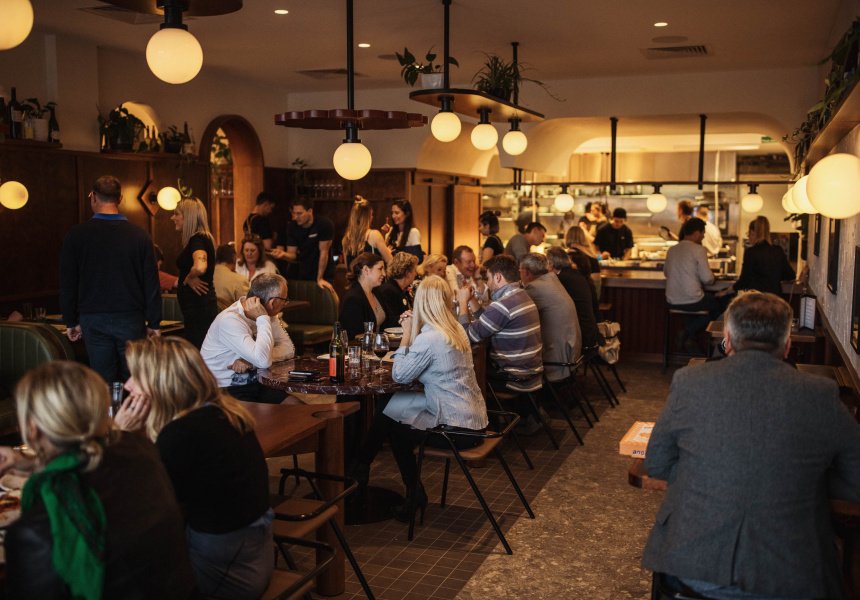
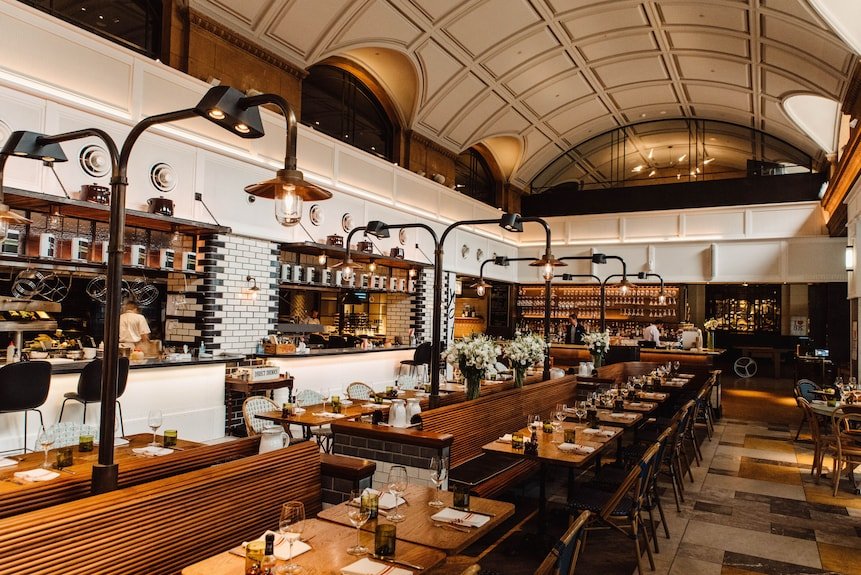
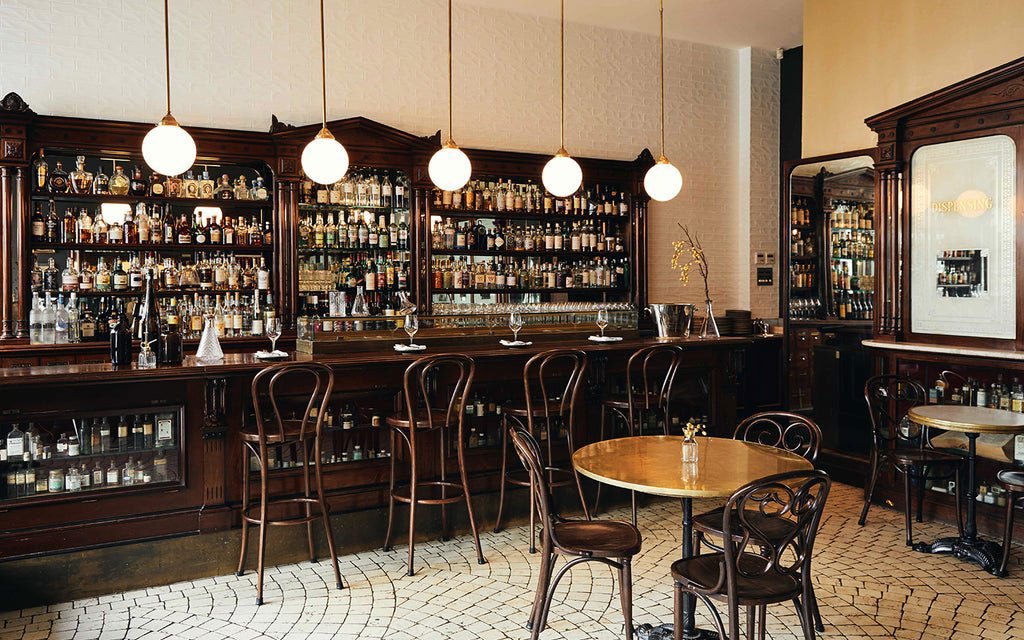
Atmospheric basement cellar with cozy, rustic lighting and a warm, intimate vibe reminiscent of a New York Parisian brasserie.
Tags
Vibe
Best For
Experience
Format
At the Bar
- Bar Category
- Wine Bar
- Spirits Focus
- Gin
Signature Pours
espresso martini
Know before you go
Know Before You Go
- Getting there
- 118 Hindley St, Adelaide SA 5000, Australia
Planning details
Location
Recognition and awards

Also consider
Also Consider
- Leigh Street Wine Room, Notable alternative
- Nearly a bar, Notable alternative
- Jennie Wine Bar, Notable alternative
- Clever Little Tailor, Notable alternative
- La Buvette Drinkery, Notable alternative
Bar context
How Apoteca compares in Adelaide
Choose Apoteca when wine credibility is the deciding factor. Its Star Wine List recognition gives it a clearer wine signal than Nearly a bar or Jennie Wine Bar based on available public positioning. The trade-off is that price and food format are less defined, so it is not the cleanest pick for groups that want every detail settled before they arrive.
Leigh Street Wine Room is the more direct cross-shop for a wine-bar night with a stronger Adelaide drinking-lane identity. Clever Little Tailor is the better alternative when cocktails and a tighter bar-room mood matter more than wine-list depth. La Buvette Drinkery makes more sense for a relaxed European-style drink rather than a wine-award-led booking.
For ease, Apoteca is a low-friction choice compared with venues that require more planning around a specific menu or occasion. For value, the safer move is to decide by format: pick Apoteca for a wine-first evening, Leigh Street Wine Room for a broader wine-bar plan, and Clever Little Tailor when the group will judge the night by cocktails and atmosphere.
Around this place
Discover more on Pearl
Unlock the full Apoteca guide in Pearl, including awards, comparisons, FAQs, planning details, and nearby places.
Compare Apoteca
| Venue | Location | Awards |
|---|---|---|
| Apoteca | Adelaide | Star Wine Lists 2026 |
| Leigh Street Wine Room | Adelaide | No published awards |
| Nearly a bar | Adelaide | No published awards |
| Jennie Wine Bar | Adelaide | No published awards |
| Clever Little Tailor | Adelaide | Star Wine Lists 2026 |
| La Buvette Drinkery | Adelaide | No published awards |
How Apoteca Adelaide compares with similar nearby venues.
FAQ
Frequently Asked Questions
What's the best time to go to Apoteca?
Apoteca is open Monday through Thursday from 6 PM to 10 PM, and Friday and Saturday from 6 PM to 12 AM. Go earlier in the week for a shorter evening window, or choose Friday and Saturday if the later close matters. It is closed on Sunday.
Is Apoteca good for a date?
It can be a good fit if you want an Adelaide venue with Star Wine List recognition and smart casual dress. If room style, seating setup, or menu format are important, check directly before booking. Nearly a bar is another option to compare.
Is Apoteca open late?
Yes, on Friday and Saturday it stays open until 12 AM. Monday through Thursday it closes at 10 PM, and Sunday is closed. If you are comparing end-of-week timing, you can also check Jennie Wine Bar.
Is the food good at Apoteca?
Apoteca has Star Wine List recognition in 2026, so confirm current food details directly before booking. Clever Little Tailor is another venue to compare.
What's the crowd like at Apoteca?
Expect an Adelaide venue with smart casual dress, evening hours, and Star Wine List recognition. La Buvette Drinkery is another venue to compare.
Does Apoteca have outdoor seating?
Plan around the Adelaide location, evening hours, smart casual dress, and Star Wine List recognition, and check directly with Apoteca if outdoor seating is essential. Leigh Street Wine Room is another option to compare.
Is Apoteca good for groups?
Contact Apoteca directly for group plans, including capacity, table sizes, and booking setup. If you are comparing alternatives, Clever Little Tailor and Nearly a bar are other venues to check.