

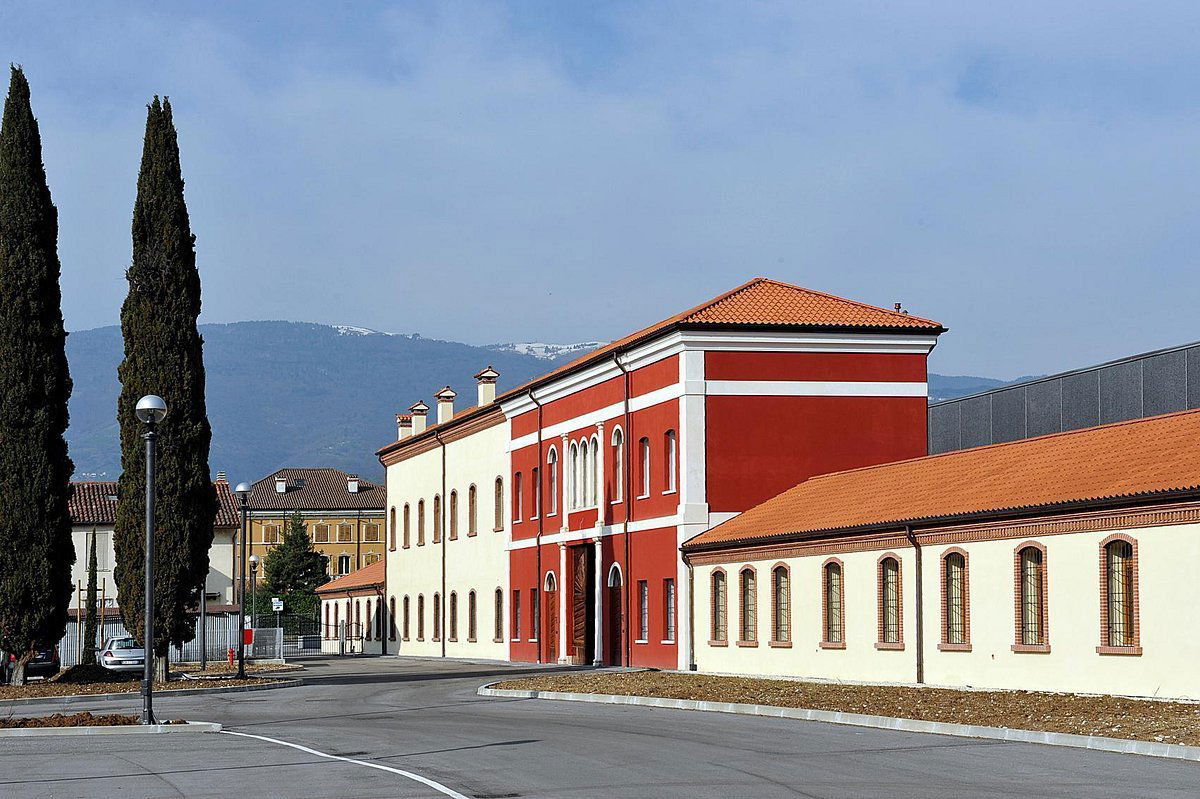
Distilleria Zanin
Zugliano
Winery in Zugliano, Italy
 Book with Pearl
The Read
Veneto Prestige Distillation
Why go
Distilleria Zanin is worth considering if the goal is Veneto spirits context rather than a conventional winery visit. Treat it as a focused Zugliano stop for grappa and Italian liqueur interest, then compare it with larger-name regional distilleries if booking certainty, visitor infrastructure, or a broader tasting setup matters more.
About Distilleria Zanin
Plan around it as a focused Zugliano stop, and check directly with the venue for details on tours, tastings, menus, retail options, hours, pricing, or service format.
For broader trip planning, compare it naturally with other named venues such as Distilleria F.lli Brunello, Distilleria Nardini, Distilleria Schiavo, Poli Distillerie, and Romano Dal Forno, while checking final visit details directly with each venue.
Choose this for a focused Zugliano stop, not for assumed extras
The case for Distilleria Zanin is strongest as a premium Zugliano stop rather than as an assumption about a specific tasting lineup, food component, shop experience, or tour structure. If you are organizing time in Zugliano, research carefully and check with the venue before building a fixed itinerary around it.
For comparisons, Distilleria F.lli Brunello, Distilleria Nardini, Distilleria Schiavo, and Poli Distillerie are relevant names to consider alongside Distilleria Zanin. Romano Dal Forno can also be considered as a separate point of comparison, but the practical choice should depend on what each venue offers for the date you want to visit.
Avoid assuming a particular season, time of day, reservation policy, tasting length, or purchase setup.
Planning details
- Location
- Via Cinquevie, 20, 36030 Zugliano VI
- Website
- distilleriazanin.it
- Phone
- +39 0445 330105
The take
The Take
The Vibe
Distilleria Zanin presents as a terroir-rooted, craft distillery anchored in the Veneto foothills. The distillery continues an old regional practice of redistilling marc from local Garganega, Glera, and Corvina. Visitors and readers encounter a producer that reads the landscape into its spirits: modest in scale, rigorous in approach, and quietly confident in the character its place imparts to each bottling.
Best For
This distillery is best suited to people who care about production story and terroir: those seeking a deeper understanding of Veneto distilling, small-group tastings, or a focused educational visit. Zanin is an award-recognized producer whose attention to grape variety, still type, and resting conditions makes it appropriate for wine- and spirits-minded groups, industry visitors, and celebratory purchases for collectors. It is less a party destination than a place for attentive tasting and conversation about craft, provenance, and the foothill landscape that shapes the spirits.
Tasting Tips
When exploring Zanin’s offerings, prioritize expressions tied to specific grape marc: look for bottles distilled from Garganega, Glera, or Corvina to taste how varietal origin shows through grappa. Ask about still selection and resting conditions, since those production choices are central to quality and character. If available, sample both younger and rested/aged expressions to compare the impact of maturation.
Venue details
Ambiance
Distilleria Zanin is a technologically advanced, historically evocative facility that honors its 1800s roots while maintaining contemporary production standards.
Tags
Vibe
Best For
Experience
Sourcing
At the Vineyard
- Appellation
- Veneto
- Varietals
- Moscato, Prosecco, Amarone, Corvina, Molinara
- Visits
- By appointment only
- Farming
- Sustainable
- Shipping
- Available
- Wine Club
- Not available
Know before you go
Know Before You Go
- Getting there
- Via Cinquevie, 20, 36030 Zugliano VI
Planning details
Location
Also consider
If You Can't Get In
Try Poli Distillerie or Distilleria Nardini first if the goal is a comparable Veneto spirits stop. If the trip is more wine-led than distillery-led, switch the plan to Romano Dal Forno rather than forcing a spirits visit that no longer fits the itinerary.
Winery context
How It Compares
For a Veneto distillery-focused itinerary, Distilleria Zanin is the more targeted Zugliano-area choice, while Poli Distillerie, Distilleria Schiavo, Distilleria Nardini, and Distilleria F.lli Brunello are better cross-shops if the priority is comparing established regional producers before committing to one stop.
Choose Distilleria Zanin if the draw is a specific Zugliano visit and a spirits-led angle. Choose Distilleria Nardini or Poli Distillerie if the decision depends on a more obvious name-recognition play. Romano Dal Forno is the wrong comparison for distillery depth but the right contrast if the trip is actually about wine prestige rather than grappa or liqueurs.
On booking difficulty, assume Distilleria Zanin requires more planning than a casual drop-in, so have a second producer in mind. For value, the smarter move is to decide by category first: distillery enthusiasts should stay within the Poli, Schiavo, Nardini, and F.lli Brunello set; wine collectors should cross-shop Romano Dal Forno instead.
Explore Zugliano
Around this place
Discover more on Pearl
Unlock the full Distilleria Zanin guide in Pearl, including awards, comparisons, FAQs, planning details, and nearby places.
Compare Distilleria Zanin
| Venue | Location | Awards |
|---|---|---|
| Distilleria Zanin | Zugliano | No published awards |
| Poli Distillerie | Schiavon (Vicenza) | No published awards |
| Distilleria Schiavo | Costabissara | No published awards |
| Distilleria Nardini | Bassano del Grappa | No published awards |
| Distilleria F.lli Brunello | Montegalda | No published awards |
| Romano Dal Forno | Cellore d'Illasi | 2026 Falstaff Winery Guide |

How Distilleria Zanin Zugliano compares with similar nearby venues.
FAQ
Frequently Asked Questions
What other venues can I compare with Distilleria Zanin?
For comparison, look at Poli Distillerie, Distilleria Schiavo, Distilleria Nardini, and Distilleria F.lli Brunello. Distilleria Zanin is in Zugliano. Romano Dal Forno is another relevant name to consider separately when comparing premium venues.
Does Distilleria Zanin offer a membership program?
If recurring access, purchases, or member benefits matter to you, ask Distilleria Zanin directly before making plans around that expectation.
How long should I plan for a visit to Distilleria Zanin?
Treat Distilleria Zanin as a focused Zugliano stop and check the expected format directly with the venue before deciding how much time to set aside.
Does Distilleria Zanin offer shipping?
If shipping or logistics matter to your plans, contact Distilleria Zanin directly and check what is available for your destination.
Does Distilleria Zanin serve food?
Do not plan around dining at Distilleria Zanin unless the venue offers it for your visit; arrange meals separately in Zugliano if needed.