Yering Station
Yarra Valley
Winery in Yarra Valley, Australia
 Book with Pearl
The Read
Cool-Climate Estate Progression
Price
$50–100tasting
Why go
Yering Station is the safer Yarra Valley pick when the winery visit needs to feel like the centre of the day, not a quick tasting stop. Choose it for celebrations, date afternoons, and group plans where atmosphere and regional recognition matter; cross-shop smaller or more technical producers if the wine detail matters more than the occasion setting.
About Yering Station
Yering Station is a Yarra Valley venue with a smart casual dress code and 3 Star Prestige recognition for 2025. Check current pricing, menus, service formats, hours, address details, and food and drink offerings directly with the venue before planning a visit.
For readers comparing Yarra Valley options, Yering Station is a recognised venue in the region. Natural comparison points include Yeringberg, Mount Mary, Oakridge Wines, Domaine Chandon - Australia, and Dominique Portet.
A recognised Yarra Valley venue
The clearest distinction for Yering Station is its 3 Star Prestige recognition in 2025. That makes it a notable Yarra Valley entry in this guide. For details on cuisine, wine programs, tasting formats, prices, seating, opening hours, or group capacity, check directly with the venue.
If you are choosing between Yering Station and other named regional options such as Domaine Chandon - Australia, Dominique Portet, Mount Mary, Oakridge Wines, or Yeringberg, confirm the current experience directly with each venue before booking.
Choose it when the basics match your plans
The dress code is smart casual, so Yering Station is best approached with that standard in mind. Check current hours, prices, menus, tasting availability, accessibility, and booking requirements directly before making plans.
For broader Yarra Valley planning, compare Yering Station with other dining and venue options in the region, then confirm the details that matter for your visit through official channels. This is especially important for occasions, larger parties, dietary needs, or any itinerary that depends on exact timing.
Quick reference: Yering Station is a Yarra Valley venue with smart casual dress code and 3 Star Prestige recognition for 2025; check other specifics directly.
Planning details
- Location
- 38 Melba Hwy, Yering VIC 3770
- Website
- yering.com
- Phone
- +61 3 9730 0100
The take
The Take
The Vibe
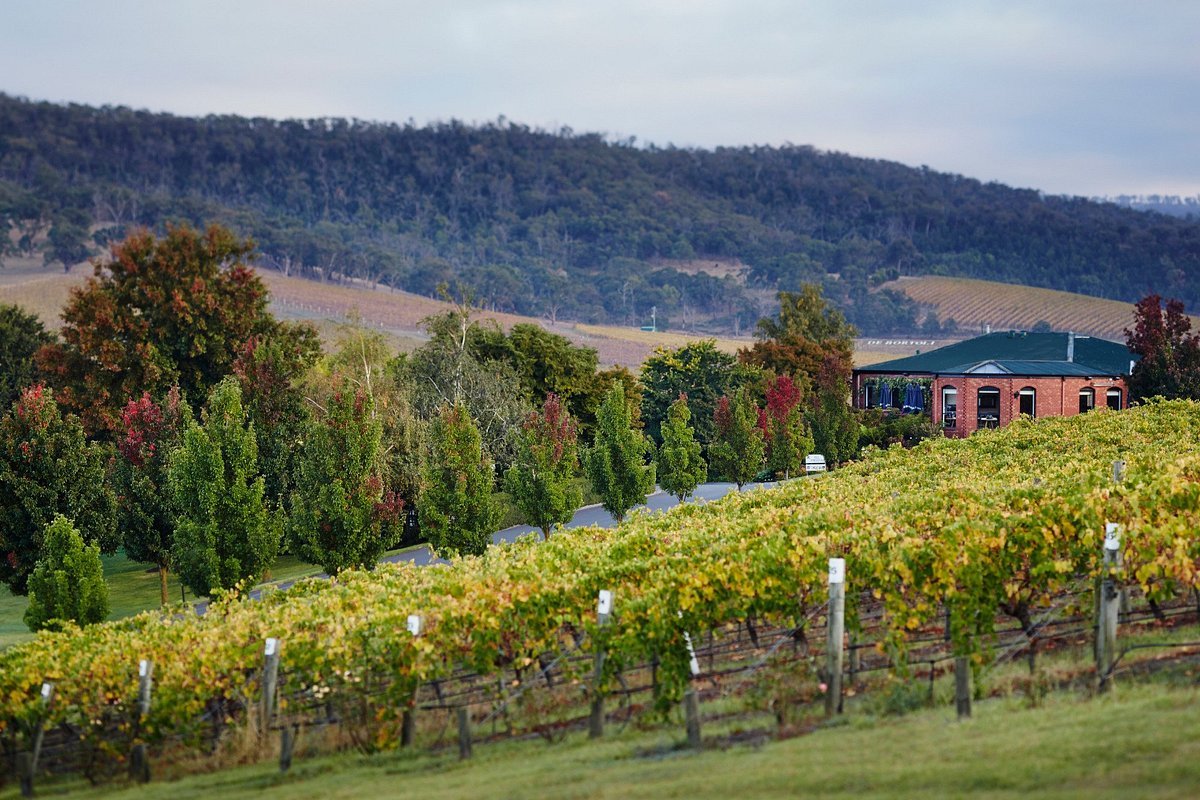
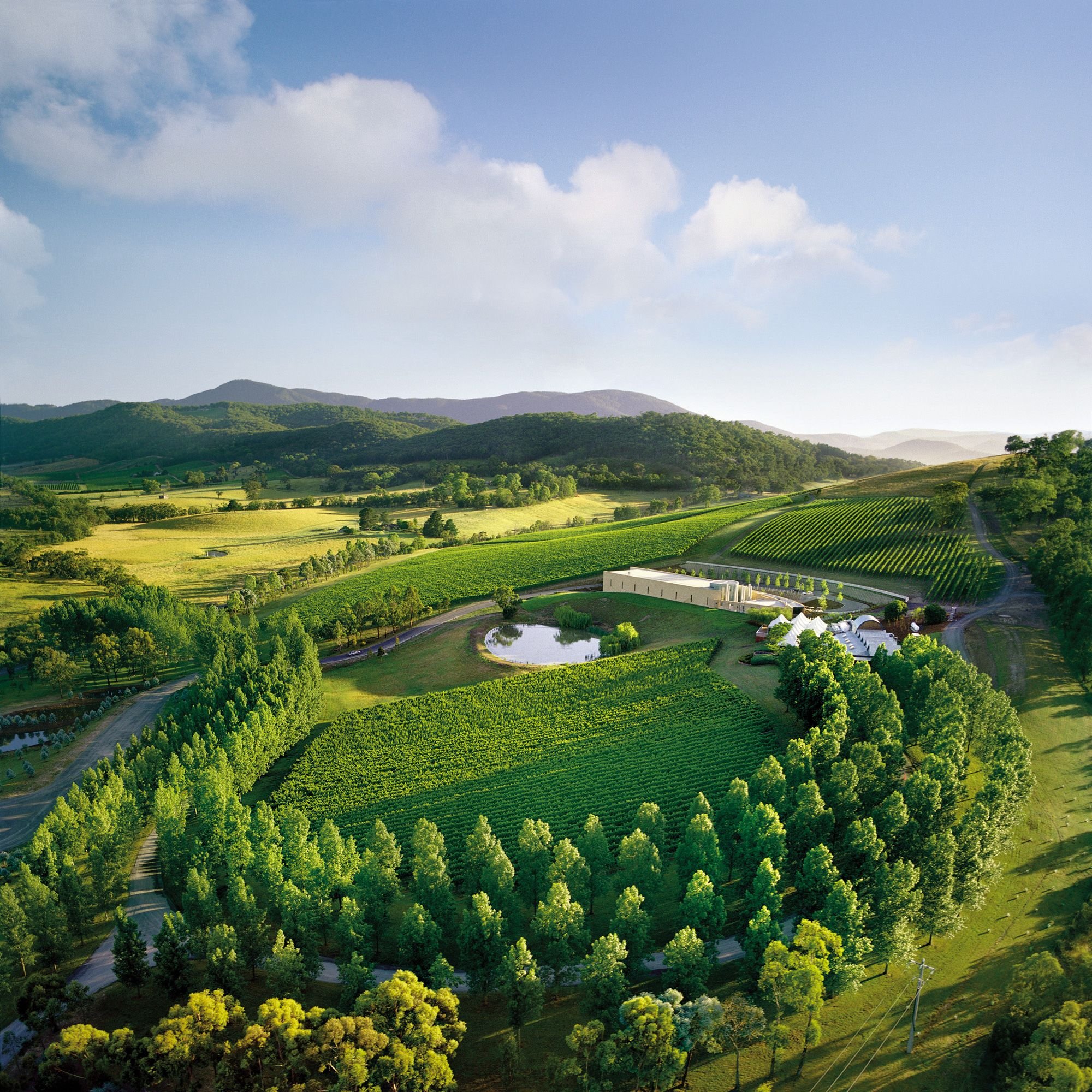
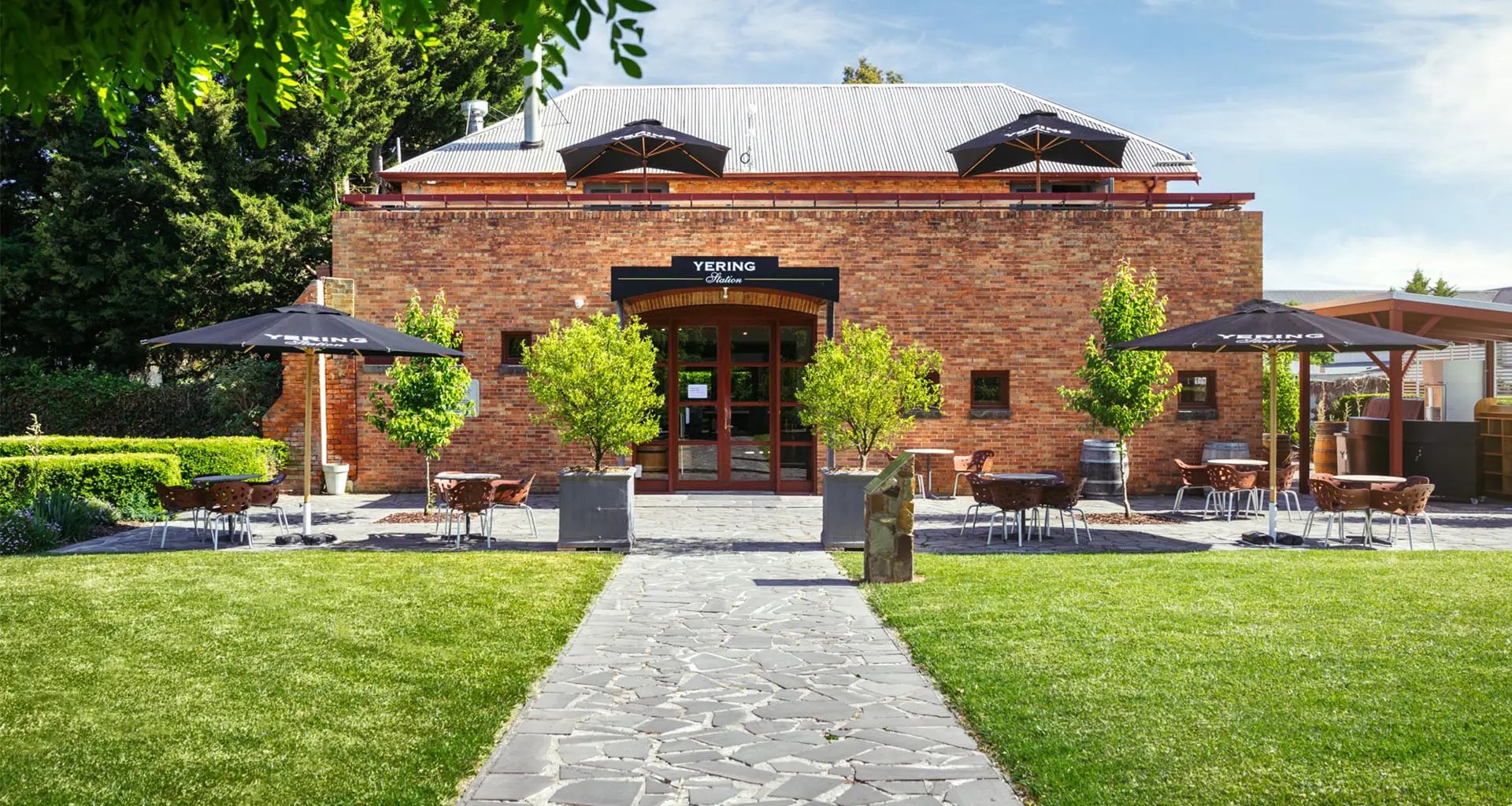
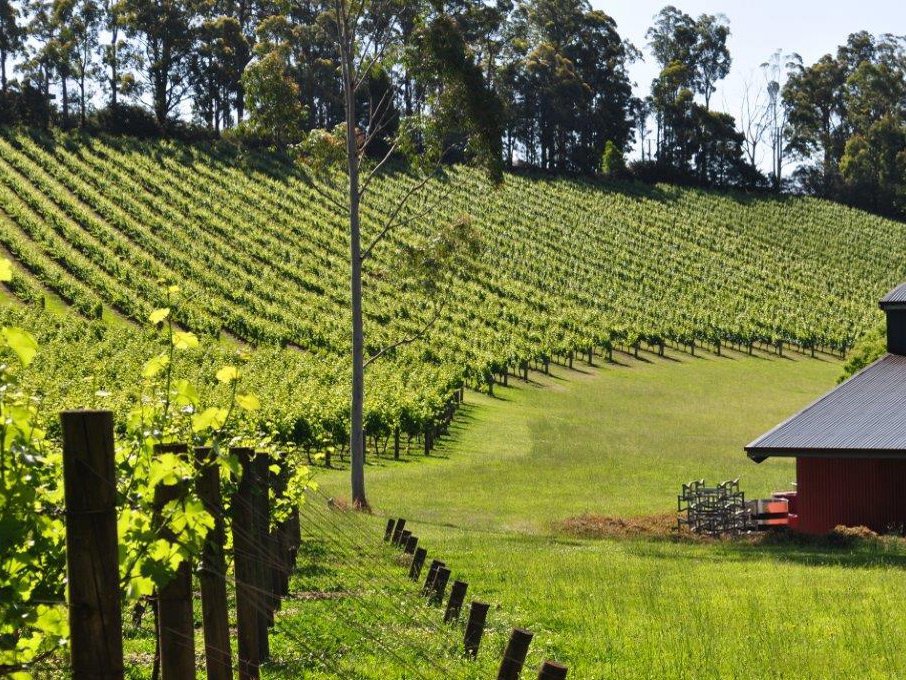
Yering Station reads like a refined country estate: historically weighted, quietly prestigious and rooted in the Yarra Valley’s cool‑climate story. The writing frames the property as part of the region’s upper bracket, earning critical recognition and a Pearl 3 Star Prestige award that signals serious vinous intent. The landscape—rows of vines, low horizon ranges and heritage buildings—provides a composed, classic backdrop that elevates the tasting experience. Overall the tone is sophisticated and measured: this is a place where provenance and craft matter more than flash, and where the setting reinforces the impression of long-standing quality.
Best For
Yering Station is best for people who come to learn about the Yarra Valley’s cool‑climate signature and for serious wine buyers and collectors seeking context as well as flavour. The description emphasises cellar‑door visits that are structured around the wines themselves, making the estate well suited to tasting sessions that explore Pinot Noir and Chardonnay in detail. Its critical recognition and heritage setting also make it an appropriate stop for milestone visits or celebratory moments that centre on exceptional bottles rather than casual retail browsing.
Tasting Tips
Approach a visit with a tasting mindset: the estate prioritises experiences focused on the wines rather than quick retail transactions. Ask staff to frame pours in the context of the property’s history and cool‑climate expressions—Pinot Noir and Chardonnay receive particular attention in the narrative. Leave time to absorb the estate setting as part of the tasting; the property’s scale and heritage are described as integral to how each pour is understood. If you’re a collector, surface questions about the estate’s prestige and critical reception to guide deeper conversation.
Venue details
Ambiance
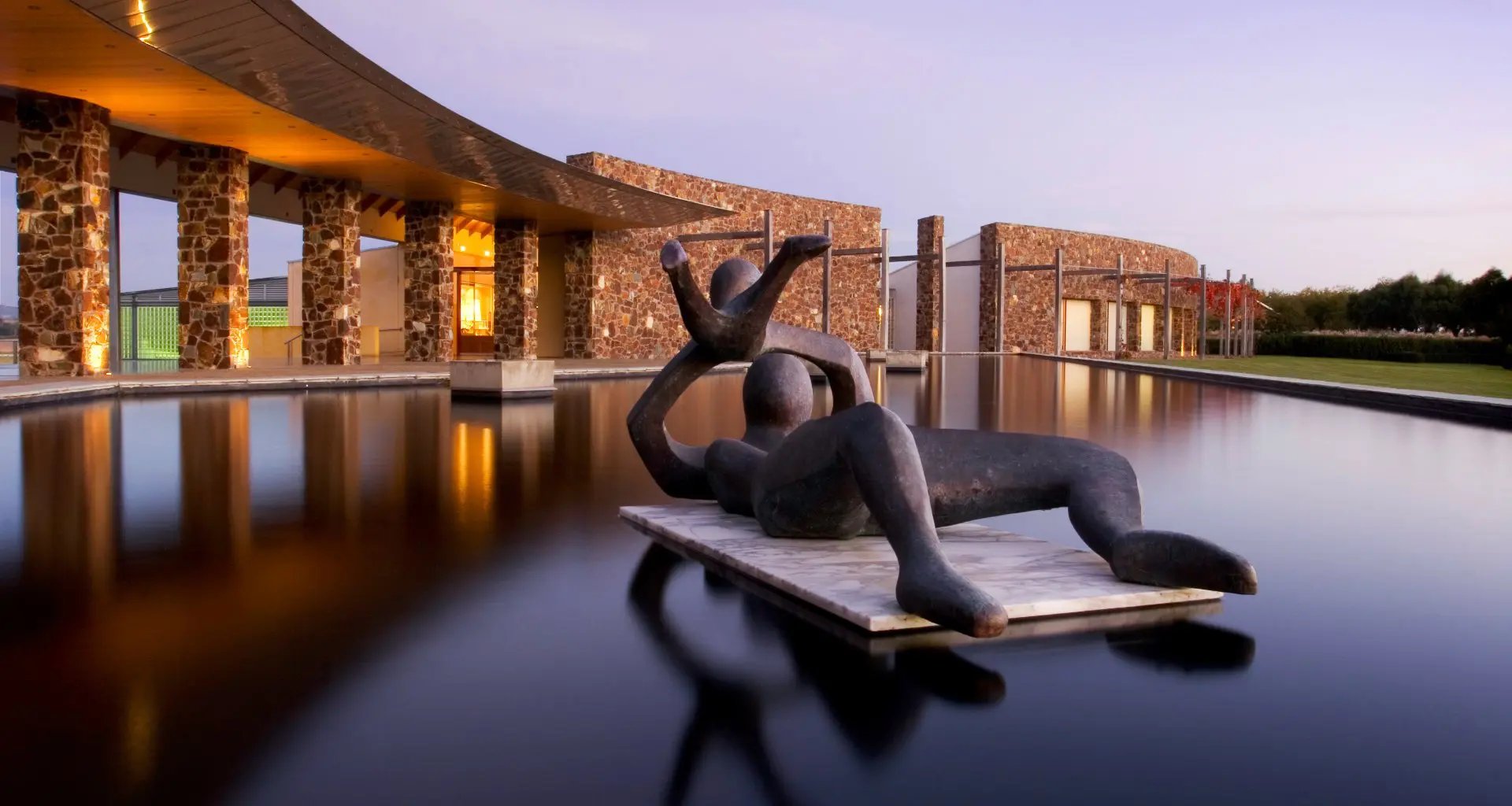
Architect-designed glass and steel restaurant with large windows offering spectacular views, blending modern and rustic elements in a comfortable, elegant setting.
Tags
Vibe
Best For
Experience
View
Accessibility
At the Vineyard
- Appellation
- Yarra Valley
- Varietals
- Pinot Noir, Shiraz, Viognier, Chardonnay, Cabernet Sauvignon
- Tour Duration
- 60-90 minutes
- Visits
- By reservation
- Production
- Mid-size producer
- Wine Styles
- Still Red, Still White, Still Rose, Sparkling
- Food Pairing
- Offered
- Shipping
- Available
- Wine Club
- Not available
Know before you go
Know Before You Go
- Getting there
- 38 Melba Hwy, Yering VIC 3770
Planning details
Location
Also consider
If you cannot get the timing you want
Try Dominique Portet for a refined Yarra Valley alternative that still works well for couples and small groups. For a more food-led plan, look at Oakridge Wines.
Winery context
How it compares in Yarra Valley
Choose Yering Station when the experience needs to feel polished and occasion-ready. Yeringberg and Mount Mary are stronger cross-shops for collectors or guests who care more about producer scarcity than setting, but they are less obvious choices for a broad group with mixed wine knowledge.
Domaine Chandon - Australia is the better fit if the group wants sparkling wine energy and a more destination-style outing. Oakridge Wines is the sharper comparison for food-led planning, especially if lunch is the anchor. Yering Station sits between those poles: more occasion-friendly than a bare-bones cellar door, less specialist than the smaller collector names.
Dominique Portet is the closest alternative for a refined but approachable Yarra Valley day. Pick Dominique Portet if the brief is lighter and more relaxed; choose Yering Station if the group needs a more formal-feeling anchor venue.
Explore Yarra Valley
Around this place
Discover more on Pearl
Unlock the full Yering Station guide in Pearl, including awards, comparisons, FAQs, planning details, and nearby places.
Compare Yering Station
| Venue | Location | Awards |
|---|---|---|
| Yering Station | Yarra Valley | No published awards |
| Yeringberg | Yarra Valley | No published awards |
| Domaine Chandon - Australia | Coldstream | No published awards |
| Mount Mary | Yarra Valley | 2026 Falstaff Winery Guide |
| Oakridge Wines | Yarra Valley | 2026 Falstaff Winery Guide |
| Dominique Portet | Yarra Valley | No published awards |

How Yering Station Yarra Valley Guide compares with similar nearby venues.
FAQ
Frequently Asked Questions
What other venues should I compare with Yering Station?
Useful comparison points include Yeringberg, Domaine Chandon - Australia, Mount Mary, Oakridge Wines, and Dominique Portet. Confirm current details with each venue before deciding.
Does Yering Station serve food?
When is the best time to visit Yering Station?
Plan around the venue's current official information and confirm timing before travelling to Yarra Valley.
Is there a dress code at Yering Station?
Yes. The dress code for Yering Station is smart casual.
Can Yering Station handle large groups?
Contact Yering Station directly before planning for a larger party.