
Delille Cellars
Hollywood District, Woodinville
Winery in Woodinville, United States
 Book with Pearl
The Read
Columbia Valley Bordeaux Precision
Price
$20–30tasting
Why go
Delille Cellars is worth prioritizing if the goal is a polished Woodinville winery visit with a stronger sense of setting than a quick tasting-room stop. It suits repeat visitors, small groups, and Washington wine drinkers who want the appointment to anchor the day rather than fill a gap between other plans.
About Delille Cellars
Is Delille Cellars worth visiting in Woodinville? Yes, if the plan is a considered stop built around a venue with confirmed Pearl 3 Star Prestige recognition for 2025. Delille Cellars can be a Woodinville anchor, but confirm current visit logistics directly before you go.
Delille Cellars is in Woodinville, Jason Gorski is listed as chef/owner, the dress code is smart casual, and the venue holds Pearl 3 Star Prestige recognition for 2025. Specific claims about service format, food, pricing, seating, hours, shipping, or particular offerings should be checked with the venue rather than assumed.
Choose it when the setting matters
The strongest reason to prioritize Delille Cellars is that it can serve as a considered Woodinville stop rather than a casual add-on. The practical move is to build in enough planning time: confirm current logistics and any visit requirements directly with the venue.
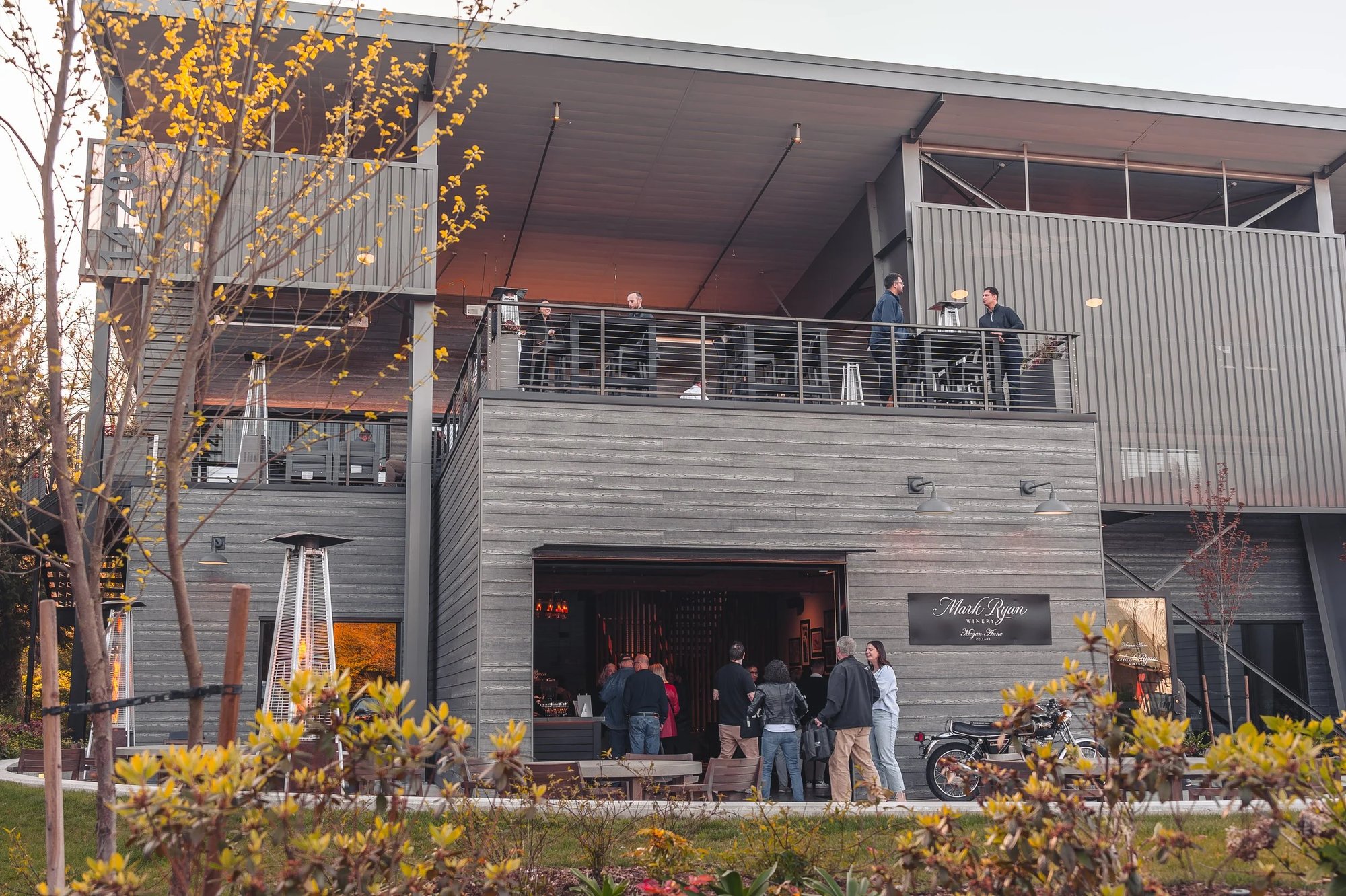
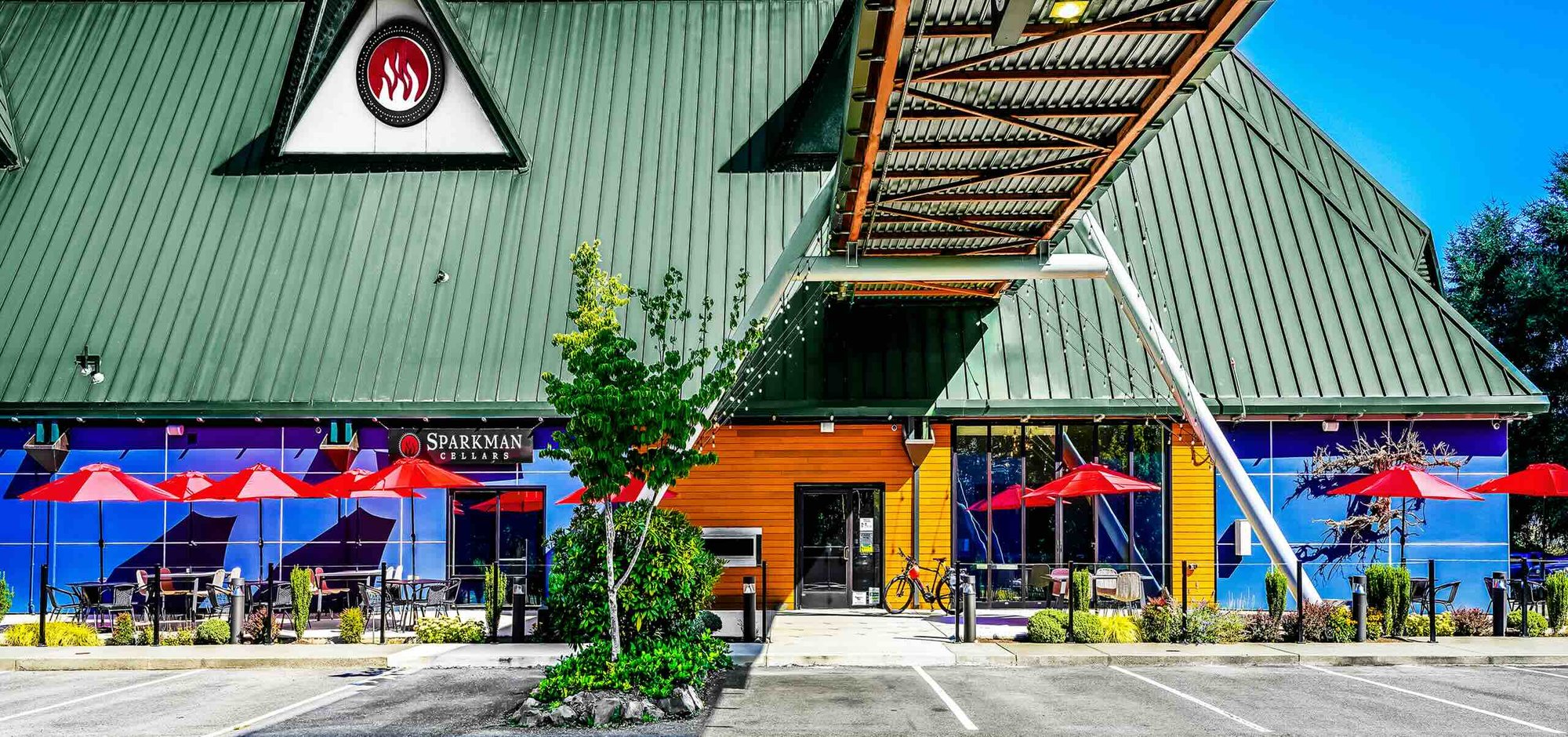
For a Woodinville itinerary, Delille Cellars is best understood as a centerpiece option. If you are comparing other names, Sparkman Cellars or Mark Ryan Winery may also be worth considering for the same outing, depending on the kind of day you want to assemble. The key is not to overstate the differences without current details from each venue.
Who should prioritize it, and who should cross-shop
Prioritize this for visitors who want a more deliberate Woodinville plan and who value a smart-casual setting with confirmed Pearl 3 Star Prestige recognition. It is also a sensible choice for anyone who wants to make one Woodinville stop feel more intentional, provided the current visit details fit the day.
Januik Winery (Novelty Hill) is a practical cross-shop for another established option. Mark Ryan Winery, Sparkman Cellars, Betz Winery, and Westland are also useful names to consider when building a broader itinerary. For broader planning around town, use the full Woodinville guide alongside Woodinville restaurants, Woodinville hotels, Woodinville bars, and Woodinville experiences. Taken together, those comparisons make Delille Cellars easiest to understand as a Woodinville option rather than simply another name to fit into an already crowded route.
Planning details
- Location
- 14300 NE 145th St Suite 101, Woodinville, WA 98072
- Website
- delillecellars.com
- Phone
- +1 425-489-0544
The take
The Take
The Vibe
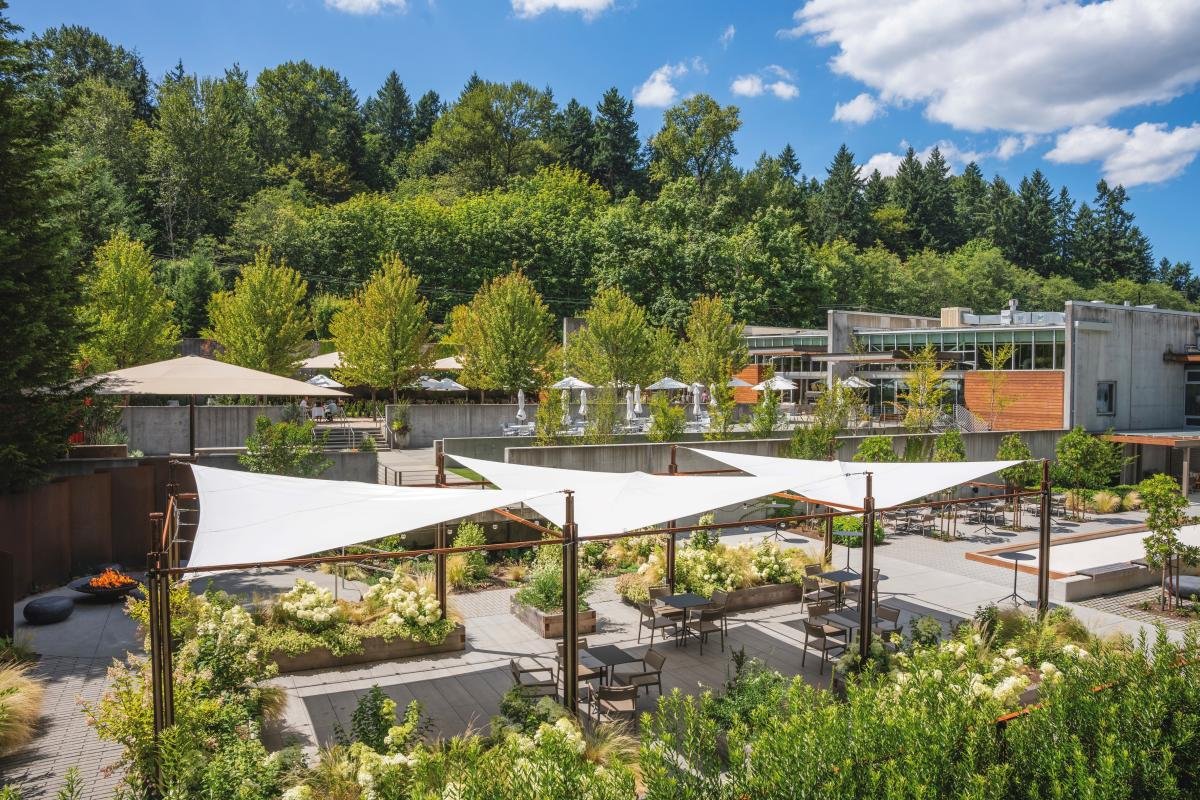
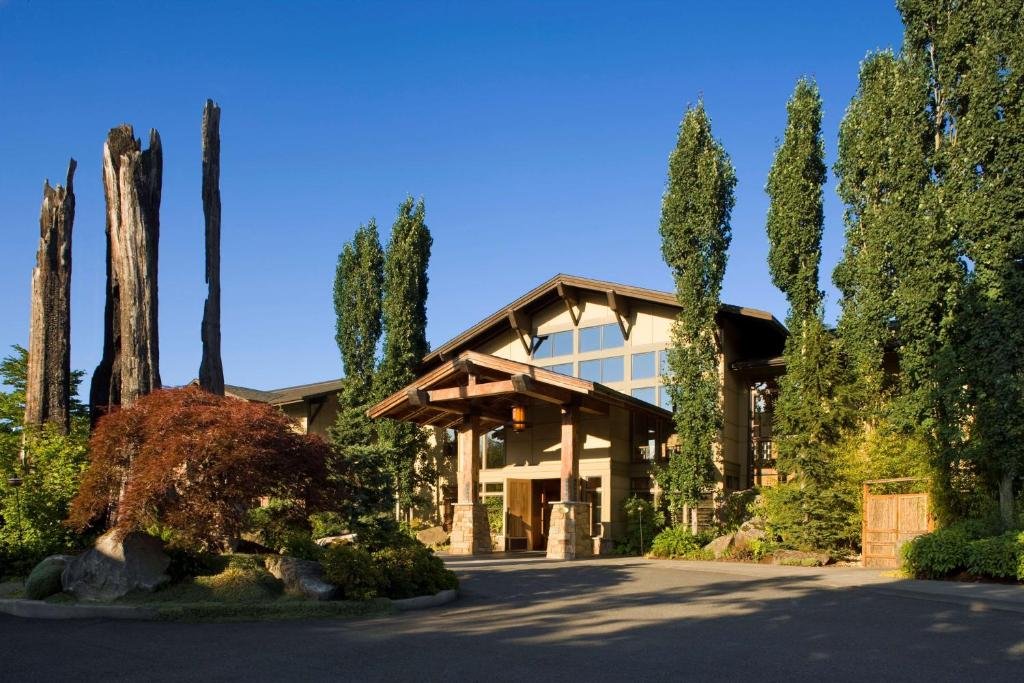
Delille Cellars sits squarely in Woodinville’s tasting-room tradition: an industrial-warehouse exterior that yields a deliberately designed interior and a tasting format rooted in production. Founded in 1994, the winery reads as part of Washington’s early push to make Bordeaux-style blends the region’s signature statement. The place feels measured rather than flashy, where the conversation centers on vineyard sites, soil, and variety rather than décor. Because hospitality and winemaking share the same footprint, visits feel purposeful and direct — you’re tasting wine that is presented as the end result of a clear viticultural and blending argument.
Best For
Delille is best for visitors who come to learn about Washington Bordeaux blends and how vineyard sourcing shapes wines. Its placement in Woodinville’s tasting-room cluster makes it a natural stop on a group tasting circuit or an educational outing focused on terroir and blending. The setting suits people who want to discuss vineyard sites and stylistic decisions with staff and to sample wines that represent Red Mountain, Walla Walla, Yakima Valley and Horse Heaven Hills fruit. It’s a solid pick for focused wine-education visits and group tastings that prioritize conversation over spectacle.
Tasting Tips
When you arrive, orient your tasting around Delille’s Bordeaux blends and ask which vineyard sites are in each bottling; the write-up emphasizes blending across Red Mountain, Walla Walla, Yakima Valley and Horse Heaven Hills. Ask staff how fruit from those AVAs contributes to structure, tannin and acidity, and request examples that showcase single-site character versus assembled blends. Because production and hospitality share a footprint, ask about winemaking choices you can taste — extraction, oak use, and blending rationale — so your tasting becomes a concise lesson in Washington’s approach to Bordeaux varieties.
Venue details
Ambiance
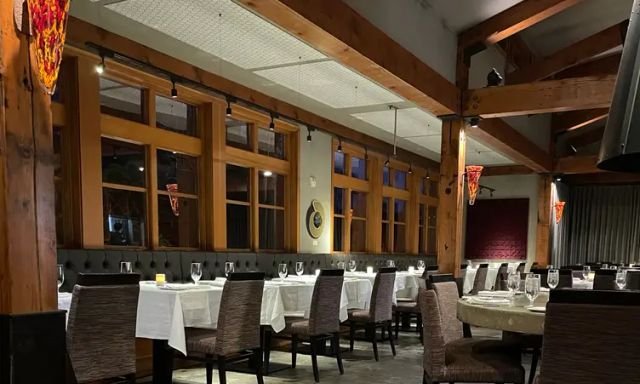
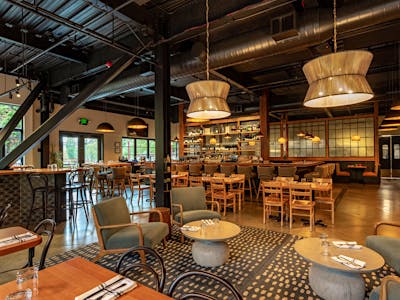
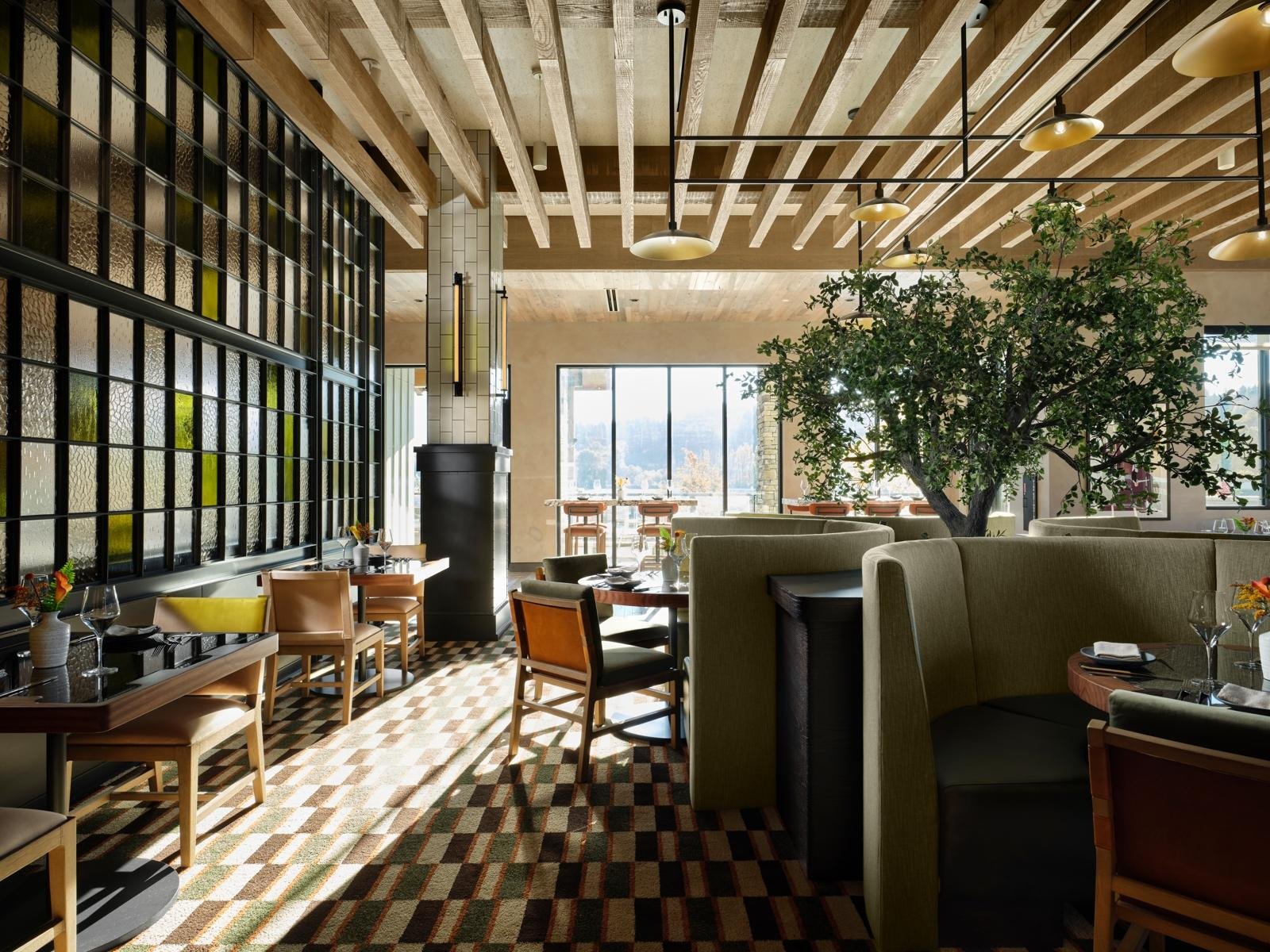
Bright lounge with vintage furniture, gold murals, and a casual class atmosphere enhanced by indoor-outdoor seating and Mount Rainier views from the rooftop.
Tags
Vibe
Best For
Experience
Sourcing
View
At the Vineyard
- Appellation
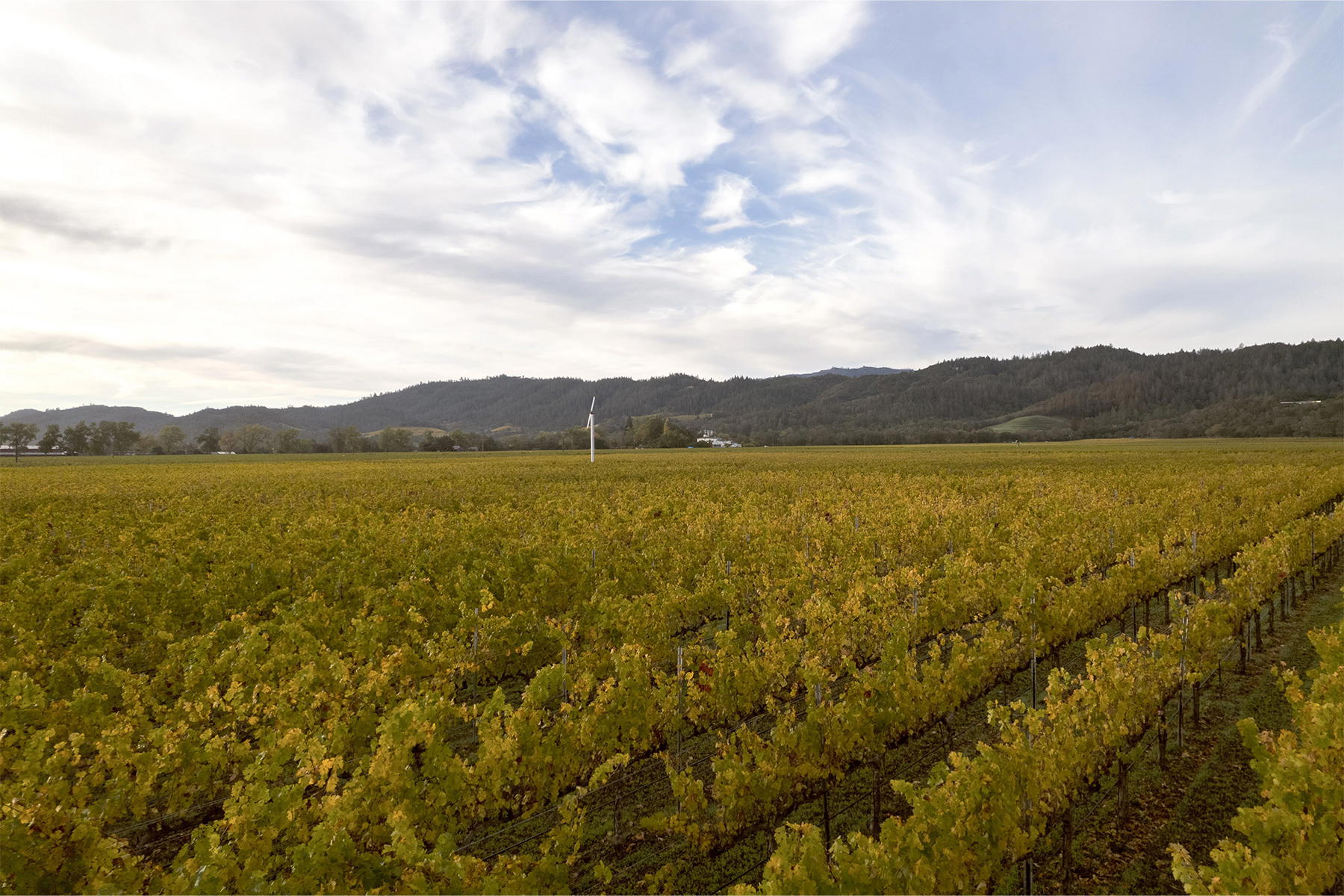
- Red Mountain AVA
- Varietals
- Cabernet Sauvignon, Merlot, Cabernet Franc, Syrah, Roussanne
- Tour Duration
- 90 minutes
- Visits
- By reservation
- Farming
- Sustainable
- Production
- Boutique
- Wine Styles
- Still Red, Still White
- Food Pairing
- Offered
- Shipping
- Available
- Wine Club
- Available
Know before you go
Know Before You Go
- Getting there
- 14300 NE 145th St Suite 101, Woodinville, WA 98072
Planning details
Location
Recognition and awards
Also consider
If you cannot get in
Try Januik Winery (Novelty Hill) first if the goal is another serious Woodinville winery stop. For a more casual pivot, look at Sparkman Cellars or Mark Ryan Winery.
Winery context
How it compares in Woodinville
Delille Cellars is the stronger choice when ambiance and a more composed visit matter. Sparkman Cellars and Mark Ryan Winery are better cross-shops for a more flexible tasting-room day, especially if the group wants a quicker stop with less planning pressure.
Januik Winery (Novelty Hill) is the closest practical alternative for visitors who want another established Woodinville winery experience rather than a purely casual pour. If Delille Cellars is difficult to secure, start there before widening the search.
Betz Winery and Westland sit outside the immediate Woodinville tasting-room comparison in feel and use case. Treat them as broader beverage-focused alternates, not direct substitutes for a winery appointment built around setting, Washington wine context, and a polished Woodinville stop.
Around this place
Discover more on Pearl
Unlock the full Delille Cellars guide in Pearl, including awards, comparisons, FAQs, planning details, and nearby places.
Compare Delille Cellars
| Venue | Location | Awards |
|---|---|---|
| Delille Cellars | Woodinville | 2025 Pearl 3 Star Prestige |
| Sparkman Cellars | Woodinville | No published awards |
| Mark Ryan Winery | Woodinville | No published awards |
| Januik Winery (Novelty Hill) | Woodinville | No published awards |
| Betz Winery | Redmond | 2025 Pearl 3 Star Prestige |
| Westland | Seattle | No published awards |
How Delille Cellars Woodinville compares with similar nearby venues.
FAQ
Frequently Asked Questions
Does Delille Cellars ship items?
Check directly with Delille Cellars for shipping details before you go, especially if taking purchases home is an important part of the visit. The confirmed Pearl 3 Star Prestige (2025) recognition makes it a notable Woodinville stop.
Can Delille Cellars handle large groups?
If you are planning anything beyond a simple visit, contact Delille Cellars directly for current guidance. If you need alternatives for the same outing, compare your plans with Sparkman Cellars or Mark Ryan Winery.
Is a membership at Delille Cellars worth joining?
Consider joining only after confirming the current terms directly with Delille Cellars and deciding whether they fit your plans. If you want to compare several venues first, consider Januik Winery (Novelty Hill) or Betz Winery before committing.
What should I start with at Delille Cellars?
Ask the team at Delille Cellars what they recommend starting with during your visit. Jason Gorski is the confirmed chef/owner, and current details should be checked through the venue's official channels.
What other venues should I compare with Delille Cellars?
For a comparison set, look at Sparkman Cellars, Mark Ryan Winery, Januik Winery (Novelty Hill), Betz Winery, and Westland. Delille Cellars has confirmed Pearl 3 Star Prestige (2025) recognition, while the other names are useful if you want to compare options for one outing. Keep the plan focused rather than trying to cover too many stops.
How long should I plan for a visit to Delille Cellars?
Confirm the current format directly with Delille Cellars before building the rest of your Woodinville itinerary around it. If you are comparing several venues, leave enough flexibility so the day does not feel rushed.