

Weingut Egon Müller
Wiltingen
Winery in Wiltingen, Germany
 Book with Pearl
The Read
Scharzhofberger Precision
Why go
Weingut Egon Müller is a wine estate in Wiltingen in Germany's Saar region.
About Weingut Egon Müller
Weingut Egon Müller is a Wiltingen venue with 5 Star Prestige recognition for 2025. Frame it as a prestige-led stop rather than making assumptions about service format, availability, pricing, or visit logistics.
Use this guide as a conservative planning note: the dress code is smart casual, and the recognition is 5 Star Prestige (2025). For anything more specific, including visit format, purchasing options, group suitability, or timing, check directly with the venue before making plans.
Worth planning around if the recognition matters to you
The clearest reason to prioritize Weingut Egon Müller is its 5 Star Prestige (2025) status. That makes it a strong candidate for travelers who are choosing Wiltingen stops based on recognized standing rather than on assumptions about menu, tasting structure, prices, or appointment policy.
Avoid treating availability, visit length, and pricing as settled facts unless you have checked directly with the venue. Plan with flexibility, and keep the expectation focused on the venue's Wiltingen location, smart-casual dress code, and recognition.
How to decide between this and other regional options
Choose Weingut Egon Müller if the 5 Star Prestige (2025) recognition is the deciding factor. If you are comparing other recognized names in the wider area, Weingut Van Volxem, Weingut Maximin Grünhaus, Weingut Nik Weis – St. Urbans-Hof, Weingut Reichsgraf von Kesselstatt, and Weingut Von Hövel are natural points of comparison, while other dining in Wiltingen can be considered separately for the rest of the day.
For planning, keep the comparison narrow and factual: Weingut Egon Müller is in Wiltingen, carries a smart-casual dress code, and has 5 Star Prestige (2025). Check any further details directly rather than assuming them from reputation or from broader regional expectations.
Planning details
- Location
- Scharzhofstraße, 54459 Wiltingen
- Website
- scharzhof.de
- Phone
- +49 6501 17232
The take
The Take
The Vibe
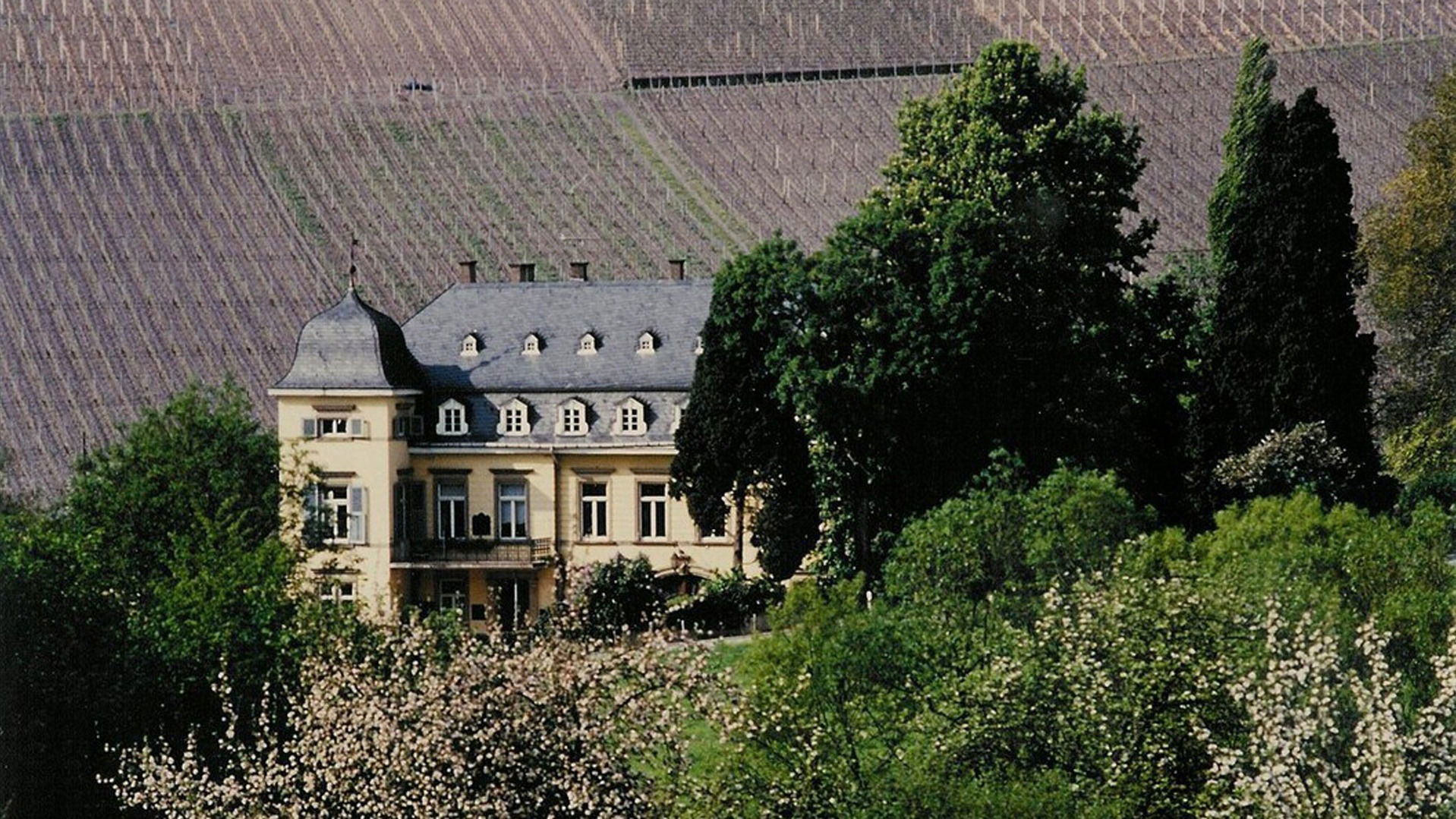
Weingut Egon Müller presents as a quietly authoritative reference for Saar Riesling, rooted in long familiarity and terroir-driven rigor. The narrative foregrounds a steep, south-facing Scharzhofberg site and deep Devonian slate soils, and the wines show the logic of cold‑climate Riesling: low alcohol, taut acidity and precisely balanced residual sugar. That concentrated, mineral-driven profile and century‑plus reputation give the estate a historic, museum‑caliber presence in the Mosel‑Saar conversation, where collectors and critics measure other producers against its benchmark bottlings.
Best For
This estate suits collectors, students of Riesling and anyone seeking a rigorous example of cold‑climate winemaking. The text frames Egon Müller as a place for wine education and close study of terroir-driven styles, and its auction‑house stature signals that bottles are also apt for special occasions or cellar investment. Solo exploration and focused tastings work especially well here — the wines reward attention to vintage, site and the interplay of acidity and residual sugar rather than casual, background drinking.
Tasting Tips
When seeking wines from this domaine, prioritize Scharzhofberg‑designated bottlings and the estate’s top selections; the copy singles out Trockenbeerenauslese lots as auction‑grade and historically high‑valued. Expect wines that emphasize low alcohol, high acidity and a mineral backbone rather than overt ripeness. For collectors, provenance and producer reputation matter: rare bottlings from Egon Müller command premium prices, so focus purchases on well‑documented vintages and entrants explicitly labeled from Scharzhofberg if you want the signature Saar profile described here.
Venue details
Ambiance
Elegant and refined with a focus on terroir-driven minerality and balance of acidity and sweetness in a historic setting.
Tags
Vibe
Best For
Experience
View
At the Vineyard
- Appellation
- Scharzhofberger
- Varietals
- Riesling
- Tour Duration
- 60-90 minutes
- Visits
- By appointment only
- Production
- Small producer
- Wine Styles
- Still White, Dessert
- Wine Club
- Available
Know before you go
Know Before You Go
- Getting there
- Scharzhofstraße, 54459 Wiltingen
Planning details
Location
Recognition and awards


Also consider
Also Consider
- Weingut Von Hövel, Notable alternative
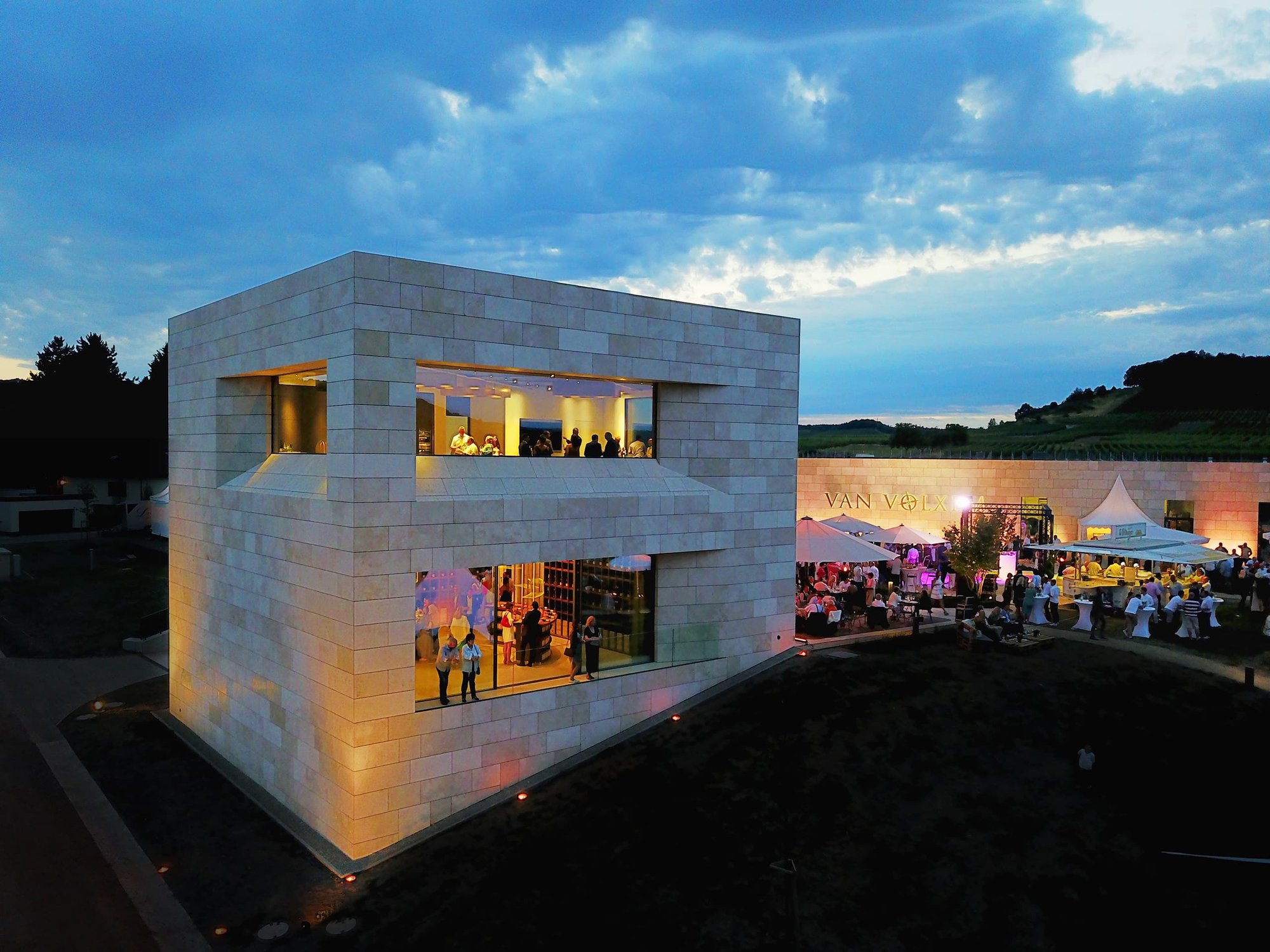
- Weingut Van Volxem, Notable alternative
- Weingut Reichsgraf von Kesselstatt, Notable alternative
- Weingut Maximin Grünhaus, Notable alternative
- Weingut Nik Weis – St. Urbans-Hof, Notable alternative
Winery context
How It Compares
Weingut Von Hövel, Weingut Reichsgraf von Kesselstatt, Weingut Maximin Grünhaus, and Weingut Nik Weis – St. Urbans-Hof all make sense for travelers building a broader Saar or Mosel wine route, but Weingut Egon Müller is the more prestige-driven call. Choose it when scarcity and producer status matter more than ease, breadth, or a relaxed tasting-room rhythm.
Weingut Van Volxem is the cleaner Wiltingen cross-shop for most travelers. It is the better practical pick when the group wants a less pressured stop, while Weingut Egon Müller is the splurge choice for collectors and Riesling-focused visitors who are willing to plan around access.
For value, start with Van Volxem or the wider. For ambiance, choose based on appetite for formality: Weingut Egon Müller suits a quieter, more serious wine day, while the alternatives are better if the itinerary needs flexibility and a broader regional feel.
Explore Wiltingen
Around this place
Discover more on Pearl
Unlock the full Weingut Egon Müller guide in Pearl, including awards, comparisons, FAQs, planning details, and nearby places.
Compare Weingut Egon Müller
| Venue | Location | Awards |
|---|---|---|
| Weingut Egon Müller | Wiltingen | 2026 Falstaff Winery Guide2025 World's 50 Best Vineyards · #48 |
| Weingut Von Hövel | Konz-Oberemmel | 2026 Falstaff Winery Guide |
| Weingut Van Volxem | Wiltingen | 2026 Falstaff Winery Guide |
| Weingut Reichsgraf von Kesselstatt | Trier | 2026 Falstaff Winery Guide |
| Weingut Maximin Grünhaus | Mertesdorf | No published awards |
| Weingut Nik Weis – St. Urbans-Hof | Leiwen | 2026 Falstaff Winery Guide |
How Weingut Egon Müller Wiltingen compares with similar nearby venues.
FAQ
Frequently Asked Questions
Is the wine club at Weingut Egon Müller worth joining?
Base that decision on details from the venue. Weingut Egon Müller is in Wiltingen, has a smart-casual dress code, and holds 5 Star Prestige (2025).
Can Weingut Egon Müller handle large groups?
Contact Weingut Egon Müller directly before planning a group visit in Wiltingen.