
Winery in Wildschönau, Austria
Krautinger Distillery
500ptsRoot-Vegetable Alpine Distillation
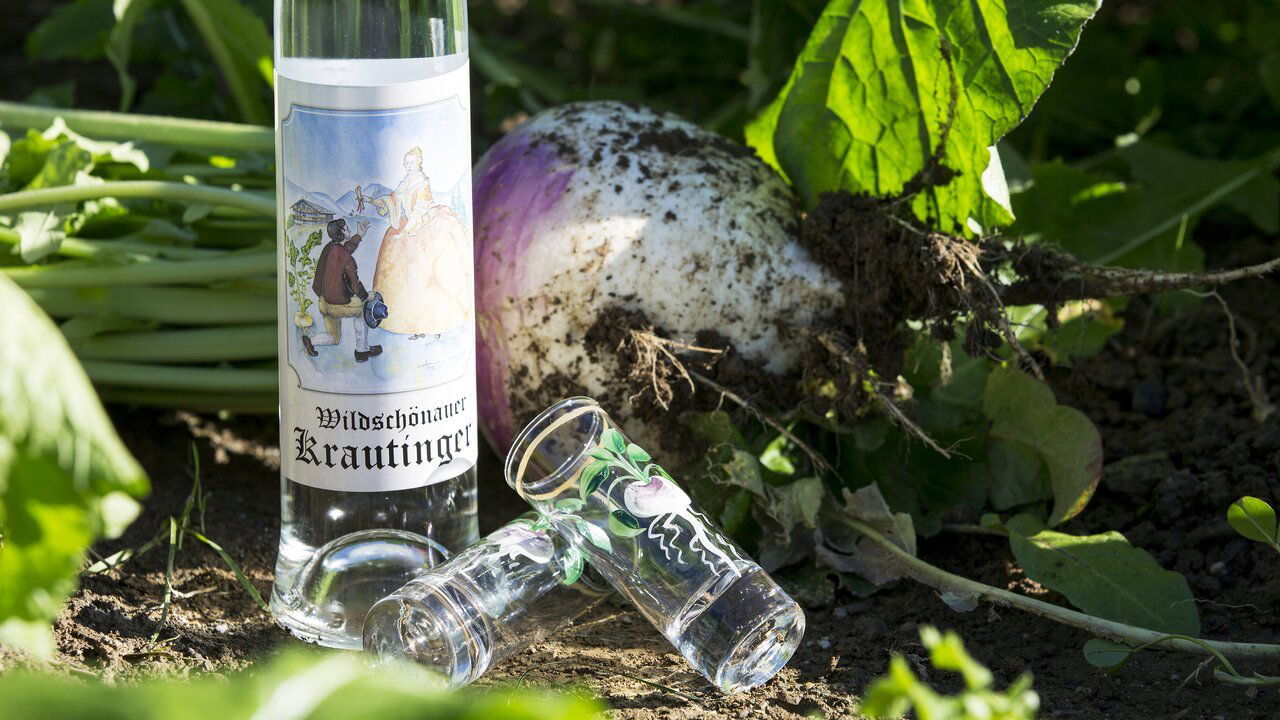
About Krautinger Distillery
Krautinger Distillery in Wildschönau, Austria, is one of the Tyrolean Alps' most respected addresses for traditional schnapps production, earning a Pearl 2 Star Prestige rating in 2025. Located in Oberau at the heart of the Wildschönau valley, the distillery draws on alpine terroir and centuries-old fruit distillation traditions. For visitors exploring the region's craft spirits scene, it represents a grounded, place-specific experience rather than a commercial showcase.
Alpine Distilling, Taken Seriously
The Wildschönau valley sits at an altitude that most Austrian spirits drinkers never visit in person. The drive up from the Inn Valley passes through progressively narrower terrain, and the farms that line the road have been producing distillates from local fruit for generations. Krautinger Distillery, at Endfelden 84 in Oberau, sits within this tradition, a tradition that predates any contemporary craft-spirits movement and that Austria's alpine communities have maintained largely on their own terms. The Krautinger name refers to a specific regional distillate category associated with the Wildschönau area, made from fermented root vegetables and historically consumed as a working farmer's spirit. That heritage is not incidental context. It is what defines the operation's relationship to place and separates it from the wave of Austrian distilleries that have emerged in lowland production zones over the past decade.
A Recognised Position Within Austria's Spirits Field
In 2025, Krautinger Distillery received a Pearl 2 Star Prestige designation, placing it among a tier of Austrian producers that have attracted structured critical assessment rather than passing regional interest. That recognition matters because the Austrian spirits sector is crowded at the artisan end. Producers from Styria to the Burgenland have invested in copper pot stills and premium packaging, and the signal-to-noise ratio for consumers is not always easy to read. A Pearl 2 Star Prestige result functions as a filtering mechanism, one that indicates the production here has been evaluated against peers and has cleared that bar. For comparison, Austria's wine producers operating at equivalent prestige levels include Weingut Bründlmayer in Langenlois and Weingut Emmerich Knoll in Dürnstein, both of whom occupy their respective regional categories with similar clarity of purpose. The Krautinger designation signals a comparable seriousness of intent within distillation.
The Krautinger Tradition and Why It Is Specific to This Valley
The Krautinger spirit category is geographically particular. It is associated specifically with the Wildschönau and draws on fermented turnip or root vegetable mash, which gives the base distillate a character distinctly different from the fruit brandies that define much of Austria's broader schnapps production. In regions like the Wachau or southern Styria, distillation tradition runs through orchard fruit, apricots, pears, and quince. In the Wildschönau, the agricultural base was different, and the spirit that developed reflected the raw materials available at altitude. That is not a disadvantage in the current market. Producers with a defined geographic identity and a genuinely differentiated base ingredient occupy a more defensible position than those working with the same fruit sources as dozens of competitors. Austrian distilleries with notable geographic specificity, such as Weingut Scheiblhofer Distillery in Andau or 1310 Spirit of the Country Distillery in Sierning, each operate within particular regional frameworks. Krautinger's is among the most historically specific of any Austrian producer.
Placing the Distillery Within the Wildschönau Context
Wildschönau is a four-village community at altitude in the Kitzbühel Alps, and its culinary and agricultural character is shaped more by farming and pastoral tradition than by tourism infrastructure. Visitors who arrive expecting the kind of polished tasting room experience found at lower-altitude Austrian estates will need to recalibrate. This is a working production environment in a working agricultural valley. The address at Endfelden in Oberau is not a tourist corridor. It sits within a community that has maintained alpine food and drink traditions because those traditions are functional, not because they have been packaged for outside consumption. That distinction is part of what makes a visit to the distillery — or engagement with its products — carry a different weight than purchasing from a brand that has built presentation around a tradition it has adopted rather than inherited. The Brennerei Kirchbichler is another producer operating within this same Wildschönau context, and the valley's concentration of traditional distillation makes it a destination for those following Austrian spirits with regional seriousness. For broader orientation across what the area offers, our full Wildschönau restaurants guide maps the hospitality character of the valley in more detail.
Production Philosophy at Altitude
Austrian alpine distillation operates under different constraints and different incentives than lowland production. Yields from root vegetables and high-altitude orchards are smaller, harvest windows are compressed, and transport logistics add friction that larger valley-floor operations do not face. The producers who persist in this environment do so because the character of the distillate justifies the complication. The Krautinger category, specifically, has survived not because it is easy to produce or to market, but because it tastes like nowhere else. The fermentation of root vegetable mash produces an earthier, more mineral-inflected base than fruit mash, and the distillation of that base at altitude requires attention to detail that scale-focused producers do not typically apply. Among Austrian producers working with comparable precision at the smaller end of the production scale, A. Batch Distillery in Bergheim and 1404 Manufacturing Distillery in Sankt Peter-Freienstein offer different regional reference points for what small-batch Austrian spirits production looks like outside the alpine zone.
Comparing Austrian Distillation to the Wine Peer Set
Austria's fine wine producers have spent several decades building international credibility through appellation clarity, variety specificity, and consistent critical recognition. The country's spirits producers are on a shorter timeline but are beginning to receive comparable structured scrutiny. The Pearl 2 Star Prestige designation for Krautinger Distillery reflects that maturing critical infrastructure. Austrian wine estates that have operated at prestige level for longer, including Weingut Kracher in Illmitz, Weingut Pittnauer in Gols, Weingut Wohlmuth in Kitzeck, and Weingut Heinrich Hartl in Oberwaltersdorf, provide a useful frame for how regional identity and critical recognition intersect in Austrian production. The distillery sector is tracking a similar path, and Krautinger's 2025 recognition puts it in that conversation. International comparison is instructive too: Scotch single malts like Aberlour in Aberlour have long demonstrated how geographic specificity can anchor a spirit's identity globally, while Napa producers like Accendo Cellars in St. Helena show how prestige recognition functions in a different premium category. Vienna's 1516 Brewing Company Distillery represents the urban end of Austria's craft spirits spectrum, a contrast that underlines how different Wildschönau's production context is.
Planning a Visit
Wildschönau is accessible from Innsbruck, roughly an hour by road via the A12 and then south into the valley. The distillery address at Endfelden 84, Oberau places it in one of the four valley communities, and visitors should plan accordingly, as the valley does not have a single central hub. Phone and website details are not currently listed in EP Club's database, so the most reliable approach is to contact the distillery through local Wildschönau tourism channels before visiting. Given the working production nature of the site, arrival without advance contact is not advisable. The valley rewards those who treat it as a destination in its own right rather than a side stop from a Kitzbühel ski itinerary, and the combination of Krautinger Distillery and Brennerei Kirchbichler gives serious spirits visitors a coherent reason to spend meaningful time in the area.
FAQ
- How would you describe the overall feel of Krautinger Distillery?
- It is a working alpine distillery in the Wildschönau valley, operating within a centuries-old regional tradition rather than a contemporary craft-spirits aesthetic. The setting is agricultural and specific to place. The Pearl 2 Star Prestige recognition it received in 2025 confirms that what is produced here has been assessed against a wider field and is taken seriously at that level. Price details are not currently in the EP Club database.
- What is the spirit to seek out at Krautinger Distillery?
- The Krautinger category itself is the defining product: a root vegetable-based distillate specific to the Wildschönau and unlike anything produced in Austria's wine or fruit-brandy regions. There is no winemaker here in the conventional sense, and the Wildschönau is not a wine region. The distillate tradition is the relevant frame, and it is as geographically rooted as any Austrian appellation. The 2025 Pearl 2 Star Prestige award is the relevant credentialing signal.
- What is the main draw of Krautinger Distillery?
- The combination of geographic specificity and critical recognition. The Krautinger spirit category exists essentially here, making Wildschönau the only address where you can encounter the tradition in its original production context. The 2025 Pearl 2 Star Prestige designation adds a layer of external validation. Price and booking details are not currently available through EP Club's database, so direct contact via Wildschönau tourism channels is the recommended first step.
Related editorial
- Best Fine Dining Restaurants in ParisFrom three-Michelin-star icons to the next generation of Parisian chefs pushing boundaries, these are the restaurants that define fine dining in the world's culinary capital.
- Best Luxury Hotels in RomeFrom rooftop terraces overlooking ancient ruins to Michelin-starred hotel dining, these are the luxury hotels that make Rome unforgettable.
- Best Cocktail Bars in KyotoFrom sleek lounges to hidden speakeasies, Kyoto's cocktail scene blends Japanese precision with global influence in ways you won't find anywhere else.
Save or rate Krautinger Distillery on Pearl
Keep this venue in your Pearl passport, rate it after you visit, and track it alongside every other place you collect.