Stinson Vineyards
White Hall
Winery in White Hall, United States
 Book with Pearl
The Read
Blue Ridge Terroir Precision
Why go
Stinson Vineyards is worth prioritizing if you want a focused White Hall winery stop with a stronger access-and-allocation angle than a casual tasting-room visit. Treat the wine club as a commitment for repeat Virginia wine buyers, not an automatic bargain for one-time visitors.
About Stinson Vineyards
Stinson Vineyards is a White Hall venue with Pearl 2 Star Prestige recognition for 2025. Information about Stinson Vineyards is limited, so the safest way to plan around it is to treat it as a White Hall stop rather than assume specific visit formats, food service, pricing, group capacity, or visit length.
The dress code is casual. Beyond that, details such as reservations, offerings, hours, and pricing should be checked directly with Stinson Vineyards before you build an itinerary around them.
A focused White Hall stop for travelers
Use Stinson Vineyards as a focused White Hall stop, especially if its Pearl 2 Star Prestige (2025) recognition makes it a priority for your trip. Because a specific service format or estate experience is not established, avoid assuming that it will function as a full-day destination without confirming current details first.
For a broader regional plan, compare Stinson Vineyards with options such as White Hall Vineyards, Pollak Vineyards, Septenary Winery at Seven Oaks Farm, Chiswell Farm & Winery, Grace Estate Winery, or other dining in White Hall.
The planning decision is about current details, not assumptions
Do not plan around any specific offering, policy, or availability unless Stinson Vineyards confirms the current details directly. Stinson Vineyards is a recognized White Hall venue, however pricing, food service, hours, reservations, and other operational details should be confirmed directly.
Quick reference: best for travelers who want to include a Pearl 2 Star Prestige (2025) White Hall venue in a casual itinerary; less useful for anyone who needs pricing, food service, hours, or reservation details before deciding.
Planning details
- Location
- 4744 Sugar Hollow Rd, Crozet, VA 22932
- Website
- stinsonvineyards.com
- Phone
- +1 434-823-7300
The take
The Take
The Vibe
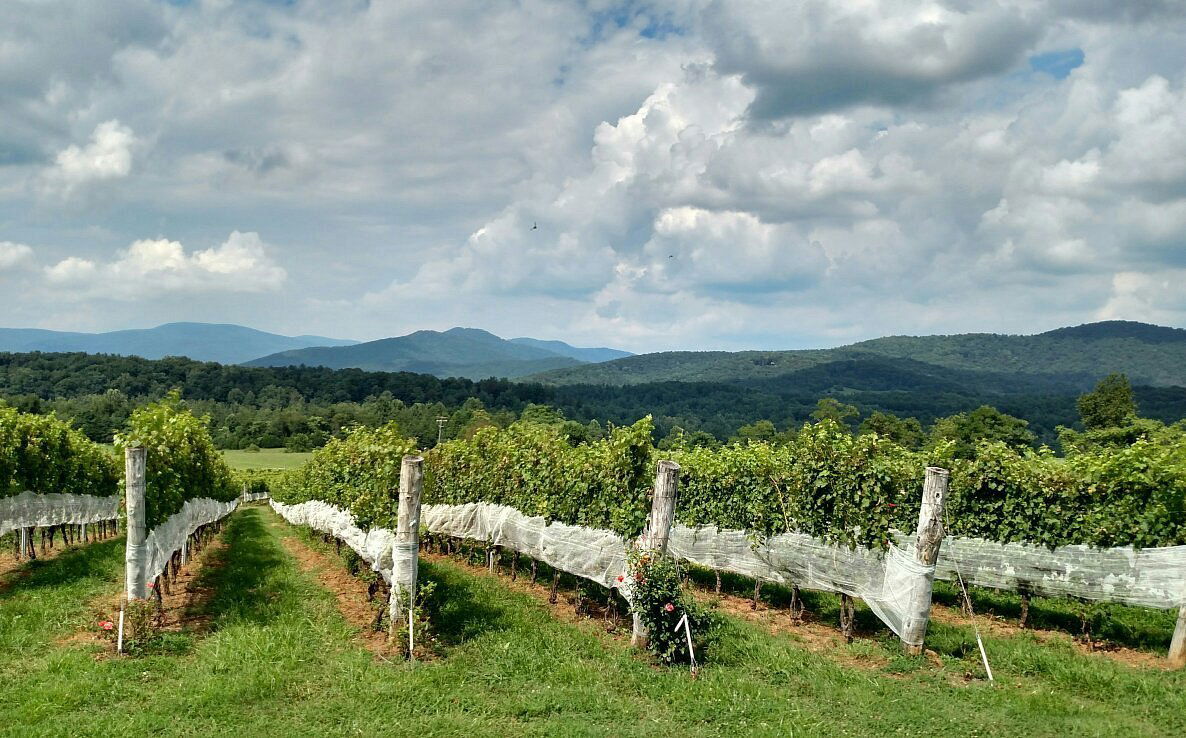
Stinson Vineyards reads like a study in site-driven winemaking. Set in the foothills of the Blue Ridge, the property projects a contemplative, sophisticated calm: cool nightly air, afternoon shade and granite- and schist-derived soils combine to create a terroir-forward identity. The writing stresses careful, place-based farming rather than showy hospitality theatrics, so the overall impression is quietly assured and cerebral. For visitors interested in how mountain influence shapes acidity and phenolic development, Stinson feels tailored to thoughtful tasting and close observation of the land’s influence on the bottle.
Best For
This is a destination for people who come to learn and to pay attention. Wine students, solo explorers and anyone curious about Virginia’s evolving appellation map find value here: the copy traces microclimate, soil and orographic effects and highlights an EP Club Pearl 2 Star Prestige recognition that signals regional quality. It suits slow, educational visits rather than loud group hangouts — tastings and conversations that compare varietal expression and site character are the primary draw, making it ideal for serious wine study and reflective visits.
Tasting Tips
When visiting, frame your tasting around terroir: ask to compare bottles that showcase the Crozet corridor’s granite and schist influence, and request examples that reveal how the Blue Ridge’s cool nocturnal airflow preserves acidity. Inquire about vineyard-designate or site-specific cuvées and any vertical or vintage comparisons that illustrate climatic variation. Because the winery’s profile stresses place and technique, prioritize wines that are described as estate-grown or labeled by site — those selections are most likely to demonstrate the distinct thermal and hydrological conditions the narrative emphasizes.
Venue details
Ambiance
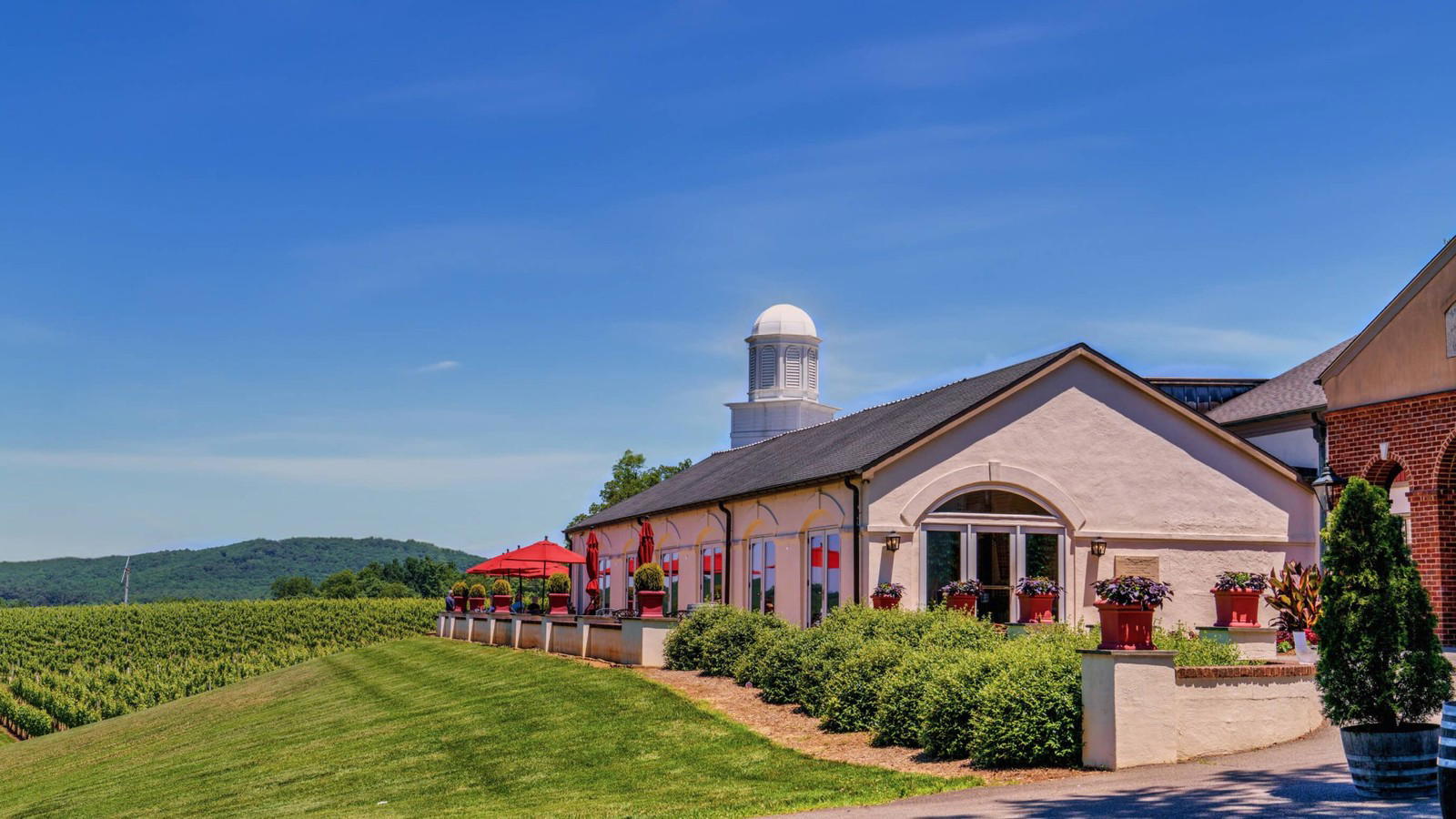
Calm, quiet, and cozy with light-filled small tasting room featuring recycled barn wood bar and scenic mountain views from covered patio.
Tags
Vibe
Best For
Experience
View
At the Vineyard
- Appellation
- Monticello AVA
- Varietals
- Sauvignon Blanc, Chardonnay, Vidal Blanc, Mourvèdre, Merlot
- Tour Duration
- 60-90 minutes
- Wine Club
- Not available
Know before you go
Know Before You Go
- Getting there
- 4744 Sugar Hollow Rd, Crozet, VA 22932
Planning details
Location
Also consider
Also Consider
- Grace Estate Winery, Notable alternative
- White Hall Vineyards, Notable alternative
- Septenary Winery at Seven Oaks Farm, Notable alternative
- Chiswell Farm & Winery, Notable alternative
- Pollak Vineyards, Notable alternative
Winery context
How it compares in and around White Hall
Choose Stinson Vineyards if the decision is about focused access and a quieter Crozet-area winery stop. White Hall Vineyards is the cleaner backup for readers who want to stay in White Hall but need a simpler comparison point, especially if the priority is building an easy local winery day rather than chasing allocation value.
Grace Estate Winery, Septenary Winery at Seven Oaks Farm, and Chiswell Farm & Winery make more sense if ambiance and estate feel matter more than wine-club access. They are stronger cross-shops for groups that want the setting to carry the visit, while Stinson is the sharper pick for buyers thinking about repeat bottles.
Pollak Vineyards is the better comparison for visitors who want a broader regional winery circuit rather than a White Hall-specific stop. If booking friction is the concern, cross-shop first; if the goal is a more selective Virginia wine relationship, keep Stinson higher on the list.
Explore White Hall
Around this place
Discover more on Pearl
Unlock the full Stinson Vineyards guide in Pearl, including awards, comparisons, FAQs, planning details, and nearby places.
Compare Stinson Vineyards
| Venue | Location | Awards |
|---|---|---|
| Stinson Vineyards | White Hall | No published awards |
| Grace Estate Winery | Crozet | No published awards |
| White Hall Vineyards | White Hall | No published awards |
| Septenary Winery at Seven Oaks Farm | Greenwood | No published awards |
| Chiswell Farm & Winery | Charlottesville | No published awards |
| Pollak Vineyards | Greenwood | No published awards |
How Stinson Vineyards White Hall compares with similar nearby venues.
FAQ
Frequently Asked Questions
What should I know about Stinson Vineyards?
Stinson Vineyards is a White Hall venue with Pearl 2 Star Prestige recognition for 2025 and a casual dress code.
When is the best time to visit Stinson Vineyards?
Hours or ideal visiting times are not available. Plan your White Hall itinerary only after confirming current opening details with Stinson Vineyards.
How long should I plan for a visit to Stinson Vineyards?
A standard visit length is not established. If you are combining Stinson Vineyards with other options such as Septenary Winery at Seven Oaks Farm, Chiswell Farm & Winery, Pollak Vineyards, or White Hall Vineyards, confirm current details with each venue before setting your schedule.