

Winery in Weitra, Austria
Haider Whisky Distillery (Roggenhof)
500Pearl PointsWhisky stop
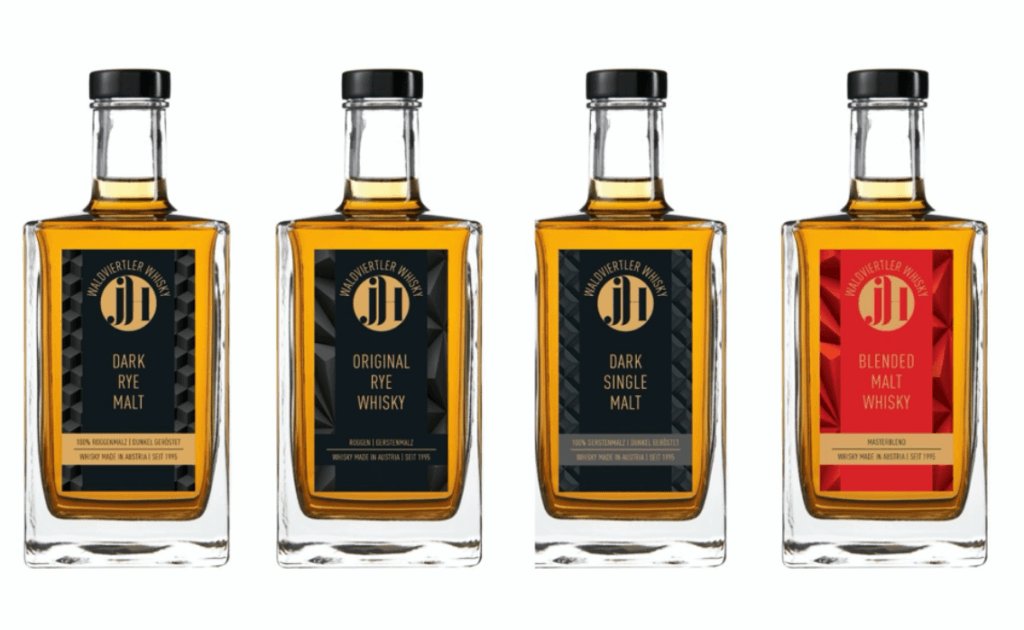
About Haider Whisky Distillery (Roggenhof)
Book Haider Whisky Distillery (Roggenhof) if the occasion is specifically about Austrian whisky and a production-led rural stop near Weitra. It is a stronger fit for couples or small celebrations than for groups needing food, flexible timing, or broad hospitality details upfront.
2 Star Prestige for 2025 is the confirmed signal here: Haider Whisky Distillery (Roggenhof) is a Weitra venue with a casual dress code and verified recognition. Beyond those facts, the published profile should be treated carefully: specific service details, menus, prices, hours, group policies, visit formats are not verified here.
The right reason to consider this stop is its identity as Haider Whisky Distillery (Roggenhof) in Weitra, together with the confirmed 2025 2 Star Prestige recognition. Plan with the venue directly for any practical details before building a trip around it, especially if timing, food, accessibility, purchases, or group arrangements matter.
A planned Weitra itinerary stop
Use this as a planned Weitra stop rather than relying on assumptions about walk-in availability or a specific hospitality format. The verified information is intentionally limited: the venue name, Weitra location, casual dress code, 2 Star Prestige for 2025. For a smoother day, confirm current visit details with the venue and combine it with other Weitra dining or travel plans as needed.
For a celebration or focused outing, the appeal is clearest for someone specifically interested in Haider Whisky Distillery (Roggenhof). If your group needs confirmed food service, detailed pricing, set hours, or a particular tasting format, verify those details before committing.
How to compare other venues
If the goal is to compare related venues, keep the benchmark set relevant and avoid assuming that every option serves the same purpose. Kausl Distillery and Wirtshausbrennerei Krenn may be useful names to consider alongside Haider Whisky Distillery (Roggenhof), while Weingut FJ Gritsch (Mauritiushof), Weingut Franz Hirtzberger, Weingut Rudi Pichler are other names to consider separately rather than substitutes for a Weitra stop.
Quick reference: choose Haider Whisky Distillery (Roggenhof) for a Weitra plan backed by confirmed 2 Star Prestige recognition; confirm all operational details directly before visiting.
Frequently Asked Questions
When is the best time to visit Haider Whisky Distillery (Roggenhof)?
The verified profile does not provide specific opening hours or a best season to visit. Treat it as a Weitra stop that should be confirmed directly with the venue before you plan around it. The confirmed details are the venue name, casual dress code, 2 Star Prestige (2025).
How long should I plan for a visit to Haider Whisky Distillery (Roggenhof)?
No verified visit duration is available. Build in enough flexibility for a planned Weitra stop, check directly with Haider Whisky Distillery (Roggenhof) for current visit format, timing, any booking requirements.
Does Haider Whisky Distillery (Roggenhof) offer shipping?
Shipping is not a verified service for Haider Whisky Distillery (Roggenhof). If shipping or purchases are important, confirm current options directly with the venue before relying on them.
Is there a membership program at Haider Whisky Distillery (Roggenhof)?
A membership program is not a verified feature for Haider Whisky Distillery (Roggenhof). The confirmed information here is limited to its Weitra listing, casual dress code, 2 Star Prestige (2025), so any membership details should be checked directly with the venue.
Can Haider Whisky Distillery (Roggenhof) handle large groups?
Large-group capacity is not verified. If you are planning for a group, contact Haider Whisky Distillery (Roggenhof) directly to confirm whether the venue can accommodate your party and what arrangements are required.
Does Haider Whisky Distillery (Roggenhof) serve food?
Food service is not verified in the available profile. If food matters to your visit, confirm directly with the venue and make separate Weitra dining plans if needed.
What is the signature product at Haider Whisky Distillery (Roggenhof)?
No signature product is verified for Haider Whisky Distillery (Roggenhof). The venue is identified as Haider Whisky Distillery (Roggenhof) in Weitra, any current product details should be confirmed directly with the venue.
Location
Roggenreith 3, 3664 Roggenreith
Weitra, Austria
Compare Haider Whisky Distillery (Roggenhof)
| Venue | Location | Awards |
|---|---|---|
| Haider Whisky Distillery (Roggenhof) | Weitra | Pearl 2 Star Prestige (2025) |
| Wirtshausbrennerei Krenn | Yspertal | , |
| Kausl Distillery | Krems an der Donau | , |
| Weingut FJ Gritsch (Mauritiushof) | Spitz | , |
| Weingut Franz Hirtzberger | Spitz | , |
| Weingut Rudi Pichler | Wösendorf | , |
How Haider Whisky Distillery (Roggenhof) compares with similar nearby venues.
Also Consider
- Wirtshausbrennerei Krenn, Notable alternative
- Kausl Distillery, Notable alternative
- Weingut FJ Gritsch (Mauritiushof), Notable alternative
- Weingut Franz Hirtzberger, Notable alternative
- Weingut Rudi Pichler, Notable alternative
How it compares in and around Weitra
Wirtshausbrennerei Krenn and Kausl Distillery are the closest practical cross-shops if the goal is a spirits-led outing rather than a wine estate visit. Choose Haider Whisky Distillery (Roggenhof) when whisky is the point of the trip and the booking difficulty feels worth the effort; choose one of the distillery peers when the priority is easier planning or a less occasion-heavy stop.
Weingut FJ Gritsch (Mauritiushof), Weingut Franz Hirtzberger, Weingut Rudi Pichler make more sense for readers who want a wine-country itinerary with clearer expectations around vineyard context. They are not direct substitutes for a whisky distillery, but they are better cross-shops for groups where only part of the party cares about spirits.
For value, the safest move is to match the venue to the group. Haider is the splurge-feeling choice when recognition and production focus matter; Krenn or Kausl are the more natural backups for a spirits day; the three Weingut options are better for a classic Austrian wine visit with broader appeal.
Explore Weitra
Save or rate Haider Whisky Distillery (Roggenhof) on Pearl
Keep this venue in your Pearl passport, rate it after you visit, and track it alongside every other place you collect.