

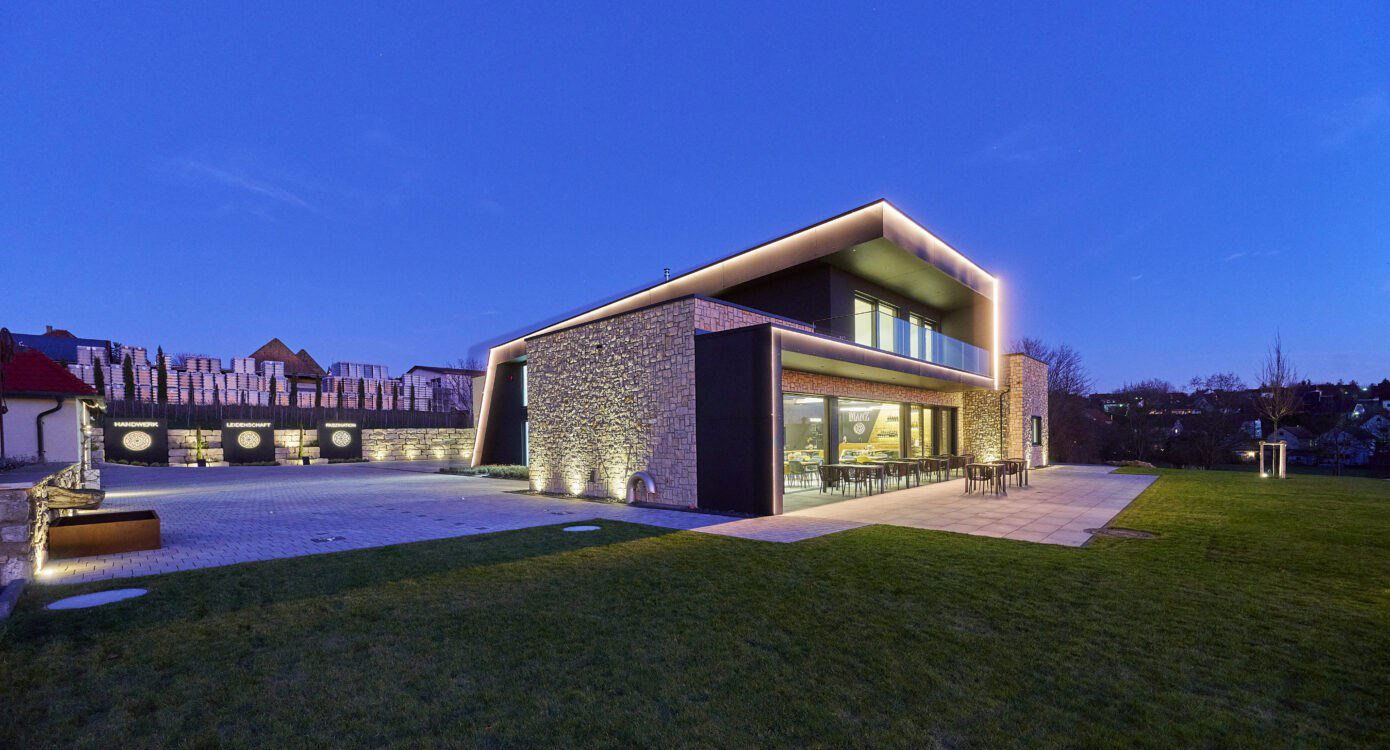
Weingut Eric Manz
Weinolsheim
Winery in Weinolsheim, Germany
 Book with Pearl
The Read
Limestone-Driven Rheinhessen Precision
Price
$30–50tasting
Why go
Weingut Eric Manz is worth considering for a calm, wine-focused stop in Weinolsheim, especially for a date, celebration, or small business tasting. It is less suited to groups expecting food or a casual walk-in feel. Cross-shop Weingut Keller or Weingut Wittmann for collector pull, and Sekthaus Raumland if sparkling wine is the priority.
About Weingut Eric Manz
Should you consider Weingut Eric Manz in Weinolsheim? The grounded answer is simple: it is a Pearl 2 Star Prestige venue for 2025, with a smart casual dress code. For specific details such as menu format, tasting structure, opening hours, prices, reservation rules, food service, or group capacity, confirm directly with the venue.
Treat Weingut Eric Manz as a concise shortlist entry rather than a fully planned stop until practical details are checked. If you are weighing Weingut Eric Manz against other options, keep the decision anchored to the core facts: the venue is in Weinolsheim, carries Pearl 2 Star Prestige recognition for 2025, and calls for smart casual dress.
Worth it if the recognition is enough for your plan
The clearest reason to put Weingut Eric Manz on a shortlist is its Pearl 2 Star Prestige recognition in 2025. For details on a specific tasting format, food offering, price level, or service schedule, confirm directly and avoid building the day around assumptions.
For comparison research, keep the named references limited and practical. Weingut Keller, Weingut Wittmann, Weingut Weedenborn, Weingut Thörle, and Sekthaus Raumland are useful names to compare against Weingut Eric Manz; check their locations and settings separately rather than assuming the same local context.
Plan around the basics, then confirm details directly
Before visiting, confirm any practical details you need directly with the venue, especially timing, availability, visit format, pricing, and whether any food or additional services are offered.
If your itinerary depends on a particular kind of visit, compare Weingut Eric Manz with Weingut Keller, Weingut Wittmann, Weingut Weedenborn, Weingut Thörle, or Sekthaus Raumland as separate research points rather than assuming they provide the same experience.
Quick read: consider Weingut Eric Manz for a smart casual visit in Weinolsheim with Pearl 2 Star Prestige recognition for 2025; confirm all operational details directly before planning around it.
Planning details
- Location
- Mühlweg 18, 55278 Weinolsheim
- Website
- manz-weinolsheim.de
- Phone
- +49 6249 803008
The take
The Take
The Vibe
Weingut Eric Manz feels like a focused, discreet estate that takes Rheinhessen seriously. The copy frames the property as part of a quiet but consequential reappraisal of the region, emphasizing site-driven work and a Pearl 2 Star Prestige designation that signals elevated quality. The tone is reserved rather than flashy: this is a place where geology and precision matter, not spectacle. Visitors encounter a winemaking personality rooted in limestone and marl soils, and the overall impression is one of considered craft—an understated, thoughtful destination for people who care about terroir and attentive viticulture.
Best For
This estate suits visitors who care about terroir and technical precision. The write-up targets wine buyers and curious travelers interested in how limestone- and marl-driven sites translate into structured wines; it also rewards solo exploration or focused small-group visits. Tastings that explore Riesling alongside Silvaner, Grauburgunder and experimental Spätburgunder work well here, because the cellar’s reputation rests on site expression rather than mass-market appeal. In short, it’s a stop for people looking to deepen their understanding of Rheinhessen’s soils and the varietal shapes those soils produce.
Tasting Tips
When choosing wines at Weingut Eric Manz, prioritize bottles that reference site or single-vineyard origins and the estate’s higher-tier releases—the Pearl 2 Star Prestige mention is a reliable cue to seek their top expressions. Taste or order Riesling first to assess the limestone-driven tension the text highlights, then compare Silvaner and Grauburgunder to see different structural profiles; inquire about recent Spätburgunder trials if you’re curious about the region’s red potential. Ask staff about the soils and site distinctions—those conversations will illuminate why certain bottlings are more concentrated or minerally.
Venue details
Ambiance
Bathed in natural light with expansive windows framing vineyard views, the tasting room features warm materials like wood and stone with subtle black and gold accents, creating an inviting space that balances clarity with comfort.
Tags
Vibe
Best For
Experience
View
At the Vineyard
- Appellation
- Rheinhessen
- Varietals
- Riesling, Spätburgunder, Grauburgunder, Weißburgunder, Chardonnay
- Tour Duration
- 90 minutes
- Tour Languages
- English, German
- Visits
- By reservation
- Wine Styles
- Still White, Still Red, Sparkling, Dessert
- Food Pairing
- Offered
- Wine Club
- Not available
Know before you go
Know Before You Go
- Getting there
- Mühlweg 18, 55278 Weinolsheim
Planning details
Location
Also consider
Also Consider
- Weingut Weedenborn, Notable alternative
- Weingut Thörle, Notable alternative
- Weingut Wittmann, Notable alternative
- Weingut Keller, Notable alternative
- Sekthaus Raumland, Notable alternative
Winery context
How It Compares
Choose Weingut Eric Manz if the goal is a quieter Rheinhessen appointment with a personal, occasion-friendly feel. Weingut Keller and Weingut Wittmann are the stronger plays for collectors who want the bigger-name stop, but they are also the less relaxed choices for a celebration where conversation matters.
Weingut Weedenborn and Weingut Thörle are better cross-shops for travelers comparing Rheinhessen producers in one day. Pick them if the priority is range across estates rather than keeping the visit centered on one calm appointment. For value, the smarter choice is the producer that fits the day's format: one focused tasting beats three rushed stops.
Sekthaus Raumland is the clearest alternative if sparkling wine is the point of the trip. For ambiance, Weingut Eric Manz is the safer fit for a low-noise special occasion; for category contrast, Raumland gives the itinerary a different lane entirely.
Explore Weinolsheim
Around this place
Discover more on Pearl
Unlock the full Weingut Eric Manz guide in Pearl, including awards, comparisons, FAQs, planning details, and nearby places.
Compare Weingut Eric Manz
| Venue | Location | Awards |
|---|---|---|
| Weingut Eric Manz | Weinolsheim | No published awards |
| Weingut Weedenborn | Monzernheim | 2026 Falstaff Winery Guide |
| Weingut Thörle | Saulheim | 2026 Falstaff Winery Guide |
| Weingut Wittmann | Westhofen | 2026 Falstaff Winery Guide |
| Weingut Keller | Flörsheim-Dalsheim | 2026 Falstaff Winery Guide |
| Sekthaus Raumland | Flörsheim-Dalsheim | 2026 Falstaff Winery Guide |

How Weingut Eric Manz compares with similar nearby venues.
FAQ
Frequently Asked Questions
Does Weingut Eric Manz serve food?
Food service details should be checked directly with the venue before making plans in Weinolsheim.
How long should I plan for a visit to Weingut Eric Manz?
Do I need a reservation at Weingut Eric Manz?
Contact Weingut Eric Manz directly before visiting Weinolsheim if timing, availability, or reservation requirements matter to your plans.
Are membership or club options available at Weingut Eric Manz?
Ask Weingut Eric Manz directly about any membership or club options before basing a decision on them.
When is the best time to visit Weingut Eric Manz?
Choose a time after confirming current seasonal, hourly, or scheduling details with the venue.
What other venues can I compare with Weingut Eric Manz?
For comparison research, consider Weingut Wittmann, Weingut Keller, Weingut Thörle, Weingut Weedenborn, and Sekthaus Raumland as separate reference points. Check their locations separately before planning around proximity to Weinolsheim.