
Weingut Prager
Weißenkirchen
Winery in Weißenkirchen, Austria
 Book with Pearl
The Read
Terroir-Driven Wachau Precision
Price
$50–100tasting
Why go
Book Weingut Prager if the goal is a serious Wachau producer visit in Weißenkirchen rather than an easy casual tasting. Availability should be treated as tight, so small groups with flexible timing are the safest fit. Cross-shop Weingut Jäger for a nearby alternative and Domäne Wachau if the plan needs a broader, easier-to-arrange Wachau stop.
About Weingut Prager
Weingut Prager is listed in Weißenkirchen with Pearl 2 Star Prestige recognition for 2025. For travelers comparing names in and around the area, relevant reference points include Weingut Jamek, Weingut Jäger, Weingut Josef Schmelz, Weingut Rudi Pichler, and Domäne Wachau. The dress code is smart casual.
Use the listing as a focused Weißenkirchen reference point
That means the safest planning approach is to confirm practical details directly before making firm plans. If you are comparing options, consider Weingut Jamek, Weingut Jäger, Weingut Josef Schmelz, Weingut Rudi Pichler, and Domäne Wachau as natural reference points, without assuming that their formats, access, or services match Weingut Prager.
The appeal is the confirmed recognition, with limited public detail
The available profile supports a concise verdict: Weingut Prager is a Weißenkirchen venue with Pearl 2 Star Prestige recognition in 2025, and smart casual is the stated dress code. More detailed claims about the visit experience are not confirmed in the available data.
For planning, keep the page as a starting point rather than a complete logistics guide. Confirm operational details directly, especially if timing or special arrangements matter to the visit.
Use Weißenkirchen as the practical frame, and compare Weingut Prager with other named venues such as Weingut Jamek, Weingut Jäger, Weingut Josef Schmelz, Weingut Rudi Pichler, and Domäne Wachau where relevant.
Quick reference: Weingut Prager is in Weißenkirchen, has Pearl 2 Star Prestige recognition for 2025, and lists smart casual as the dress code. Confirm visit logistics directly.
Planning details
- Location
- Wachaustraße 48, 3610 Weißenkirchen in der Wachau
- Website
- weingutprager.at
- Phone
- +43 2715 2248
The take
The Take
The Vibe
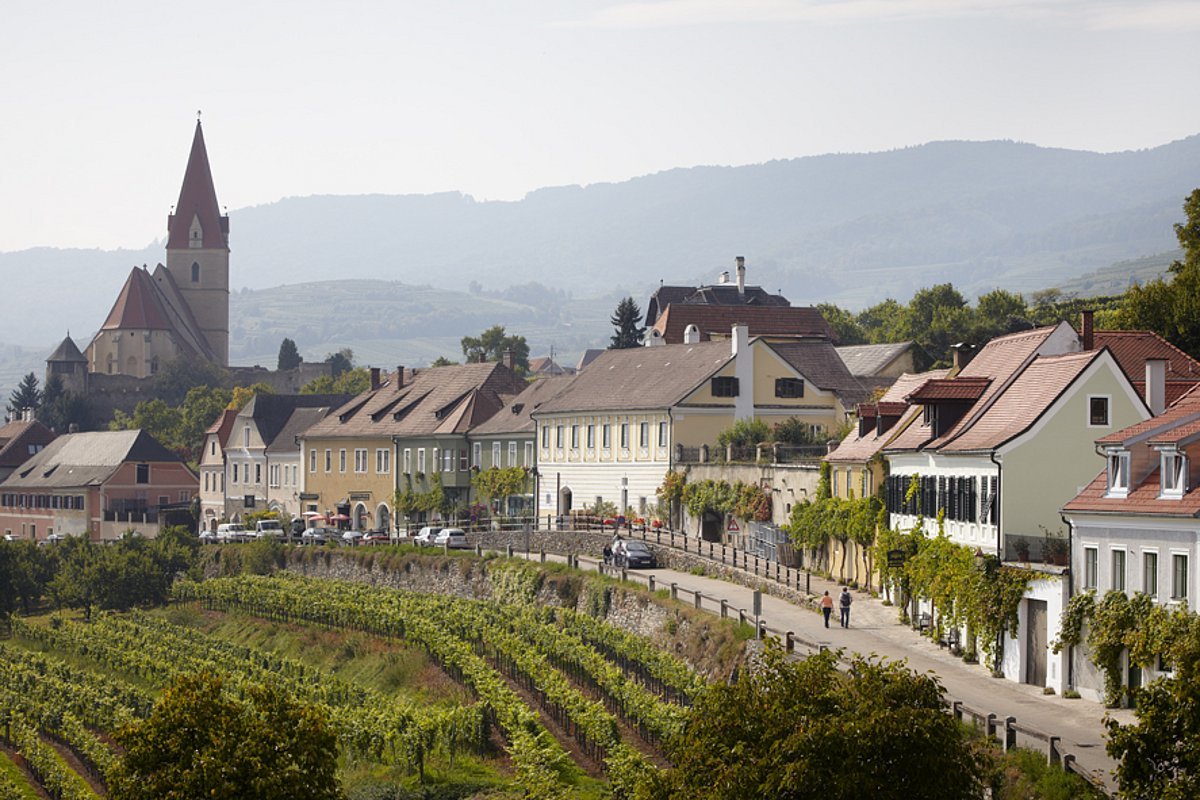
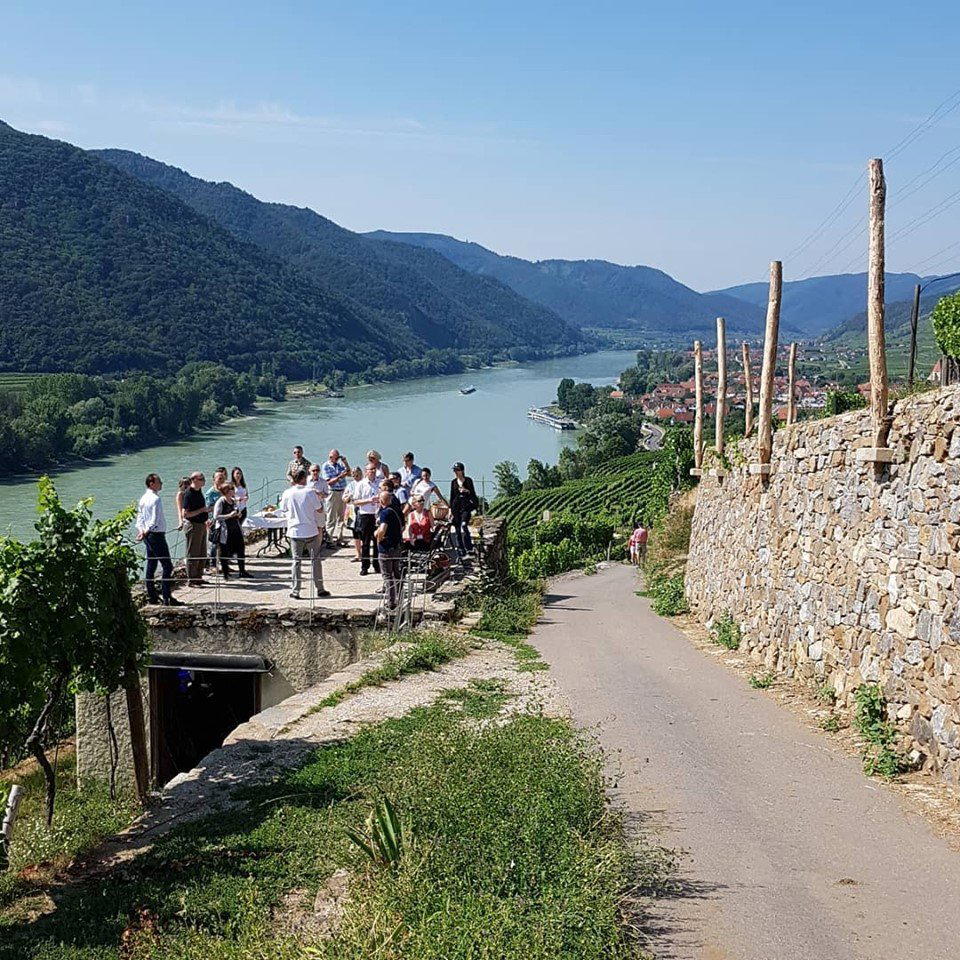
Weingut Prager presents a quietly historic, terroir-forward character. The writing emphasizes long-standing Wachau tradition and a restrained approach to winemaking, where the site — steep gneiss and amphibolite terraces above the Danube — reads as the primary author. That emphasis yields a composed, contemplative atmosphere rather than theatrical display: tasting here feels like study as much as enjoyment. The estate’s external recognition and placement among the valley’s leading properties add a measured gravitas, so visits come across as unflashy, meticulous and anchored by landscape and lineage.
Best For
Prager is best for people who want to deepen their understanding of Wachau typicity and collectors seeking disciplined examples of Grüner Veltliner and Riesling. The text foregrounds the region’s tiered quality vocabulary — Steinfeder, Federspiel, Smaragd — and external awards, which together make the estate a useful stop for educational tastings, cellar comparison and serious buying decisions. It also suits quieter special occasions or romantic escapes where the focus is on place, provenance and the slow development of mineral-driven wines rather than loud socializing.
Tasting Tips
When selecting bottles at Prager, orient your choices around variety and classification. Grüner Veltliner from these south-facing, Danube-exposed slopes is described as having mineral tension and saline, direct finishes; Riesling shows citrus pith and white peach youth, evolving toward petrol and slate with age. Look for estate expressions and higher Wachau tiers (Smaragd) if you want wines built to age; the estate’s 2025 Pearl 2 Star Prestige mention signals consistent quality across vintages. For immediate drinking, seek fresher Federspiel-level bottlings that show bright fruit and saline drive.
Venue details
Ambiance
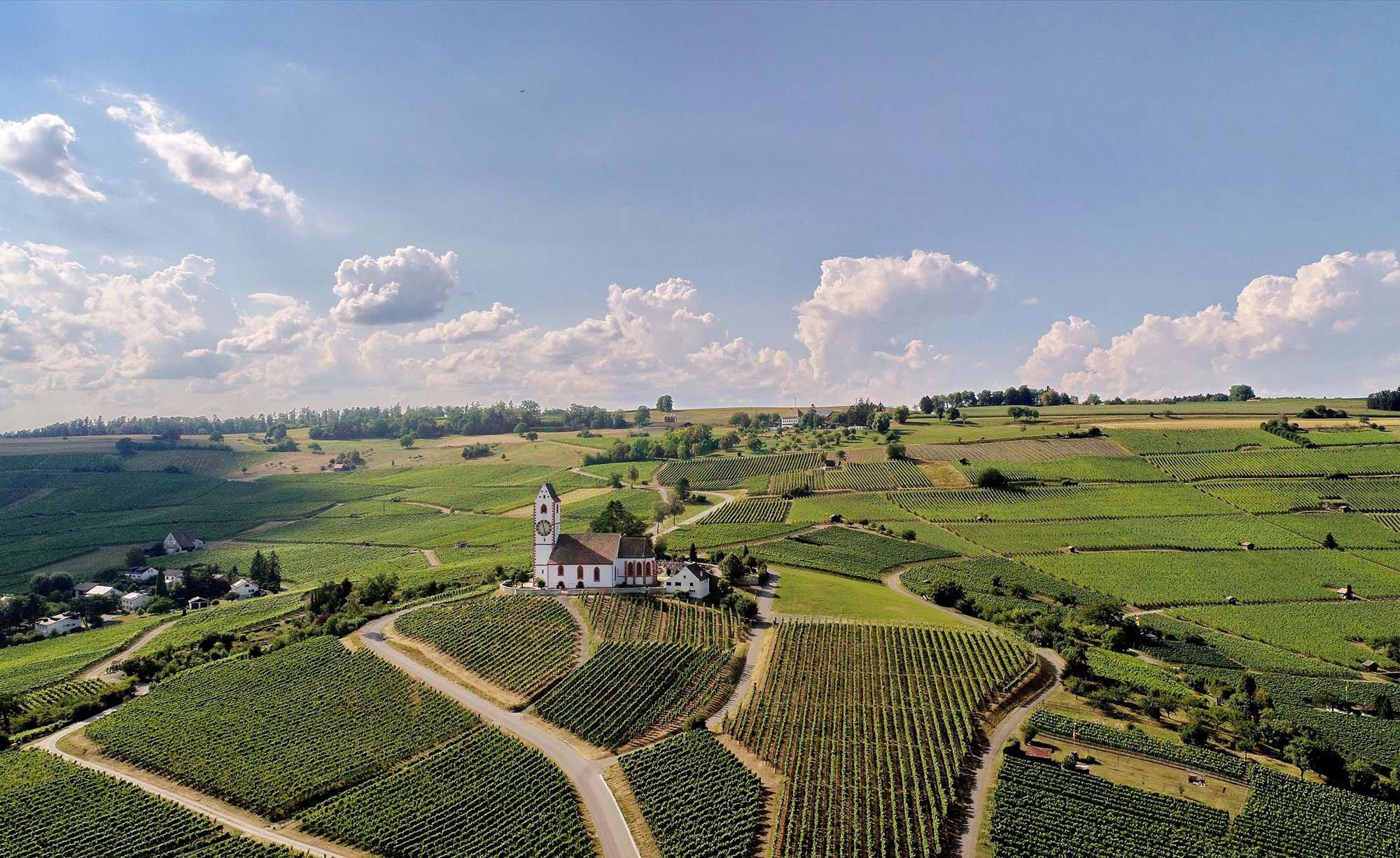
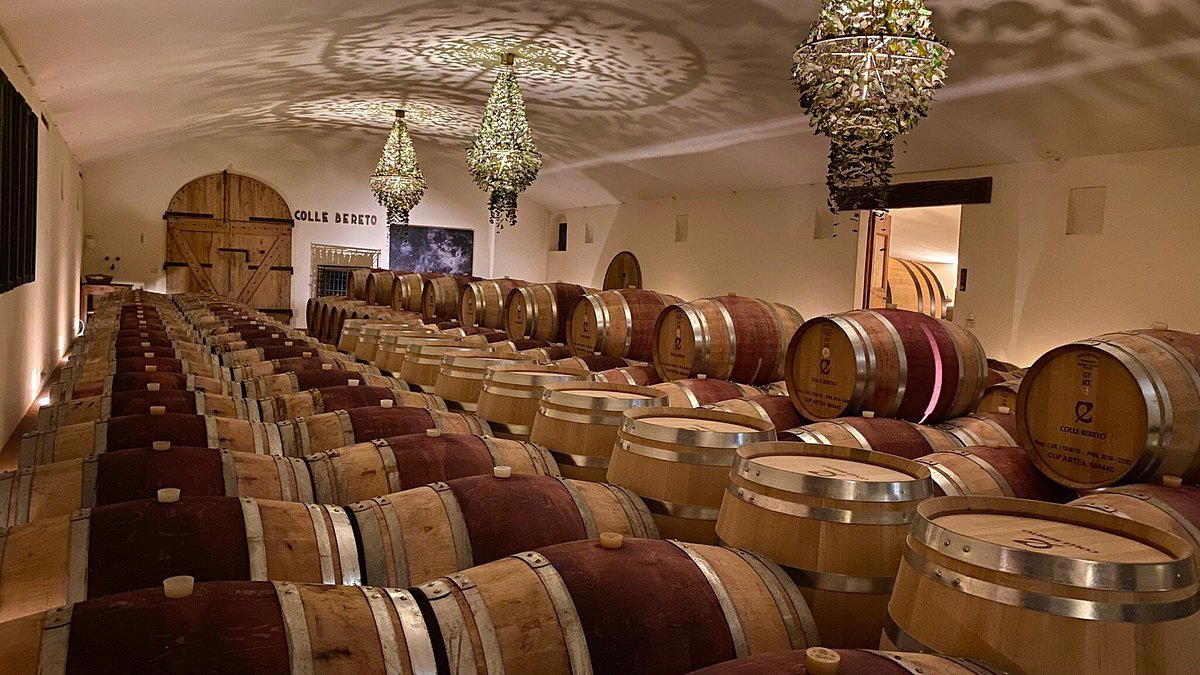
Minimalist cellar environment with stainless-steel fermentation reflecting a non-interventionist philosophy; estate grounds feature steep south-facing terraced vineyards overlooking the Danube with cool high-altitude microclimates.
Tags
Vibe
Best For
Experience
Sourcing
View
At the Vineyard
- Appellation
- Wachau DAC
- Varietals
- Riesling, Grüner Veltliner
- Tour Duration
- 90-120 minutes
- Tour Languages
- German, English
- Visits
- By appointment only
- Farming
- Sustainable
- Wine Styles
- Still White, Still Red
- Shipping
- Available
- Wine Club
- Available
Know before you go
Know Before You Go
- Getting there
- Wachaustraße 48, 3610 Weißenkirchen in der Wachau
Planning details
Location
Recognition and awards

Also consider
Where to go if this does not line up
Try Weingut Jäger first if staying in Weißenkirchen is the priority. It keeps the day compact and is the cleanest local cross-shop.
Choose Domäne Wachau if the group needs a broader Wachau visit with more itinerary flexibility. It is the safer backup for mixed-interest groups or tighter schedules.
Winery context
How it compares in Weißenkirchen
Weingut Prager is the more selective play in this set: choose it when producer prestige and a focused Wachau visit matter more than convenience. Weingut Jamek and Weingut Rudi Pichler sit in the same serious-wine consideration set, but they are better treated as cross-shops rather than same-day assumptions unless appointments line up cleanly.
For lower-friction planning inside Weißenkirchen, Weingut Jäger is the first comparison to check because it keeps the itinerary local. Weingut Josef Schmelz is better for travelers building a wider Wachau producer circuit, while Domäne Wachau is the practical fallback when the group needs a broader, more structured visit.
On value, do not judge this choice by price alone. The better question is whether the group wants depth from a specific producer or an easier hospitality experience. For two to four serious wine travelers, Prager is the higher-priority ask. For mixed-interest groups, Domäne Wachau or Weingut Jäger will usually be easier to fit into the day.
Explore Weißenkirchen
Around this place
Discover more on Pearl
Unlock the full Weingut Prager guide in Pearl, including awards, comparisons, FAQs, planning details, and nearby places.
Compare Weingut Prager
| Venue | Location | Awards |
|---|---|---|
| Weingut Prager | Weißenkirchen | 2026 Falstaff Winery Guide |
| Weingut Jamek | Joching | 2026 Falstaff Winery Guide |
| Weingut Jäger | Weißenkirchen | 2026 Falstaff Winery Guide |
| Weingut Josef Schmelz | Joching | 2026 Falstaff Winery Guide |
| Weingut Rudi Pichler | Wösendorf | 2026 Falstaff Winery Guide |
| Domäne Wachau | Dürnstein | 2026 Falstaff Winery Guide2025 World's 50 Best Vineyards · #682024 World's 50 Best Vineyards · #332023 World's 50 Best Vineyards · #142022 World's 50 Best Vineyards · #202021 World's 50 Best Vineyards · #222020 World's 50 Best Vineyards · #32019 World's 50 Best Vineyards · #19 |

How Weingut Prager Weißenkirchen compares with similar nearby venues.
FAQ
Frequently Asked Questions
What is confirmed about Weingut Prager?
The information confirms that Weingut Prager is in Weißenkirchen, has Pearl 2 Star Prestige recognition for 2025, and lists smart casual as the dress code.
What should I wear to Weingut Prager?
The dress code for Weingut Prager is smart casual.
When is the best time to visit Weingut Prager?
No specific best time, season, or public opening hours are confirmed in the information. Plan only after checking current details directly with the venue.
Which venues are useful comparison points for Weingut Prager?
Natural reference points include Weingut Jamek, Weingut Jäger, Weingut Josef Schmelz, Weingut Rudi Pichler, and Domäne Wachau, while other dining in Weißenkirchen can be considered generically depending on your plans.