

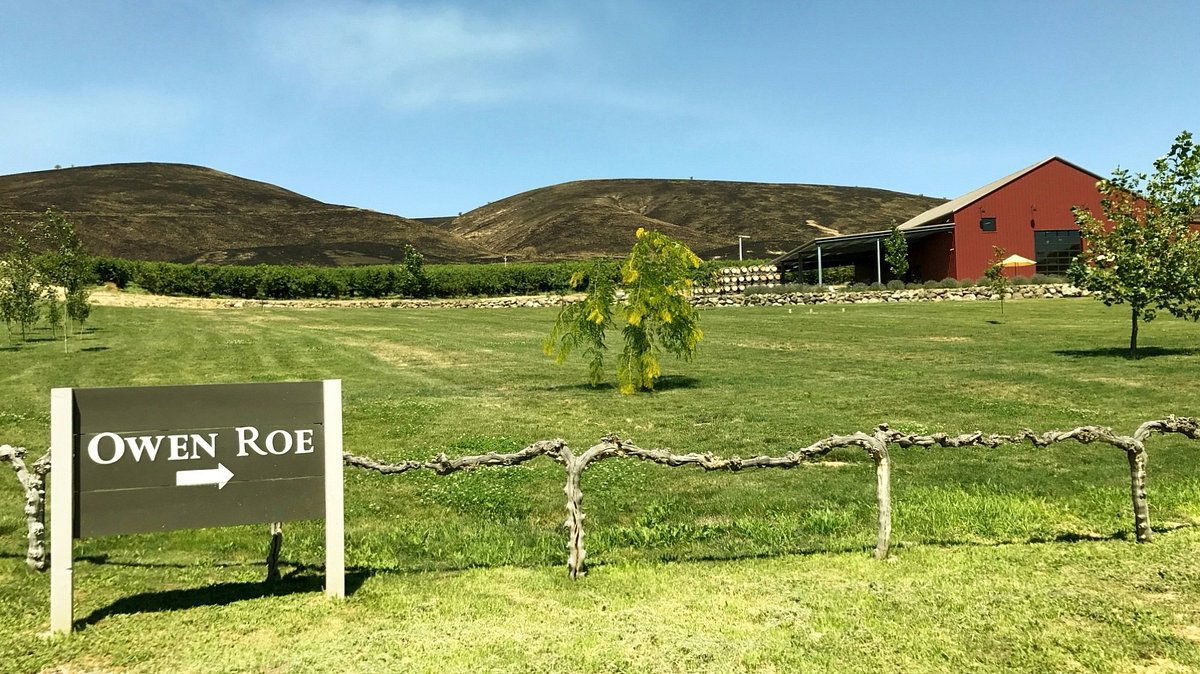
Owen Roe Winery
Yakima Valley, Wapato
Winery in Wapato, United States
 Book with Pearl
The Read
Yakima Valley Prestige Production
Why go
Owen Roe Winery is a plan-ahead Wapato pick for wine-focused travelers, especially given its Pearl 3 Star Prestige recognition. Treat it as the anchor tasting rather than a casual drop-in, and arrange food, timing, and backup winery stops separately.
About Owen Roe Winery
Plan this as a wine-focused Wapato stop
Use Owen Roe Winery as a wine-focused stop in Wapato rather than building expectations around services. For broader Wapato planning, use local guides to build the day around the visit, including guides to Wapato wineries, restaurants, hotels, bars, and experiences.
The safest recommendation is narrow: consider it for the winery experience and confirm any details that matter to your group in advance. Do not assume a guaranteed meal, a particular tasting format, specific pricing, shipping options, or a documented visitor program unless the venue confirms them.
Who should prioritize it
Prioritize Owen Roe Winery if you are planning a Wapato wine stop and value a Pearl 3 Star Prestige venue with a casual dress code.
If this visit is part of a wider wine-country route, compare it with other winery options such as Fidelitas, Hedges Family Estate, Kiona Vineyards, Terra Blanca Winery, and Wildhorse (Barnard Griffin). Keep the comparison focused on confirmed needs and check each venue directly before finalizing your route.
Planning details
- Location
- 309 Gangl Rd, Wapato, WA 98951
- Website
- owenroe.com
- Phone
- +1 971-412-0094
The take
The Take
The Vibe
Owen Roe presents a refined, terroir-forward personality rooted in the high desert of the Yakima Valley. The copy emphasizes the severe diurnal swings, volcanic basalt soils and an aesthetic of disciplined fruit development, positioning the winery toward a sophisticated, precision-minded audience. Rather than flash, the language leans into structural tension, acid retention and slow phenolic maturation—attributes that produce wines with clarity and purpose. The setting on the valley floor and the focus on site expression give visits a contemplative quality: it feels like a place where landscape and process take center stage, and the wines reflect that exacting character.
Best For
This Owen Roe location is best for visitors who want a focused, educational tasting that explains how Washington’s high-desert conditions shape wine. The copy highlights terroir and technical signatures—acid retention, structural tension and slow phenolic development—so it suits serious tasters, small groups curious about site-driven wines, and anyone researching Pacific Northwest style. With a Pearl 3 Star Prestige recognition cited, the visit also works for travelers seeking higher-tier Washington producers rather than casual drop-ins. It’s especially appropriate for group outings or wine-education minded visits where conversation centers on vineyard, climate and winemaking choices.
Tasting Tips
When tasting at Owen Roe, prioritize wines that explicitly reference site or vineyard on the label: the description underscores basalt soils and dramatic diurnal shifts as defining elements, so vineyard-designate bottlings will best express that character. The copy calls out acid retention and structural tension—look for wines described with those terms or for the Pearl 3 Star–recognized bottlings mentioned in the profile. Ask staff about how specific parcels behave across vintage temperature swings and request comparisons that illustrate phenolic development and acid management; those contrasts will communicate the Yakima Valley’s influence most clearly.
Venue details
Ambiance
Relaxed winery atmosphere with spacious lawn seating, indoor cooled spaces, and vineyard views.
Tags
Vibe
Best For
Experience
Sourcing
View
At the Vineyard
- Appellation
- Yakima Valley AVA
- Varietals
- Cabernet Sauvignon, Syrah, Merlot, Cabernet Franc, Pinot Noir
- Tour Duration
- 60-90 minutes
- Tour Languages
- English
- Visits
- By reservation
- Farming
- Sustainable
- Production
- Small producer
- Wine Styles
- Still Red, Still White
- Food Pairing
- Offered
- Wine Club
- Not available
Know before you go
Know Before You Go
- Getting there
- 309 Gangl Rd, Wapato, WA 98951
Planning details
Location
Also consider
Where to look if you cannot get in
Start with Kiona Vineyards or Fidelitas if the priority is staying within a serious winery itinerary. Add Terra Blanca Winery when the day needs a more flexible second option.
Winery context
How it compares with nearby winery options
Owen Roe Winery is the higher-commitment choice in this set because the booking difficulty is the defining factor. If the goal is a smoother backup plan, cross-shop Terra Blanca Winery, Fidelitas, or Kiona Vineyards before locking the whole day around one stop.
For visitors who care about a broader Red Mountain-style comparison, Hedges Family Estate and Wildhorse (Barnard Griffin) are useful alternates to keep on the shortlist. The practical difference is planning risk: Owen Roe is the one to prioritize if recognition and scarcity matter; the others make more sense if the day needs easier scheduling or multiple tastings.
Explore Wapato
Around this place
Discover more on Pearl
Unlock the full Owen Roe Winery guide in Pearl, including awards, comparisons, FAQs, planning details, and nearby places.
Compare Owen Roe Winery
| Venue | Location | Awards |
|---|---|---|
| Owen Roe Winery | Wapato | No published awards |
| Terra Blanca Winery | Benton City | No published awards |
| Fidelitas | Benton City | No published awards |
| Kiona Vineyards | Benton City | No published awards |
| Hedges Family Estate | Benton City | No published awards |
| Wildhorse (Barnard Griffin) | Richland | No published awards |
How Owen Roe Winery Wapato compares with similar nearby venues.
FAQ
Frequently Asked Questions
Does Owen Roe Winery serve food?
What other wineries can I compare with Owen Roe Winery?
For comparison while planning a wine-focused route, consider Terra Blanca Winery, Hedges Family Estate, Fidelitas, Kiona Vineyards, and Wildhorse (Barnard Griffin). Owen Roe Winery fits a Wapato plan as a Pearl 3 Star Prestige winery with a casual dress code.
Is the wine club at Owen Roe Winery worth joining?
If membership matters to you, ask Owen Roe Winery directly before making it part of your Wapato plans.
Can Owen Roe Winery handle large groups?
Does Owen Roe Winery ship wine?
If shipping matters, ask Owen Roe Winery directly when planning your Wapato stop.