
Weingut Prinz Salm
Wallhausen
Winery in Wallhausen, Germany
 Book with Pearl
The Read
Nahe Terroir Precision
Price
$30–50tasting
Why go
Prioritise Weingut Prinz Salm if Wallhausen is part of a serious Nahe wine itinerary, not a casual drop-in plan. The lack of public tasting specifics makes advance planning the safer move, and the appeal is regional depth rather than a quick, high-traffic visitor experience.
About Weingut Prinz Salm
Weingut Prinz Salm is a Wallhausen venue with a smart casual dress code and a Pearl 2 Star Prestige recognition for 2025. It stands out as a place worth noting for travelers who are already looking closely at Wallhausen, especially those who value premium recognition and a polished visit. For the best experience, research current visit details directly before building a schedule around it.
A Wallhausen stop for depth, not speed
Consider Weingut Prinz Salm if your trip is specifically focused on Wallhausen and you are comfortable confirming practical details in advance. The venue fits best into an itinerary that values careful planning, not one that depends on quick decisions, last-minute walk-ins, or a tightly packed schedule. It should be approached as a stop that rewards preparation and current information rather than a casual, unplanned visit. The point is to give the stop enough preparation so that the experience is grounded in current details.
Its Pearl 2 Star Prestige recognition for 2025 gives it a clear reason to appear on a premium Wallhausen shortlist. That recognition makes the venue relevant for visitors who are comparing serious options. Still, planning should stay practical: confirm the visit details directly, dress smart casual, and avoid assuming services or formats that may not fit your plans. A smart casual dress code suggests that visitors should arrive with a polished, considered approach, without needing to overstate the formality of the occasion. In the absence of specific visit details, that balanced approach is the most sensible one.
How to place it in a Wallhausen-focused itinerary
For comparison, you can look at other venues such as Weingut Schäfer-Fröhlich, Weingut Dr. Crusius, Weingut Joh. Bapt. Schäfer, Schlossgut Diel, or Weingut Jakob Schneider. Use those names as reference points for shaping a broader trip, while keeping Weingut Prinz Salm grounded as a Wallhausen stop with Pearl 2 Star Prestige recognition in 2025. The comparison is useful because it helps frame the kind of trip being considered: one built around regional focus and a selective list of places worth investigating before arrival.
Do not overbuild the day around assumptions. Keep the schedule flexible, confirm current arrangements directly with the venue, and use the confirmed basics, Wallhausen, smart casual dress, and Pearl 2 Star Prestige (2025), as the reliable foundation for planning. In practical terms, that means making enough space in the itinerary for confirmation, adjustment, and realistic timing. It also means separating what is known from what still needs to be checked. Weingut Prinz Salm can be a meaningful part of a Wallhausen-focused plan, but the information here supports a cautious, well-prepared visit rather than an improvised one. Treat the recognition as the reason to look closer, and treat the remaining details as the reason to make contact before committing the day around it.
Planning details
- Location
- Schlossstraße 3, 55595 Wallhausen
- Website
- prinzsalm.de
- Phone
- +49 6706 944411
The take
The Take
The Vibe
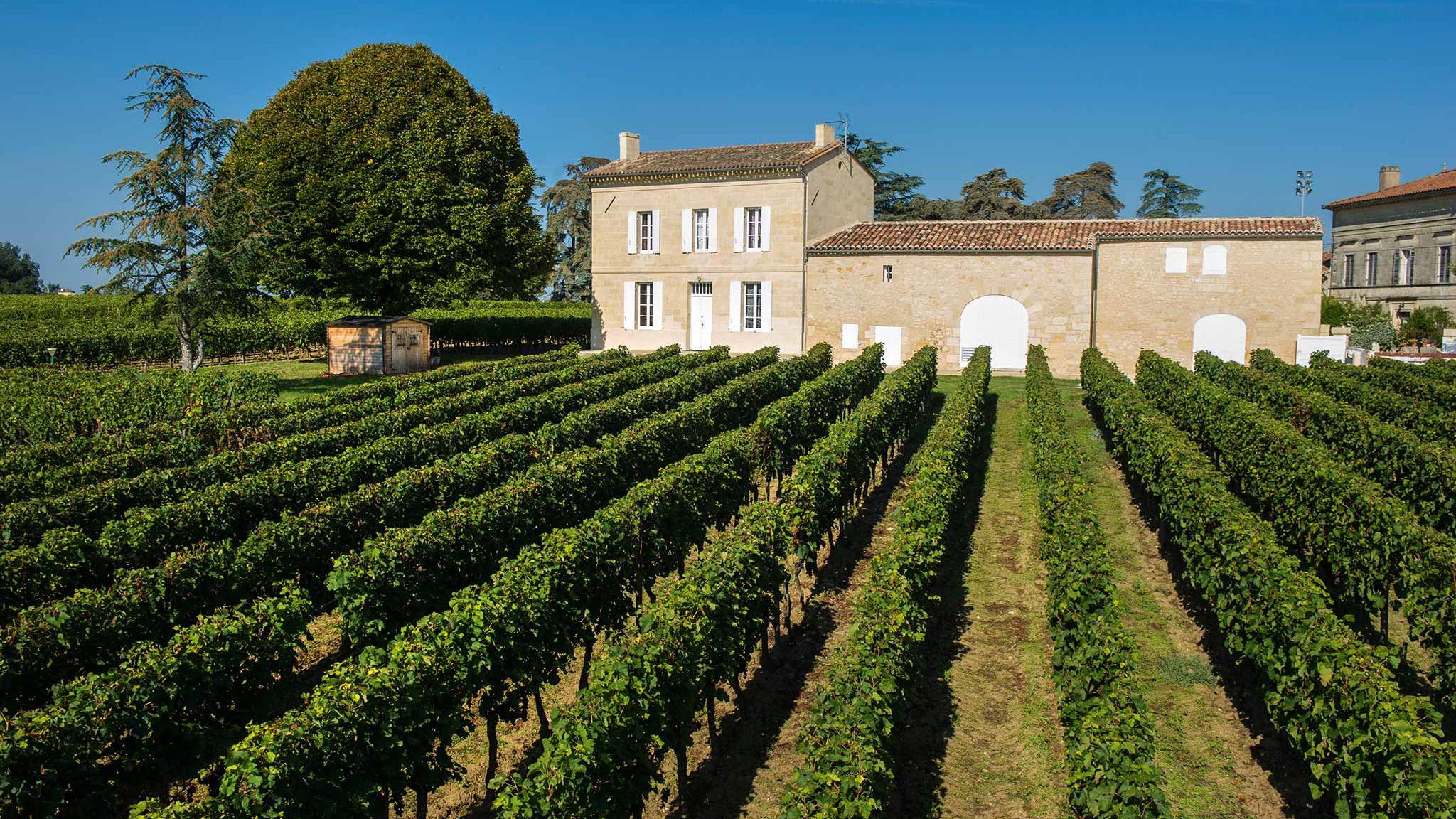
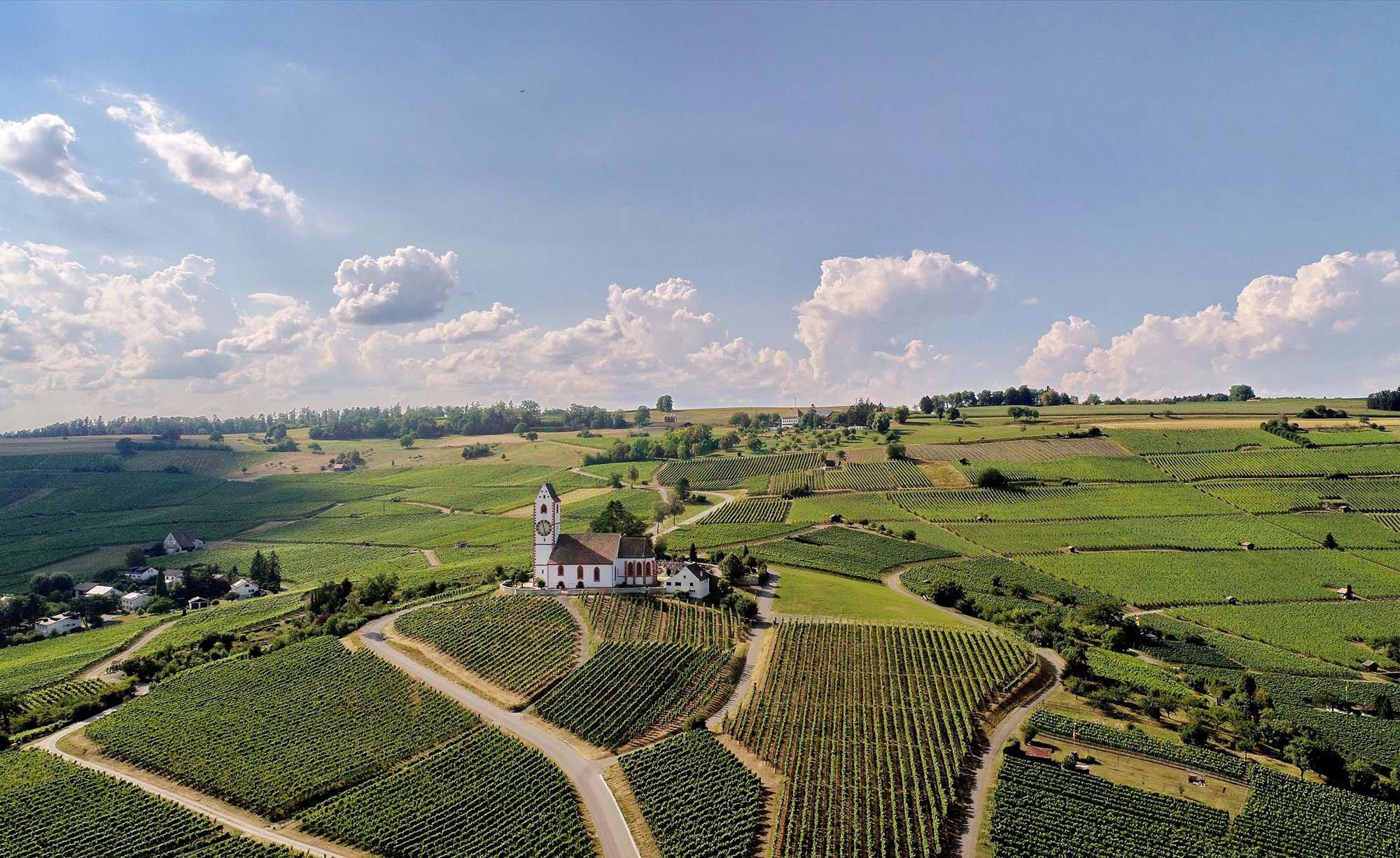
Weingut Prinz Salm reads like a terroir-first estate set within a quietly historic village. The house leans into the upper Nahe’s geological argument—porphyry, slate, sandstone and quartzite—so the wines feel mineral and site-specific rather than showy. The estate’s presence in Wallhausen is immediate but low-key: fewer tour buses, more direct contact with working vineyards and an understated, sophisticated confidence signaled by recent professional recognition. Visitors experience a restrained, focused atmosphere that privileges soil expression and cellar restraint over spectacle.
Best For
This estate is best for wine-focused visitors who want to study terroir and taste mineral-driven expressions rather than a tourist circuit. Its positioning in a quieter corner of the Nahe and the mention of a recent Pearl 2 Star Prestige recognition make it suited to people seeking thoughtful, educational tastings or a refined stop on a special-occasion itinerary. Travelers who prefer intimate contact with producers and comparative tasting of single-vineyard parcels will get the most from a visit.
Tasting Tips
Approach a tasting here with a terroir-minded agenda: ask to taste parcels side by side and inquire about the different soils named in the write-up (porphyry, slate, sandstone, quartzite). The description emphasizes low-intervention viticulture and cellar restraint, so prioritize wines that are presented as vineyard expressions rather than heavily oaked or manipulated bottlings. Mention the estate’s recent 2025 Pearl 2 Star Prestige recognition when you ask staff for standout examples—it signals the bottlings to request for a concise view of the producer’s style.
Venue details
Ambiance
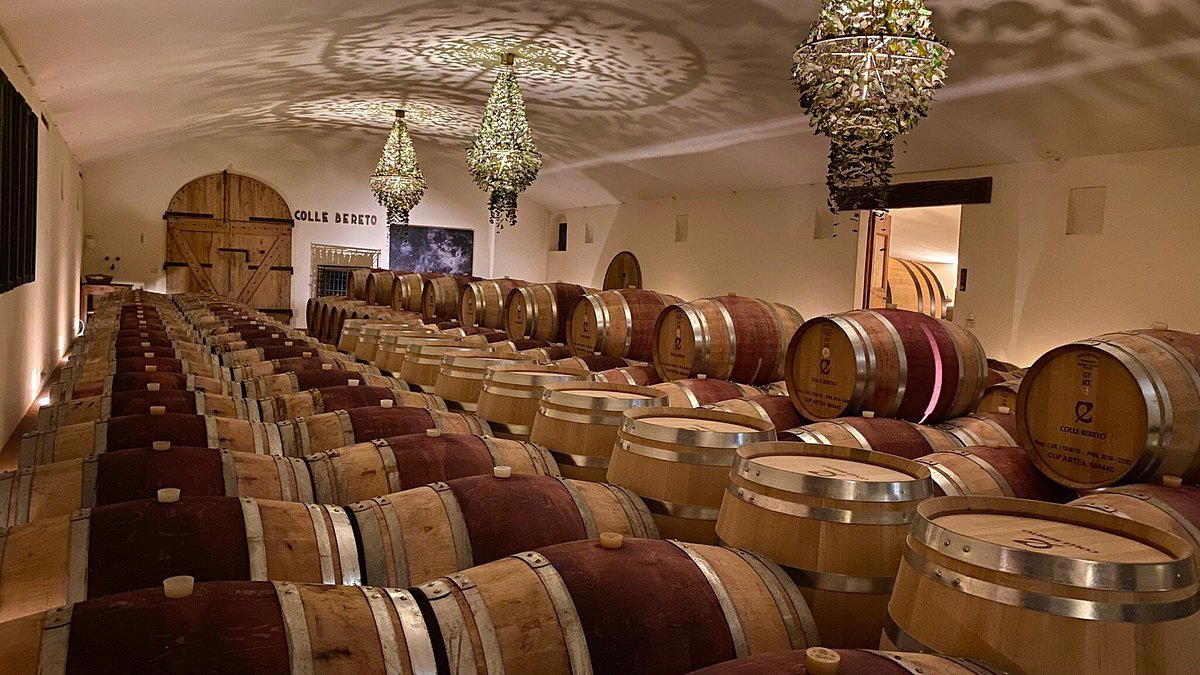
Historic castle setting with rural vaulted cellars offering an elegant, traditional atmosphere rooted in centuries of family wine tradition.
Tags
Vibe
Best For
Experience
Sourcing
View
At the Vineyard
- Appellation
- Nahe
- Varietals
- Riesling, Pinot Noir, Pinot Blanc, Pinot Gris, Silvaner
- Tour Duration
- 60-90 minutes
- Tour Languages
- German, English, French
- Visits
- By reservation
- Farming
- Organic
- Production
- Small producer
- Wine Styles
- Still White, Still Red
- Food Pairing
- Offered
- Shipping
- Available
- Wine Club
- Not available
Know before you go
Know Before You Go
- Getting there
- Schlossstraße 3, 55595 Wallhausen
Planning details
Location
Recognition and awards

Also consider
Where to look if this visit does not work
If scheduling Weingut Prinz Salm does not line up, start with Weingut Schäfer-Fröhlich for a name-led Nahe alternative, or Schlossgut Diel if the day can support a more destination-style wine stop.
For a tighter regional comparison, add Weingut Dr. Crusius, Weingut Joh. Bapt. Schäfer, or Weingut Jakob Schneider as backups rather than padding the schedule with unrelated stops.
Winery context
How It Compares
Choose Weingut Prinz Salm when the goal is a quieter Wallhausen anchor with estate context. Weingut Schäfer-Fröhlich is the stronger cross-shop for travelers chasing a more widely discussed Nahe name, while Weingut Dr. Crusius is a useful alternative if the itinerary is built around comparing producers rather than focusing on one address.
For booking strategy, do not treat any of these as casual walk-in stops. If flexibility matters, also look at Weingut Joh. Bapt. Schäfer and Weingut Jakob Schneider as practical backups in the same broader wine-travel frame. If the trip can support a more destination-style estate stop, Schlossgut Diel belongs on the same shortlist.
Value depends less on sticker price here, since tasting and bottle pricing are not supplied, and more on how much context the visit adds to the day. Weingut Prinz Salm is the pick for a deliberate, low-noise Wallhausen stop; Schäfer-Fröhlich is the name-led comparison; Schlossgut Diel is the broader destination cross-shop.
Explore Wallhausen
Around this place
Discover more on Pearl
Unlock the full Weingut Prinz Salm guide in Pearl, including awards, comparisons, FAQs, planning details, and nearby places.
Compare Weingut Prinz Salm
| Venue | Location | Awards |
|---|---|---|
| Weingut Prinz Salm | Wallhausen | 2026 Falstaff Winery Guide |
| Weingut Schäfer-Fröhlich | Bockenau | 2026 Falstaff Winery Guide |
| Weingut Dr. Crusius | Traisen | 2026 Falstaff Winery Guide |
| Weingut Joh. Bapt. Schäfer | Burg Layen | 2026 Falstaff Winery Guide |
| Schlossgut Diel | Rümmelsheim | 2026 Falstaff Winery Guide |
| Weingut Jakob Schneider | Niederhausen | 2026 Falstaff Winery Guide |
How Weingut Prinz Salm Wallhausen compares with similar nearby venues.
FAQ
Frequently Asked Questions
How long should I plan for a visit to Weingut Prinz Salm?
Plan only after confirming current arrangements directly with Weingut Prinz Salm in Wallhausen. The Pearl 2 Star Prestige (2025) recognition makes it a notable stop, but timing should not be assumed.
What practical details are for Weingut Prinz Salm?
Weingut Prinz Salm is in Wallhausen, has a smart casual dress code, and holds Pearl 2 Star Prestige recognition for 2025. Other practical details should be confirmed directly with the venue.
What should I wear to Weingut Prinz Salm?
The dress code is smart casual. Beyond that, no more specific clothing guidance is provided.
What offerings are available at Weingut Prinz Salm?
For current details, check directly with Weingut Prinz Salm. For a comparison-driven route, Weingut Joh. Bapt. Schäfer, Weingut Schäfer-Fröhlich, and Weingut Dr. Crusius are other venues to consider.