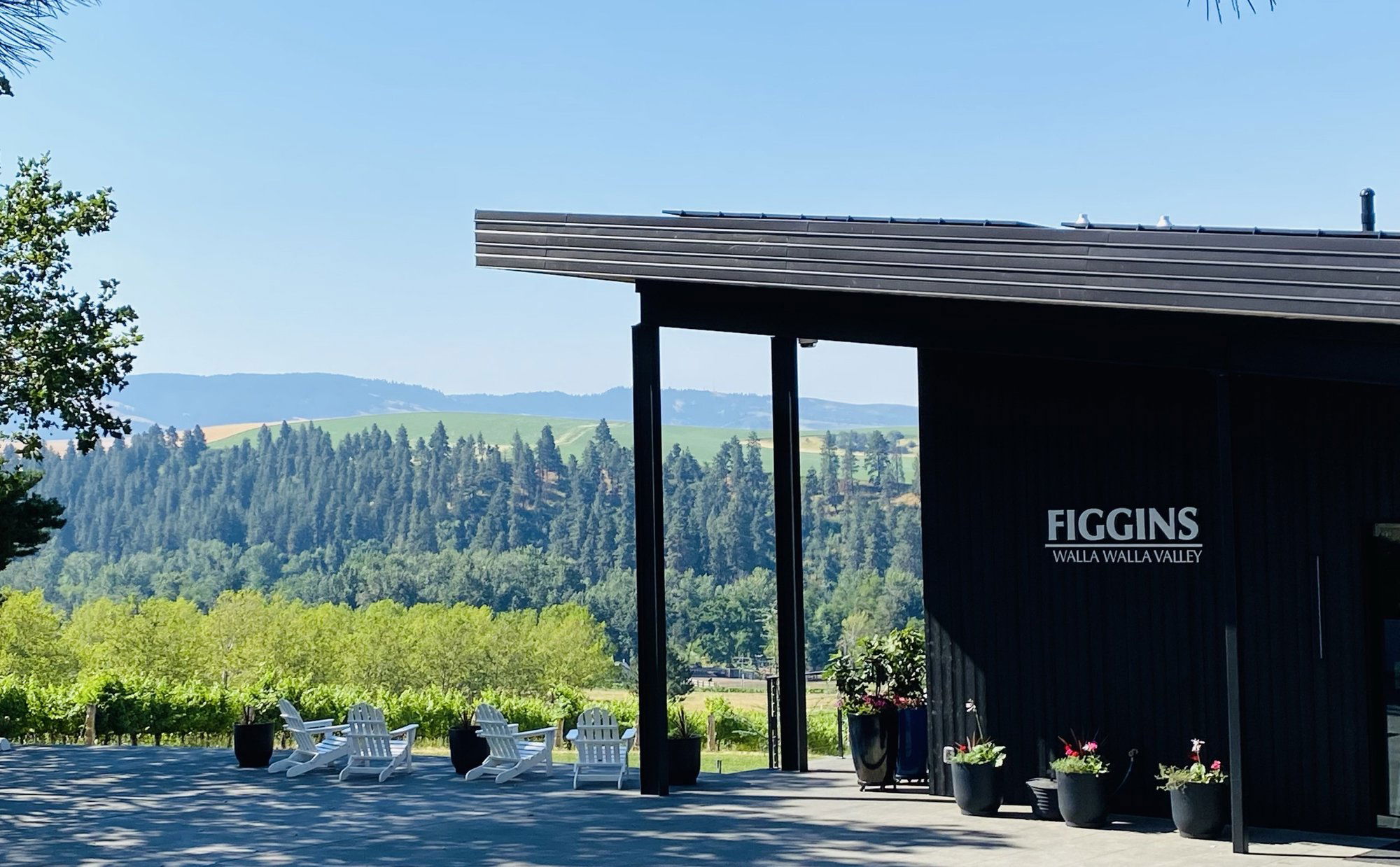
Figgins (Leonetti Family)
Walla Walla Valley, Walla Walla
Winery in Walla Walla, United States
 Book with Pearl
The Read
Cellar-First Blending Heritage
Why go
Figgins (Leonetti Family) is worth prioritizing if the Walla Walla trip is built around serious regional wine rather than casual tasting-room hopping. Booking is the main constraint, so treat it as an anchor appointment and use more flexible nearby wineries to fill the rest of the itinerary.
About Figgins (Leonetti Family)
Figgins (Leonetti Family) is a Walla Walla venue with Pearl 2 Star Prestige (2025) recognition and a smart casual dress code. Travelers should avoid assuming specific visit formats, services, pricing, hours, or policies unless they confirm them directly with the venue.
For planning purposes, keep any named comparisons to venues such as Walla Walla Vintners, Dunham Cellars, Leonetti Cellar, Reynvaan Family Vineyards, and K Vintners (Charles Smith). Those comparisons can help frame a broader itinerary, but specific tasting formats, appointment rules, menus, or service details for Figgins (Leonetti Family) should be confirmed with the venue.
Key Considerations for Visiting Figgins (Leonetti Family)
The safest recommendation is simple: treat Figgins (Leonetti Family) as a Walla Walla stop with recognition and smart casual guidance, then confirm any operational details directly before building a day around it. Do not rely on assumptions about access, timing, shipping, pricing, or the style of visit.
Use the broader Walla Walla context carefully, and cross-check Our full Walla Walla hotels guide if lodging is part of the same trip. For Figgins (Leonetti Family), key information includes its Walla Walla location, smart casual dress code, and Pearl 2 Star Prestige (2025).
Who should prioritize it in Walla Walla
Prioritize Figgins (Leonetti Family) if a Pearl-recognized Walla Walla venue fits the kind of itinerary you are building. If the deciding factor is a specific service, visit format, schedule, price, or policy, confirm that information directly before making plans.
The verdict: Figgins (Leonetti Family) is a Walla Walla venue with Pearl 2 Star Prestige (2025) recognition and smart casual dress guidance. For comparison within the same planning set, consider names such as Dunham Cellars, Leonetti Cellar, Reynvaan Family Vineyards, Walla Walla Vintners, and K Vintners (Charles Smith), while verifying each venue's current details directly.
Planning details
- Location
- 3917 Mill Creek Rd, Walla Walla, WA 99362
- Website
- figginswine.com
- Phone
- +1 509-522-7098
The take
The Take
The Vibe
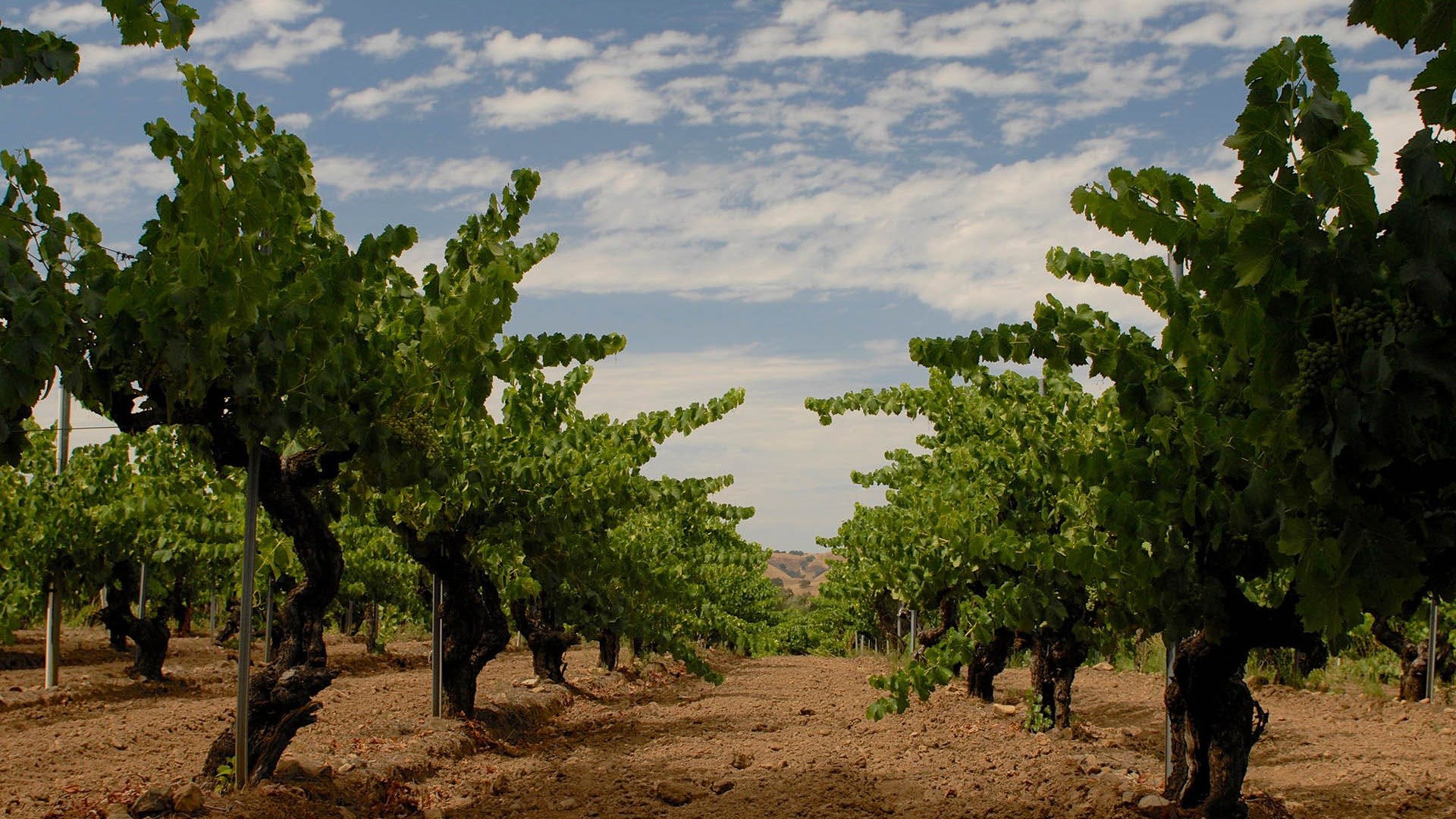
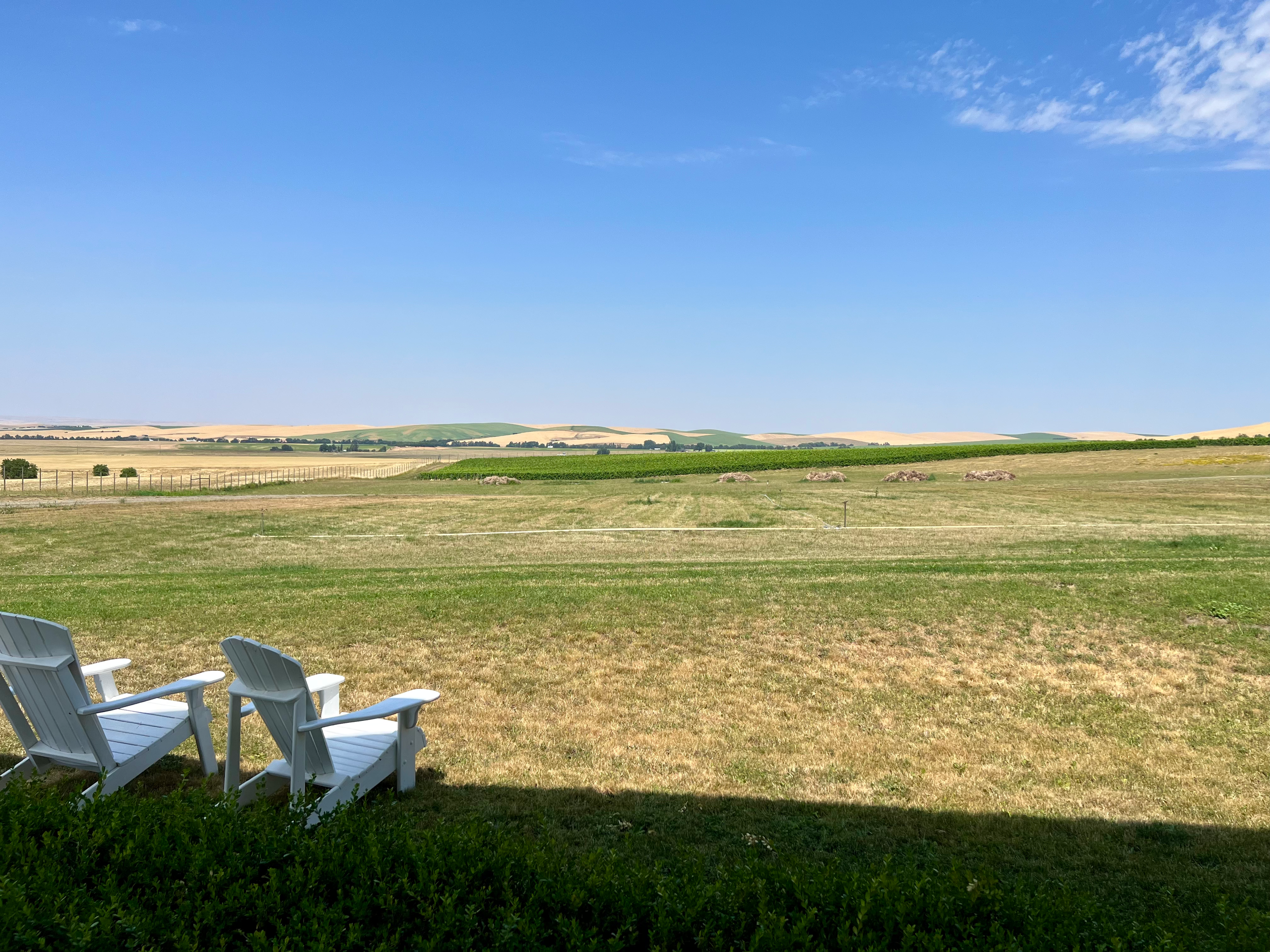
Figgins reads like a piece of Walla Walla’s winemaking history. The estate sits along Mill Creek Road toward the Blue Mountains and leverages land that helped define the region’s premium identity. The writing emphasizes lineage and place rather than trendy storytelling: vineyards, volcanic basalt soils and alluvial fans at varying elevations are presented matter-of-factly, which imparts a classic, quietly scenic character. Visitors encounter a sense of provenance more than performative showmanship—this is a site where the terroir and family legacy do the talking.
Best For
Figgins is best suited to visitors who come to learn and to mark an occasion. The copy foregrounds terroir, regional history and farming practices, making the estate a natural stop for anyone interested in deeper wine education about Walla Walla’s high-desert viticulture and Bordeaux varieties. At the same time, the label’s status as an estate-built, region-defining producer positions it as a meaningful choice for special occasions when guests want a wine experience tied to place and pedigree.
Tasting Tips
When tasting at Figgins, orient your focus around site and variety rather than fanciful descriptors. The estate emphasizes Bordeaux varieties and the structural differences produced by volcanic basalt soils and alluvial fans; ask which parcels supplied each wine and how elevation or soil type shaped that vintage. Inquire about the impacts of the region’s large diurnal swings and the dry-farmed, low-intervention practices the property describes—those factors explain acidity, phenolic development and vintage variation, and they make comparative tasting across wines especially instructive.
Venue details
Ambiance
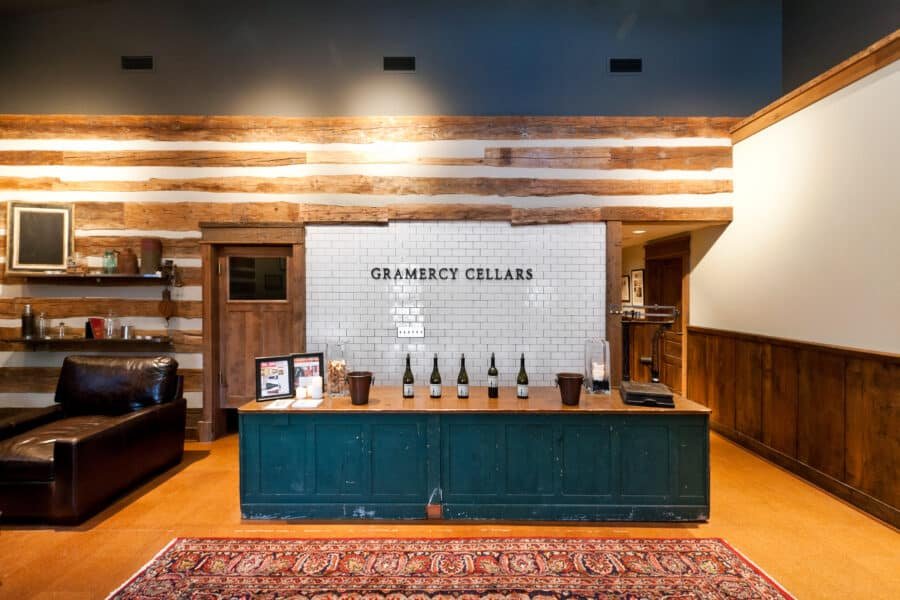
Intimate and elegant atmosphere in the estate winery and caves, rooted in family legacy and focused on exceptional wine quality.
Tags
Vibe
Best For
Experience
Sourcing
View
At the Vineyard
- Appellation
- Walla Walla Valley AVA
- Varietals
- Cabernet Sauvignon, Merlot, Petite Verdot, Riesling
- Tour Duration
- 60-90 minutes
- Visits
- By appointment only
- Farming
- Sustainable
- Wine Styles
- Still Red
- Wine Club
- Available
Know before you go
Know Before You Go
- Getting there
- 3917 Mill Creek Rd, Walla Walla, WA 99362
Planning details
Location
Also consider
Also Consider
- Walla Walla Vintners, Notable alternative
- Dunham Cellars, Notable alternative
- Leonetti Cellar, Notable alternative
- Reynvaan Family Vineyards, Notable alternative
- K Vintners (Charles Smith), Notable alternative
Winery context
How it compares in Walla Walla
Choose Figgins (Leonetti Family) over Walla Walla Vintners or Dunham Cellars when the priority is a higher-demand, collector-leaning Walla Walla stop. Those peers make more sense for travelers who value easier planning, a softer entry point, or a less rigid tasting day.
Leonetti Cellar is the closest comparison for scarcity and family-linked regional prestige, so cross-shop there if access is the main goal. Reynvaan Family Vineyards is the better comparison for visitors focused on Walla Walla's cult-producer side, while K Vintners (Charles Smith) is the smarter backup for a broader, more casual read on the region.
For value, the safer recommendation is to start with Walla Walla Vintners or Dunham Cellars, since a difficult booking only pays off when the visit is central to the trip. For depth, keep Figgins (Leonetti Family), Leonetti Cellar, and Reynvaan Family Vineyards at the top of the planning list, then add K Vintners if the group wants more energy and less formality.
Explore Walla Walla
Around this place
Discover more on Pearl
Unlock the full Figgins (Leonetti Family) guide in Pearl, including awards, comparisons, FAQs, planning details, and nearby places.
Compare Figgins (Leonetti Family)
| Venue | Location | Awards |
|---|---|---|
| Figgins (Leonetti Family) | Walla Walla | No published awards |
| Walla Walla Vintners | Walla Walla | No published awards |
| Dunham Cellars | Walla Walla | No published awards |
| Leonetti Cellar | Walla Walla | No published awards |
| Reynvaan Family Vineyards | Walla Walla | 2026 Falstaff Winery Guide2025 Pearl 4 Star Prestige |
| K Vintners (Charles Smith) | Walla Walla | 2026 Falstaff Winery Guide |


How Figgins (Leonetti Family) Walla Walla Review compares with similar nearby venues.
FAQ
Frequently Asked Questions
Do I need a reservation at Figgins (Leonetti Family)?
Figgins (Leonetti Family) is a Walla Walla venue with Pearl 2 Star Prestige (2025) recognition. Check the venue directly before planning your visit for reservation requirements.
How long should I plan for a visit to Figgins (Leonetti Family)?
Figgins (Leonetti Family) is located in Walla Walla. Plan your visit length only after checking the venue's current guidance directly.
Does Figgins (Leonetti Family) offer shipping?
If shipping is important, verify the policy directly with Figgins (Leonetti Family). For comparison, check current information from venues such as Leonetti Cellar or Walla Walla Vintners directly as needed.
What is Figgins (Leonetti Family) known for?
Figgins (Leonetti Family) is a Walla Walla venue with Pearl 2 Star Prestige (2025) recognition and a smart casual dress code.