
Winery in Villa Mercedes, Argentina
Fernet Vittone Distillery
250ptsSan Luis Amaro Production
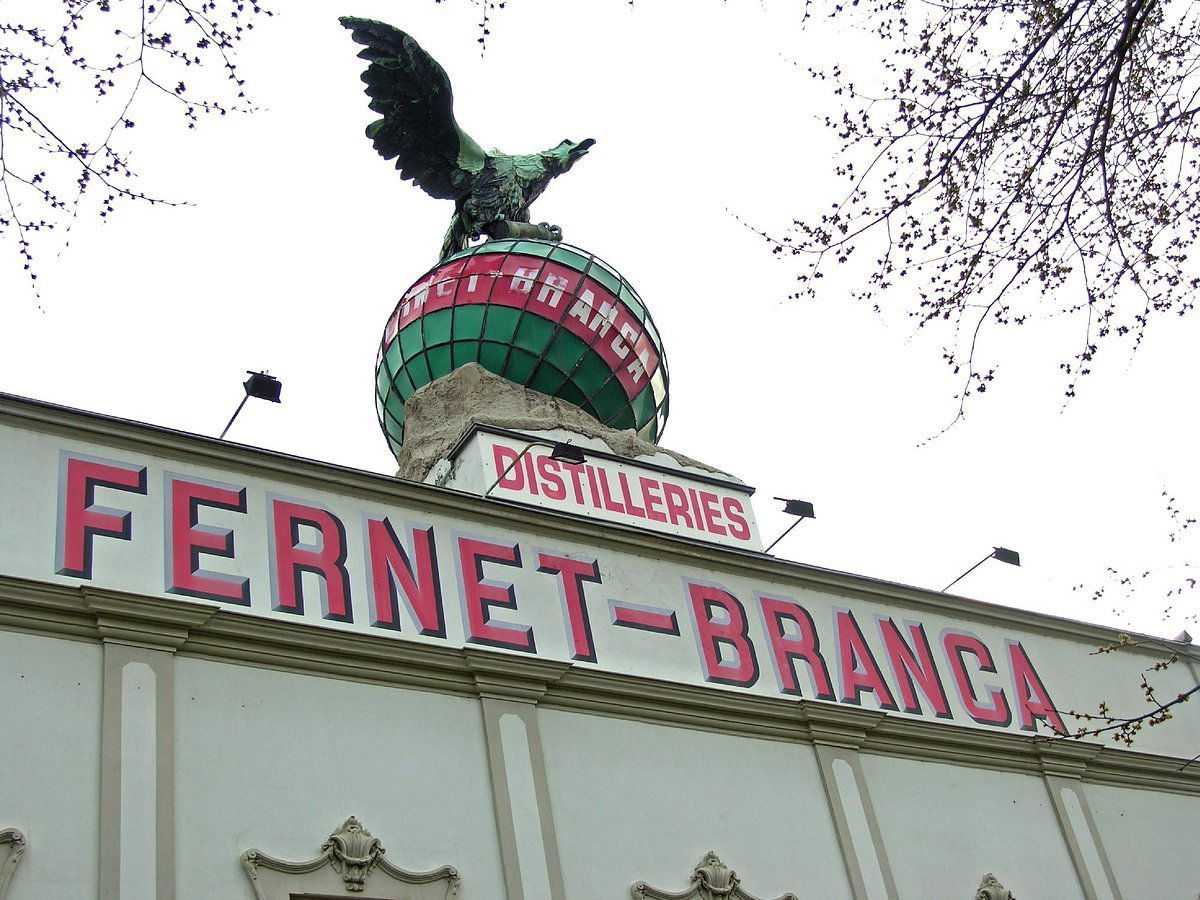
About Fernet Vittone Distillery
Fernet Vittone Distillery in Villa Mercedes, Argentina, produces classic Argentine fernet in a style that marries Italian amaro tradition with local ingredients. Production centers on botanical infusion and French-oak aging; notable expressions include Fernet Vittone (Classic), a barrel-aged Fernet Vittone Reserva (12–14 months), and limited small-batch Reserva Especial releases. The distillery is recognized within Argentina’s fernet landscape and offers intensely aromatic spirits—dark herbal bitter, menthol and citrus peel notes, bitter-sweet caramel finish—crafted for both the fernet con cola ritual and modern cocktail programs. Visitors can expect a sensory-forward story of herbs, oak spice, and rounded grapey base distilled for balance and texture.
Fernet Country: What Villa Mercedes Tells You About Argentine Amaro
Drive south from Mendoza through the flat, sun-cracked expanse of San Luis province and the landscape gives you very little to work with. Villa Mercedes is not a wine tourism hub. There are no cablecar rides over vine rows here, no polished tasting rooms with mountain backdrops. What the city does have is a distilling tradition rooted in the Italian immigrant communities that settled the Cuyo region across the nineteenth and early twentieth centuries, and Fernet Vittone Distillery is one of the most direct expressions of that lineage. The 2025 EP Club Pearl 1 Star Prestige award places it in a tier of recognised Argentine producers whose work is considered worthy of deliberate travel, not merely opportunistic discovery.
Fernet as a category occupies a specific, often misread position in global spirits. Outside Argentina, it tends to be treated as a bitter digestif consumed in small, reluctant doses. Inside Argentina, and particularly in the provinces where Italian settlement was densest, it is woven into daily drinking culture at a volume that accounts for the country being, by a considerable margin, the world’s largest per capita fernet consumer. Villa Mercedes sits within that broader tradition, and Fernet Vittone operates not as an outlier but as a local anchor within it.
Terroir and the Question of Where Bitterness Comes From
The terroir logic applied to wine, where altitude, soil composition, and diurnal temperature range shape flavour, does not translate directly to distilled bitters. But it would be wrong to say geography plays no role in what Fernet Vittone produces. The aromatic herbs and botanicals that define any fernet-style amaro are sourced, blended, and macerated against a backdrop of local water chemistry, regional climate conditions during storage, and the accumulated technical knowledge of a place. San Luis province’s dry, continental climate, with low humidity and wide temperature swings between day and night, creates cellar and storage conditions that differ materially from the humid Buenos Aires coast where [Fratelli Branca Distillery in Buenos Aires](https://www.enprimeurclub.com/wineries/fratelli-branca-distillery-buenos-aires-winery) operates at industrial scale.
That distinction matters when comparing producers. The large-format fernet brands that dominate Argentine retail have standardised their flavour profiles to reach national consistency. Smaller regional operations like Fernet Vittone are, by definition, shaped by where they are. The bitterness profile, the integration of alcohol with botanical extract, the colour depth, all carry fingerprints of the production environment in a way that factory-scale replication tends to erase. This is the closest analogue to terroir that the amaro category offers, and it is the argument for visiting a distillery in Villa Mercedes rather than simply ordering the category’s dominant brand at a Buenos Aires bar.
Placing Fernet Vittone in Argentina’s Drinks Map
Argentina’s premium drinks geography is almost entirely organised around Mendoza and its satellite wine regions: [Terrazas de los Andes in Mendoza](https://www.enprimeurclub.com/wineries/terrazas-de-los-andes-mendoza-winery), [Bodega Trapiche in El Trapiche](https://www.enprimeurclub.com/wineries/bodega-trapiche-el-trapiche-winery), [Rutini Wines (La Rural) in Tupungato](https://www.enprimeurclub.com/wineries/rutini-wines-la-rural-tupungato-winery), and [Bodega DiamAndes in Tunuían](https://www.enprimeurclub.com/wineries/bodega-diamandes-tunuyan-winery) are among the producers that anchor Mendoza’s international profile. Further north, [Bodega El Esteco in Cafayate](https://www.enprimeurclub.com/wineries/bodega-el-esteco-cafayate-winery) and [Bodega Colomé in Molinos](https://www.enprimeurclub.com/wineries/bodega-colome-molinos-winery) represent the high-altitude Salta tradition. Closer to the capital, [Escorihuela Gascón in Godoy Cruz](https://www.enprimeurclub.com/wineries/escorihuela-gascon-godoy-cruz-winery) and [Bodega Bressia in Agrelo](https://www.enprimeurclub.com/wineries/bodega-bressia-agrelo-winery) serve both wine tourists and domestic audiences.
Distilling sits largely outside that recognised circuit. Villa Mercedes is approximately three hours southeast of Mendoza city by road, a distance that removes it from the standard itinerary for wine tourists moving between bodegas. [Bodega Norton in Luján de Cuyo](https://www.enprimeurclub.com/wineries/bodega-norton-lujan-de-cuyo-winery), [Bodega Antigal in Maipú](https://www.enprimeurclub.com/wineries/bodega-antigal-maipu-winery), and [Familia Schroeder in San Patricio del Chañar](https://www.enprimeurclub.com/wineries/familia-schroeder-san-patricio-del-chanar-winery) are all positioned to catch travellers already in the Mendoza orbit. Fernet Vittone requires a different kind of intention: you come to Villa Mercedes specifically, or you pass through it with a planned stop. That specificity of purpose is, in this case, the correct frame. The Pearl 1 Star Prestige recognition is the credential that justifies rerouting.
For context on how fernet-style producers compare internationally, [Aberlour in Aberlour](https://www.enprimeurclub.com/wineries/aberlour-aberlour-winery) illustrates a parallel dynamic: a regional spirits producer whose identity is inseparable from its geography, recognised precisely because it does not attempt to replicate a globalised template. And for premium craft production in a different category entirely, [Accendo Cellars in St. Helena](https://www.enprimeurclub.com/wineries/accendo-cellars) demonstrates how EP Club’s recognition tier operates across radically different producers and regions.
What the Setting Communicates
Villa Mercedes is a mid-sized Argentine city with an economy built on agriculture, light industry, and regional services. It does not have the infrastructure that Mendoza has developed around wine tourism: no dedicated tasting corridors, no clusters of design hotels aimed at international visitors. What this means in practice is that a visit to Fernet Vittone is not mediated by hospitality packaging in the way that a Mendoza bodega visit typically is. The experience is more direct, more embedded in the city’s working character. For travellers whose interest is in how drinks are actually made in places that produce them for local consumption rather than for export positioning, that rawness is the point.
This is a category of travel that has grown meaningfully over the past decade. Spirits tourism has expanded well beyond Scotland’s whisky trail and Kentucky’s bourbon corridor to include craft distilleries, regional liqueur producers, and category-specific operations in countries where those traditions were never primarily aimed at tourists. Argentina sits in that expanding tier, and Fernet Vittone is one of the producers making the case that the country’s drinks identity extends beyond Malbec.
Planning a Visit
Because specific booking details, hours, and contact information for Fernet Vittone Distillery are not published in the sources available to EP Club at time of writing, visitors should approach planning with flexibility. Villa Mercedes is accessible by road from Mendoza (roughly three hours) and by regional bus services that connect the city to the broader San Luis province network. Arriving without a confirmed appointment at smaller regional distilleries in Argentina carries risk; contacting the producer in advance through whatever channels are locally available is the practical approach. For a broader orientation to what Villa Mercedes offers across food and drink, [our full Villa Mercedes restaurants guide](https://www.enprimeurclub.com/cities/villa-mercedes) covers the city’s wider scene.
Frequently Asked Questions
- What kind of setting is Fernet Vittone Distillery?
- Fernet Vittone Distillery is a regional spirits producer in Villa Mercedes, San Luis province, Argentina. Unlike the polished wine tourism infrastructure of the Mendoza region, the setting reflects a working distillery in a mid-sized provincial city. The 2025 EP Club Pearl 1 Star Prestige award signals recognised quality at a producer that operates outside the usual premium drinks tourism circuit.
- What’s the must-try product at Fernet Vittone Distillery?
- Fernet Vittone produces in the fernet-style amaro tradition, the category for which Argentina is the world’s largest per capita consumer. Given the regional distilling context of Villa Mercedes and the Pearl 1 Star Prestige recognition, the core fernet expression is the most logical place to begin. Specific current bottlings are leading confirmed directly with the distillery.
- What makes Fernet Vittone Distillery worth visiting?
- The 2025 Pearl 1 Star Prestige award from EP Club places Fernet Vittone in a recognised tier of Argentine producers with a case for deliberate travel. Beyond the award, the visit offers access to Argentina’s amaro tradition outside the Mendoza wine circuit, in a city where fernet culture is embedded in daily life rather than packaged for tourism. Villa Mercedes is not a typical drinks destination, which is part of what makes the stop meaningful.
- Do they take walk-ins at Fernet Vittone Distillery?
- Walk-in availability is not confirmed in the current EP Club record for this producer. Smaller regional distilleries in Argentina often operate on appointment or limited public access schedules. Given that website and phone details are not listed in available sources, contacting the distillery through local channels before arrival is advisable.
- Any planning tips for Fernet Vittone Distillery?
- Build Villa Mercedes as a dedicated stop rather than a detour from a Mendoza itinerary. The city sits roughly three hours southeast of Mendoza by road, which requires its own planning logic. Because contact details are not confirmed in current records, allow time to establish access in advance. The EP Club Pearl 1 Star Prestige recognition (2025) is the primary quality anchor for the visit.
- How does Fernet Vittone compare to large-scale Argentine fernet producers?
- The industrial fernet brands that dominate Argentine retail are standardised across production sites and aimed at national consistency. Fernet Vittone, as a regional producer in Villa Mercedes with a Pearl 1 Star Prestige award (2025), operates in a different register: smaller scale, geographically specific, and shaped by the production conditions of San Luis province. The distinction is comparable to the difference between a regional artisan spirits producer and a nationally distributed category leader, where the argument for the former rests on character and provenance rather than availability.
Related editorial
- Best Fine Dining Restaurants in ParisFrom three-Michelin-star icons to the next generation of Parisian chefs pushing boundaries, these are the restaurants that define fine dining in the world's culinary capital.
- Best Luxury Hotels in RomeFrom rooftop terraces overlooking ancient ruins to Michelin-starred hotel dining, these are the luxury hotels that make Rome unforgettable.
- Best Cocktail Bars in KyotoFrom sleek lounges to hidden speakeasies, Kyoto's cocktail scene blends Japanese precision with global influence in ways you won't find anywhere else.
Save or rate Fernet Vittone Distillery on Pearl
Keep this venue in your Pearl passport, rate it after you visit, and track it alongside every other place you collect.