
Winery in Vienna, Austria
Weingut Rainer Christ
500ptsFloridsdorf Prestige Viticulture
About Weingut Rainer Christ
Weingut Rainer Christ operates from Vienna's 21st district, representing one of the city's small but serious contingent of urban wine producers. The estate holds a Pearl 2 Star Prestige rating for 2025, placing it among the more formally recognised names in Vienna's Gemischter Satz and Grüner Veltliner tradition. For visitors exploring Austrian wine without leaving the city limits, it offers a direct encounter with Viennese viticulture on its home ground.
Wine Grown Inside the City Limits
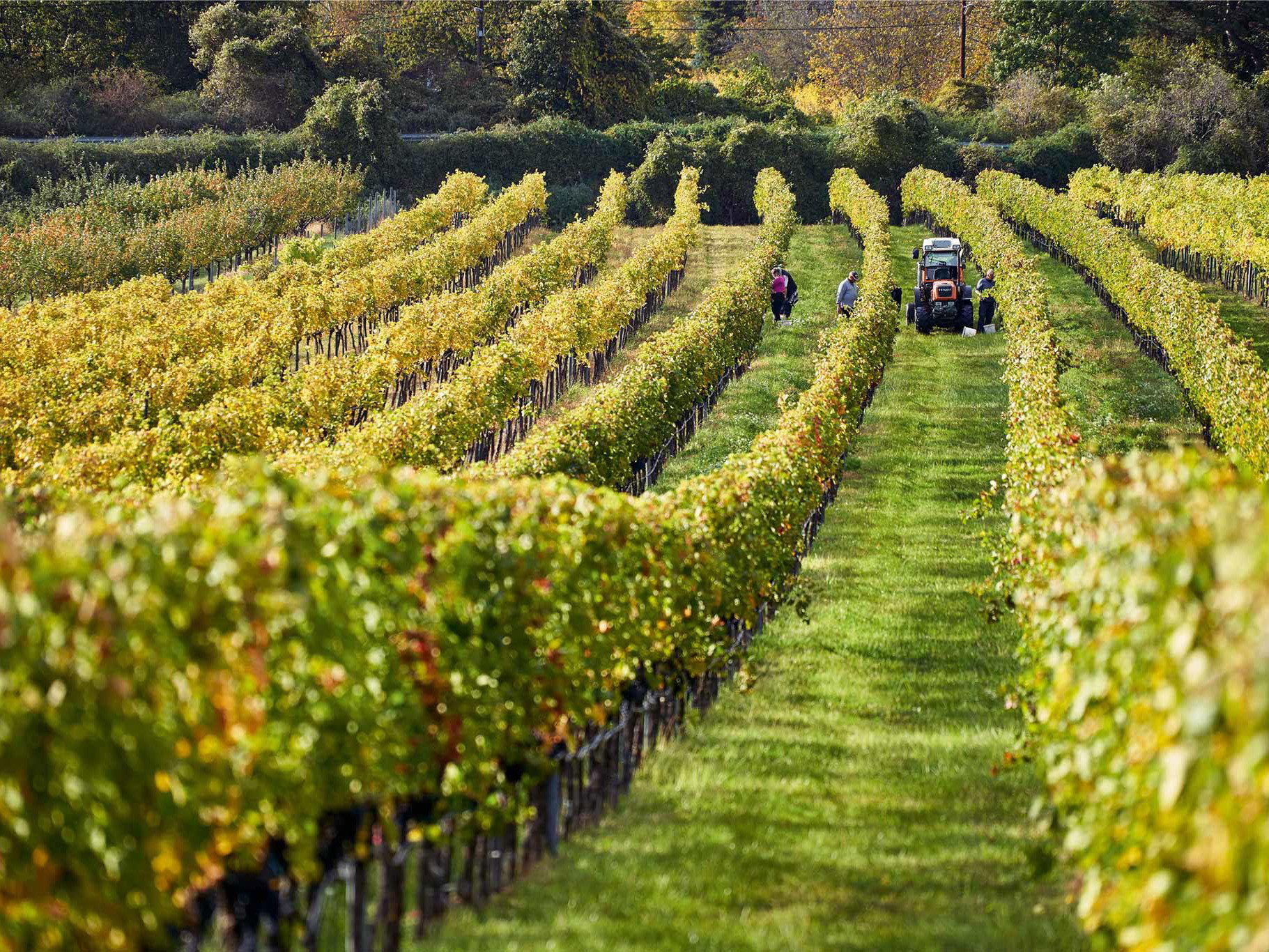
Vienna occupies a position that almost no other major capital can claim: it is a functioning wine region. The vineyards that run along the northern and western fringes of the city, from Grinzing through Neustift and up into the hills above Heiligenstadt, produce wine under an appellation that belongs entirely within the municipal boundary. This isn't a historical curiosity kept alive for tourism. Vienna's DAC designation, formally established for Gemischter Satz in 2013, codifies a wine style that the city has been producing in some form for centuries, and producers who hold serious ratings within that framework are operating inside a competitive, internationally watched category.
Weingut Rainer Christ, addressed at Amtsstraße 12 in the 21st district, sits within this urban wine tradition and has earned a Pearl 2 Star Prestige rating for 2025. That credential places it in a tier that requires more than local reputation to sustain. Vienna's recognised wine estates are a relatively small group when measured against the volume of producers in Lower Austria's Kamptal or Wachau, which makes formal recognition within the city's own scene more weighted than equivalent recognition might be in a larger regional appellation.
The 21st District as a Wine Address
Floridsdorf, Vienna's 21st district, sits on the north bank of the Danube, separated from the city's more visited wine suburbs by the river. The area is less associated with the heurigen culture of Grinzing or Neustift am Walde, where visitors tend to cluster on summer evenings, and more rooted in the working agricultural edge of the city. Producers based here occupy a quieter position in Vienna's wine geography, which reflects in the character of the visits they offer: less tourist infrastructure, more direct contact with the production side.
This positioning matters when comparing Vienna's urban wineries as a group. Estates like Weingut Fritz Wieninger, Weingut Fuhrgassl-Huber, and Weingut Mayer am Pfarrplatz carry strong name recognition partly because they operate in or adjacent to the traditional heurigen belt, where foot traffic and dining culture amplify visibility. A Floridsdorf address like Rainer Christ's puts the emphasis elsewhere: on the wine itself and the seriousness with which the estate pursues its ratings-level standing.
Gemischter Satz and What It Actually Means
To understand what a Vienna winery at this level is producing, it helps to understand Gemischter Satz as a category. The style requires that multiple grape varieties be planted and harvested together in the same vineyard, then fermented as a single wine. Vienna's DAC rules for Gemischter Satz specify minimum variety counts and restrict the dominant variety's share of the blend. The result is a wine style that reflects the mixed-planting tradition of older Viennese vineyards rather than the single-variety parcels that dominate most modern European appellations.
Grüner Veltliner is also grown widely across Vienna, often alongside Riesling and other permitted varieties, and producers at the prestige tier work both categories. The technical challenge in Gemischter Satz is achieving coherence across varieties that ripen at different rates and express differently under the same site conditions. Estates that hold Pearl-level recognition within Vienna's framework have demonstrated consistency in meeting that challenge across multiple vintages, which is a different kind of credential than a single outstanding release.
For broader Austrian context, the country's wine scene now spans several internationally competitive regions. Weingut Bründlmayer in Langenlois and Weingut Emmerich Knoll in Dürnstein represent the Kamptal and Wachau traditions respectively, while Weingut Kracher in Illmitz anchors the Burgenland sweet wine category. Vienna's urban producers occupy a distinct niche within that national picture, one defined by geography and appellation logic rather than by competing directly on the same varietal ground as the country's larger wine regions.
Vienna's Urban Winery Tier in 2025
The city's formally rated wineries form a small competitive set. Beyond the names already mentioned, Weingut Walter Wien Distillery and 1516 Brewing Company Distillery represent adjacent production cultures operating within the same city framework. Vienna's drinking scene has always accommodated multiple fermentation traditions, from wine to beer to spirits, partly because its heurigen culture historically blurred the line between production and hospitality in ways that formal categorisation later had to catch up with.
Within the wine-specific group, holding a Pearl 2 Star Prestige designation in 2025 positions Weingut Rainer Christ above the general field of Vienna producers and in alignment with the estates that Austrian wine buyers and international journalists treat as reference points for the city's appellation. That's a useful signal for anyone planning a visit focused on understanding what Vienna DAC wine actually represents at the level where it receives formal critical attention.
Visitors who want to extend their Austrian wine itinerary beyond Vienna have strong options in every direction. Weingut Pittnauer in Gols represents Burgenland's natural-leaning producers, Weingut Wohlmuth in Kitzeck anchors Styria's high-altitude Sauvignon Blanc tradition, and Weingut Heinrich Hartl in Oberwaltersdorf operates in Thermenregion. Each represents a different expression of Austrian terroir and a different reason to travel outside the city. For contrast from wine entirely, Weingut Scheiblhofer Distillery in Andau crosses the production boundary into spirits within the same Burgenland geography.
For reference points outside Austria, the logic of small, city-adjacent or appellation-specific producers working at prestige tier has parallels globally. Accendo Cellars in St. Helena operates in Napa's allocation-driven upper tier under similar conditions of limited production and strong critical recognition, while Aberlour in Aberlour illustrates how a regional production tradition can sustain serious credentials within a category defined by geography and craft consistency over time.
Planning a Visit
Weingut Rainer Christ is located at Amtsstraße 12, 1210 Wien, in Vienna's Floridsdorf district. The 21st district is accessible by U-Bahn and by tram from central Vienna, and the address sits outside the main tourist circuit, which means visits here tend to attract a more purposeful audience than the busier heurigen zones. Specific visiting hours, tasting formats, and booking arrangements are not listed in current public records, so direct contact with the estate before visiting is advisable. Given the Pearl 2 Star Prestige standing, demand during harvest season and peak autumn weekends is likely to be higher than the address alone would suggest.
For broader context on Vienna's eating and drinking scene, the EP Club Vienna guide covers the full range of the city's hospitality, from the heurigen belt to the inner districts' restaurant culture. Vienna rewards visitors who treat it as a wine city alongside everything else it offers, and producers at the prestige tier of its urban appellation are the clearest entry point into understanding why that reputation has held.
Frequently Asked Questions
How would you describe the overall feel of Weingut Rainer Christ?
The estate operates from Floridsdorf, Vienna's 21st district, on the north bank of the Danube. That positioning places it outside the well-worn heurigen trail of the western suburbs and gives it a more production-focused character. The Pearl 2 Star Prestige rating for 2025 signals that this is a serious wine address rather than a hospitality-first destination. Visitors who arrive expecting the relaxed garden culture of Grinzing will find something more purposeful; those who come specifically to engage with Vienna DAC wine at a recognised critical level will find the address appropriate to that interest.
What's the signature bottle at Weingut Rainer Christ?
Vienna's formally recognised producers at the prestige tier typically anchor their reputation in Gemischter Satz and Grüner Veltliner, the two categories that define Vienna DAC. Rainer Christ holds Pearl 2 Star Prestige recognition for 2025, which reflects consistent quality across the estate's range rather than a single release. Specific current bottlings and their availability are leading confirmed directly with the estate, as production volumes at this level are generally limited and allocation patterns vary by vintage and market.
Why do people go to Weingut Rainer Christ?
The primary reason is direct access to Vienna's wine appellation at a level where it receives formal critical recognition. The Pearl 2 Star Prestige designation for 2025 distinguishes this estate from the general field of Vienna producers and places it among the reference points for the city's DAC wines. For visitors building an understanding of Austrian wine from the inside, a producer at this tier, operating within the city limits of one of the world's only capital wine regions, offers something that no Lower Austria or Burgenland visit can replicate: wine made from vineyards that are part of the city itself.
Related editorial
- Best Fine Dining Restaurants in ParisFrom three-Michelin-star icons to the next generation of Parisian chefs pushing boundaries, these are the restaurants that define fine dining in the world's culinary capital.
- Best Luxury Hotels in RomeFrom rooftop terraces overlooking ancient ruins to Michelin-starred hotel dining, these are the luxury hotels that make Rome unforgettable.
- Best Cocktail Bars in KyotoFrom sleek lounges to hidden speakeasies, Kyoto's cocktail scene blends Japanese precision with global influence in ways you won't find anywhere else.
Save or rate Weingut Rainer Christ on Pearl
Keep this venue in your Pearl passport, rate it after you visit, and track it alongside every other place you collect.