
Winery in Vienna, Austria
Weingut Mayer am Pfarrplatz
500ptsUrban Vineyard Heuriger
About Weingut Mayer am Pfarrplatz
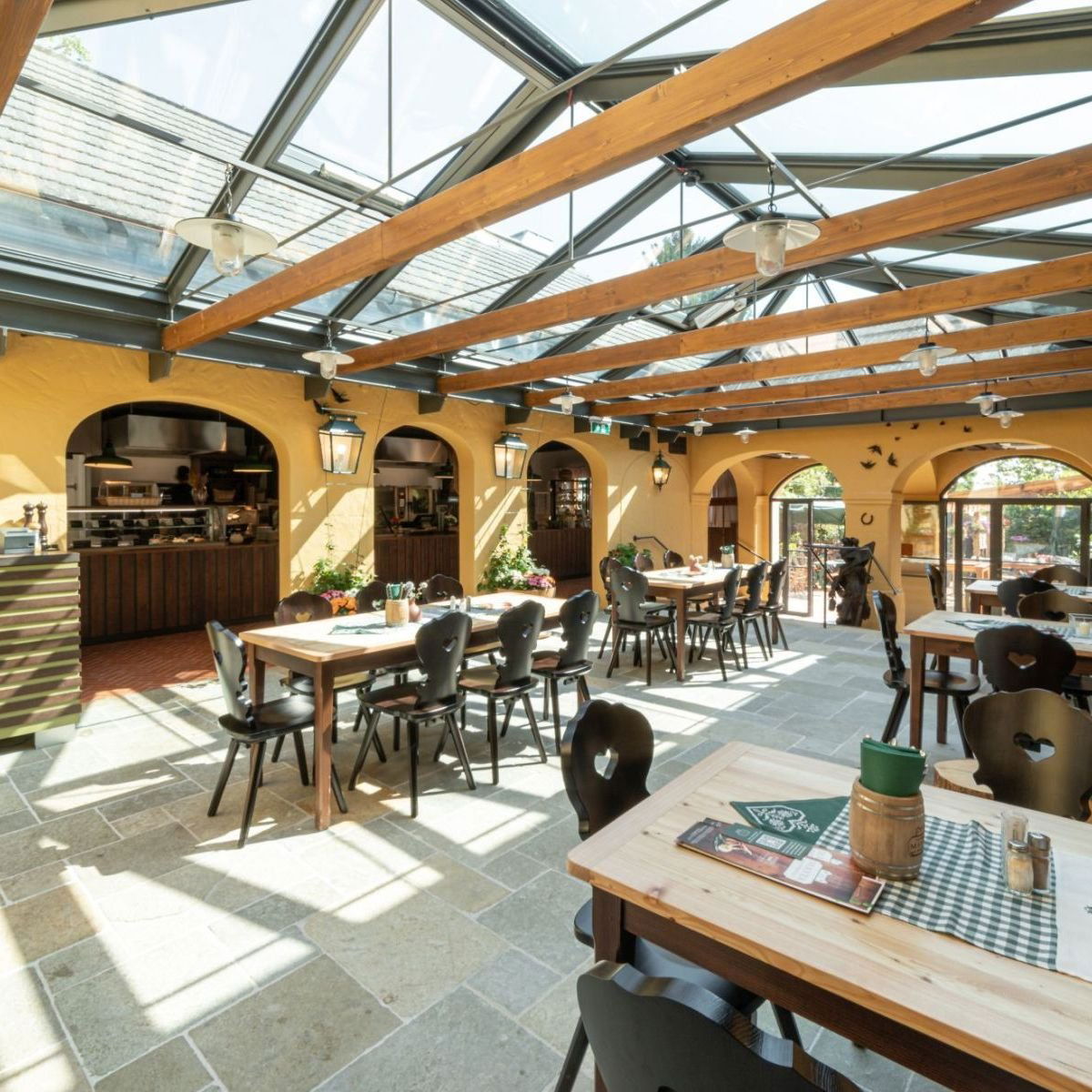
Weingut Mayer am Pfarrplatz sits in Vienna's 19th district, where the city's Heuriger tradition meets contemporary wine production. Holder of a Pearl 2 Star Prestige award in 2025, it occupies a distinct position among Vienna's urban wineries, combining on-site hospitality with wines grown within the city limits. For visitors interested in the intersection of Austrian food culture and local viticulture, it remains a reference address.
Grinzing, Heiligenstadt, and the Discipline of Urban Wine
Vienna is one of the few European capitals with a functioning wine industry inside its own city limits. The vineyards of the 19th district, Döbling, stretch across hillsides that slope toward the Danube, and the estates that have survived here operate in a category with almost no international equivalent: wineries that double as dining destinations, embedded in residential neighbourhoods, serving food and wine to guests who arrive on foot or by tram. The Heuriger format, the traditional Austrian wine tavern permitted to sell its own production alongside simple food, developed precisely in this geography, and Weingut Mayer am Pfarrplatz belongs to that lineage. Its address on Pfarrplatz, in the Heiligenstadt neighbourhood, places it among the older, more documented corners of Viennese wine culture.
The 2025 Pearl 2 Star Prestige award positions Mayer am Pfarrplatz within the upper tier of Vienna's urban wine estate scene, a cohort that includes Weingut Fritz Wieninger, Weingut Fuhrgassl-Huber, and Weingut Rainer Christ. These are not interchangeable. Each occupies a distinct corner of the city and reflects different production philosophies, price points, and hospitality formats. What ties them together is the Wiener Gemischter Satz DAC designation, a protected appellation for field-blended white wines grown and vinified within the city, and the expectation that visitors will eat and drink on site, not just pick up a bottle and leave.
The Heuriger Table and What It Demands
The pairing logic of a Viennese Heuriger is specific. The food is traditionally cold or simply prepared: sliced meats, pickled vegetables, bread, lard-based spreads, hard cheese. These are not dishes designed to compete with the wine; they are calibrated to frame it. The relative acidity and weight of a Gemischter Satz, or the structured character of a Grüner Veltliner from Döbling slopes, finds its counterpart in the salt and fat of a well-composed Heuriger board. Visiting Mayer am Pfarrplatz with the expectation of a full restaurant menu will misalign the experience. The correct frame is a slower one: wine chosen first, food arranged around it, the courtyard or interior space treated as the destination rather than the backdrop.
This format discipline is what separates the prestige Heuriger tier from the more casual garden operations that fill the outer suburbs. At the level signalled by a Pearl 2 Star Prestige recognition, the selection on offer is expected to include wines with some ageing potential and technical seriousness, not merely young, lively house pours priced for volume. The food component, however modest in formal register, carries equivalent weight: a poorly sourced Brettljause next to a well-made Wiener Gemischter Satz is a category error that no number of outdoor tables can compensate for.
Gemischter Satz and the Logic of Field Blends
The Wiener Gemischter Satz DAC requires that at least three grape varieties are planted intermingled in the same vineyard, harvested together, and fermented as a single wine. The resulting profile varies by site and composition, but the format tends to produce wines with layered texture and a complexity of aroma that single-variety whites rarely achieve at comparable price points. It is a style that rewards attention at the table rather than analysis in isolation, which is partly why the Heuriger format suits it so well: the wine is understood through the meal, not apart from it.
Vienna's Gemischter Satz revival over the past two decades has attracted interest from wine journalists across Europe, and estates within Döbling have benefited from that attention. For visitors who know Austrian wine primarily through the Wachau corridor, with reference names such as Weingut Emmerich Knoll in Dürnstein or Weingut Bründlmayer in Langenlois, the urban Vienna context offers a distinct counterpoint. The wines are younger in their formal recognition, the settings are more accessible, and the price structure reflects a different production model. That is not a limitation; it is a different set of values.
Placing Mayer am Pfarrplatz in Vienna's Wider Drinking Circuit
A day centred on Viennese wine culture does not need to stay in the 19th district. The city's craft production has diversified in parallel with its wine estate scene, and addresses like 1516 Brewing Company Distillery and Weingut Walter Wien Distillery offer different registers of Austrian drink culture for visitors who want range. These are not substitutes for a Heuriger afternoon, but they extend the conversation about what Vienna produces and how it frames its production for on-site visitors.
For those who want to extend into Austrian wine regions beyond the capital, the range of estates accessible by day trip or short train journey is substantial. Weingut Kracher in Illmitz anchors the Burgenland sweet wine tradition; Weingut Pittnauer in Gols works biodynamically with Blaufränkisch and other reds; Weingut Scheiblhofer Distillery in Andau combines wine and spirits production in the eastern Burgenland; and Weingut Wohlmuth in Kitzeck brings Styrian Sauvignon Blanc and Muskateller into the picture. Weingut Heinrich Hartl in Oberwaltersdorf rounds out the Thermenregion perspective south of the city. All sit within Austria's broader wine geography, but the starting point of a Heuriger afternoon in Heiligenstadt gives that wider exploration its domestic anchor.
For visitors building a more complete picture of Vienna's eating and drinking offer, the full Vienna restaurants guide covers the city's other prestige categories alongside the wine estate circuit.
Planning a Visit
Weingut Mayer am Pfarrplatz sits at Pfarrplatz 2, 1190 Wien, reachable via U4 to Heiligenstadt and a short walk into the historic centre of the neighbourhood. The Heuriger format tends to draw longer visits than a conventional restaurant, particularly in warmer months when courtyard seating becomes the dominant experience. Arriving mid-afternoon on a weekday avoids peak weekend volume. The Pearl 2 Star Prestige recognition suggests this is an address where the wine selection merits deliberate attention rather than a single glass in passing. Visitors planning a serious session across multiple pours and a composed food board should treat the visit as a two-to-three hour commitment, not a quick stop.
For international visitors comparing this against other prestige estates, the Heuriger model operates on different terms than a cellar-door tasting appointment at an estate like Aberlour in Aberlour or a reservation-only format such as Accendo Cellars in St. Helena. Vienna's urban wine estates are more open in format, more embedded in everyday city life, and less structured around appointment-only access. That accessibility is part of their identity, not a compromise.
Frequently Asked Questions
- What wines should I try at Weingut Mayer am Pfarrplatz?
- The Wiener Gemischter Satz DAC is the most historically grounded choice at any Döbling estate, including Mayer am Pfarrplatz. This field-blend white wine is native to Vienna's urban vineyards and is the style that defines the city's wine identity. Grüner Veltliner from the Heiligenstadt slopes is the secondary reference. The 2025 Pearl 2 Star Prestige award signals that the estate's selections merit attention across the range, not only the entry-level house pours.
- What is Weingut Mayer am Pfarrplatz leading at?
- The combination of on-site Heuriger hospitality and estate wine production within Vienna's city limits is where Mayer am Pfarrplatz has its clearest strength. The 2025 Pearl 2 Star Prestige recognition places it in the upper tier of Vienna's urban wine estate category. For visitors who want to experience Gemischter Satz in its correct cultural context, an on-site visit outperforms any retail or off-premises encounter with the same wine.
- Do I need a reservation for Weingut Mayer am Pfarrplatz?
- Vienna's Heuriger format is generally more accessible than a formal restaurant, but the Pearl 2 Star Prestige level suggests this address draws consistent demand, particularly on weekends and in the summer season. Booking ahead for groups is advisable; individual visitors arriving on weekday afternoons typically find capacity. No booking phone number or website is confirmed in current data, so checking directly through search or a local concierge before a weekend visit is the practical approach.
- What is Weingut Mayer am Pfarrplatz a strong choice for?
- It suits visitors who want to understand Viennese wine culture through direct experience rather than a retail context, particularly those interested in the Heuriger tradition as a distinct Austrian hospitality format. The Pearl 2 Star Prestige award (2025) places it above casual garden taverns in terms of wine seriousness. For travellers building an Austrian wine itinerary anchored in Vienna, it functions as the urban reference point before excursions to Wachau, Burgenland, or Styria.
- How does Weingut Mayer am Pfarrplatz connect to Vienna's history of wine production?
- The Heiligenstadt address carries documented weight in Vienna's wine geography: the area has been associated with viticulture since at least the medieval period, and the Pfarrplatz location itself sits in one of the most historically dense corners of the 19th district. The estate's Pearl 2 Star Prestige recognition in 2025 confirms its current standing within that long tradition, placing it among the addresses where Vienna's urban wine identity is actively maintained rather than merely commemorated. For visitors who know Austrian wine through the major river valley appellations, Mayer am Pfarrplatz offers the in-city version of a tradition those regions share.
Related editorial
- Best Fine Dining Restaurants in ParisFrom three-Michelin-star icons to the next generation of Parisian chefs pushing boundaries, these are the restaurants that define fine dining in the world's culinary capital.
- Best Luxury Hotels in RomeFrom rooftop terraces overlooking ancient ruins to Michelin-starred hotel dining, these are the luxury hotels that make Rome unforgettable.
- Best Cocktail Bars in KyotoFrom sleek lounges to hidden speakeasies, Kyoto's cocktail scene blends Japanese precision with global influence in ways you won't find anywhere else.
Save or rate Weingut Mayer am Pfarrplatz on Pearl
Keep this venue in your Pearl passport, rate it after you visit, and track it alongside every other place you collect.