Distilleria Castagner
Visnà di Vazzola, Vazzola
Winery in Vazzola, Italy
 Book with Pearl
The Read
Terroir-Driven Pomace Distillation
Why go
Distilleria Castagner is worth prioritizing if the goal is a serious Veneto spirits stop rather than a casual winery tasting. Treat it as a planned producer visit in Vazzola, with logistics confirmed before building the rest of the day around restaurants, hotels, or bars nearby.
About Distilleria Castagner
Distilleria Castagner is a venue in Vazzola with Pearl 2 Star Prestige (2025), and the dress code is smart casual. Those details are useful for planning, though practical visit details such as tastings, food, prices, opening hours, or services should be confirmed directly.
For planning, the safest approach is to focus on what is known rather than filling in the gaps with expectations from other venues. Distilleria Castagner may be relevant for travelers comparing notable venues, especially when Vazzola is already part of a broader itinerary, but you should confirm the menu, public schedule, reservation channel, address details, and on-site hospitality format before relying on it. In practical terms, that means it should be considered a point of interest with confirmed recognition and dress guidance, not a fully documented stop with all logistics settled in advance.
Choose it with confirmed details in mind
Because hours, prices, phone number, website, food service, or visit format are not listed here, do not treat Distilleria Castagner as a guaranteed walk-up stop. That caution matters most when you are building a day with several moving parts, because an uncertain detail can affect the rest of the plan. If you are planning a day around it, confirm access and timing directly before arranging other meals, hotels, bars, or experiences nearby. A smart casual dress code gives some guidance on how to present yourself, but it does not answer the more important operational questions of when, how, or whether a visitor can be accommodated.
For comparison, category-relevant names to consider include Bonaventura Maschio, Bottega, Distilleria Andrea Da Ponte, Distilleria Nardini, and Negroni Antica Distilleria. Use those comparisons as general planning references rather than assuming the same location, format, services, or visitor experience. They can help orient the kind of category you may be researching, but they should not be used to infer anything specific about Distilleria Castagner. In particular, do not transfer expectations about schedules, hospitality style, dining availability, or visitor access from one named venue to another without checking each one separately.
How to frame the visit if this is your first stop in Vazzola
Plan around the facts that are confirmed: Distilleria Castagner is in Vazzola, has a smart casual dress code, and is recognized with Pearl 2 Star Prestige (2025). Those facts provide a basic frame, but they leave the essential travel questions open. Beyond that, the practical details need direct confirmation. If your schedule is tight, verify logistics before making it the anchor of the day. This is especially important if the stop would determine when you arrive in Vazzola, how long you remain there, or whether you need to coordinate meals and other experiences around it.
For a wider route, compare Distilleria Castagner with other named venues only at a general level. Bonaventura Maschio, Bottega, Distilleria Andrea Da Ponte, Distilleria Nardini, and Negroni Antica Distilleria can help frame alternatives, while other dining in Vazzola should be planned separately if you need a confirmed meal. In other words, use Distilleria Castagner as a cautiously documented entry in your research rather than a complete itinerary solution. The strongest reading of the available information is simple: it is a recognized Vazzola venue with smart casual dress guidance, and every operational detail beyond that should be checked before you rely on it.
Planning details
- Location
- Via Bosco, 43, 31028 Vazzola TV
- Website
- grappacastagner.it
- Phone
- +39 0438 793811
The take
The Take
The Vibe
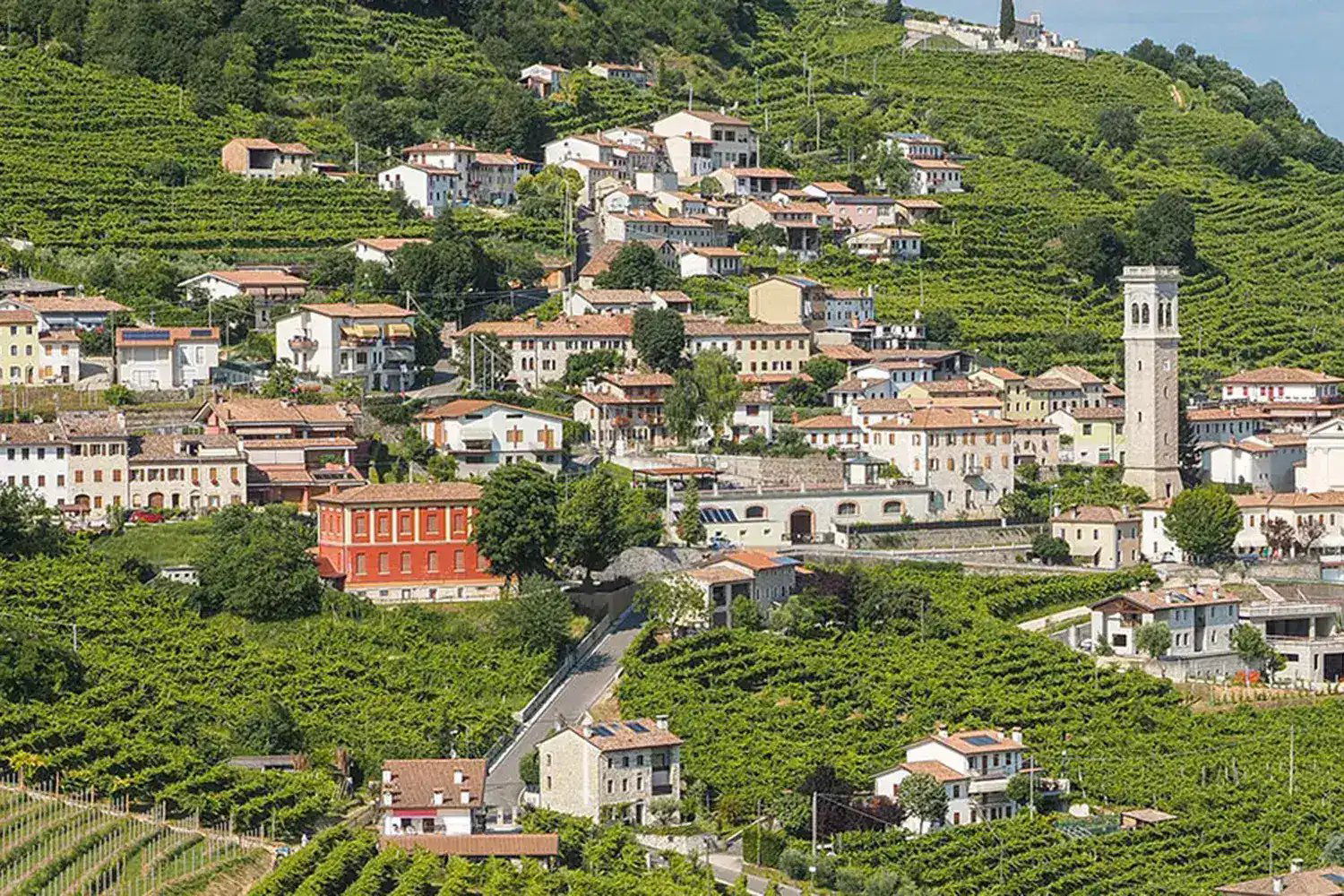
Distilleria Castagner presents itself as an understated, workmanlike producer anchored in the agricultural landscape of the Marca Trevigiana. You arrive along lanes of low vines and river terraces and encounter a functioning distillery rather than a polished tourist showcase. The writing emphasizes craft rooted in place — distilling that belongs to local farms and generations — and it situates Castagner among respected peers in Italy’s spirits scene. That combination of rural setting, historical continuity, and a quietly competitive reputation gives the place a scenic, historic, and slightly hidden-gem character.
Best For
Castagner suits visitors who are interested in the production side of spirits and the question of terroir rather than those seeking a flashy tasting-room experience. The profile emphasizes the distillery’s working, agricultural logic and its place within regional conversations about premium grappa, making it a strong fit for students of distillation, serious grappa enthusiasts, and readers of comparative spirits criticism. Its recent 2025 Pearl 2 Star Prestige recognition signals that the distillery is worth attention from people who care about quality and provenance.
Tasting Tips
When approaching Castagner’s bottlings, prioritize read‑the‑label attention to provenance and any prestige designations: the text explicitly notes the distillery’s 2025 Pearl 2 Star Prestige recognition. The editorial focus in the description centers on 'what the land contributes,' so look for product notes or labeling that reference grape sources, pomace provenance or production methods. Because the property is described as a working facility rather than a showroom, selecting bottles that highlight origin and technical detail will best reflect the qualities the write‑up emphasizes.
Venue details
Ambiance
Suggestive and ample barrel cellar with modern industrial distillation towers creating a blend of tradition and cutting-edge technology.
Tags
Vibe
Best For
Experience
Sourcing
View
At the Vineyard
- Appellation
- Veneto
- Varietals
- Glera, Corvina, Rondinella, Nebbiolo, Merlot
- Tour Duration
- 60-90 minutes
- Tour Languages
- Italian, English
- Visits
- By appointment only
- Farming
- Organic
- Production
- Large producer
- Wine Club
- Not available
Know before you go
Know Before You Go
- Getting there
- Via Bosco, 43, 31028 Vazzola TV
Planning details
Location
Also consider
If you cannot secure Castagner
Try Distilleria Andrea Da Ponte or Bonaventura Maschio first if the goal is a similar spirits-led visit. Choose Bottega instead if the group includes people who would rather have a broader Veneto producer experience than a distillation-focused appointment.
Winery context
How It Compares
Distilleria Castagner is the more focused choice if the visit is about distillation and grape spirits rather than a broad Veneto lifestyle stop. Bottega is the easier cross-shop for visitors who want a more familiar wine-adjacent name, while Bonaventura Maschio and Distilleria Andrea Da Ponte sit closer to the same spirits-led lane.
For heritage pull, Distilleria Nardini is the stronger alternative; choose it if the trip needs a more historically framed producer stop. Negroni Antica Distilleria is a sensible backup for a distillery-focused itinerary, especially if access at Castagner is difficult to secure.
Value depends less on ticket price here and more on whether the format matches the day. If the group wants food, flexible hours, and a casual drop-in feel, start elsewhere. If the group wants a production-led spirits visit in the Vazzola area, Castagner is the sharper booking target.
Explore Vazzola
Around this place
Discover more on Pearl
Unlock the full Distilleria Castagner guide in Pearl, including awards, comparisons, FAQs, planning details, and nearby places.
Compare Distilleria Castagner
| Venue | Location | Awards |
|---|---|---|
| Distilleria Castagner | Vazzola | No published awards |
| Bottega | Bibano di Godega | 2026 Falstaff Winery Guide |
| Bonaventura Maschio | Gaiarine | No published awards |
| Negroni Antica Distilleria | Mareno di Piave | No published awards |
| Distilleria Andrea Da Ponte | Conegliano | No published awards |
| Distilleria Nardini | Bassano del Grappa | No published awards |

How Distilleria Castagner Vazzola compares with similar nearby venues.
FAQ
Frequently Asked Questions
What is confirmed about Distilleria Castagner?
The confirmed details are that Distilleria Castagner is in Vazzola, has a smart casual dress code, and holds Pearl 2 Star Prestige (2025).
How long should I plan for a visit to Distilleria Castagner?
Does Distilleria Castagner serve food?
No food service or cuisine type is listed here. If you need a confirmed meal, plan a separate dining stop in Vazzola.
Are there membership or purchase options at Distilleria Castagner?
No membership, purchase, or retail details are listed here. Consider the confirmed Pearl 2 Star Prestige (2025) recognition, but check current details directly before making plans.
What other venues can I compare with Distilleria Castagner?
For general comparison, consider Bonaventura Maschio, Bottega, Distilleria Andrea Da Ponte, Distilleria Nardini, and Negroni Antica Distilleria. Confirm each venue's location, access, and visit format separately before planning a route.
Does Distilleria Castagner offer shipping?
Do I need a reservation at Distilleria Castagner?
No reservation policy or public hours are listed here. The prudent approach is to confirm access in advance, especially if Distilleria Castagner is a key stop in your Vazzola plans.