
Bérêche et Fils
Ludes, Vaudemange
Winery in Vaudemange, France
 Book with Pearl
The Read
Northern Montagne Terroir Precision
Why go
Bérêche et Fils is worth pursuing for a serious Champagne-focused occasion, especially if grower-producer access matters more than a formal tourism setup. With a first vintage in 1979 and Raphaël and Vincent Bérêche leading the winemaking, it suits collectors, couples, small groups who can plan around limited availability.
About Bérêche et Fils
Bérêche et Fils is a Vaudemange venue from Raphaël and Vincent Bérêche, with Pearl 4 Star Prestige (2025) recognition and a smart casual dress code.
A Vaudemange venue for advance planning
The key planning signals are the name, location in Vaudemange, Raphaël and Vincent Bérêche as chef/owners, the smart casual dress code, Pearl 4 Star Prestige (2025). For anything that affects the shape of a visit; structure, service style, menu, tasting format, prices, hours, group capacity, or visitor options; travelers should check directly before building a tight plan.
The practical takeaway is to treat Bérêche et Fils as a place that merits advance confirmation. Before making it a central stop, check directly for current availability, timing, any conditions that matter to your party.
Who should prioritize it, who should cross-shop
Prioritize Bérêche et Fils if a Vaudemange stop with Pearl 4 Star Prestige (2025) recognition fits the purpose of the trip and the group is comfortable confirming details in advance. For a broader day in the area, build a route around set appointments and practical logistics rather than assumptions.
If this cannot be arranged, compare the plan with other names such as A. Margaine, Egly-Ouriet, Paul Bara, Pierre Paillard, or Vilmart & Cie, depending on the shape of the itinerary. You can also consider other dining or visit options in Vaudemange generically, without assuming they offer the same experience.
The bottom line: Bérêche et Fils is a Vaudemange listing with a strong recognition signal. Confirm the essentials directly before relying on it for a tightly scheduled occasion.
Planning details
- Location
- Route de Louvois Le Craon de Ludes, 51500 Ludes
- Website
- bereche.com
- Phone
- +33 3 26 61 13 28
The take
The Take
The Vibe
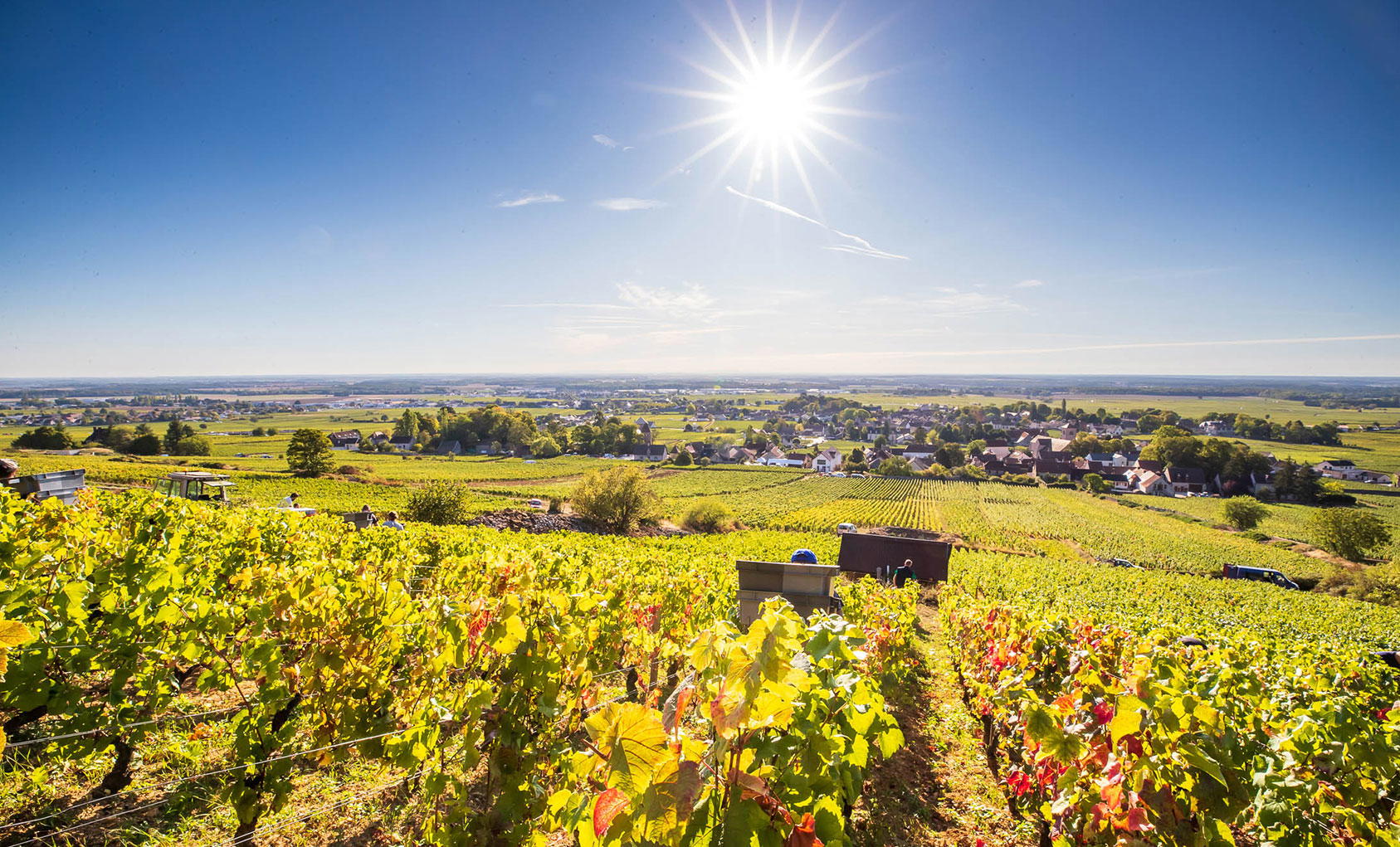
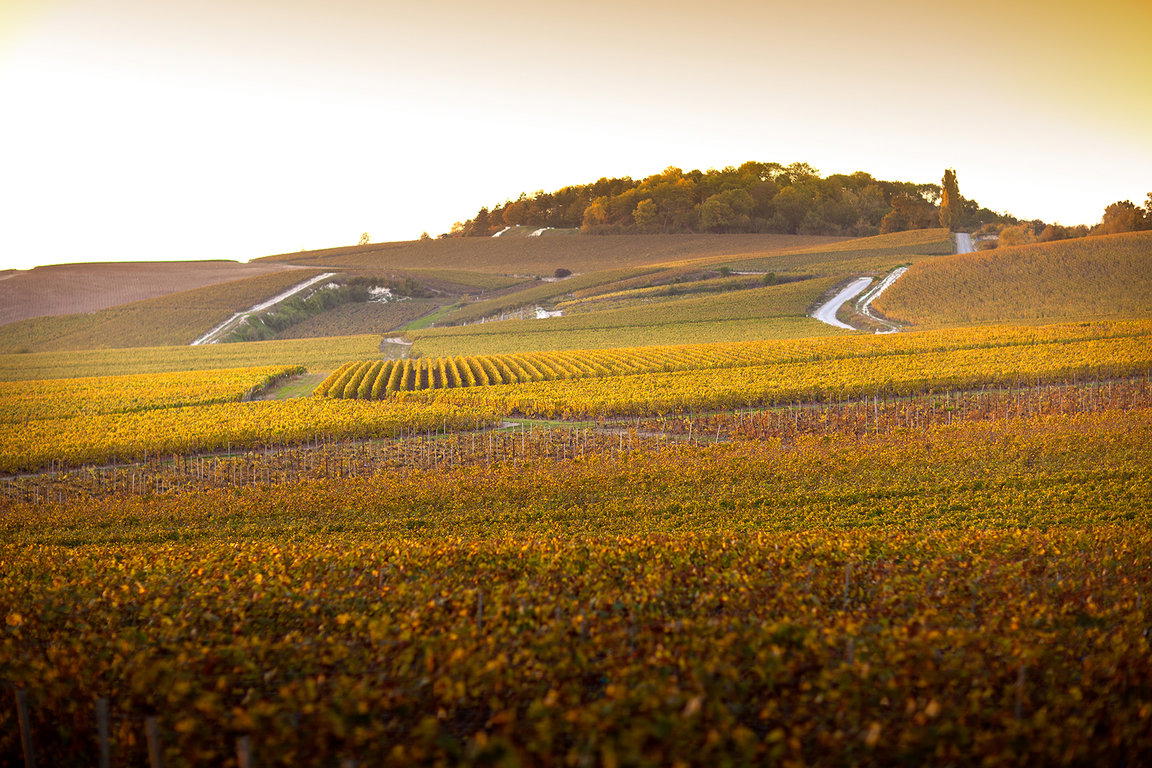
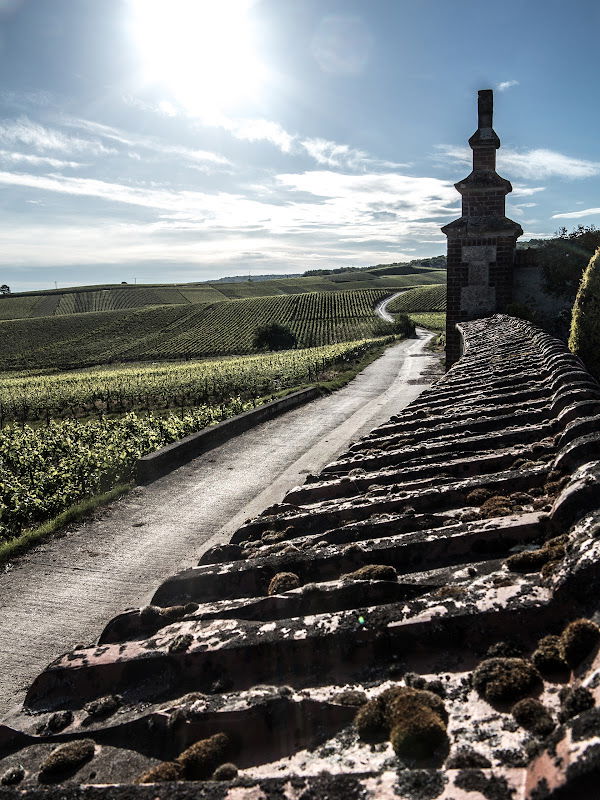
Bérêche et Fils presents a quietly scenic and measured presence in Ludes, anchored to the northern slopes of the Montagne de Reims. The prose emphasizes small, unassuming villages and a landscape that shifts into a cool canopy of pinot noir and chardonnay, giving the domaine a serene, contemplative feel. The editorial tone is understated rather than flashy: this is a grower‑producer focused on soil, aspect and the textural differences that arise from chalk overlain by clay and loam. Visitors encounter an atmosphere of careful, place-driven winemaking more than overt hospitality theatrics.
Best For
This domaine is best for people interested in the geology and farming behind Champagne—the writeup highlights terroir, plot-by-plot expression and a grower mindset, making it especially suited to wine education and solo exploration. The quiet, thoughtful setting also supports special‑occasion visits for travelers who prefer low-key, terroir‑focused experiences over high-volume house tastings. Because the text stresses structure, aging potential and place-specific nuance, it appeals to readers seeking a deeper, slower engagement with Champagne rather than a casual stop on a busy tourist circuit.
Tasting Tips
The description makes clear that pinot noir dominates plantings on Ludes’ slopes and that soils produce wines with distinctive texture and weight. When exploring bottles from Bérêche et Fils, look for Pinot Noir–led cuvées and single‑plot or grower‑designated expressions that illustrate the chalk-plus-clay profile described in the piece. Ask about wines showing extended aging potential—the text notes structure that “supports extended ageing”—and compare examples that emphasize the Montagne de Reims’ particular mineral and textural signatures rather than generic house blends.
Venue details
Ambiance
Refined and complex atmosphere from barrel-aged wines with depth, minerality, and aromatic nuance.
Tags
Vibe
Best For
Experience
Sourcing
View
At the Vineyard
- Appellation
- Champagne AOC
- Varietals
- Pinot Noir, Chardonnay, Pinot Meunier
- Tour Duration
- 60-90 minutes
- Wine Club
- Available
Planning details
Location
Recognition and awards
Also consider
Also Consider
- Vilmart & Cie, Notable alternative
- A. Margaine, Notable alternative
- Paul Bara, Notable alternative
- Pierre Paillard, Notable alternative
- Egly-Ouriet, Notable alternative
Winery context
Against Vilmart & Cie, A. Margaine, Paul Bara, Pierre Paillard, Egly-Ouriet, Bérêche et Fils is the pick when the goal is a producer-led Champagne appointment rather than a broad visitor experience. It is less suited to travelers who want a simple, predictable tasting stop, better for people building a serious wine itinerary.
For value, A. Margaine is the easier cross-shop if the group wants grower Champagne without making the whole day hinge on one hard-to-secure appointment. Vilmart & Cie and Pierre Paillard also make sense for travelers comparing producer identity across the region. Paul Bara is the better direction if the route leans toward Bouzy, while Egly-Ouriet is the splurge-minded comparison for guests chasing a more competitive allocation profile.
For ambiance, choose Bérêche et Fils when intimacy and bottle focus matter more than visitor infrastructure. For a smoother group plan, start with A. Margaine or Pierre Paillard, then keep Bérêche et Fils as the higher-effort target if availability lines up.
Explore Vaudemange
Around this place
Discover more on Pearl
Unlock the full Bérêche et Fils guide in Pearl, including awards, comparisons, FAQs, planning details, and nearby places.
Compare Bérêche et Fils
| Venue | Location | Awards |
|---|---|---|
| Bérêche et Fils | Vaudemange | 2025 Pearl 4 Star Prestige |
| Vilmart & Cie | Rilly-la-Montagne | 2025 Pearl 4 Star Prestige |
| A. Margaine | Villers-Marmery | No published awards |
| Paul Bara | Bouzy | 2025 Pearl 3 Star Prestige |
| Pierre Paillard | Bouzy | No published awards |
| Egly-Ouriet | Ambonnay | 2025 Pearl 4 Star Prestige |
How Bérêche et Fils Vaudemange compares with similar nearby venues.
FAQ
Frequently Asked Questions
How long should I plan for a visit to Bérêche et Fils?
What recognition does Bérêche et Fils have?
Bérêche et Fils holds Pearl 4 Star Prestige (2025) recognition.