

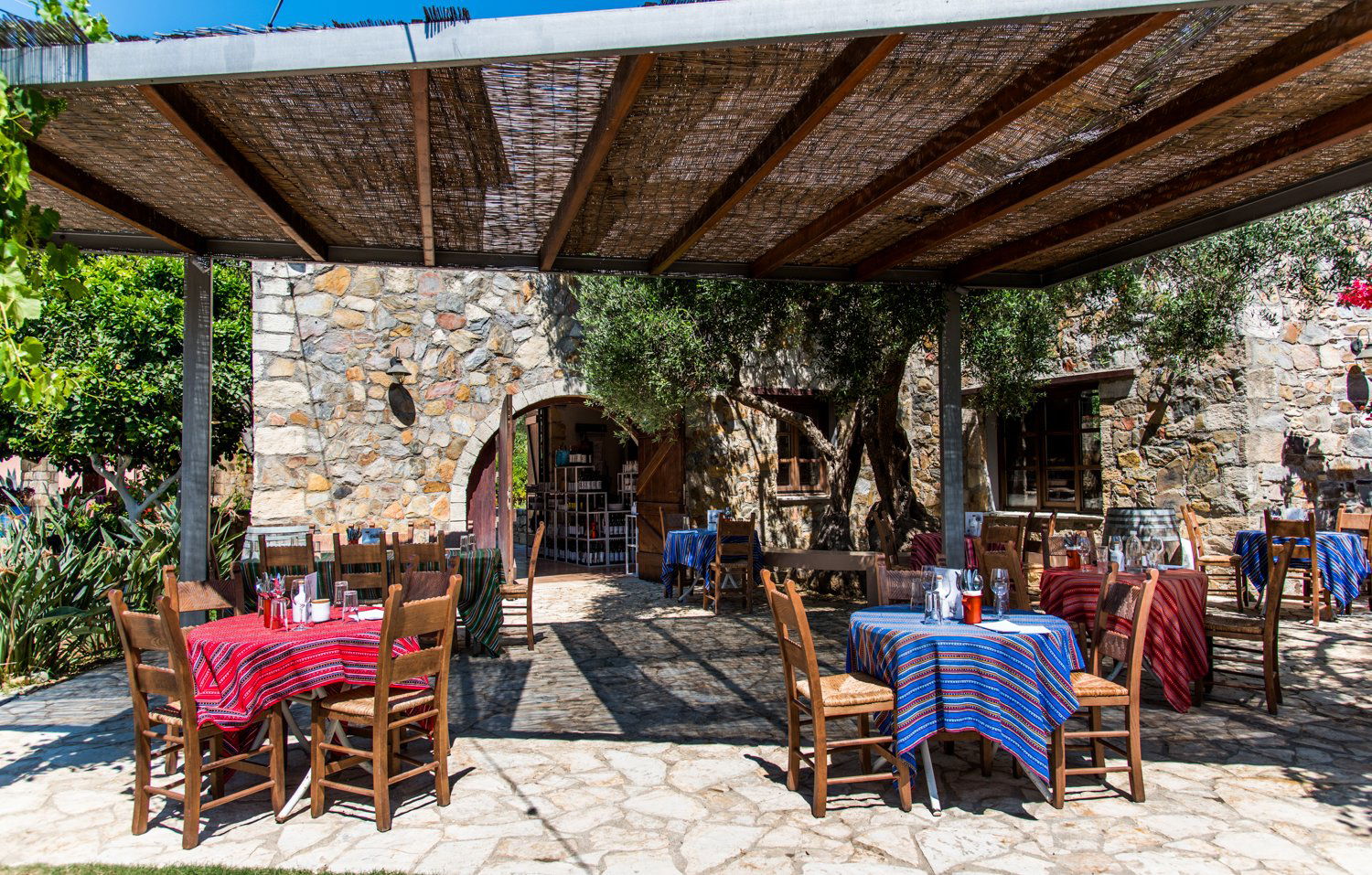
Manousakis Winery
Vatolakkos
Winery in Vatolakkos, Greece
 Book with Pearl
The Read
Rhône-on-Crete Viticulture
Why go
Book Manousakis Winery if the goal is a Chania-area wine stop with a stronger sense of Cretan context than a city tasting bar. It suits wine-focused travelers better than mixed groups looking for spirits, cocktails, or a flexible drop-in plan, especially given the tough booking signal.
About Manousakis Winery
Manousakis Winery is a winery in Vatolakkos with opening hours from 12–6 PM Monday through Saturday and a Sunday closure. It carries Pearl 2 Star Prestige recognition for 2025 and lists a casual dress code. For specific tasting formats, menus, prices, bottle lists, group capacity, or reservation rules, visitors should confirm current visit details directly before planning around them.
A Vatolakkos winery for daytime visits
The strongest case for Manousakis Winery is simple: it is a recognized winery in Vatolakkos with clear daytime operating hours six days a week. That makes it easier to place in an itinerary than venues with unclear schedules; ask directly about any specific tour style, menu, cellar focus, or tasting structure.
Plan around the hours: Monday through Saturday from 12–6 PM, with Sunday closed. Dress is casual. If your visit depends on a specific experience, bottle availability, group arrangement, or reservation requirement, confirm directly before going rather than assuming those details are available.
Who should prioritize it, and who should cross-shop
Prioritize Manousakis Winery if you want a Vatolakkos winery stop with 2025 Pearl 2 Star Prestige recognition and direct daytime hours. If you are comparing other Crete wine or drinks options, consider named alternatives such as Boutari Winery (Crete), Douloufakis Winery, Dourakis Winery, Kritis Distillery, and Zargianakis Distillery without assuming they offer the same format or are in the same village.
The practical verdict: Manousakis Winery is worth considering when Vatolakkos fits your route and the 12–6 PM Monday–Saturday schedule works for you. For anything more specific, including tastings, bottles, food, pricing, private visits, or group arrangements, contact the winery before building the day around it.
Planning details
- Location
- Vatolakkos 73005, Chania, Crete, Greece
- Website
- manousakiswinery.com
- Phone
- +302821078787
The take
The Take
The Vibe
Manousakis Winery presents a terroir-first personality that feels both rugged and meticulously refined. Set high in Vatolakkos, its vineyards sit amid olive groves and dry-stone terraces under the shadow of the Lefka Ori, and the writing emphasizes how geology and altitude shape the wines. The estate’s Pearl 2 Star Prestige rating frames it as a producer with elevated ambitions, one that plants Rhône varieties deliberately to explore regional expression. The overall impression is sophisticated and grounded in landscape — a working agricultural place that nevertheless aims for thoughtful, serious wine production rather than rustic souvenir fare.
Best For
This estate is best for visitors interested in the craft and context of Cretan winemaking. The copy situates Manousakis within a group of producers redefining the island’s wine identity, so the visit suits people seeking deeper knowledge about terroir, varietal choices and regional comparisons. It also reads well for solo explorers who want to absorb landscape and viticultural storylines, and for small groups focused on tasting and learning. The setting is rural and contemplative rather than nightlife-oriented, making it appropriate for study, tasting-focused itineraries and regional wine exploration.
Tasting Tips
When tasting or buying here, prioritize wines that showcase the estate’s experiment with Rhône varieties alongside local references. The text calls out Grenache, Syrah, Mourvèdre and Roussanne as intentional plantings on limestone-rich soils — sampling those will show how non-indigenous varieties translate in Cretan terroir. Also compare any estate bottlings to local indigenous varieties discussed in the copy to understand contrasts in profile. Given the producer’s Prestige recognition, consider a bottle that represents the winery’s flagship or reserve level to experience the style that earned the rating.
Venue details
Ambiance
Rustic and scenic hillside setting amid vineyards with a focus on natural winemaking.
Tags
Vibe
Best For
Experience
Sourcing
View
At the Vineyard
- Appellation
- PGI Chania
- Varietals
- Syrah, Grenache, Mourvedre, Roussanne, Vidiano
- Tour Duration
- 60-90 minutes
- Tour Languages
- English
- Visits
- By reservation
- Farming
- Organic
- Production
- Small producer
- Wine Styles
- Still Red, Still White, Still Rose
- Food Pairing
- Offered
- Wine Club
- Not available
Know before you go
Know Before You Go
- Getting there
- Vatolakkos 73005, Chania, Crete, Greece
Planning details
Location
Also consider
Also Consider
- Dourakis Winery, Notable alternative
- Kritis Distillery, Notable alternative
- Zargianakis Distillery, Notable alternative
- Douloufakis Winery, Notable alternative
- Boutari Winery (Crete), Notable alternative
Winery context
How Manousakis Winery compares in Crete
Choose Manousakis Winery if the priority is a wine-led stop near Chania with a village setting. Dourakis Winery is the closest cross-shop for a similar wine-focused day, while Douloufakis Winery and Boutari Winery (Crete) make more sense for travelers building a broader Crete wine itinerary rather than staying Chania-centered.
For mixed groups, Kritis Distillery and Zargianakis Distillery are the more practical alternates because spirits can be an easier sell than a winery-only visit. If booking pressure is the concern, use those as backups before committing the whole day to one hard-to-secure tasting.
Value depends on what the group wants from the stop: Manousakis Winery is the better fit for wine context near Vatolakkos, Dourakis is the cleanest like-for-like comparison, and the distilleries are safer for guests who care more about a drinks outing than Cretan wine specifically.
Explore Vatolakkos
Around this place
Discover more on Pearl
Unlock the full Manousakis Winery guide in Pearl, including awards, comparisons, FAQs, planning details, and nearby places.
Compare Manousakis Winery
| Venue | Location | Awards |
|---|---|---|
| Manousakis Winery | Vatolakkos | No published awards |
| Dourakis Winery | Alikampos | 2026 Falstaff Winery Guide |
| Kritis Distillery | Rethymno | No published awards |
| Zargianakis Distillery | Heraklion | No published awards |
| Douloufakis Winery | Dafnes | 2026 Falstaff Winery Guide |
| Boutari Winery (Crete) | Heraklion | No published awards |

How Manousakis Winery Vatolakkos compares with similar nearby venues.
FAQ
Frequently Asked Questions
What are the hours for Manousakis Winery?
The hours are Monday through Saturday from 12–6 PM, with Sunday closed.
Does Manousakis Winery have recognition?
Yes. Manousakis Winery carries Pearl 2 Star Prestige recognition for 2025.
What should I know about tasting formats, prices, or menus at Manousakis Winery?
What other Crete wine or drinks options can I compare?
You can compare Manousakis Winery with other options such as Douloufakis Winery, Dourakis Winery, Boutari Winery (Crete), Kritis Distillery, and Zargianakis Distillery, without assuming they offer the same format or are in the same village.