

Willamette Valley Vineyards
Turner
Winery in Turner, United States
 Book with Pearl
The Read
Valley-Floor Pinot Authority
Price
$30–50tasting
Why go
Book Willamette Valley Vineyards when the occasion calls for a recognized Oregon winery stop with a polished feel. It is a stronger fit for planned celebrations, dates, and client outings than for spontaneous tasting-room hopping, especially given the booking pressure around higher-demand winery visits.
About Willamette Valley Vineyards
Willamette Valley Vineyards is a Turner venue with a casual dress code and Pearl 3 Star Prestige recognition in 2025. Specific services, formats, menus, hours, or amenities should be checked directly, so plan accordingly.
The main reason to shortlist it is the recognition. Pearl 3 Star Prestige in 2025 gives the venue a clear planning hook for guests comparing options, especially when the priority is choosing a recognized stop.
A strong fit for a recognized Turner venue
The useful takeaway is simple: choose Willamette Valley Vineyards when you want a Turner venue with a casual dress code and a Pearl 3 Star Prestige distinction. Specific offerings, service formats, prices, hours, group capacity, or other operational specifics should be checked directly before visiting.
For broader planning, compare the stop with other regional options such as Antica Terra, Brooks Winery, Maysara Winery, Montinore Estate, and St. Innocent Winery, or look at other Turner dining and activity options generically. Keep the plan flexible and confirm the details that matter for your visit.
Plan for certainty, not assumptions
The practical verdict: use the facts as your baseline and confirm other details before building an itinerary around the venue. The casual dress code makes it approachable, while the Pearl 3 Star Prestige recognition gives it a stronger profile than an ordinary listing. For anything beyond that, including reservations, offerings, timing, or group arrangements, confirm directly with the venue.
Planning details
- Location
- 8800 Enchanted Way SE, Turner, OR 97392
- Website
- wvv.com
- Phone
- +1 503-588-9463
The take
The Take
The Vibe
Willamette Valley Vineyards presents a focused, terroir-driven experience that reads more like a field seminar than a mere tasting. The approach along Enchanted Way opens onto broad valley views, and the cellar door sits as a gateway to conversations about soil, aspect and climate. The writing emphasizes geological forces—the Van Duzer Corridor, Jory volcanic soils and sedimentary loams—so the visitor encounter feels deliberate and grounded: expect clear-eyed interpretation from staff, sweeping landscape perspectives on clear days, and a tasting room that positions geology and viticulture at the center of the visit.
Best For
This estate suits visitors who come to learn as much as to sip. The tasting experience is framed around terroir and regional identity, making it ideal for wine-education outings, organized group visits and milestone celebrations where guests appreciate a sense of place. The property's Pearl 3 Star Prestige recognition and its vineyard-centric presentation attract enthusiasts who want detailed explanations of vineyard blocks, soil maps and the climatic drivers behind classic Willamette Pinot Noir and Chardonnay. It also works well for travelers passing through Turner who want a substantive stop that connects landscape to bottle.
Tasting Tips
When you arrive, steer conversation toward vineyard blocks, soil maps and the Van Duzer Corridor’s influence—these are the themes the estate emphasizes. Prioritize tastings of Pinot Noir and Chardonnay, which the text names as the region’s strongest expressions, and ask staff to show how elevation, aspect and soil types shape those wines. Visit on a clear day if you can; the Cascades and valley vistas materially enhance the context. If the cellar door offers an interpretive tasting or a vineyard walk, request it to get the fullest sense of the terroir arguments the winery makes.
Venue details
Ambiance
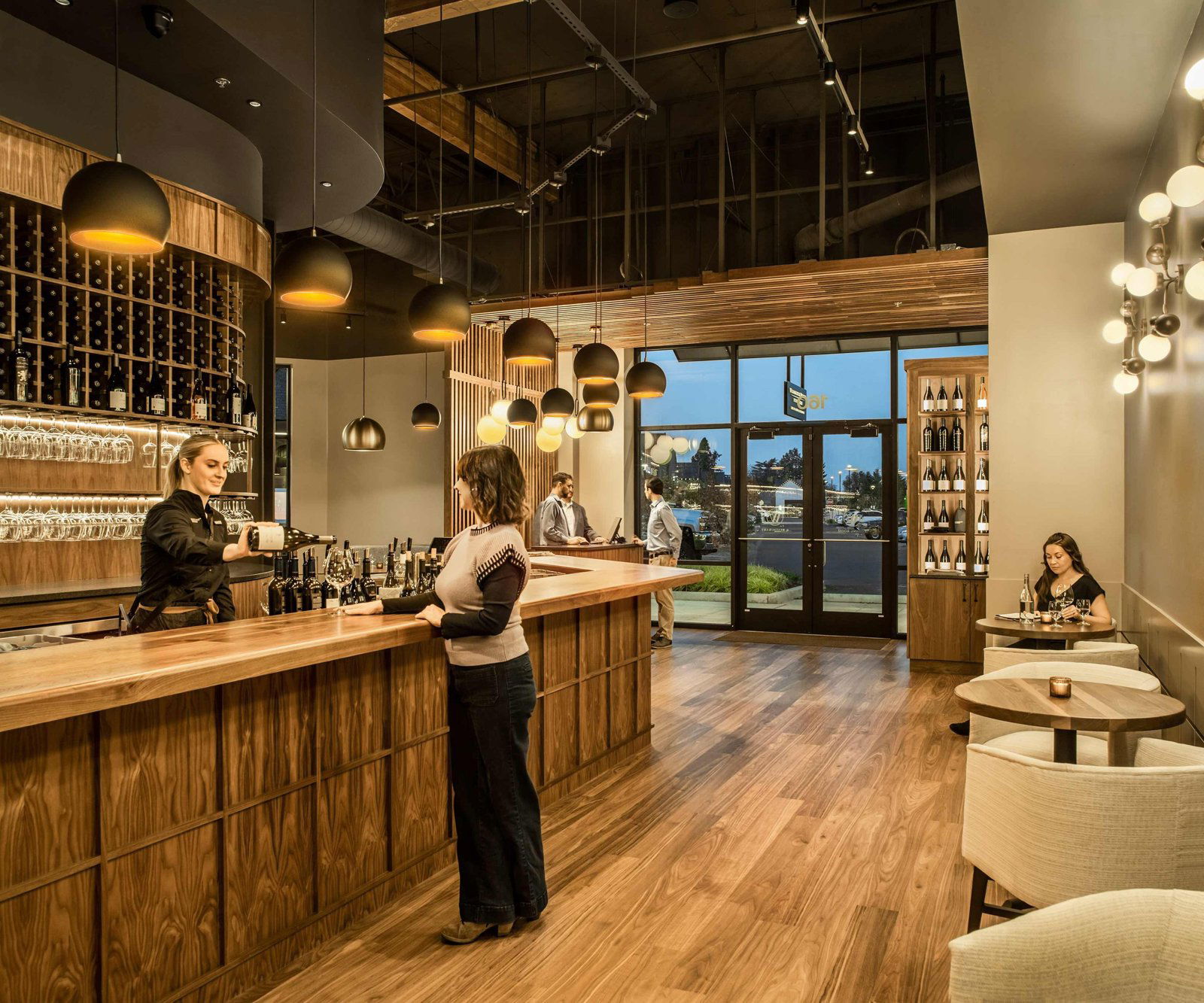
Scenic and stylish with breathtaking vineyard views, relaxed atmosphere, cozy fireplaces, and an expansive outdoor patio.
Tags
Vibe
Best For
Experience
Sourcing
View
At the Vineyard
- Appellation
- Willamette Valley AVA
- Varietals
- Pinot Noir, Chardonnay, Pinot Gris, Riesling
- Tour Duration
- 60-90 minutes
- Visits
- By reservation
- Farming
- Sustainable
- Production
- Large producer
- Wine Styles
- Still Red, Still White
- Food Pairing
- Offered
- Shipping
- Available
- Wine Club
- Available
Know before you go
Know Before You Go
- Getting there
- 8800 Enchanted Way SE, Turner, OR 97392
Planning details
Location
Also consider
Where to look if this is booked
If availability is tight, try Brooks Winery for a more relaxed winery alternative or Montinore Estate for a group-friendly backup. For a more wine-serious splurge, Antica Terra is the sharper comparison, but it is not the substitute for a casual outing.
Winery context
How it compares
Choose Willamette Valley Vineyards if the priority is a polished, confidence-building winery visit near Turner. Against St. Innocent Winery and Brooks Winery, it is the safer special-occasion pick when the group wants a more established-feeling stop rather than a tasting that leans quieter or more producer-focused.
Antica Terra is the cross-shop for drinkers who care more about a tightly defined, high-intent wine experience than broad hospitality. Maysara Winery and Montinore Estate make more sense when the brief is a calmer group-friendly winery day, assuming availability lines up.
For value, do not judge this choice by price alone; judge it by risk. If the visit needs to feel organized and occasion-worthy, Willamette Valley Vineyards is the stronger anchor. If flexibility matters more than recognition, start with Brooks Winery or Montinore Estate and keep the day easier to adjust.
Explore Turner
Around this place
Discover more on Pearl
Unlock the full Willamette Valley Vineyards guide in Pearl, including awards, comparisons, FAQs, planning details, and nearby places.
Compare Willamette Valley Vineyards
| Venue | Location | Awards |
|---|---|---|
| Willamette Valley Vineyards | Turner | No published awards |
| St. Innocent Winery | Jefferson | No published awards |
| Brooks Winery | Amity | 2025 World's 50 Best Vineyards · #352023 World's 50 Best Vineyards · #28 |
| Antica Terra | Amity | 2026 Falstaff Winery Guide2025 James Beard Award Semifinalists2025 Pearl 4 Star Prestige |
| Maysara Winery | McMinnville | 2025 World's 50 Best Vineyards · #23 |
| Montinore Estate | Forest Grove | No published awards |




How Willamette Valley Vineyards Turner compares with similar nearby venues.
FAQ
Frequently Asked Questions
Does Willamette Valley Vineyards serve food?
How long should I plan for a visit to Willamette Valley Vineyards?
Visit length or service format is not specified. Plan conservatively and confirm the current format before building the rest of your Turner itinerary around the stop.
Does Willamette Valley Vineyards offer memberships or ongoing programs?
Membership or program details are not specified. If that matters to you, compare the current terms directly with your own needs before signing up.
Do I need a reservation at Willamette Valley Vineyards?
Can Willamette Valley Vineyards handle large groups?
When is the best time to visit Willamette Valley Vineyards?
Specific hours and ideal visit timing are not specified. Check the venue's current information before choosing a time to visit Turner.