
Sitio La Estocada
Gualtallary, Tupungato
Winery in Tupungato, Argentina
 Book with Pearl
The Read
Altitude Biodynamics
Why go
Sitio La Estocada is a high-priority Tupungato target for serious wine travellers, with Pearl 2 Star Prestige and a 2025 World's 50 Best Vineyards #91 placement. It is worth chasing if recognition and exclusivity matter more than easy logistics; for simpler planning, compare it with Domaine Bousquet, Andeluna Cellars, Finca Sophenia, and Rutini Wines (La Rural).
About Sitio La Estocada
For anyone researching Tupungato, the hook is recognition: Sitio La Estocada holds Pearl 2 Star Prestige in 2025 and appears at #91 on the World's 50 Best Vineyards list for 2025. That makes it a notable Tupungato name to consider, while the practical details remain limited.
The decision is simple: prioritise it if the trip is built around confirmed recognition and a smart-casual venue in Tupungato. If the group needs detailed, pre-confirmed information on pricing, hours, visit format, or booking logistics, check the venue's official channels before building the day around it.
Plan this around confirmed recognition, then verify logistics
Sitio La Estocada's recognition profile gives it a clear reason to be on a Tupungato shortlist: Pearl 2 Star Prestige in 2025 and a World's 50 Best Vineyards #91 placement in 2025. Beyond that, the public facts are intentionally narrow here, so the safest planning approach is to treat the venue as a recognition-led option and confirm current visitor details directly.
For travellers comparing recognised regional venues, consider it alongside Domaine Bousquet, Andeluna Cellars, Finca Sophenia, Rutini Wines (La Rural), and Bodega Zorzal. Sitio La Estocada makes most sense when confirmed accolades are an important part of the itinerary; other options may be easier to evaluate if they publish more operational detail.
Who should prioritise it
Travellers building a Tupungato itinerary around recognised venues should keep Sitio La Estocada on the list. First-time visitors with limited time may want to compare it with other venues and confirm the current visitor process before committing.
The practical verdict: consider Sitio La Estocada for its 2025 recognition, smart-casual dress code, and Tupungato setting. Before finalising the day, confirm the current details that matter to your group, including access, timing, and any visit requirements.
Planning details
- Location
- Los Europeos & Ruta 89, M5561 Tupungato, Mendoza
- Website
- sitiolaestocada.com
- Phone
- +54 9 2622 65-0827
The take
The Take
The Vibe
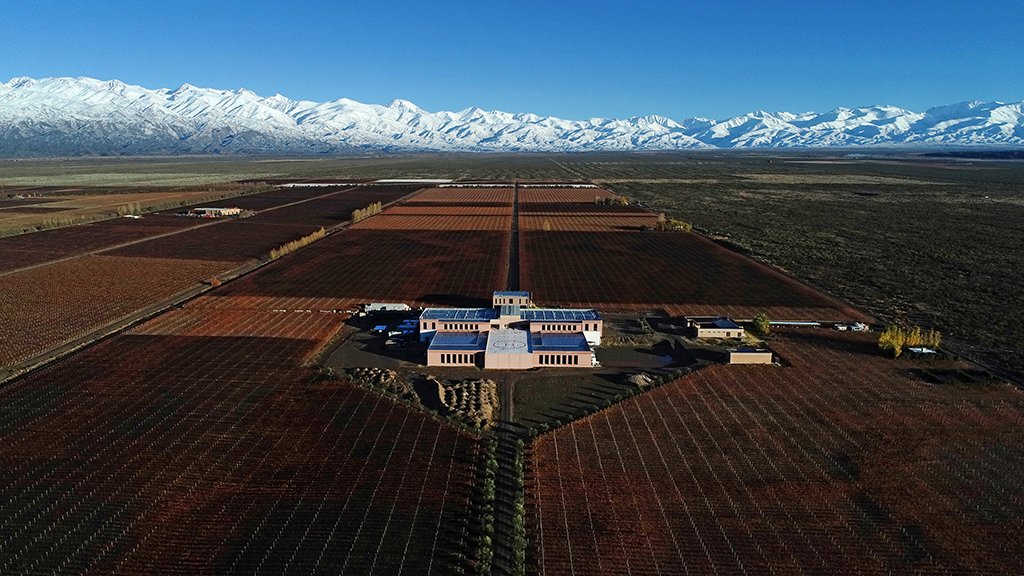
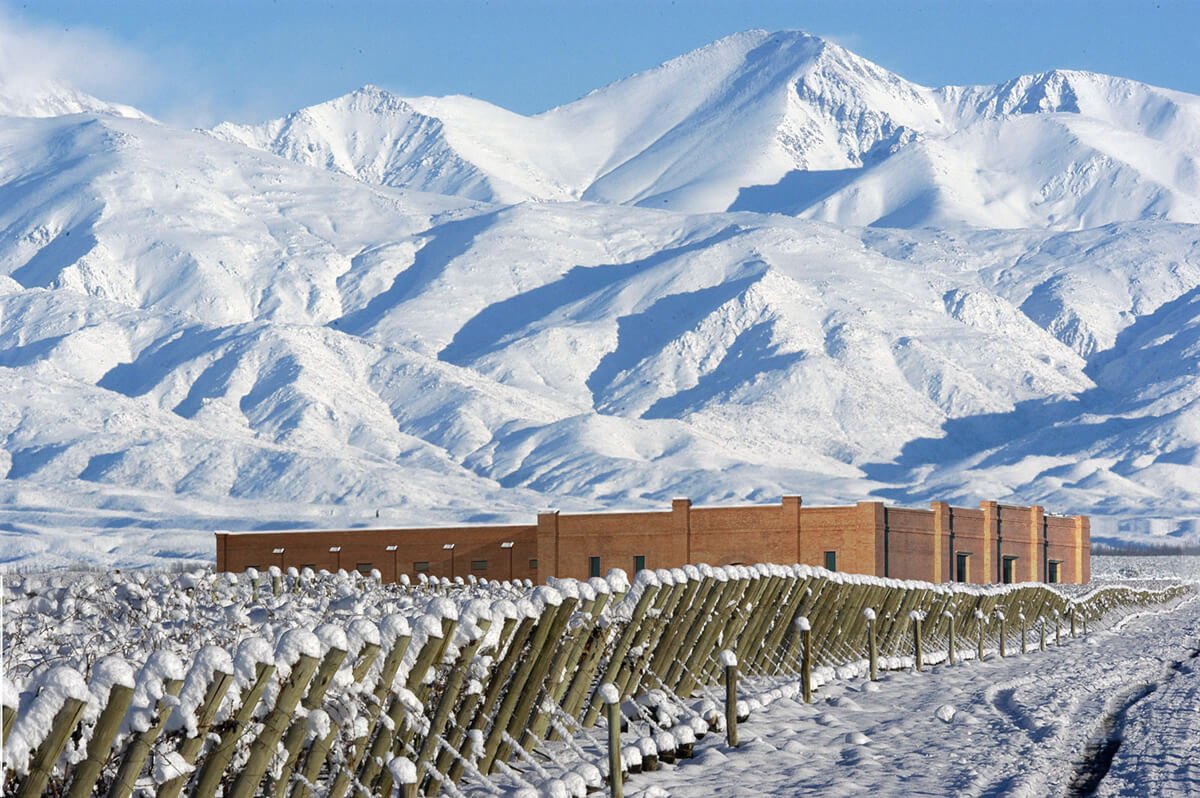
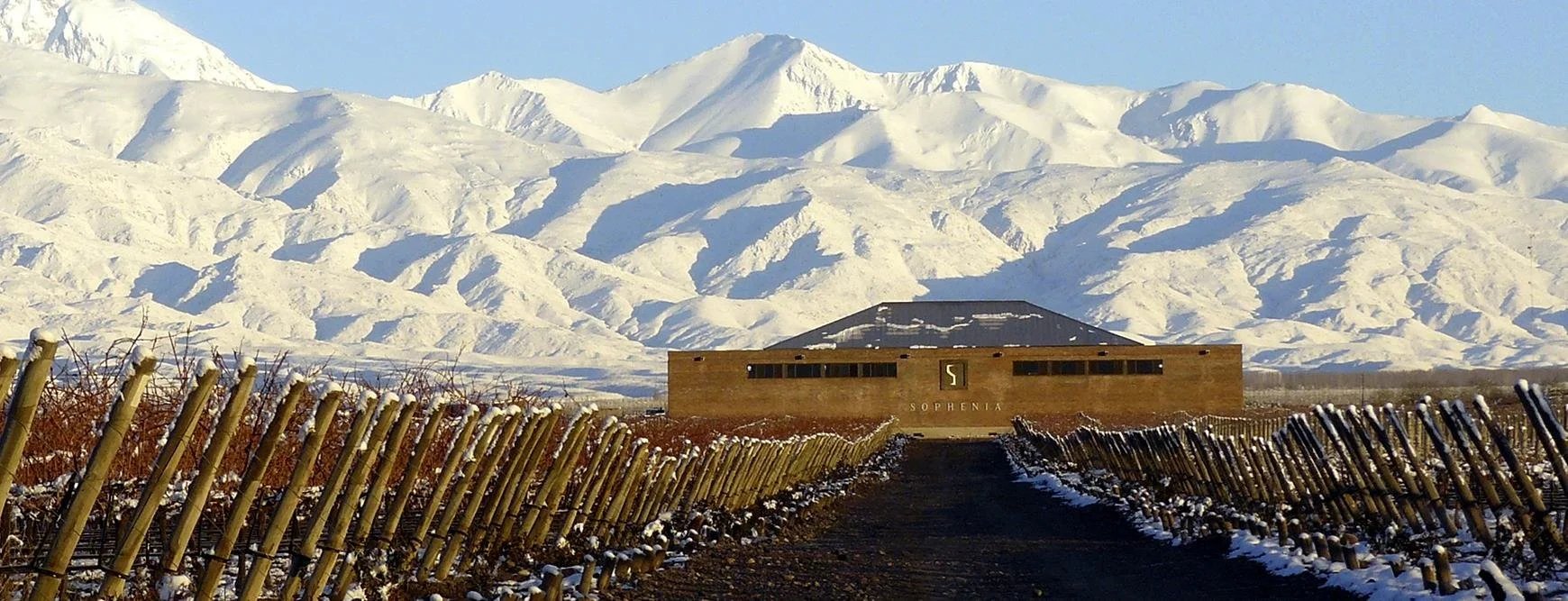
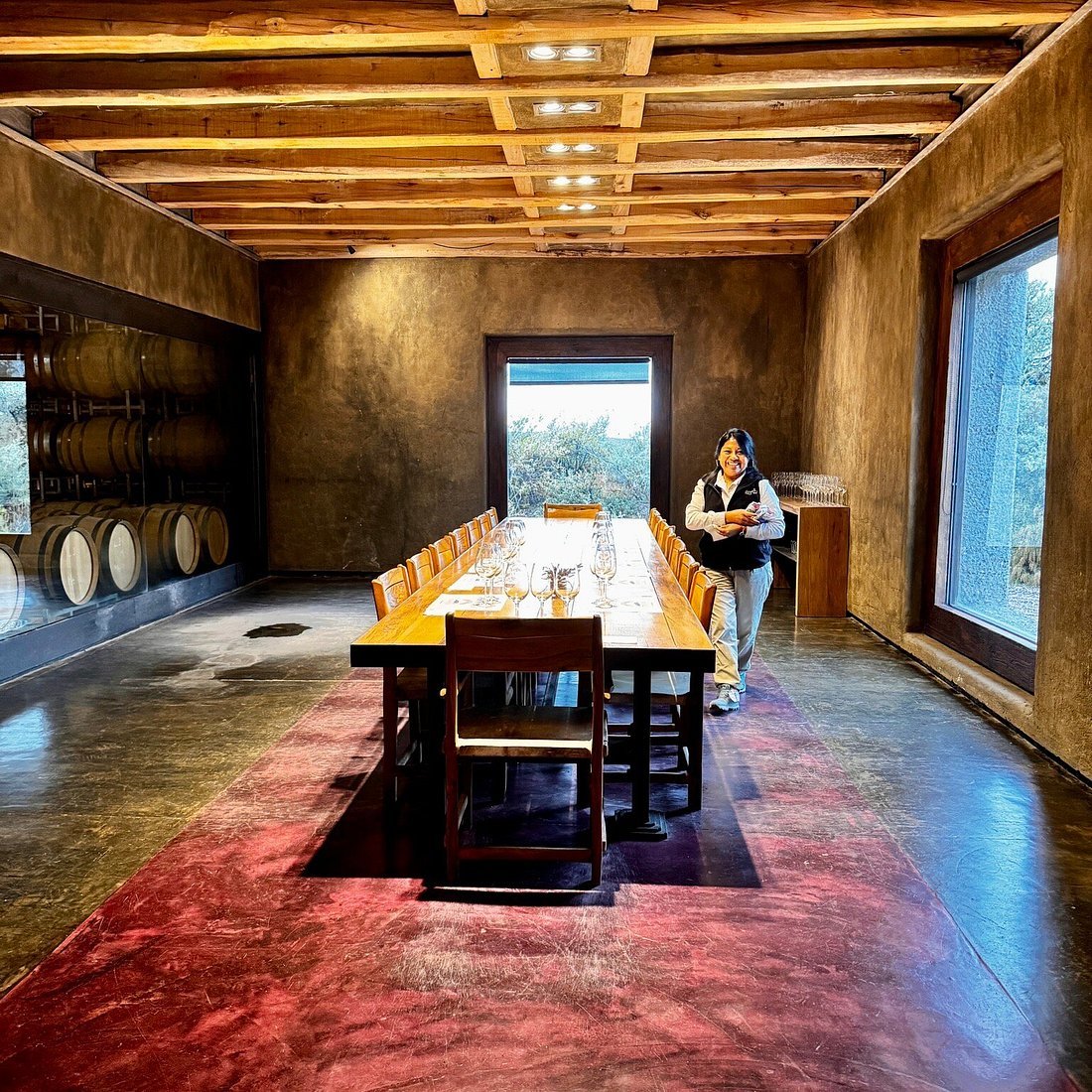
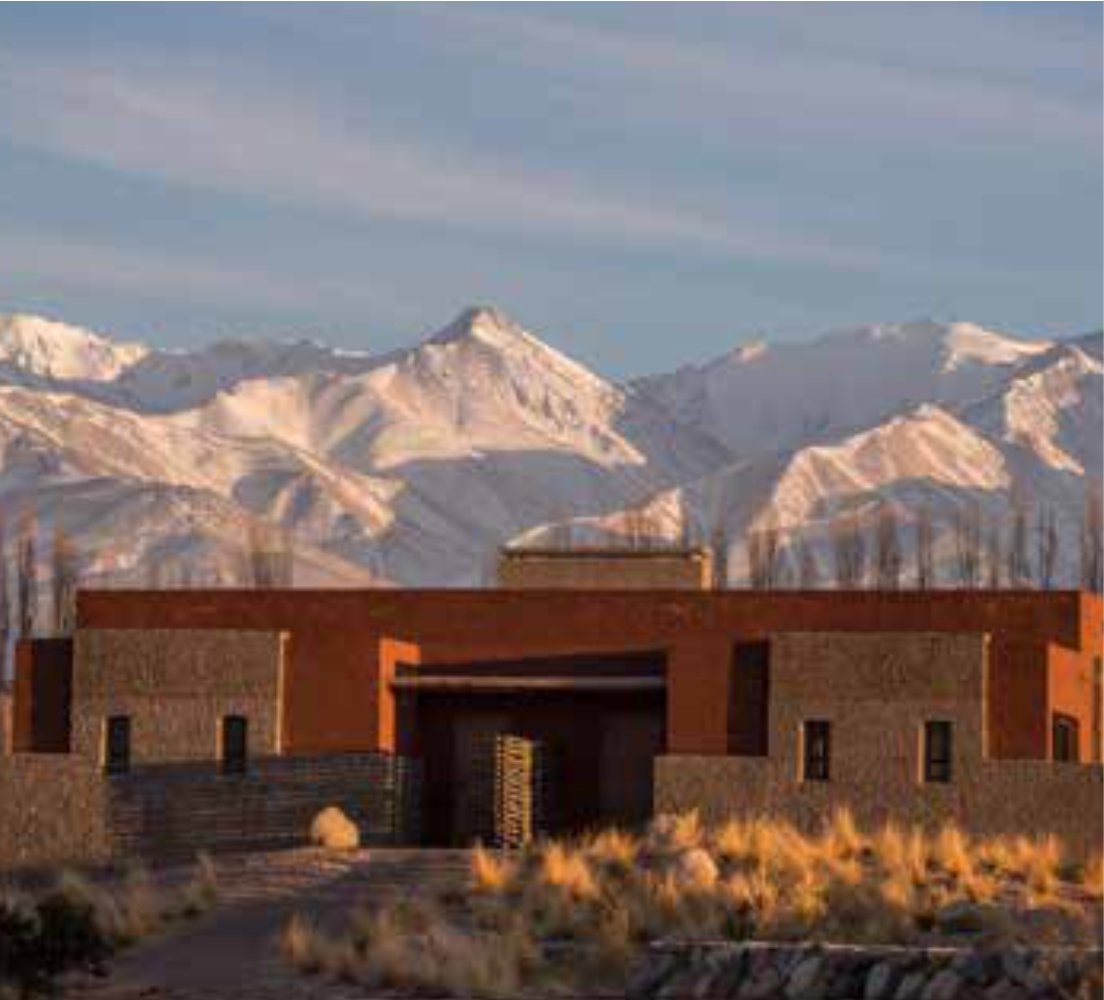
Sitio La Estocada reads like a focused, high‑altitude laboratory where the Andes frame both vineyard and visit. The property sits near the snow line in Tupungato, where stony soils and extreme diurnal swings demand careful, biodynamic farming. The sense of being removed from Mendoza city lends a quietly intense quality to the place: visits feel purposeful rather than performative. Expect understated sophistication rather than flashy hospitality, with the landscape and farming philosophy taking center stage. The overall impression is contemplative and rigorous — a remote, highly site‑driven stop for people who care about terroir.
Best For
This is a winery for people who want to understand how place shapes wine. The description positions Sitio La Estocada as an educational experience, so it suits visitors seeking wine education, attentive solo exploration, or a thoughtful special occasion centered on tasting and terroir. The high‑altitude setting and biodynamic emphasis make it appealing to travelers and wine professionals interested in viticultural detail and structural, tension‑driven wines. It is less about socializing and more about learning: plan to spend time walking the site and talking to producers about their farming choices.
Tasting Tips
Book a visit in advance and allow time for the drive from Mendoza; the text makes clear that the approach is part of the experience. When you arrange your visit, ask for a guided walk of the vines and a conversation about biodynamic practices — the property frames visits as educational. Given the high elevation and pronounced diurnal swings, bring warm layers for outdoor time among the rows. Focus questions on soil, vine stress management, and how farming decisions translate into the structure and tension noted in the wines.
Venue details
Ambiance
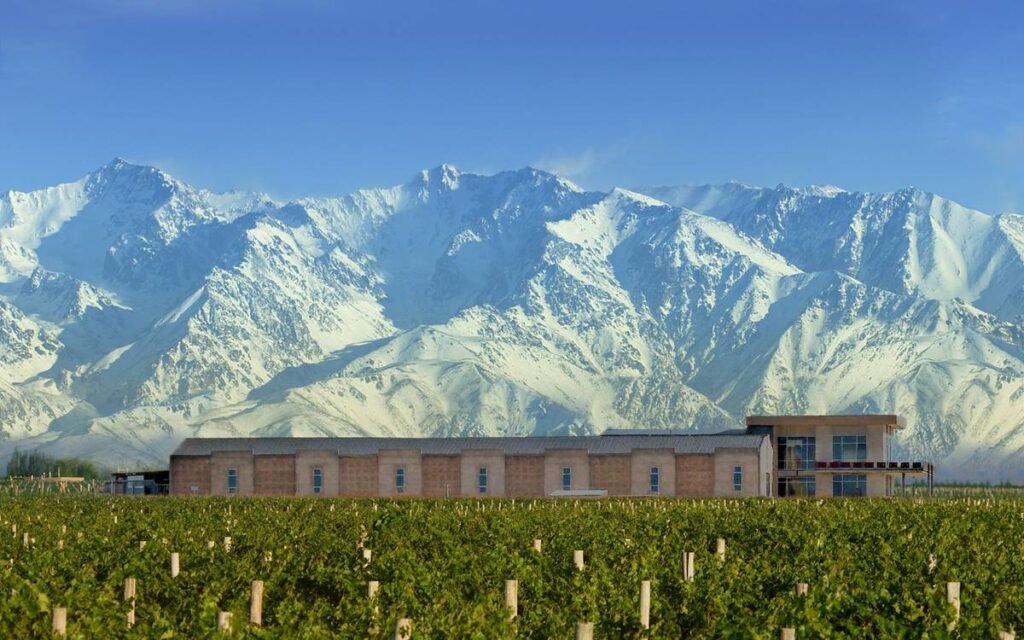
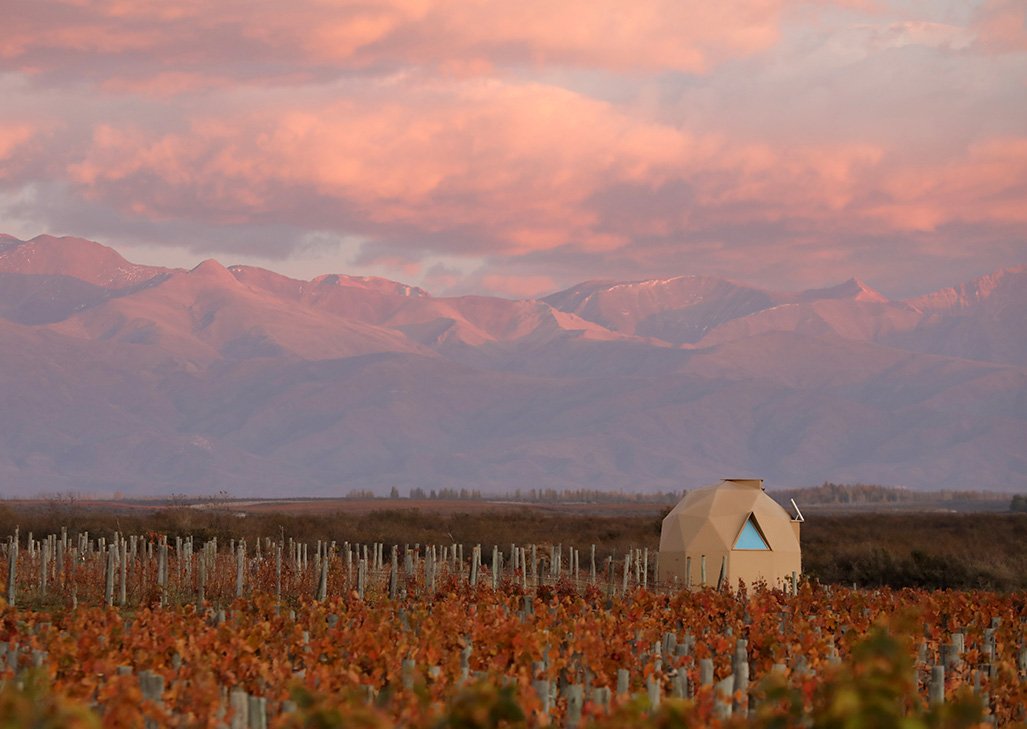
Dramatic mountain landscape with panoramic vineyard views from the terrace, fostering a serene and immersive natural atmosphere.
Tags
Vibe
Best For
Experience
Sourcing
View
At the Vineyard
- Appellation
- Tupungato
- Varietals
- Sauvignon Blanc, Malbec, Cabernet Franc
- Tour Duration
- 60-90 minutes
- Tour Languages
- Spanish
- Visits
- By reservation
- Farming
- Biodynamic
- Production
- Small producer
- Wine Styles
- Still White, Still Red, Amphora
- Food Pairing
- Offered
- Wine Club
- Not available
Know before you go
Know Before You Go
- Getting there
- Los Europeos & Ruta 89, M5561 Tupungato, Mendoza
Planning details
Location
Recognition and awards

Also consider
Also Consider
- Domaine Bousquet, Notable alternative
- Rutini Wines (La Rural), Notable alternative
- Andeluna Cellars, Notable alternative
- Finca Sophenia, Notable alternative
- Bodega Zorzal, Notable alternative
Winery context
Among Tupungato peers, Sitio La Estocada is the ambitious request: stronger on recognition, harder on logistics. Choose it if the trip is built around a difficult winery appointment and the payoff is prestige. For a smoother visitor day, Domaine Bousquet and Andeluna Cellars are safer cross-shops because they read as more conventional winery-visit choices for travellers who want the plan to hold together.
Rutini Wines (La Rural) is the better comparison for visitors who want a name with broader recognition and a less speculative itinerary, while Finca Sophenia is the one to consider when the day needs a quieter Tupungato alternative. Sitio La Estocada is less about easy value-for-money assessment, because public price detail is not the selling point; the case rests on access and the quality signal from its 2025 recognition.
Bodega Zorzal is the practical fallback if the goal is to stay in the wider Uco Valley wine lane without building the day around one difficult booking. For most travellers, the smart order is: try Sitio La Estocada first if prestige is the priority, then hold Domaine Bousquet or Andeluna Cellars as the easier backup.
Explore Tupungato
Around this place
Discover more on Pearl
Unlock the full Sitio La Estocada guide in Pearl, including awards, comparisons, FAQs, planning details, and nearby places.
Compare Sitio La Estocada
| Venue | Location | Awards |
|---|---|---|
| Sitio La Estocada | Tupungato | 2025 World's 50 Best Vineyards · #91 |
| Domaine Bousquet | Tupungato | 2026 Falstaff Winery Guide |
| Rutini Wines (La Rural) | Tupungato | No published awards |
| Andeluna Cellars | Tupungato | 2026 Falstaff Winery Guide |
| Finca Sophenia | Tupungato | 2026 Falstaff Winery Guide |
| Bodega Zorzal | Tunuyán | No published awards |

How Sitio La Estocada Tupungato compares with similar nearby venues.
FAQ
Frequently Asked Questions
Is there a club or membership at Sitio La Estocada?
Club or membership details are not part of the information for Sitio La Estocada. The confirmed reasons to note the venue are Pearl 2 Star Prestige (2025) and World's 50 Best Vineyards #91 (2025).
Can Sitio La Estocada handle large groups?
Group capacity and visit format are not part of the information for Sitio La Estocada. Confirm directly with the venue before planning a group visit in Tupungato.
How long should I plan for a visit to Sitio La Estocada?
visit-duration details are not available here. If you are building a Tupungato itinerary around Sitio La Estocada, confirm current timing and access requirements directly with the venue.
What other venues can I compare with Sitio La Estocada?
Domaine Bousquet, Rutini Wines (La Rural), Andeluna Cellars, Finca Sophenia, and Bodega Zorzal are useful comparison names for regional planning. Use official venue information to confirm current logistics before finalising a route.