Finca La Celia
Eugenio Bustos, Tunuyán
Winery in Tunuyán, Argentina
 Book with Pearl
The Read
Andean Altitude Viticulture
Why go
A practical pick for travelers who want a calmer San Carlos stop within the wider Tunuyán and Uco Valley wine circuit. Finca La Celia suits celebration-led itineraries better than rushed winery hopping, especially when paired with one nearby peer rather than a packed tasting schedule.
About Finca La Celia
Finca La Celia is a Tunuyán venue with a smart-casual dress code and Pearl 2 Star Prestige recognition for 2025. It’s a strong choice for travelers who want to include it in a carefully planned Tunuyán itinerary, especially if the visit is tied to a celebration, hosting, food service, or a tight schedule.
Consider Finca La Celia if the day needs a Tunuyán stop and the smart-casual dress code suits the occasion. The confirmed Pearl 2 Star Prestige recognition gives it a clear reason to be on a premium shortlist, but practical details still need direct confirmation before the rest of the day is built around it.
A calmer choice for a celebration-led day
The main caution is planning. Hours, reservations, food service, pricing, tasting format, and group capacity should be confirmed directly before you go. The practical move is to contact the venue first, then decide whether it should be the anchor for the day or one stop within a broader plan.
Where it fits beside other premium venues
For a comparison set, Finca La Celia can be considered alongside Antucura, Bodega Cuvelier Los Andes, Bodega DiamAndes, Bodega Monteviejo, and Zuccardi Valle de Uco. Use those names as reference points when deciding whether you want Finca La Celia specifically or a different style of venue for the same trip.
For travelers building a Tunuyán itinerary, use broader Tunuyán guides first, then add food and overnight plans through current local research and Our full Tunuyán hotels guide. If the day needs a second venue to compare with Finca La Celia, Antucura, Bodega Cuvelier Los Andes, Bodega DiamAndes, Bodega Monteviejo, and Zuccardi Valle de Uco are the relevant names to review before committing.
Planning details
- Location
- Circunvalación Celia Bustos de Quiroga 374, Eugenio Bustos, 5569 San Carlos, Mendoza, Argentina
- Website
- fincalacelia.com.ar
- Phone
- +542622451010
The take
The Take
The Vibe
Finca La Celia presents as a measured, vineyard-driven estate where high-altitude conditions and a focused cellar program define the character. The copy emphasizes long diurnal swings, slow sugar accumulation and retained acidity—conditions that produce wines with clarity and structure. That technical rigor is matched by a pedigree note: a Pearl 2 Star Prestige rating in 2025, which signals consistent quality among Valle de Uco peers. The overall impression is sophisticated and purpose-built rather than theatrical: this is a place where viticulture and careful cellar decisions do the talking, and the tasting room reflects that considered approach.
Best For
This estate is well suited to visitors who want a deeper, technical reading of Mendoza terroir and winemaking. The write-up stresses viticultural logic—altitude, granite soils, Andean snowmelt irrigation—and a cellar-first approach, so it’s ideal for wine-education visits and special-occasion tastings where guests expect deliberate, age-worthy wines. Because the producer is compared with respected Valle de Uco neighbors and carries a recent prestige rating, it also works for small celebrations or focused tastings with friends or clients who appreciate structured, terroir-expressive bottles.
Tasting Tips
When tasting at Finca La Celia, center questions on cellar practices and maturation: ask about barrel selection, aging duration and how the estate manages the long growing season in Eugenio Bustos. The profile highlights slow sugar accumulation, sustained acidity and late phenolic ripeness—so prioritize wines that showcase acidity and balance, including any reserve or barrel-aged bottlings. If vintages are discussed, probe how vintage variation interacts with altitude-driven ripening. Those lines of inquiry reflect the estate’s strengths as described and will reveal the stylistic choices behind each bottling.
Venue details
Ambiance
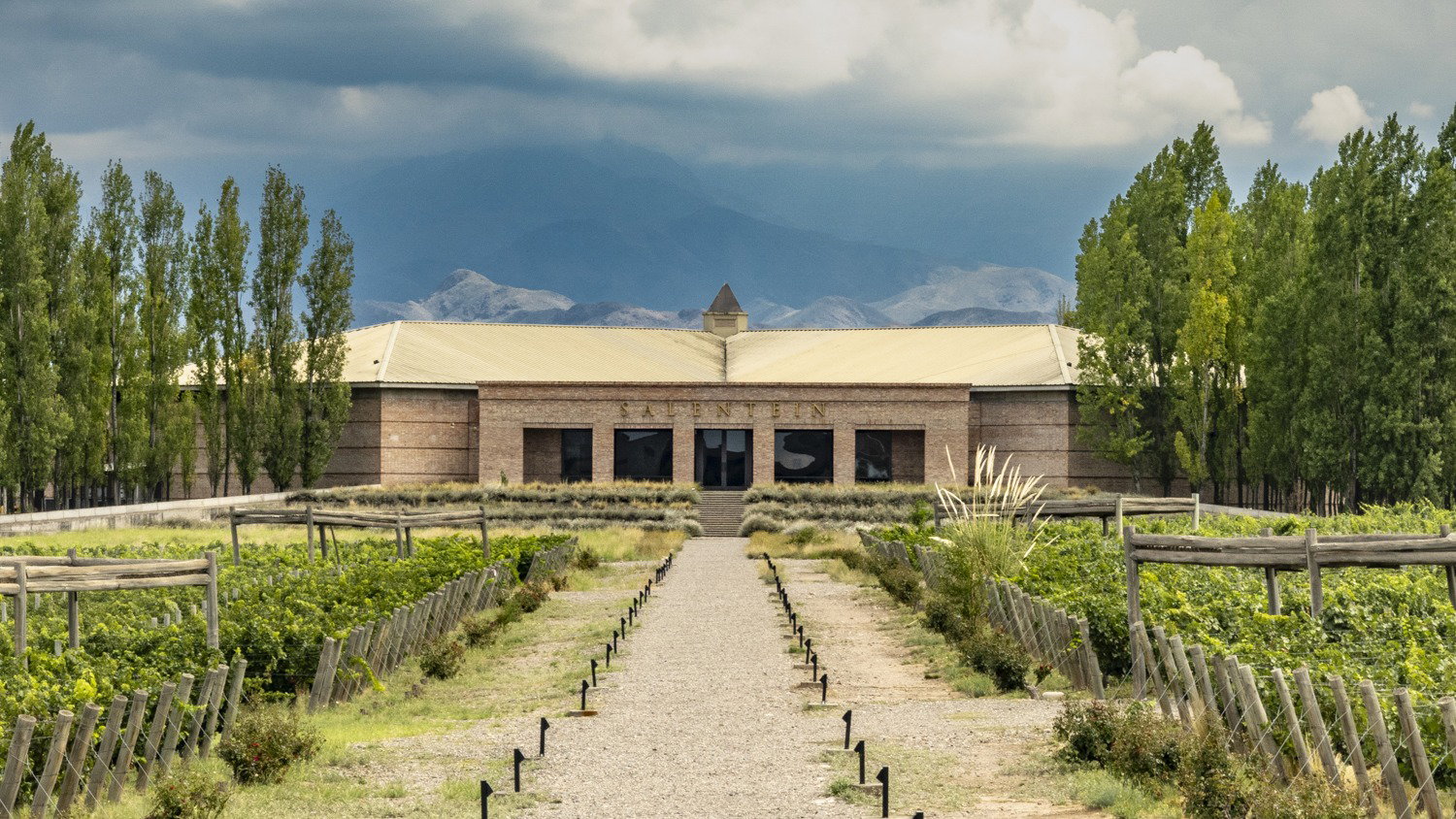
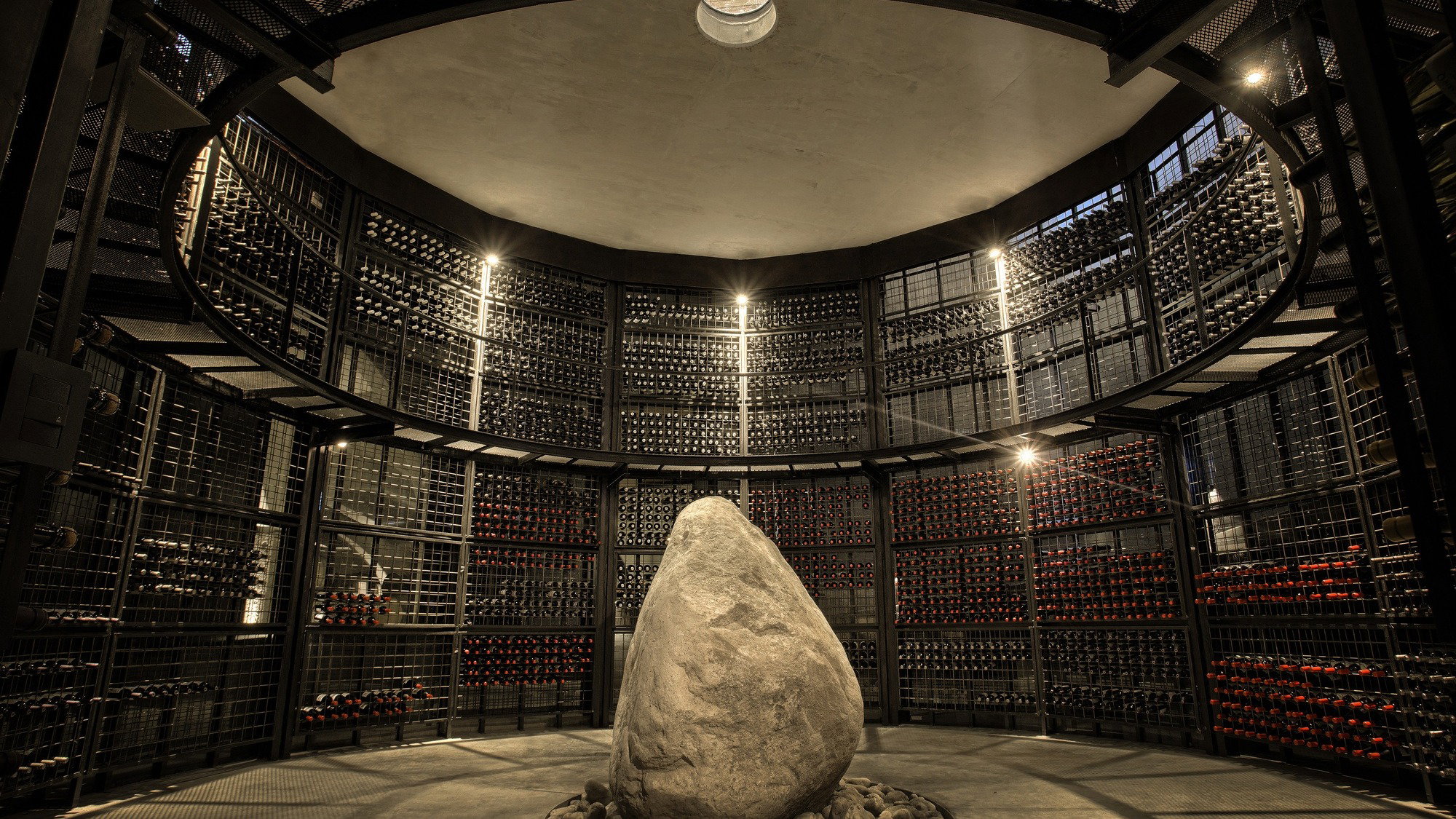
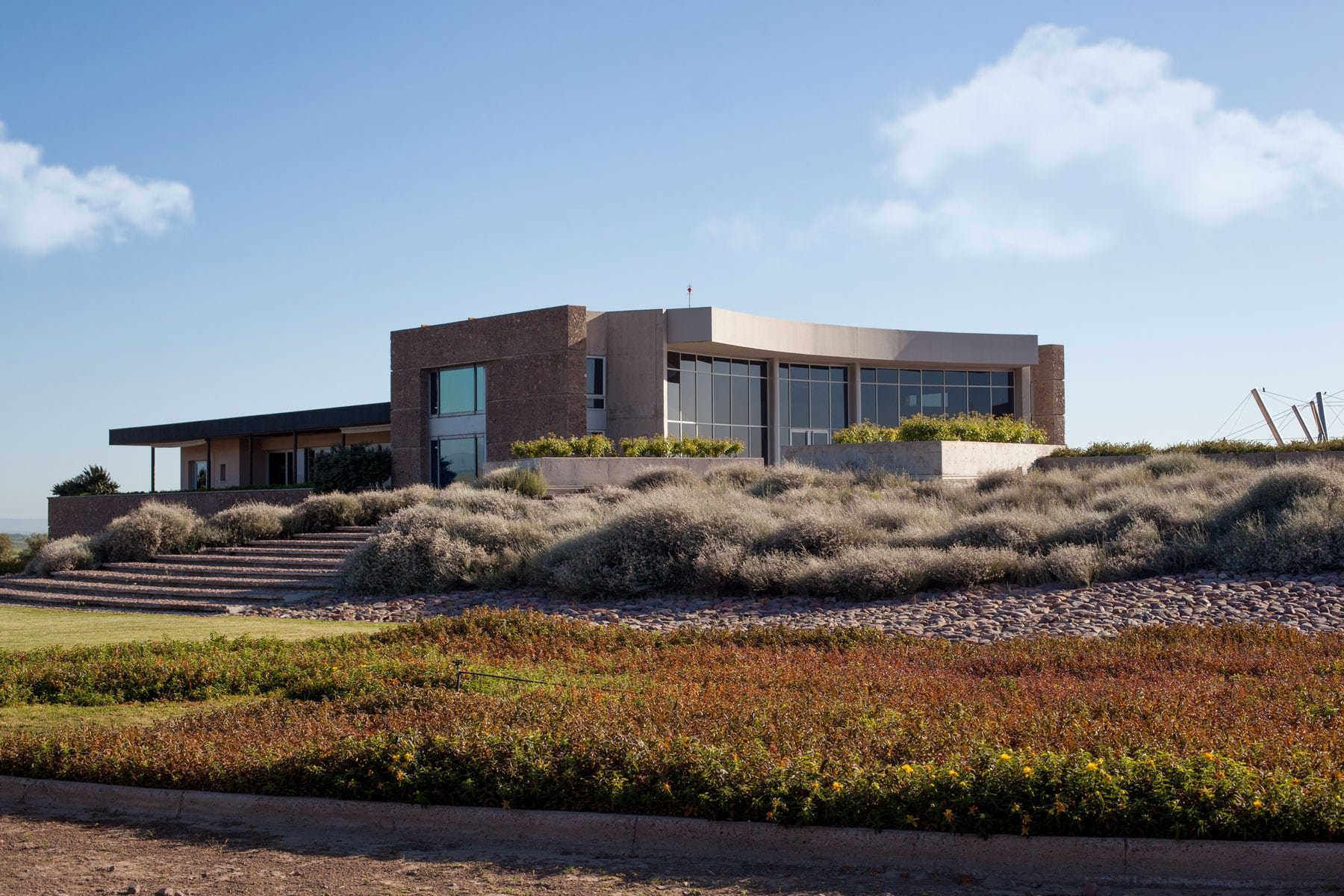
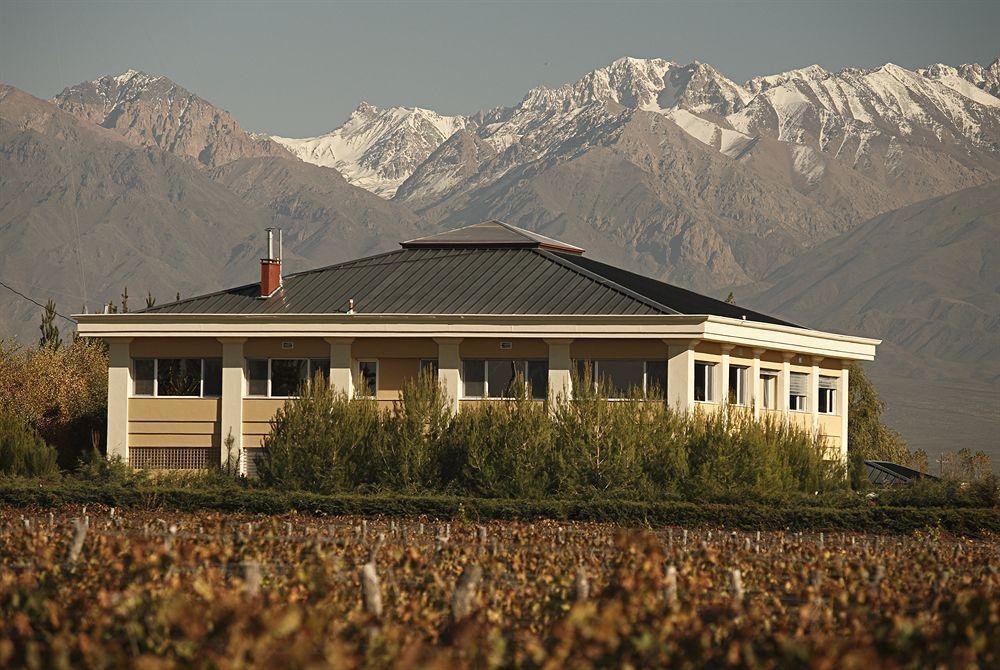
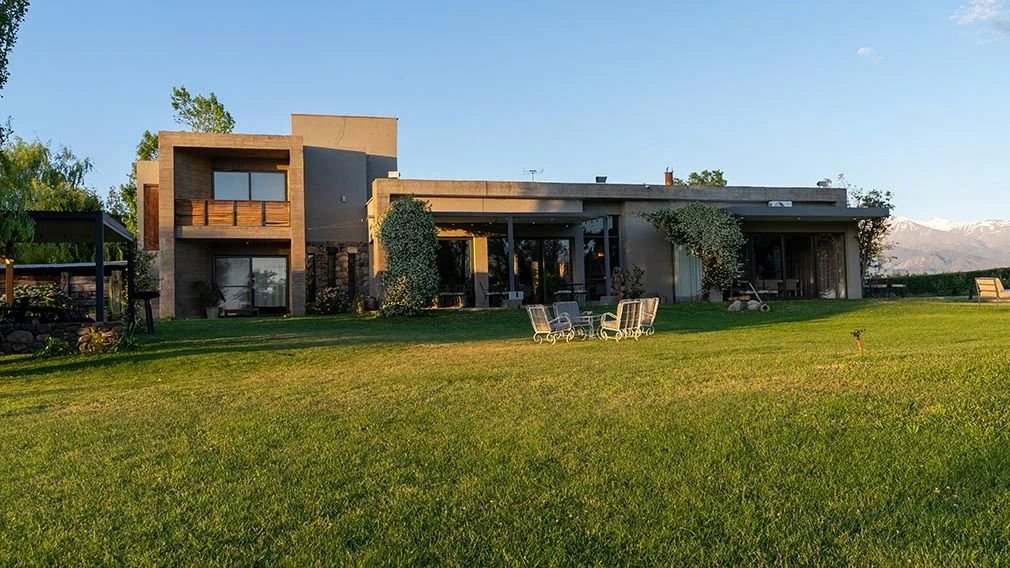
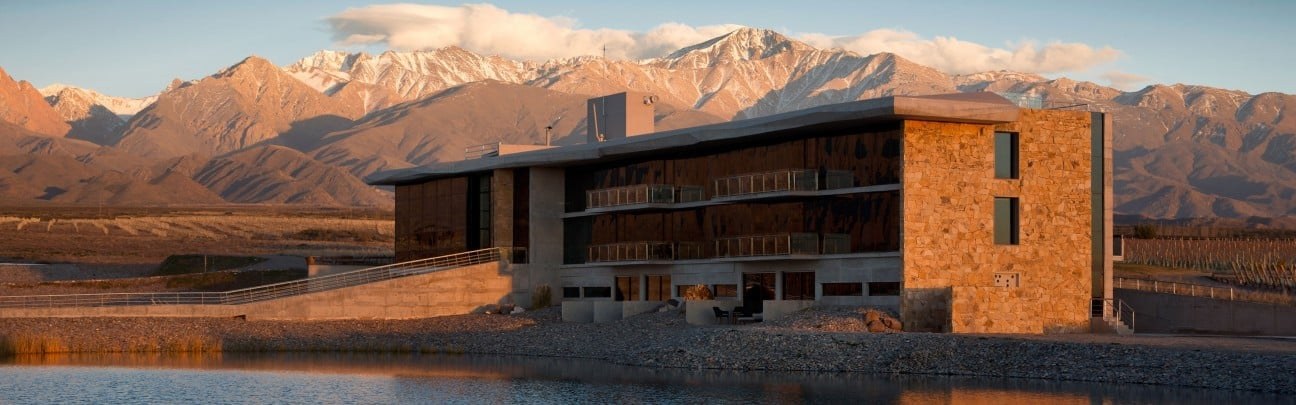
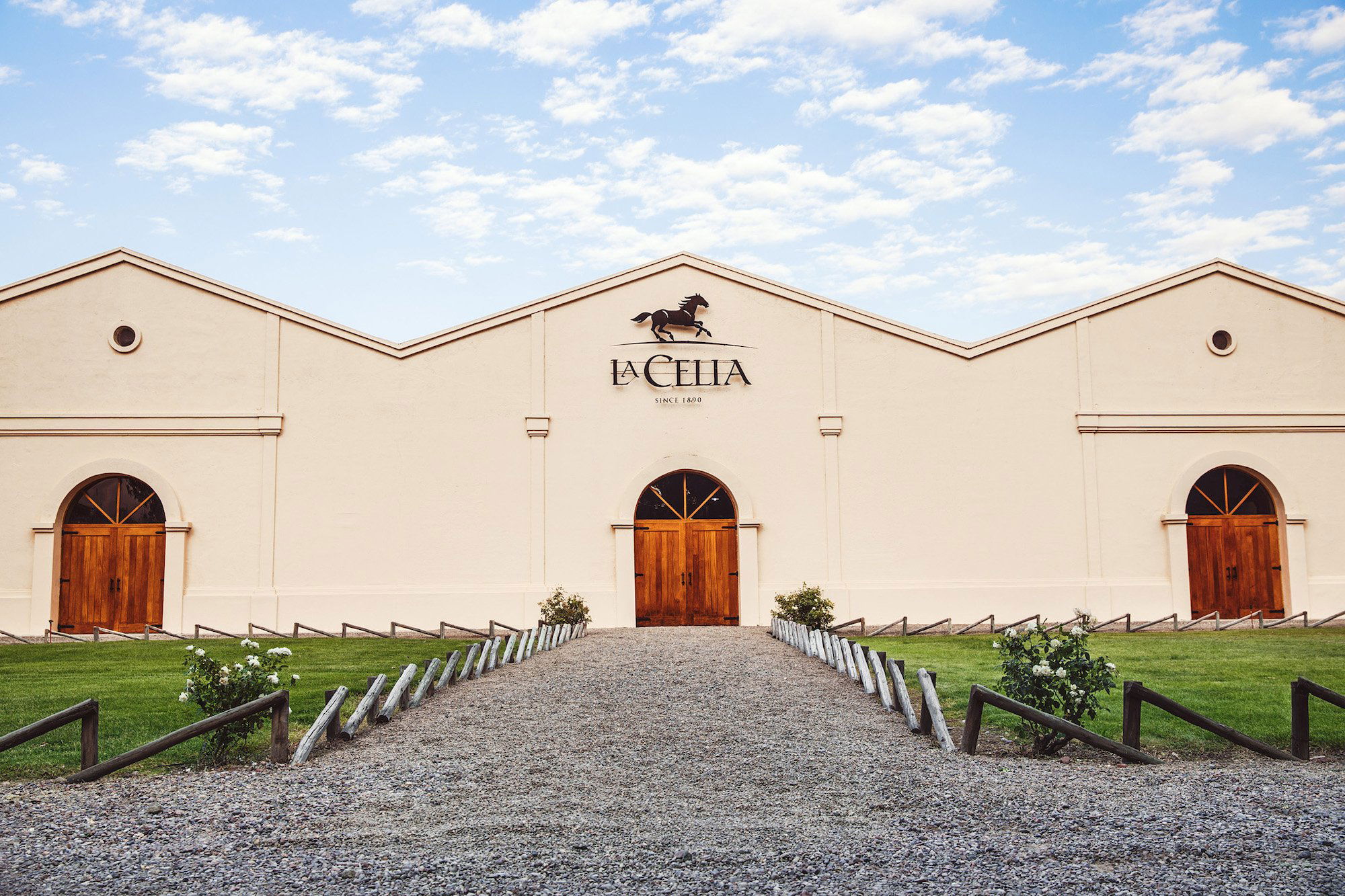
Historic architecture blended with modern technology in a natural setting at the foot of the Andes, offering a classic and scenic atmosphere.
Tags
Vibe
Best For
Experience
View
At the Vineyard
- Appellation
- Uco Valley
- Varietals
- Malbec, Cabernet Sauvignon, Cabernet Franc, Chardonnay, Pinot Noir
- Tour Duration
- 60-90 minutes
- Visits
- By reservation
- Wine Styles
- Still Red, Still White, Still Rose
- Wine Club
- Not available
Know before you go
Know Before You Go
- Getting there
- Circunvalación Celia Bustos de Quiroga 374, Eugenio Bustos, 5569 San Carlos, Mendoza, Argentina
Planning details
Location
Circunvalación Celia Bustos de Quiroga 374, Eugenio Bustos, 5569 San Carlos, Mendoza, Argentina · Directions
Also consider
Also Consider
- Zuccardi Valle de Uco, Notable alternative
- Bodega DiamAndes, Notable alternative
- Bodega Cuvelier Los Andes, Notable alternative
- Bodega Monteviejo, Notable alternative
- Antucura, Notable alternative
Winery context
How it compares in Tunuyán
Choose Finca La Celia when the day needs a quieter San Carlos anchor rather than the highest-profile Uco Valley stop. Zuccardi Valle de Uco is the stronger pick for travelers prioritizing a marquee name and a more obvious first-time Mendoza reference point, while Finca La Celia is better suited to a slower celebration itinerary.
Bodega DiamAndes, Bodega Cuvelier Los Andes, and Bodega Monteviejo are the more direct cross-shops for visitors comparing polished Tunuyán winery experiences. Pick one of those if convenience and a more familiar Uco Valley circuit matter more; choose Finca La Celia if the appeal is a less compressed stop farther into the San Carlos side of the region.
If availability or routing does not work, Antucura is the cleanest alternative from the supplied for a similarly calm wine-day profile. For broader planning around the area, Our full Tunuyán bars guide, Our full Tunuyán experiences guide, Achaval Ferrer in Luján de Cuyo, Andeluna Cellars in Tupungato, Achtung Gin in Bariloche, 00 Wines in Carlton, and 1310 Spirit of the Country Distillery in Sierning can help sort whether this should be part of a focused Uco Valley trip or a wider drinks itinerary.
Explore Tunuyán
Around this place
Discover more on Pearl
Unlock the full Finca La Celia guide in Pearl, including awards, comparisons, FAQs, planning details, and nearby places.
Compare Finca La Celia
| Venue | Location | Awards |
|---|---|---|
| Finca La Celia | Tunuyán | No published awards |
| Zuccardi Valle de Uco | Tunuyán | 2026 Falstaff Winery Guide2021 World's 50 Best Vineyards · #12020 World's 50 Best Vineyards · #12019 World's 50 Best Vineyards · #1 |
| Bodega DiamAndes | Tunuyán | 2026 Falstaff Winery Guide2025 World's 50 Best Vineyards · #932024 World's 50 Best Vineyards · #392023 World's 50 Best Vineyards · #48 |
| Bodega Cuvelier Los Andes | Tunuyán | No published awards |
| Bodega Monteviejo | Tunuyán | No published awards |
| Antucura | Tunuyán | 2025 Decanter Winery Prestige |



How Finca La Celia Tunuyán compares with similar nearby venues.
FAQ
Frequently Asked Questions
What other venues should I compare with Finca La Celia?
For the same trip, compare Finca La Celia with Antucura, Bodega Cuvelier Los Andes, Bodega DiamAndes, Bodega Monteviejo, and Zuccardi Valle de Uco. Confirm current logistics directly before assuming travel times or visit formats.
Does Finca La Celia offer shipping?
Can Finca La Celia handle large groups?
Contact Finca La Celia directly before planning a group visit, especially if the schedule also includes other venues such as Zuccardi Valle de Uco, Bodega Monteviejo, or Antucura.
Is membership at Finca La Celia worth joining?
The confirmed Pearl 2 Star Prestige recognition for 2025 makes Finca La Celia worth a closer look, but any membership decision should be based on the venue's current terms, access, and fulfillment details.
How long should I plan for a visit to Finca La Celia?
If you are pairing Finca La Celia with other names such as Bodega Monteviejo or Antucura, confirm timing directly with each venue and leave enough margin so the day does not feel rushed.
Do I need a reservation at Finca La Celia?
The safer approach is to contact Finca La Celia directly before visiting, especially if you are planning around its Pearl 2 Star Prestige recognition or coordinating it with Zuccardi Valle de Uco on the same trip.
Does Finca La Celia serve food?
If you want an itinerary built around dining, confirm directly with Finca La Celia and compare current options with venues such as Bodega DiamAndes and Zuccardi Valle de Uco before deciding.