Bodega Zorzal
Gualtallary, Tunuyán
Winery in Tunuyán, Argentina
 Book with Pearl
The Read
Altitude-Driven Viticulture
Price
$20–30tasting
Why go
Bodega Zorzal is a smart pick for a wine-led Tupungato stop, especially if the day is built around tasting rather than a long estate lunch. Plan it as a focused winery visit and confirm details before arranging drivers or meals, since the strongest fit is for travellers who want Uco Valley context without relying on a restaurant-style format.
About Bodega Zorzal
Bodega Zorzal is a venue in Tunuyán with a casual dress code and Pearl 2 Star Prestige recognition for 2025. If your itinerary depends on restaurant service, a menu, pricing, hours, tasting structure, a chef-led experience, or other service specifics, check the venue's official channels before building plans around it.
Approach Bodega Zorzal as a Tunuyán stop to research directly before you commit. If your plans depend on food service, a particular visit format, published pricing, or fixed hours, confirm those details with the venue.
Choose it for a Tunuyán stop, then check the service details
Avoid assuming any particular hospitality setup. Use Bodega Zorzal as one point in a Tunuyán plan, then confirm the practical details that matter for your visit.
For comparison, you may also look at other regional options such as Andeluna Cellars, Domaine Bousquet, Finca Sophenia, Rutini Wines (La Rural), and Sitio La Estocada, along with other dining and visit options in Tunuyán.
How to place it in a regional trip
Bodega Zorzal is best considered when you want a Tunuyán venue with a casual dress code and Pearl 2 Star Prestige recognition for 2025. It should not be treated as a guaranteed meal stop or full-service hospitality plan unless you have arranged those details directly with the venue.
Verdict: keep Bodega Zorzal on the shortlist if Tunuyán is part of your route and you are comfortable checking the visit details yourself. If your day depends on specific services, compare it with Andeluna Cellars, Domaine Bousquet, Finca Sophenia, Rutini Wines (La Rural), Sitio La Estocada, or other Tunuyán options before deciding.
Planning details
- Location
- Calle Estancia Silva S/N, M5561 Tupungato, Mendoza
- Website
- zorzalwines.com
- Phone
- +54 9 261 345-6775
The take
The Take
The Vibe
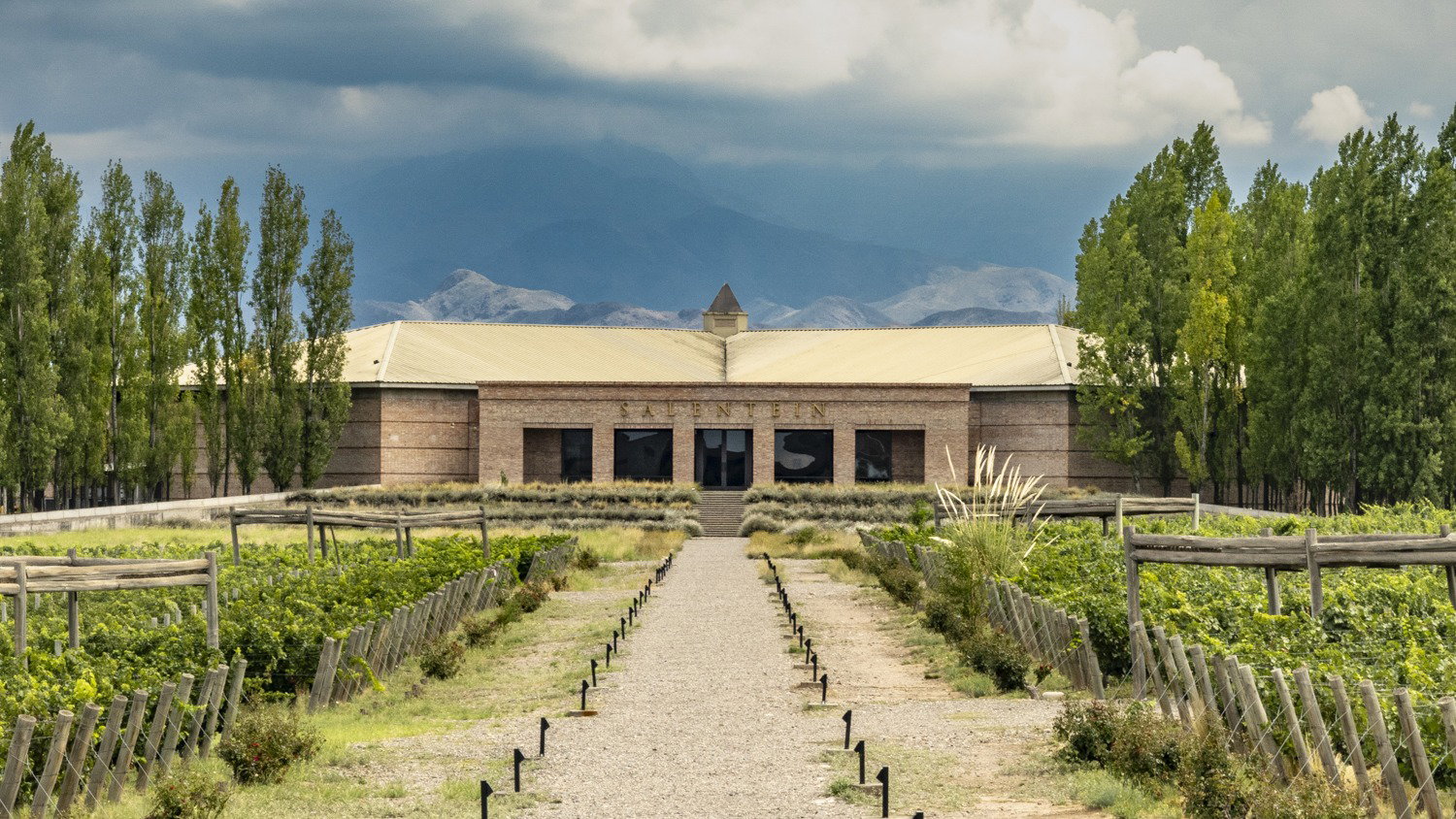
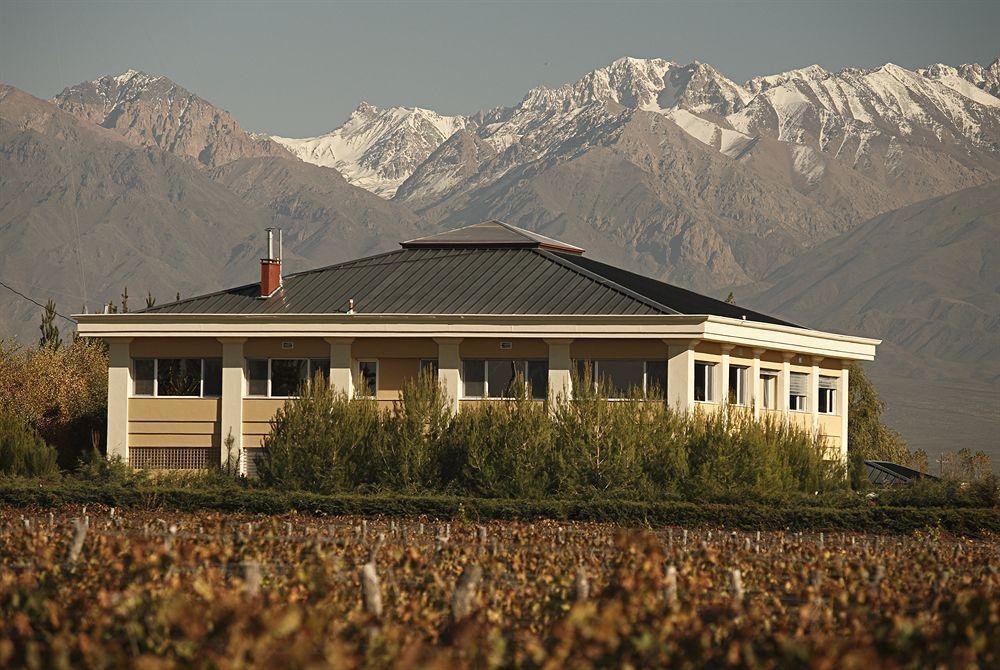
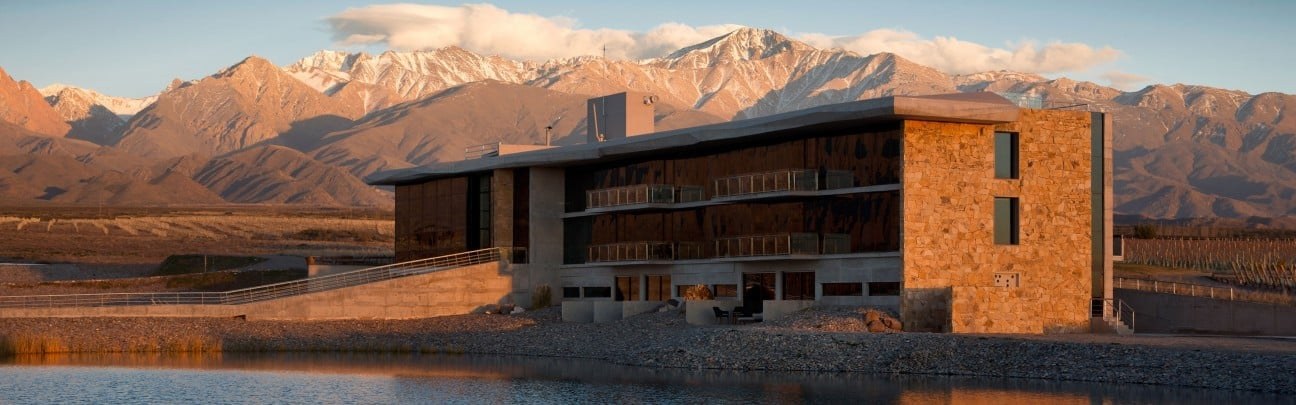
Bodega Zorzal sits high in the Valle de Uco where altitude and a wide mountain horizon shape both landscape and wine. The writing emphasizes restraint and a viticultural first approach: soils, vine age and canopy management are the drivers, and the cool nights and broad skies give the wines their signature freshness. The tone is contemplative rather than theatrical — this is a place where the Andes and the vineyard speak louder than cellar showmanship. Visitors encounter a serene, site‑focused winery that rewards attention to nuance and place.
Best For
This is a destination for people interested in how site and farming translate into wine. It suits visitors seeking wine education and solo exploration — the description stresses viticulture, soil biology and minimal intervention, so tastings here are best appreciated by those who want to probe vineyard parcels, vine age and farming choices. The setting also lends itself to quiet, reflective visits rather than loud, social outings: come to learn, compare vintages and taste for acidity and terroir expression.
Tasting Tips
When tasting here, steer the conversation toward vineyard specifics: ask about parcel differences, soil composition, vine age and canopy management — the winery foregrounds these elements as the primary arguments for its wines. Focus on examples that showcase freshness and diurnal effect; request comparisons that highlight how elevation and ripening pace influence acidity and phenolic development. Because the cellar approach is described as restrained, inquire about minimal‑intervention winemaking to understand how farming choices arrive in the glass.
Venue details
Ambiance
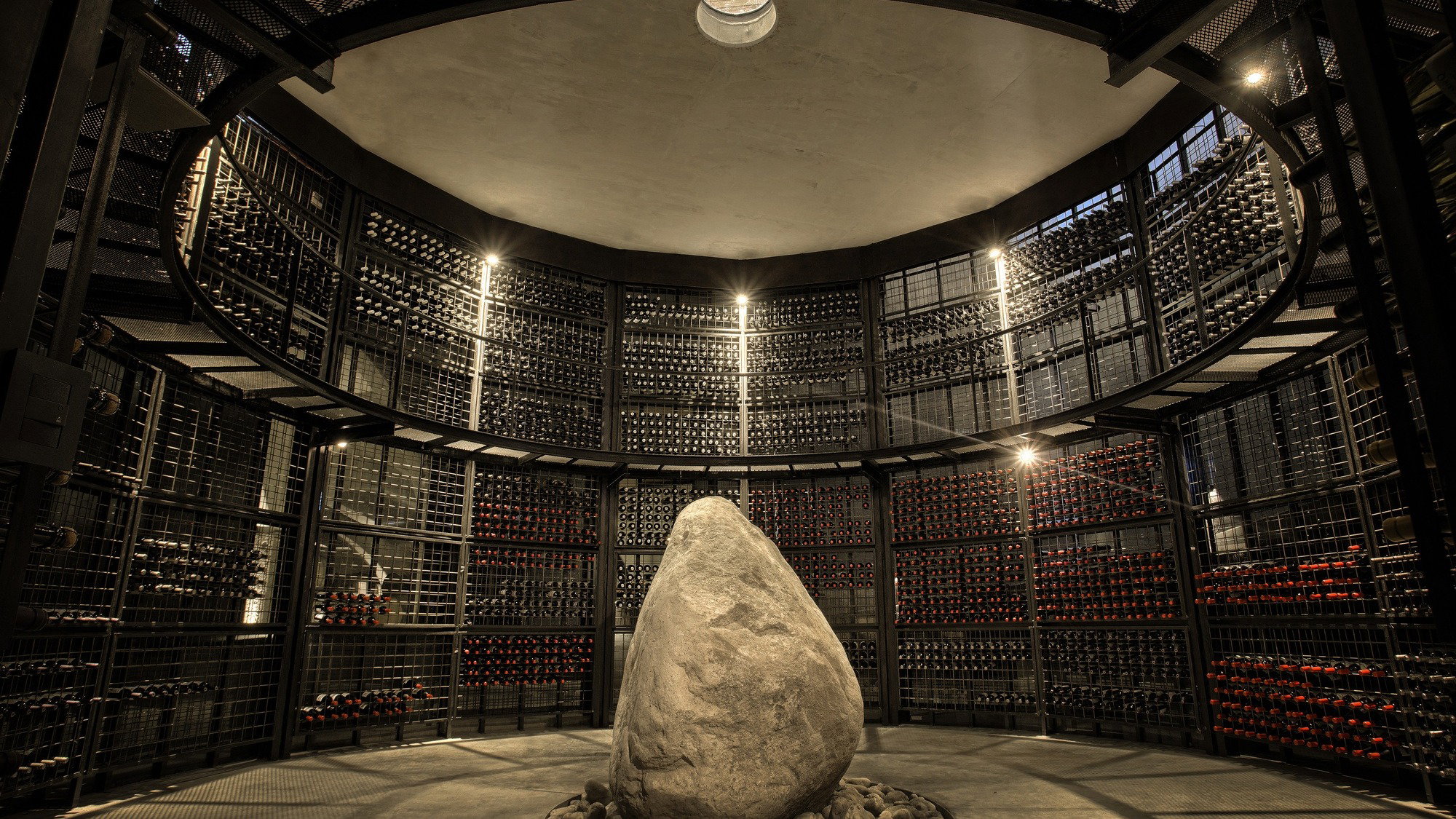
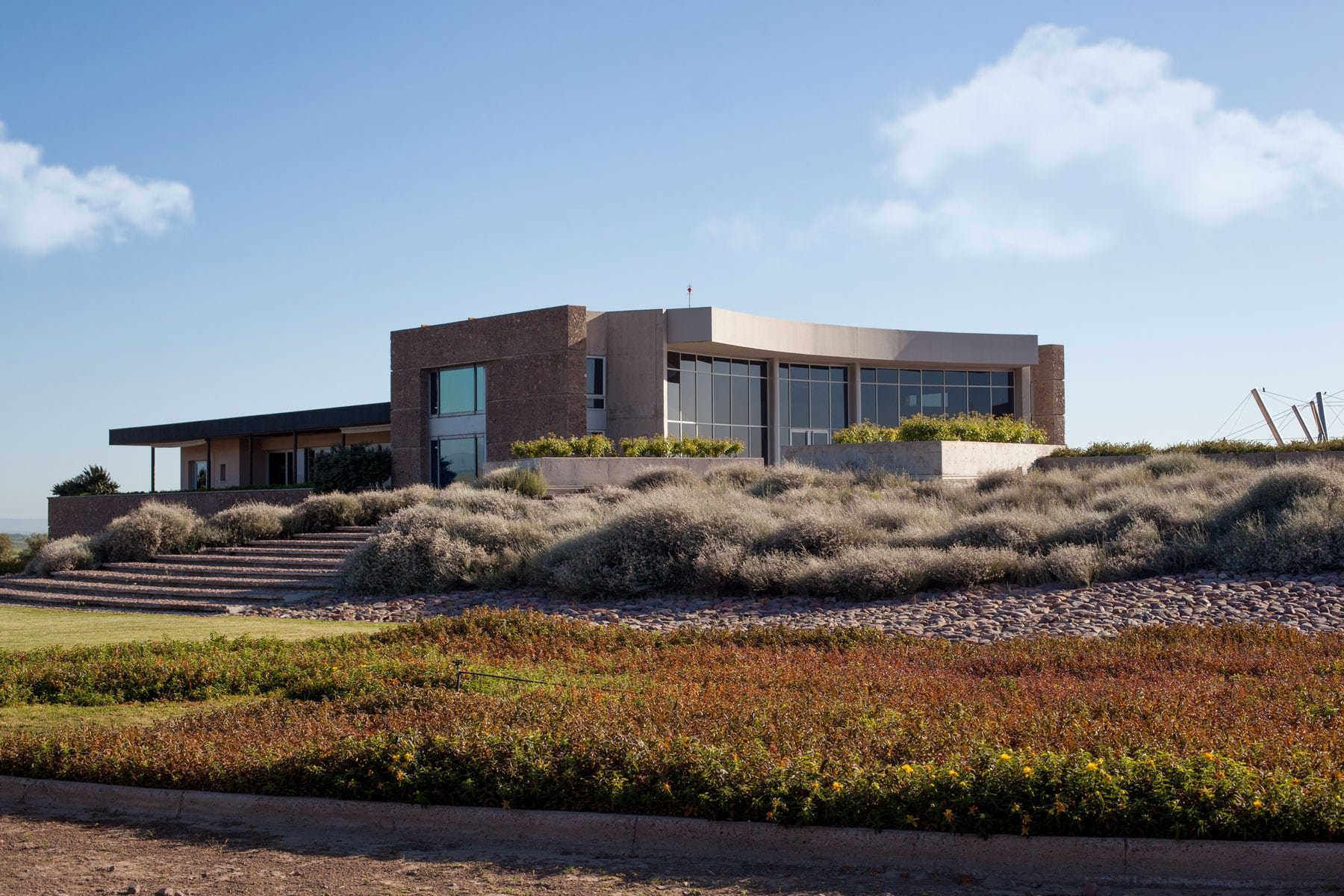
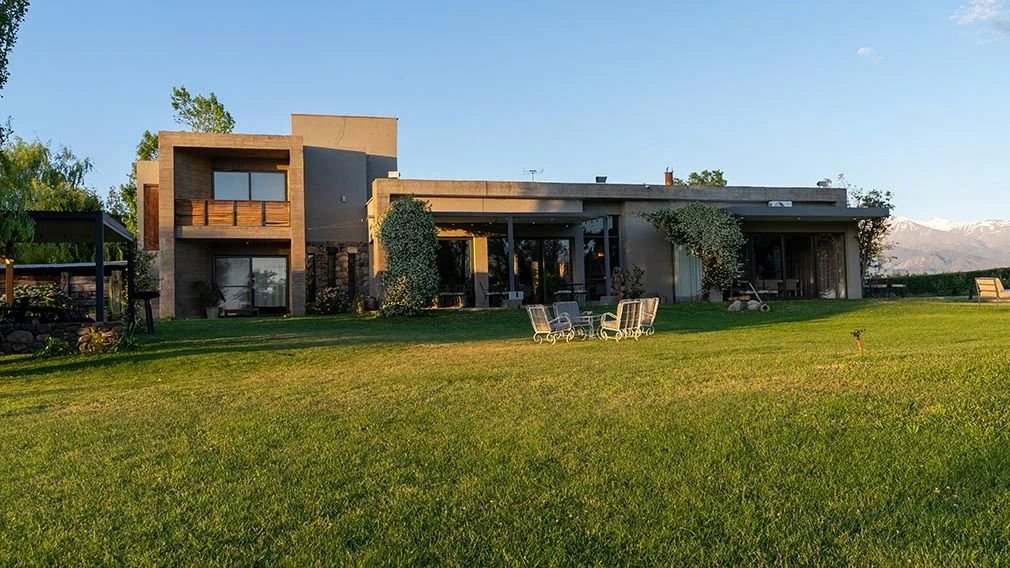
Minimalist modern architecture with rustic vineyard setting at 4400 feet elevation.
Tags
Vibe
Best For
Experience
Sourcing
View
At the Vineyard
- Appellation
- Valle de Uco
- Varietals
- Malbec, Cabernet Sauvignon, Pinot Noir
- Tour Duration
- 60-90 minutes
- Tour Languages
- Spanish, English
- Visits
- By reservation
- Farming
- Sustainable
- Wine Styles
- Still Red
- Wine Club
- Not available
Know before you go
Know Before You Go
- Getting there
- Calle Estancia Silva S/N, M5561 Tupungato, Mendoza
Planning details
Location
Also consider
Where to look if this does not fit the day
If a confirmed food-and-wine structure is the priority, start with Andeluna Cellars or Domaine Bousquet. If the plan is more about a recognised Mendoza name and less about staying in Tupungato, compare availability at Rutini Wines (La Rural).
Winery context
How it compares in Tunuyán
Choose Bodega Zorzal when the goal is a focused wine stop with a quieter, less meal-driven feel. Andeluna Cellars is the easier cross-shop for travellers who want a more hospitality-forward visit in Tupungato, while Domaine Bousquet is the better fit for groups that want a broader estate experience and a clearer food-and-wine plan.
Rutini Wines (La Rural) makes more sense if the priority is a larger-name, museum-style Mendoza wine stop rather than a leaner Uco Valley tasting. Finca Sophenia is the closer comparison for travellers staying in Tupungato and trying to keep the day geographically tight. Sitio La Estocada is worth checking if availability is the main issue and the day needs a backup with similar regional context.
Value depends on what the group needs from the booking. For wine depth without building the day around lunch, Bodega Zorzal is the sharper choice. For easier logistics, more predictable hospitality, or a food-first itinerary, start with Andeluna Cellars or Domaine Bousquet instead.
Explore Tunuyán
Around this place
Discover more on Pearl
Unlock the full Bodega Zorzal guide in Pearl, including awards, comparisons, FAQs, planning details, and nearby places.
Compare Bodega Zorzal
| Venue | Location | Awards |
|---|---|---|
| Bodega Zorzal | Tunuyán | No published awards |
| Sitio La Estocada | Tupungato | 2025 World's 50 Best Vineyards · #91 |
| Rutini Wines (La Rural) | Tupungato | No published awards |
| Andeluna Cellars | Tupungato | 2026 Falstaff Winery Guide |
| Finca Sophenia | Tupungato | 2026 Falstaff Winery Guide |
| Domaine Bousquet | Tupungato | 2026 Falstaff Winery Guide |


How Bodega Zorzal Tunuyán compares with similar nearby venues.
FAQ
Frequently Asked Questions
Does Bodega Zorzal serve food?
Do I need a reservation at Bodega Zorzal?
Check reservation requirements directly with Bodega Zorzal. If you are comparing Bodega Zorzal with Andeluna Cellars, Domaine Bousquet, Finca Sophenia, Rutini Wines (La Rural), or Sitio La Estocada, confirm availability directly with each venue.
What is the dress code at Bodega Zorzal?
The dress code for Bodega Zorzal is casual.
What recognition does Bodega Zorzal have?
Bodega Zorzal has Pearl 2 Star Prestige recognition for 2025.