

Winery in Tulahuén, Chile
Pisco Waqar Distillery
500Pearl PointsRural pisco stop
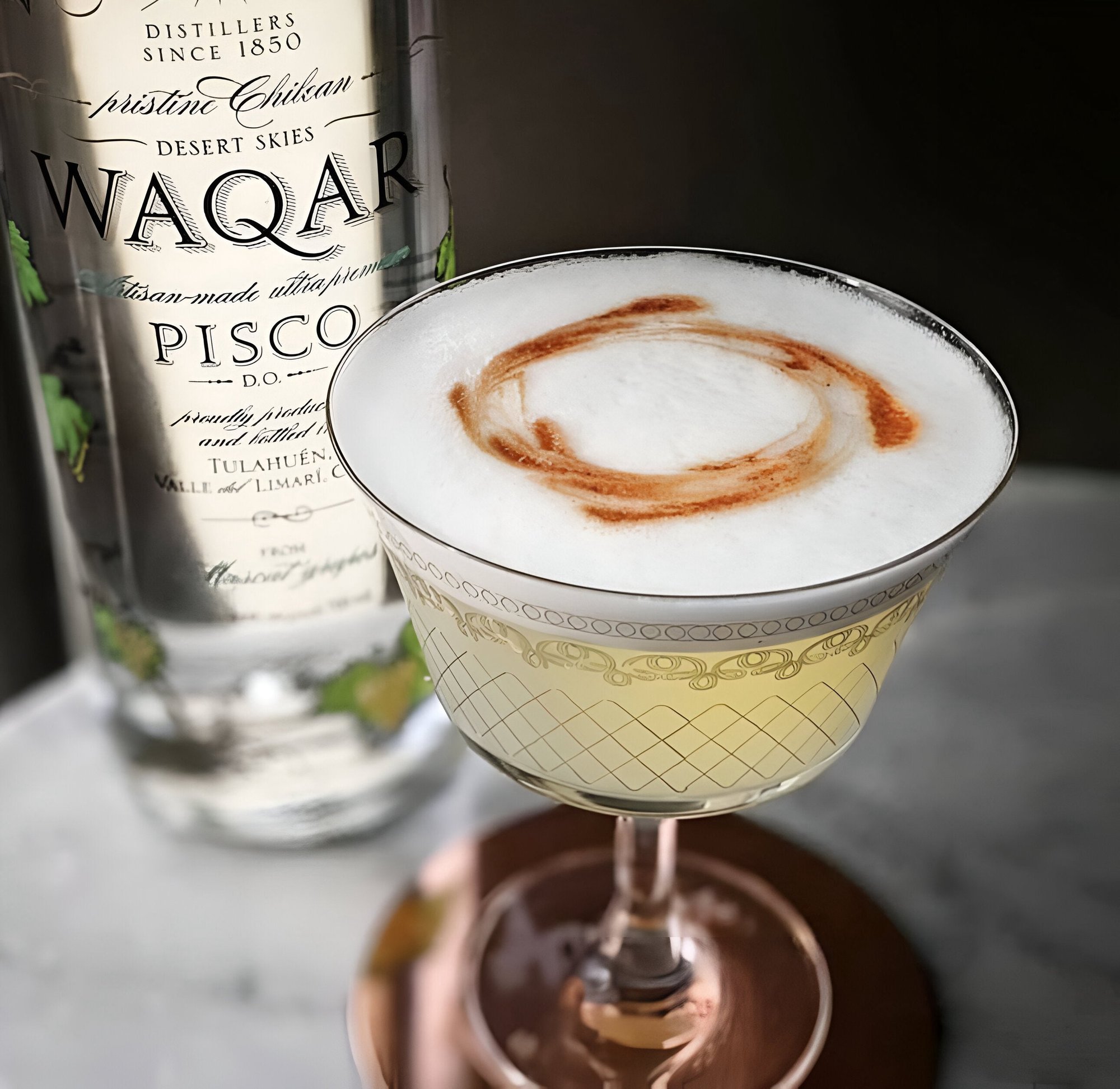
About Pisco Waqar Distillery
Best for travelers building a serious pisco route through Tulahuén, not for anyone looking for a casual drop-in tasting with lots of confirmed visitor amenities. The rural setting is part of the value, so plan it as a destination stop rather than filler between easier bookings.
Pisco Waqar Distillery is a Tulahuén venue with a casual dress code and Pearl 2 Star Prestige recognition for 2025. Beyond those confirmed details, this listing does not verify specific visitor amenities, hours, pricing, menus, group capacity, or service formats, so plan with the venue directly before building an itinerary around it.
Use this page as a concise planning note rather than a full visitor-service profile. The grounded facts are simple: the venue is Pisco Waqar Distillery in Tulahuén, the dress code is casual, the confirmed recognition is Pearl 2 Star Prestige (2025).
Tulahuén setting first, casual convenience second
For planning purposes, treat Pisco Waqar Distillery as a Tulahuén stop that requires direct confirmation for practical details. This listing does not verify specific opening hours, reservation policies, visit formats, food service, transport guidance, or accessibility information.
If you are comparing the broader category, other named options that may be relevant include Black Heron Pisco Distillery, Fundo Los Nichos, Pisco Mal Paso, Pisquera Casa Juliá, and Viña Tabalí. For local planning around Tulahuén, use other dining and lodging resources generically and confirm current details before travel.
Who should prioritize this over another Chilean venue
Prioritize Pisco Waqar Distillery if a Tulahuén venue with a casual dress code and Pearl 2 Star Prestige recognition for 2025 fits the trip. If your decision depends on confirmed amenities, specific visit details, food, shipping, group handling, or fixed visitor hours, check with the venue before committing.
The honest verdict: this is a thin-data listing with one clear distinction, Pearl 2 Star Prestige (2025), and a confirmed Tulahuén location. It is best approached as a venue to verify directly rather than as a listing with fully documented visitor logistics.
Quick reference: Pisco Waqar Distillery is in Tulahuén, has a casual dress code, holds Pearl 2 Star Prestige recognition for 2025.
Frequently Asked Questions
Can Pisco Waqar Distillery handle large groups?
Group capacity is not verified for Pisco Waqar Distillery. If you are planning for a larger party, check the venue's official channels and confirm arrangements before traveling to Tulahuén.
Do I need a reservation at Pisco Waqar Distillery?
Reservation requirements are not verified. Because the confirmed listing details are limited to Tulahuén, casual dress code, Pearl 2 Star Prestige (2025), check directly with Pisco Waqar Distillery before visiting.
How long should I plan for a visit to Pisco Waqar Distillery?
Visit length is not verified. Plan only after confirming current visitor details with Pisco Waqar Distillery, especially if your Tulahuén itinerary depends on timing.
Are memberships or ongoing access options available at Pisco Waqar Distillery?
Membership or ongoing access details are not verified for Pisco Waqar Distillery. If that matters to your plans, rely on the venue's official information rather than this listing.
Does Pisco Waqar Distillery offer shipping?
Shipping details are not verified for Pisco Waqar Distillery. Confirm directly with the venue if shipping is important to your plans.
What specific products or specialties are verified for Pisco Waqar Distillery?
No specific products or specialties are verified for this listing. The confirmed facts are that Pisco Waqar Distillery is in Tulahuén, has a casual dress code, holds Pearl 2 Star Prestige recognition for 2025.
Does Pisco Waqar Distillery serve food?
Food service is not verified for Pisco Waqar Distillery. Confirm directly with the venue before assuming that food is available during a visit.
Location
Avenida Vicuña Mackenna s/n, Tulahuen, Monte Patria, Coquimbo
Tulahuén, Chile
Compare Pisco Waqar Distillery
| Venue | Location | Awards |
|---|---|---|
| Pisco Waqar Distillery | Tulahuén | Pearl 2 Star Prestige (2025) |
| Black Heron Pisco Distillery | Coquimbo | , |
| Pisquera Casa Juliá | Ovalle | , |
| Pisco Mal Paso | Vicuña | , |
| Viña Tabalí | Ovalle | , |
| Fundo Los Nichos | Pisco Elqui | , |
How Pisco Waqar Distillery Tulahuén compares with similar nearby venues.
Also Consider
- Black Heron Pisco Distillery, Notable alternative
- Pisquera Casa Juliá, Notable alternative
- Pisco Mal Paso, Notable alternative
- Viña Tabalí, Notable alternative
- Fundo Los Nichos, Notable alternative
How it compares with Tulahuén-area pisco and wine stops
Pisco Waqar Distillery is the more specialist pick if the decision is about pisco provenance and a rural Tulahuén setting. Black Heron Pisco Distillery and Pisco Mal Paso are the better cross-shops for travelers who want to compare pisco producers before committing to one stop, while Pisquera Casa Juliá is worth checking when the priority is another pisco-focused alternative rather than a wine detour.
If the group includes wine drinkers, Viña Tabalí is the more natural comparison because it shifts the day toward vineyard context rather than distillation. Fundo Los Nichos is also a practical backup for visitors who want another regional drinks stop and cannot make the timing work here.
For value, the smart move is to decide by itinerary fit rather than price tier, since confirmed public pricing is not available here. Choose Pisco Waqar when Tulahuén itself is central to the day; choose one of the peers when easier routing, broader group appeal, or a clearer wine-versus-pisco split matters more.
Explore Tulahuén
Save or rate Pisco Waqar Distillery on Pearl
Keep this venue in your Pearl passport, rate it after you visit, and track it alongside every other place you collect.