
Weingut Dr. Crusius
Traisen
Winery in Traisen, Germany
 Book with Pearl
The Read
Geological Terroir Precision
Why go
Book Weingut Dr. Crusius if the priority is a serious Nahe winery stop in Traisen rather than an easy walk-in tasting. Its 2025 Pearl 2 Star Prestige recognition makes it a stronger fit for collectors, celebrations, and business hosting than for casual groups trying to improvise a wine-country day.
About Weingut Dr. Crusius
Weingut Dr. Crusius in Traisen holds Pearl 2 Star Prestige recognition for 2025. That distinction gives the venue a clear planning marker, alongside a casual dress code. For practical details beyond those essentials, check directly with the venue before finalising a visit.
For readers deciding whether to include Weingut Dr. Crusius in a Traisen itinerary, plan around the essentials: the venue is in Traisen, it has Pearl 2 Star Prestige recognition in 2025, and the dress code is casual. Those facts are enough to make it a serious candidate for a focused stop, while leaving the finer logistics to be settled before travel. In practical terms, the venue is best approached with interest, but also with a degree of planning restraint.
Book it for a focused Traisen stop
The strongest reason to prioritise Weingut Dr. Crusius is its Pearl 2 Star Prestige recognition in 2025. That makes it a more credible stop than a venue selected only by location, while still leaving practical details to be checked directly before visiting. The recognition is useful because it distinguishes the venue within a planning shortlist and gives visitors a reason to treat it as more than a casual pin on the map. At the same time, it should not be stretched into promises about the shape of the visit.
Avoid building the day around assumptions about hours, formats, menus, prices, or services. Treat the venue as a focused Traisen stop and confirm the details that matter to your visit before committing the rest of the itinerary. This is especially important if the visit is part of a broader schedule, where timing, availability, and the expected experience all affect the rest of the day. A simple direct check with the venue is the cleanest way to settle the logistics.
The dress code is casual, so visitors do not need to plan around formal attire. That makes the preparation straightforward from a wardrobe perspective and keeps attention on the more meaningful planning questions. The main planning point is simpler: keep the visit intentional, confirm current arrangements with the venue, and use the Pearl 2 Star Prestige recognition as the primary quality signal. In other words, let the recognition justify the interest, but let direct confirmation determine the logistics.
How to frame the rest of the trip
Use Traisen as the reference point for planning rather than assuming a wider set of services or visitor amenities. This keeps expectations grounded and helps the venue sit naturally within an itinerary, whether the stop is the main reason for being in Traisen or one part of a broader comparison of notable venues. Readers comparing venues can also look at Gut Hermannsberg, Weingut Hermann Dönnhoff, Weingut Jakob Schneider, Weingut Prinz Salm, and Weingut Schäfer-Fröhlich for context. Those comparisons are most helpful at the level of destination planning, rather than as a basis for assuming that every venue will operate in the same way.
Quick reference: Weingut Dr. Crusius is in Traisen, the dress code is casual, and Pearl 2 Star Prestige recognition in 2025 is the key distinction. For everything else, check directly with the venue before planning around it. That approach keeps expectations accurate, avoids overpromising, and gives visitors the clearest way to decide whether the stop fits their plans.
Planning details
- Location
- Hauptstraße 2, 55595 Traisen
- Website
- weingut-crusius.de
- Phone
- +49 671 33953
The take
The Take
The Vibe
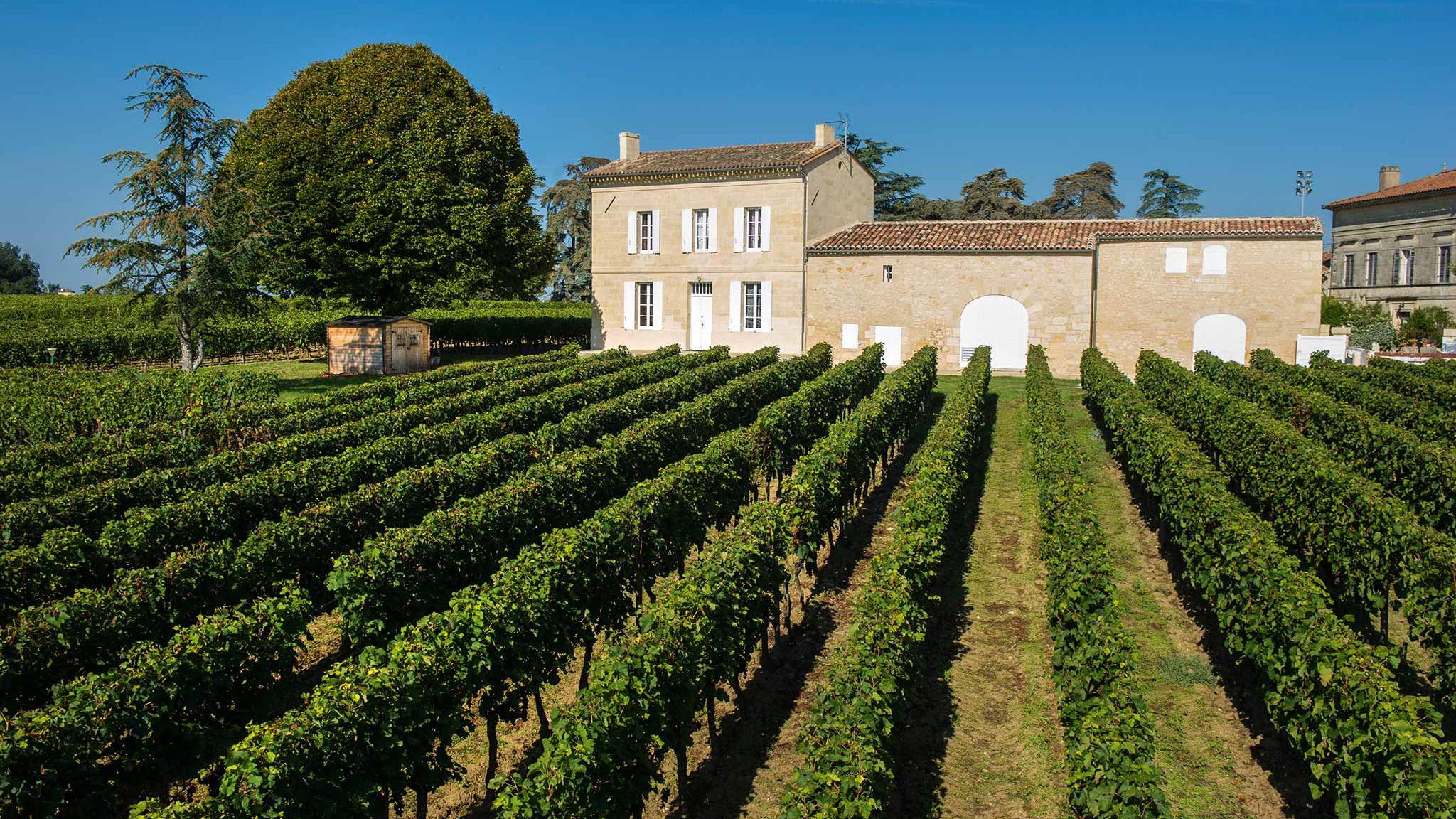
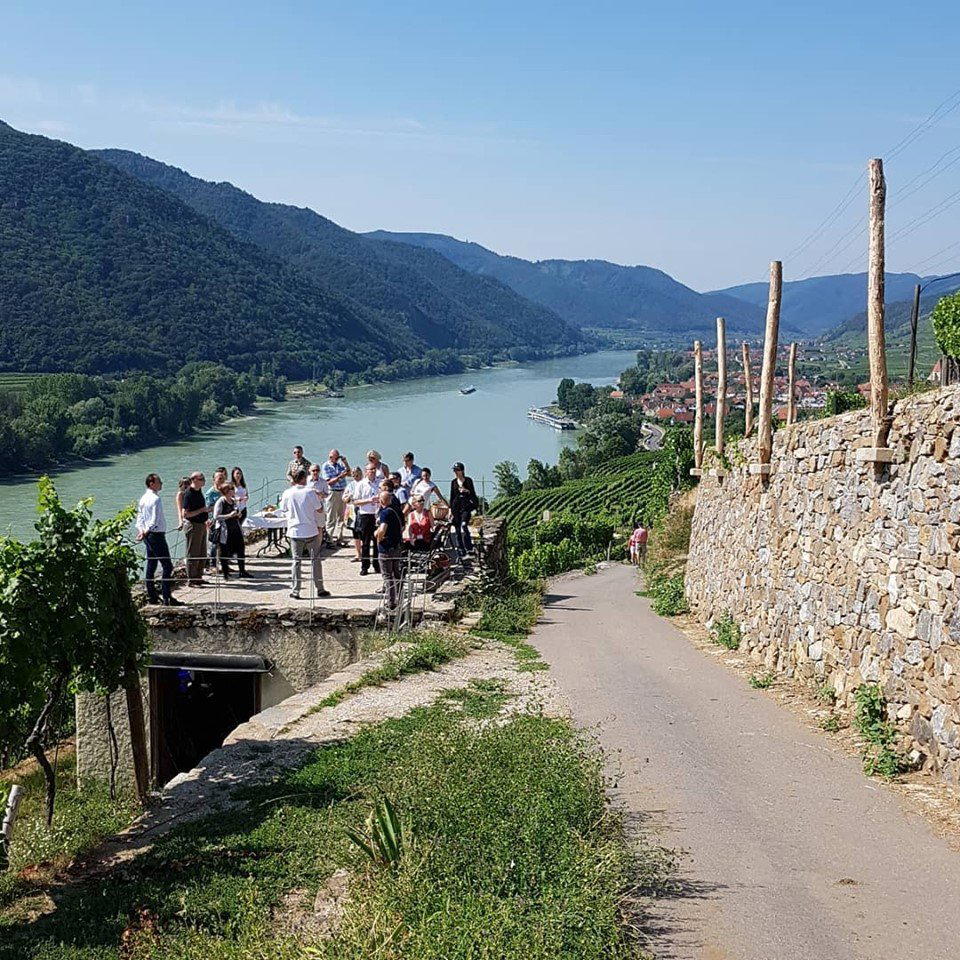
Weingut Dr. Crusius presents a quietly authoritative presence in the Nahe: a village-scale estate that rewards close attention. The site feels intimate rather than theatrical — cellars and vineyards sit embedded in the town fabric rather than staged for tourism. The tenor is specialist and slightly reserved, a producer-oriented environment shaped by complex local geology rather than by visitor-driven spectacle. Expect an understated, historically rooted atmosphere where the land is the point of focus; this is the sort of place that appeals to curious wine lovers who prefer discovery over showmanship.
Best For
This estate suits visitors who want to explore terroir and winemaking with focus. Its positioning in the Nahe and the note of regional specialization make it a natural stop for wine-education seekers and those travelling solo to study site differences. The Pearl 2 Star Prestige recognition also makes the house appropriate for milestone visits or low-key special occasions where quality and provenance matter. Because the winery is embedded in a small village and not a tourist complex, it works best for deliberate tastings rather than large, casual groups.
Tasting Tips
When tasting here, orient your questions and sampling around site expression and geology: the description highlights volcanic, slate and sandstone formations that drive distinct profiles across very short distances. Ask the host for wines from specific plots or vintages that showcase those soil differences and focus on Riesling and other estate-grown varieties tied to individual sites. Prioritize single-site or prestige bottlings if you want a clear sense of terroir; this is a producer where careful, comparative sips reveal more than broad, blended house wines.
Venue details
Ambiance
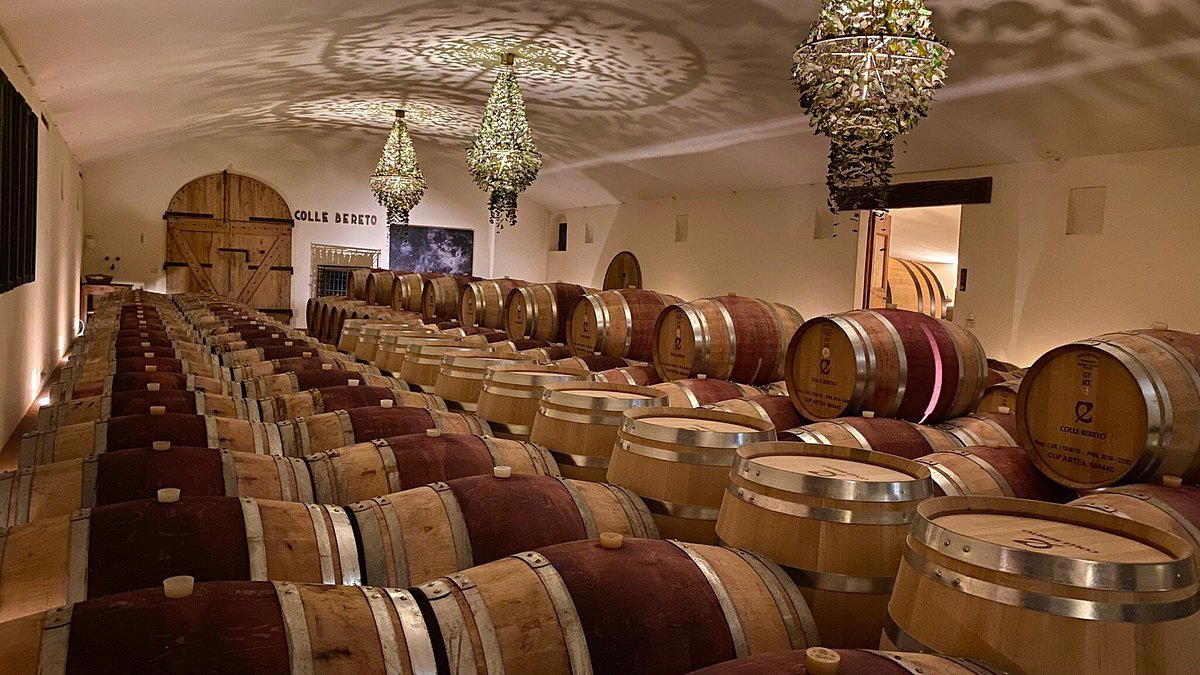
Historic 1888 estate buildings with vaulted cellar, offering an elegant and traditional atmosphere focused on precise, origin-reflecting wines.
Tags
Vibe
Best For
Experience
View
At the Vineyard
- Appellation
- Nahe
- Varietals
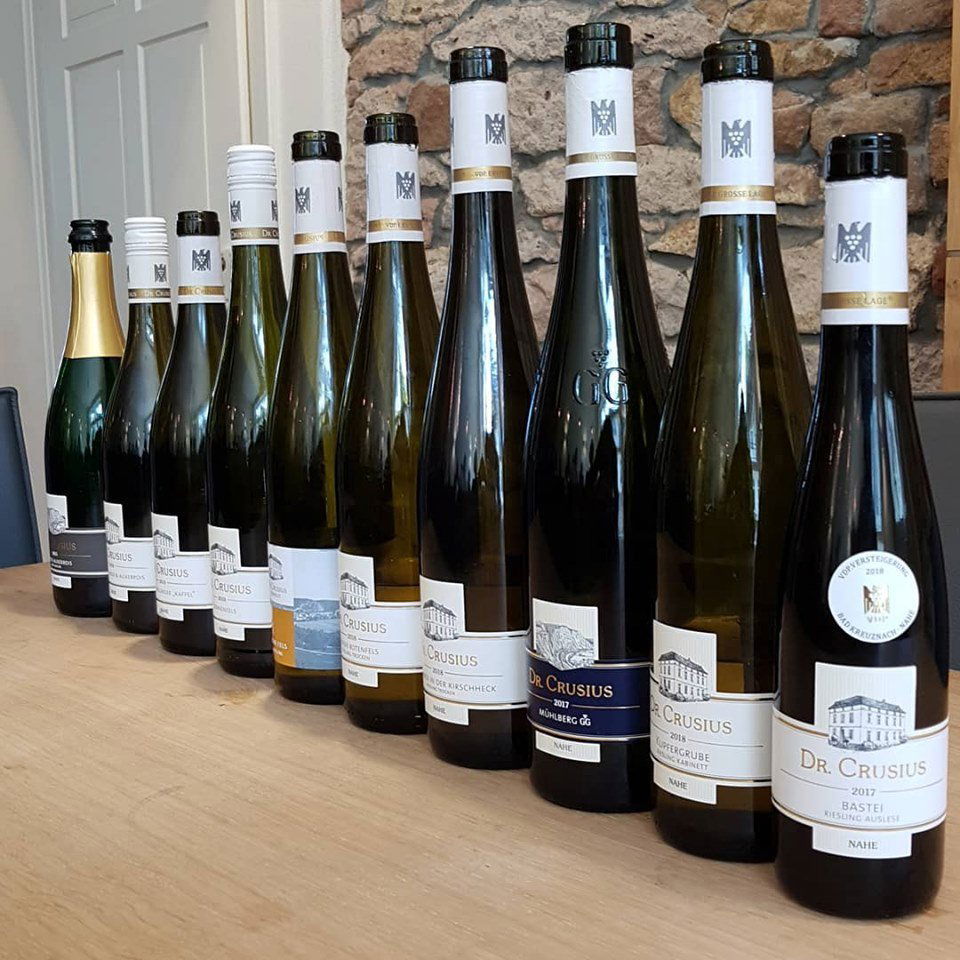
- Riesling, Weissburgunder, Spätburgunder, Frühburgunder
- Tour Duration
- 60-90 minutes
- Tour Languages
- German
- Visits
- By reservation
- Wine Styles
- Still White
- Wine Club
- Not available
Know before you go
Know Before You Go
- Getting there
- Hauptstraße 2, 55595 Traisen
Planning details
Location
Recognition and awards

Also consider
Where to Look If This Is Full
If Weingut Dr. Crusius is not available, try Weingut Jakob Schneider first for the closest like-for-like Nahe planning option. For a more destination-style outing, Gut Hermannsberg is the stronger backup.
Winery context
How It Compares
Choose Weingut Dr. Crusius when the trip is centered on Traisen and the visit needs to feel credible enough for a special occasion. Compared with Weingut Jakob Schneider, it reads as the more appointment-led choice for a focused winery stop, while Jakob Schneider is the easier cross-shop for readers who want another Nahe producer in the same planning set.
Gut Hermannsberg and Weingut Hermann Dönnhoff are better alternatives if the goal is a broader regional benchmark rather than a Traisen-specific visit. For readers choosing by ambiance, Gut Hermannsberg is the more obvious pick for a destination-style outing; Dr. Crusius is better when the plan is tighter and the winery appointment is the main event.
Weingut Prinz Salm and Weingut Schäfer-Fröhlich make more sense as cross-shops for visitors comparing named Nahe-area producers and trying to balance access with reputation. If booking friction is the deciding factor, keep all five on the shortlist and take the first confirmed appointment that fits the day.
Explore Traisen
Around this place
Discover more on Pearl
Unlock the full Weingut Dr. Crusius guide in Pearl, including awards, comparisons, FAQs, planning details, and nearby places.
Compare Weingut Dr. Crusius
| Venue | Location | Awards |
|---|---|---|
| Weingut Dr. Crusius | Traisen | 2026 Falstaff Winery Guide |
| Weingut Jakob Schneider | Niederhausen | 2026 Falstaff Winery Guide |
| Gut Hermannsberg | Niederhausen | 2026 Falstaff Winery Guide |
| Weingut Hermann Dönnhoff | Oberhausen an der Nahe | 2026 Falstaff Winery Guide |
| Weingut Prinz Salm | Wallhausen | 2026 Falstaff Winery Guide |
| Weingut Schäfer-Fröhlich | Bockenau | 2026 Falstaff Winery Guide |
How Weingut Dr. Crusius Traisen compares with similar nearby venues.
FAQ
Frequently Asked Questions
How long should I plan for a visit to Weingut Dr. Crusius?
What other venues can I compare with Weingut Dr. Crusius?
Relevant comparison names include Weingut Jakob Schneider, Gut Hermannsberg, Weingut Hermann Dönnhoff, Weingut Prinz Salm, and Weingut Schäfer-Fröhlich. Use them as reference points when planning a wider itinerary.
Do I need a reservation at Weingut Dr. Crusius?
What should I know about a flagship offering at Weingut Dr. Crusius?
The key distinction is Pearl 2 Star Prestige recognition in 2025; for item-specific guidance, check directly with the venue.