

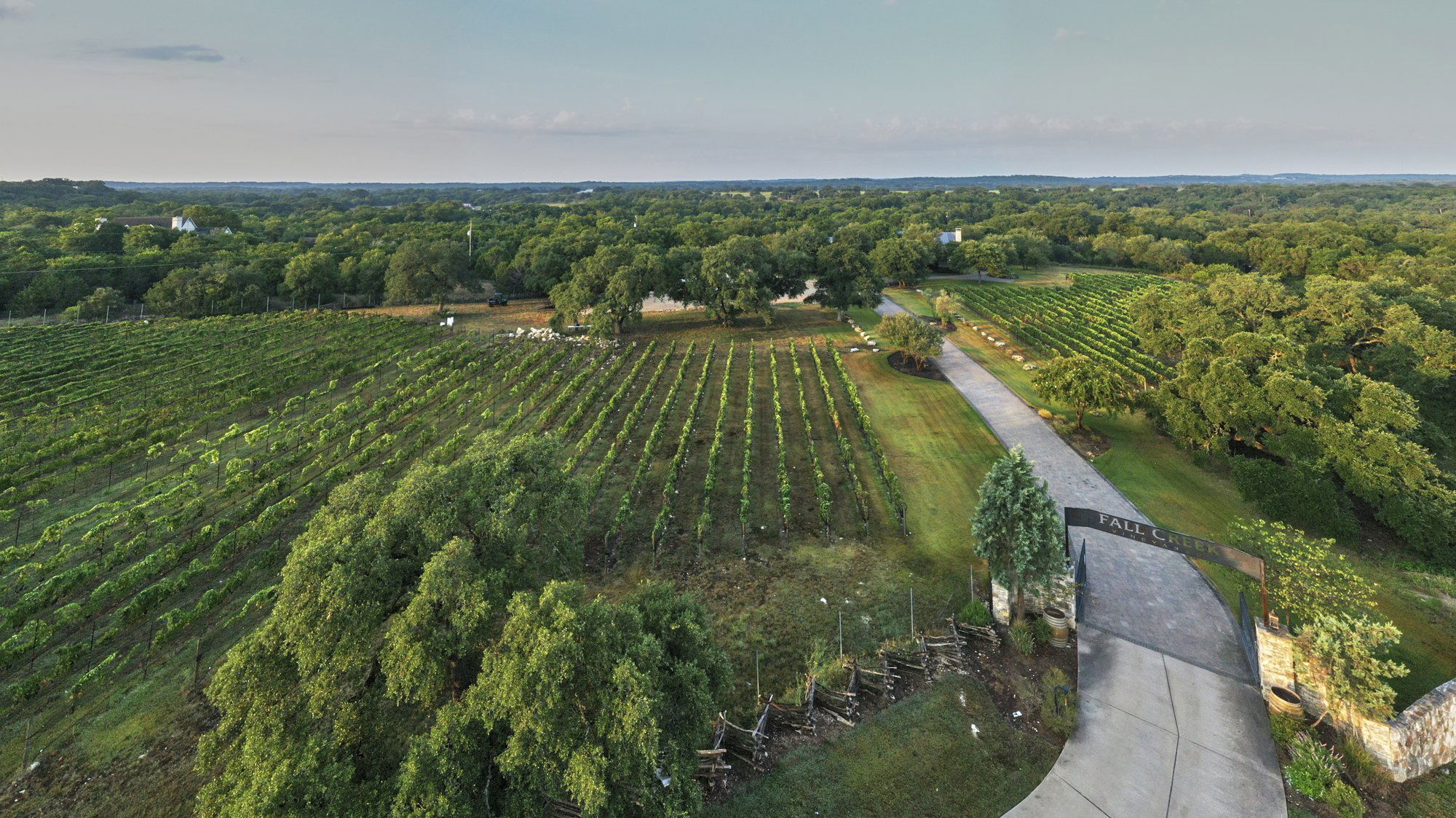
Fall Creek Vineyards
Tow
Winery in Tow, United States
 Book with Pearl
The Read
Hill Country Terroir Focus
Why go
Fall Creek Vineyards is the Tow choice for a more focused Texas Hill Country wine stop, especially for couples or small celebration groups. Book it when the priority is a winery-led outing; cross-shop nearby peers if the group needs spirits, food certainty, or a looser afternoon plan.
About Fall Creek Vineyards
Fall Creek Vineyards in Tow is best approached with a careful, planning-first mindset. The dress code is casual, which can make it easier to include in a relaxed day where visitors are not building the schedule around formal attire or a highly structured setting. The venue is also recognized with Pearl 2 Star Prestige (2025), giving it a clear point of distinction. Specific offerings, pricing, hours, or services should be confirmed directly before planning around them, especially if any one detail would affect the success of the visit.
Use this page as a concise planning checkpoint rather than a full itinerary. It can help place Fall Creek Vineyards on a shortlist, but it should not replace direct confirmation when the occasion depends on specific details. If the occasion depends on a particular menu, seating setup, group format, or service option, verify those details with Fall Creek Vineyards before committing your schedule. That extra step is especially useful for visitors coordinating around timing, expectations, or a group with different needs.
A Tow venue for a focused plan
Fall Creek Vineyards may suit visitors who want to include a recognized Tow venue in a casual-dress itinerary. In that context, the appeal is straightforward: it gives planners a named local option with notable recognition and an easygoing dress expectation. For specific offerings or logistics, research the venue directly rather than booking around assumptions. That distinction matters. A venue can be worth considering while still requiring a direct check before it becomes the anchor of the day.
For broader planning, compare Fall Creek Vineyards with other relevant options such as Flat Creek Estate, Iron Wolf Ranch & Distillery, Perissos Vineyard and Winery, Spicewood Vineyards, and War Trail Spirits. The value of that comparison is not to imply identical experiences, but to keep the planning process grounded in the group’s needs: location, dress expectations, timing, and whatever practical details matter. You can also look at other dining in Tow generically when building the rest of the day. That may be useful if Fall Creek Vineyards becomes one part of a larger route rather than the only planned stop.
Who should choose it
Choose Fall Creek Vineyards if you want a Tow option with casual dress and Pearl 2 Star Prestige (2025) recognition. It is a better fit for visitors who are comfortable doing a little direct follow-up and who do not need every detail settled in advance. Do not rely on assumptions about specific offerings, food service, pricing, hours, shipping, or membership benefits unless you have confirmed them with the venue. Treat those categories as open questions, not as gaps to fill with assumptions.
Quick reference: strongest for visitors who are comfortable confirming details in advance; weaker for groups that need fully settled practical information before setting the day. If your plan is flexible, Fall Creek Vineyards can remain on the list while you check the missing particulars. If your plan is fixed, time-sensitive, or built around a specific service expectation, direct confirmation should happen before the venue becomes central to the itinerary.
Planning details
- Location
- 1820 County Road 222, Tow, TX 78672, United States
- Website
- fcv.com
- Phone
- +13253795361
The take
The Take
The Vibe
Fall Creek Vineyards reads like a study in Hill Country terroir: dry, cedar‑studded roads give way to limestone and granite outcrops, a landscape that prioritizes concentration over volume. The property sits above Lake Lyndon B. Johnson, and the text emphasizes dramatic diurnal swings and a mineral-rich soil profile that shape the wines' structure. Editorially, the winery functions as a regional touchstone—serious and rooted in place rather than flash—so visitors should expect a considered, terroir-forward experience that feels both quietly authoritative and regionally specific.
Best For
This is a winery for people who want to read the land in a glass. It suits solo explorers seeking context about Hill Country viticulture, groups looking for a scenic outing, and couples after a quiet romantic escape. The copy stresses education and terroir, so it’s also a solid stop for those interested in learning how Texas's heat, soils and the lake-influenced microclimate shape winegrowing here. Visits skew contemplative and informative rather than loud or party‑oriented, making it a tidy complement to a day of drives through the countryside.
Tasting Tips
Focus your tasting on wine expressions that reveal site and vintage differences: ask the host how the Lake LBJ microclimate and the area's granitic/limestone soils influenced the vintage. Seek a flight or tasting that contrasts wines from different blocks or years so you can sense the diurnal swing and mineral density the notes mention. Because the property is presented as a reference point for Texas wine, prioritize wines the staff highlights as terroir-driven and inquire about any estate or single‑site bottlings to better understand what distinguishes this Hill Country site.
Venue details
Ambiance
Peaceful and charming with a European feel, surrounded by large trees, flowers, and vineyard views; comfortable indoor tasting room and inviting outdoor patio.
Tags
Vibe
Best For
Experience
View
At the Vineyard
- Appellation
- Texas Hill Country
- Varietals
- Tempranillo, Cabernet, Merlot, Sauvignon Blanc
- Tour Duration
- 60-90 minutes
- Wine Club
- Available
Know before you go
Know Before You Go
- Getting there
- 1820 County Road 222, Tow, TX 78672, United States
Planning details
Location
Also consider
If this is not the right fit
Try Perissos Vineyard and Winery if the backup needs to stay winery-focused. Choose Iron Wolf Ranch & Distillery instead if the group wants a more casual spirits option rather than another tasting-room decision.
Winery context
How it compares for a Tow-area wine day
Fall Creek Vineyards is the better fit when the day needs to feel wine-led and occasion-ready. Perissos Vineyard and Winery is the closest cross-shop for readers who want another winery option rather than a spirits detour, while Spicewood Vineyards and Flat Creek Estate make sense for visitors building a broader Hill Country route.
If the group is split between wine drinkers and cocktail-or-spirits drinkers, War Trail Spirits or Iron Wolf Ranch & Distillery are safer backups. They are less direct substitutes for a winery visit, but more useful when the priority is a casual group atmosphere over a wine-specific tasting.
For value, choose based on itinerary risk rather than price, since comparable pricing is not confirmed here. Fall Creek Vineyards is the call for a focused wine stop; Perissos Vineyard and Winery is the cleanest winery alternative; War Trail Spirits and Iron Wolf Ranch & Distillery are better for mixed-preference groups.
Explore Tow
Around this place
Discover more on Pearl
Unlock the full Fall Creek Vineyards guide in Pearl, including awards, comparisons, FAQs, planning details, and nearby places.
Compare Fall Creek Vineyards
| Venue | Location | Awards |
|---|---|---|
| Fall Creek Vineyards | Tow | No published awards |
| Perissos Vineyard and Winery | Burnet | 2026 Falstaff Winery Guide |
| War Trail Spirits | Llano | No published awards |
| Spicewood Vineyards | Spicewood | 2026 Falstaff Winery Guide |
| Iron Wolf Ranch & Distillery | Spicewood | No published awards |
| Flat Creek Estate | Marble Falls | No published awards |

How Fall Creek Vineyards Tow compares with similar nearby venues.
FAQ
Frequently Asked Questions
How long should I plan for a visit to Fall Creek Vineyards?
If timing matters, confirm the current hours, service format, and recommended visit length directly with Fall Creek Vineyards before building an itinerary around the visit.
Is there a membership program at Fall Creek Vineyards?
Consider any membership program only after confirming the current pricing, benefits, and terms directly with Fall Creek Vineyards and deciding whether they fit your plans.
What other venues should I compare with Fall Creek Vineyards?
Relevant comparison venues include Flat Creek Estate, Iron Wolf Ranch & Distillery, Perissos Vineyard and Winery, Spicewood Vineyards, and War Trail Spirits. Choose among them based on current details confirmed directly with each venue.