

Winery in Tirnavos, Greece
Tirnavos Cooperative Distillery
500Pearl PointsProducer-First Stop
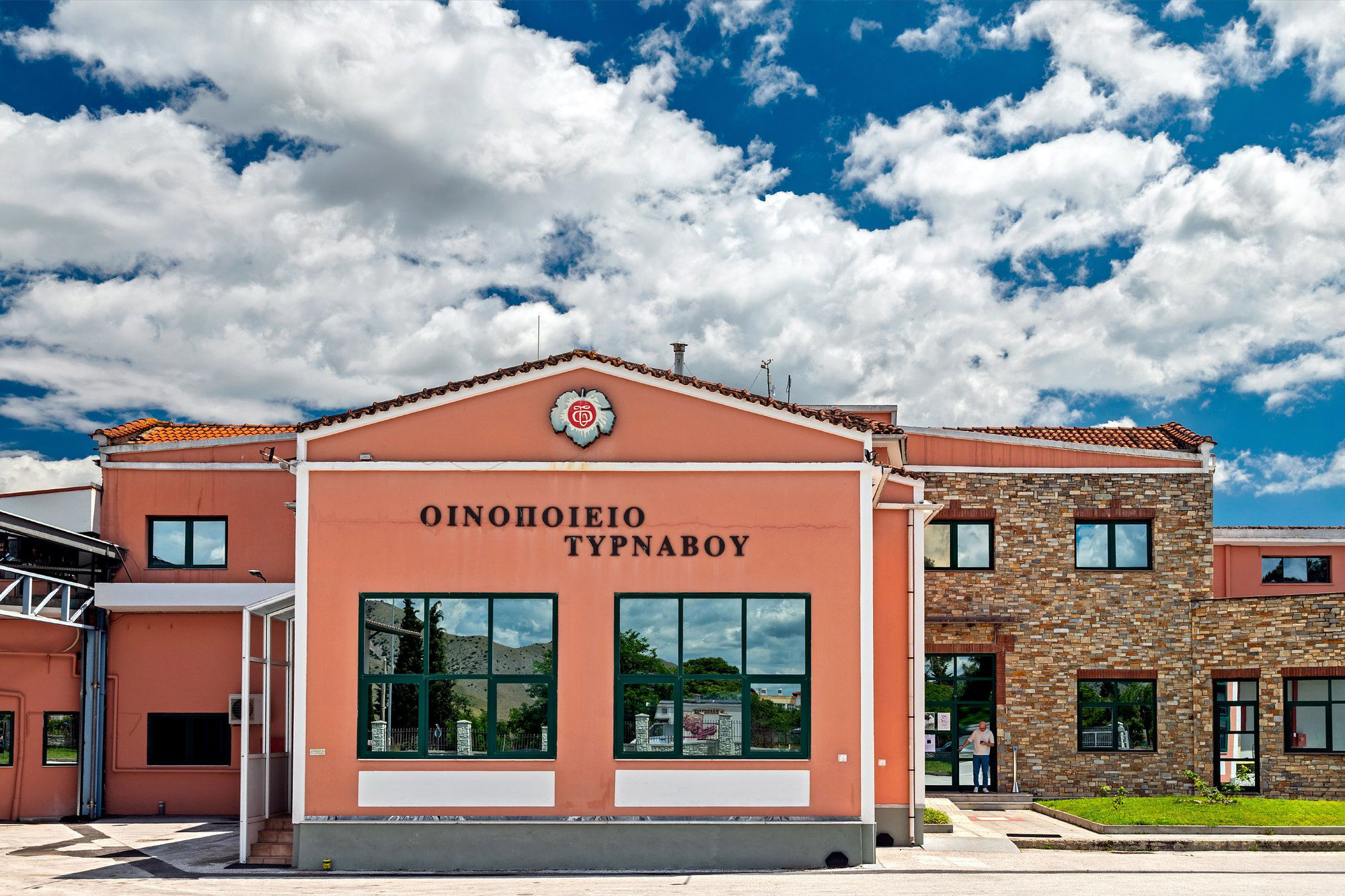
About Tirnavos Cooperative Distillery
Choose Tirnavos Cooperative Distillery if the trip is about understanding Tirnavos through its distilling culture rather than chasing a polished tasting-room format. It is a stronger fit for drinks-focused explorers than casual wine tourists; wine-led travelers should cross-shop Zafeirakis Winery, while spirits-first visitors should also look at Katsaros Distillery.
Tirnavos Cooperative Distillery is a thin-data listing in Tirnavos: the verified facts are limited, so it should not be framed with invented tasting-room details, visitor formats, prices, hours, or product claims. What is confirmed is that it is in Tirnavos, has a casual dress code, holds Pearl 2 Star Prestige recognition for 2025.
Use this page as a practical orientation point rather than a promise of a specific experience. If Tirnavos Cooperative Distillery is part of your route, confirm any visit details directly before planning around it.
Use it for regional context, not luxury pacing
Tirnavos Cooperative Distillery may make sense for travelers comparing stops in and around Tirnavos, but the confirmed listing does not establish a particular hospitality format, tour style, tasting program, menu, price, or schedule. Treat the casual dress code as the only verified planning cue.
For broader comparison, Zafeirakis Winery, Katsaros Distillery, Kaloyannis Distillery (Ouzo 12), Tsililis Distillery, Ktima Voyatzis, other Tirnavos dining options can help frame an itinerary, but each stop should be checked on its own current terms.
Who should put it on a Greece itinerary
Consider Tirnavos Cooperative Distillery if you are specifically researching Tirnavos and want to include a Pearl 2 Star Prestige venue from 2025. The listing is not verified for a particular tasting format, product lineup, shipping policy, visitor capacity, or reservation system.
Skip firm assumptions about what will be offered, how long a visit will take, or what services are available unless you have confirmed them directly. The strongest grounded reason to note the venue is simple: Tirnavos Cooperative Distillery is a recognized Tirnavos venue with casual dress expectations.
Frequently Asked Questions
Do I need a reservation at Tirnavos Cooperative Distillery?
No verified reservation policy is available here. If you want to visit Tirnavos Cooperative Distillery in Tirnavos, confirm current access and scheduling directly before you go.
Are there membership or bottle-access options at Tirnavos Cooperative Distillery?
No verified membership, bottle-access, or product details are available for Tirnavos Cooperative Distillery. If those details are important, ask the venue directly and compare current information with venues such as Zafeirakis Winery or Ktima Voyatzis.
How long should I plan for a visit to Tirnavos Cooperative Distillery?
No verified visit length is available. Plan conservatively and confirm current visitor arrangements with Tirnavos Cooperative Distillery before building the rest of your Tirnavos itinerary around it.
Does Tirnavos Cooperative Distillery offer shipping?
No verified shipping policy is available. Ask Tirnavos Cooperative Distillery directly before relying on shipping, especially if you are planning purchases while traveling.
What is Tirnavos Cooperative Distillery best known for?
No verified product claim is available here. The grounded facts are that Tirnavos Cooperative Distillery is in Tirnavos, has a casual dress code, is recognized with Pearl 2 Star Prestige for 2025.
When is the best time to visit Tirnavos Cooperative Distillery?
No verified hours or best-visit window are available. Confirm timing directly with the venue, especially if you are also considering venues such as Tsililis Distillery or Kaloyannis Distillery (Ouzo 12).
Location
1ο χλμ, Tirnavos 401 00
Tirnavos, Greece
Compare Tirnavos Cooperative Distillery
| Venue | Booking Difficulty |
|---|---|
| Tirnavos Cooperative Distillery | Near Impossible |
| Zafeirakis Winery | Unknown |
| Katsaros Distillery | Unknown |
| Tsililis Distillery | Unknown |
| Ktima Voyatzis | Unknown |
| Kaloyannis Distillery (Ouzo 12) | Unknown |
Comparable nearby venues by cuisine and price for this tier.
Also Consider
- Zafeirakis Winery, Notable alternative
- Katsaros Distillery, Notable alternative
- Tsililis Distillery, Notable alternative
- Ktima Voyatzis, Notable alternative
- Kaloyannis Distillery (Ouzo 12), Notable alternative
In Tirnavos, choose Tirnavos Cooperative Distillery when the goal is regional distilling context rather than a wine-first appointment. Zafeirakis Winery is the cleaner cross-shop for travelers who want a winery visit, while Katsaros Distillery is the more direct comparison for a spirits-led stop in the same town.
For a broader spirits route, Tsililis Distillery and Kaloyannis Distillery (Ouzo 12) are better cross-shops if name recognition and category familiarity matter more than staying local to Tirnavos. Ktima Voyatzis makes more sense for travelers building a wine-country itinerary rather than a distillery-focused one.
The practical recommendation: book Tirnavos Cooperative Distillery only if the day can absorb a producer-led stop with less emphasis on conventional hospitality cues. If the group includes casual drinkers, Zafeirakis Winery is the safer Tirnavos choice; if everyone is there for spirits, Katsaros Distillery belongs on the same shortlist.
Explore Tirnavos
Save or rate Tirnavos Cooperative Distillery on Pearl
Keep this venue in your Pearl passport, rate it after you visit, and track it alongside every other place you collect.