Distilleria Psenner
Termeno sulla Strada del Vino, Termeno
Winery in Termeno, Italy
 Book with Pearl
The Read
Alto Adige Distillate Precision
Why go
Distilleria Psenner is worth prioritising in Termeno when the itinerary needs a serious spirits-focused stop rather than another winery appointment. Its Pearl 2 Star Prestige recognition gives it enough credibility for a celebration or business itinerary, but wine-first travellers should cross-shop Elena Walch, J. Hofstätter, and Distilleria Roner before committing the schedule.
About Distilleria Psenner
Termeno is an easy place to overfill with venue names and other itinerary stops. Distilleria Psenner is best considered as a distinct Termeno venue rather than as another generic add-on. The strongest signal is its Pearl 2 Star Prestige recognition for 2025, which makes it a venue to consider deliberately when planning a premium stop in the area.
Distilleria Psenner is in Termeno. Avoid building plans around specifics such as visit format, pricing, capacity, or timing unless you confirm them directly. Treat it as a venue that needs practical planning rather than assumptions.
Choose it for a focused Termeno stop with confirmed recognition
The case for prioritising Distilleria Psenner is strongest when your itinerary already includes other recognised names for comparison. Elena Walch, J. Hofstätter, Distilleria Roner, Distilleria Bertagnolli, and Villa de Varda can be useful reference points when planning a broader premium itinerary. Distilleria Psenner stands out in this guide for its Pearl 2 Star Prestige recognition in 2025.
Do not choose it on the basis of promises about tasting structure, pricing, group handling, or a specific service format. Compare it with other venues at the itinerary level, then decide whether Distilleria Psenner adds the right contrast. That keeps expectations clean and avoids turning a limited listing into a plan built on assumptions.
Worth prioritising when the guest list values recognition over breadth
For a special occasion, the practical strength is clarity: Distilleria Psenner has a Pearl 2 Star Prestige signal for 2025 and a casual dress code. That makes it easy to position as a polished but not overly formal Termeno stop. The tradeoff is that other planning details should be confirmed directly, so the safest approach is to check logistics before relying on it for a tightly timed itinerary.
If the trip includes other premium venue visits, compare Distilleria Psenner only at the itinerary level. Distilleria Bertagnolli, Distilleria Roner, Villa de Varda, Elena Walch, and J. Hofstätter can help frame broader planning. The point is not to treat every venue as interchangeable, but to decide whether Distilleria Psenner gives the schedule the kind of recognised stop you want.
Quick reference: prioritise Distilleria Psenner for a Pearl 2 Star Prestige venue in Termeno, expect casual dress, and verify practical details directly before making it the anchor of a larger plan.
Planning details
- Location
- SP16, 1, 39040 Termeno sulla Strada del Vino BZ
- Website
- psenner.com
- Phone
- +39 0471 860178
The take
The Take
The Vibe
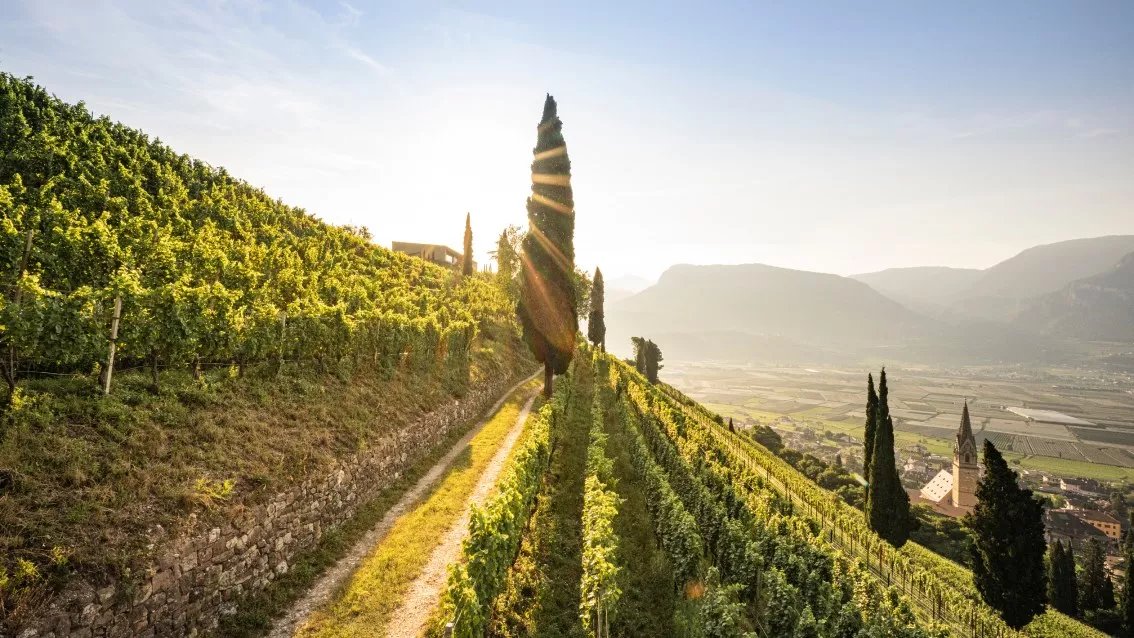
Distilleria Psenner reads like an argument for Alpine distilling: the operation sits at the gateway to Termeno’s production corridor and leans on high‑altitude fruit to concentrate aromatics. The copy emphasizes mountain air, diurnal swings and Dolomite light as active contributors to spirit character, and a recent Pearl 2 Star Prestige award signals recognition within a dense local field of serious producers. The tone is measured and craft‑forward rather than touristy — this is a producer that foregrounds terroir and varietal specificity in its approach to classic Italian marc distillates.
Best For
Psenner is best for curious spirits drinkers and anyone interested in terroir‑driven grappa and alpine distillates. The writeup situates the distillery among respected regional peers and highlights varietal sources — Gewürztraminer, Pinot Grigio, Pinot Nero and Lagrein — so visitors who appreciate tasting differences driven by altitude and grape variety will get the most out of a visit. It also suits people drawn to producers with recognized craft credentials: the Pearl 2 Star Prestige award positions Psenner as a thoughtful, upper‑tier maker worth seeking out.
Tasting Tips
When sampling at Psenner, focus on the varietal marc expressions and the producer’s explanation of raw materials and altitude influence. The description calls out Gewürztraminer, Pinot Grigio, Pinot Nero and Lagrein as signature inputs — ask to taste distillates made from those pomaces to compare aromatic profiles and acidity-driven tension. Also look for any specially designated releases (the text references a Pearl 2 Star Prestige award), and request production or batch notes that explain harvest elevation and maceration, which are central to the spirits’ character.
Venue details
Ambiance
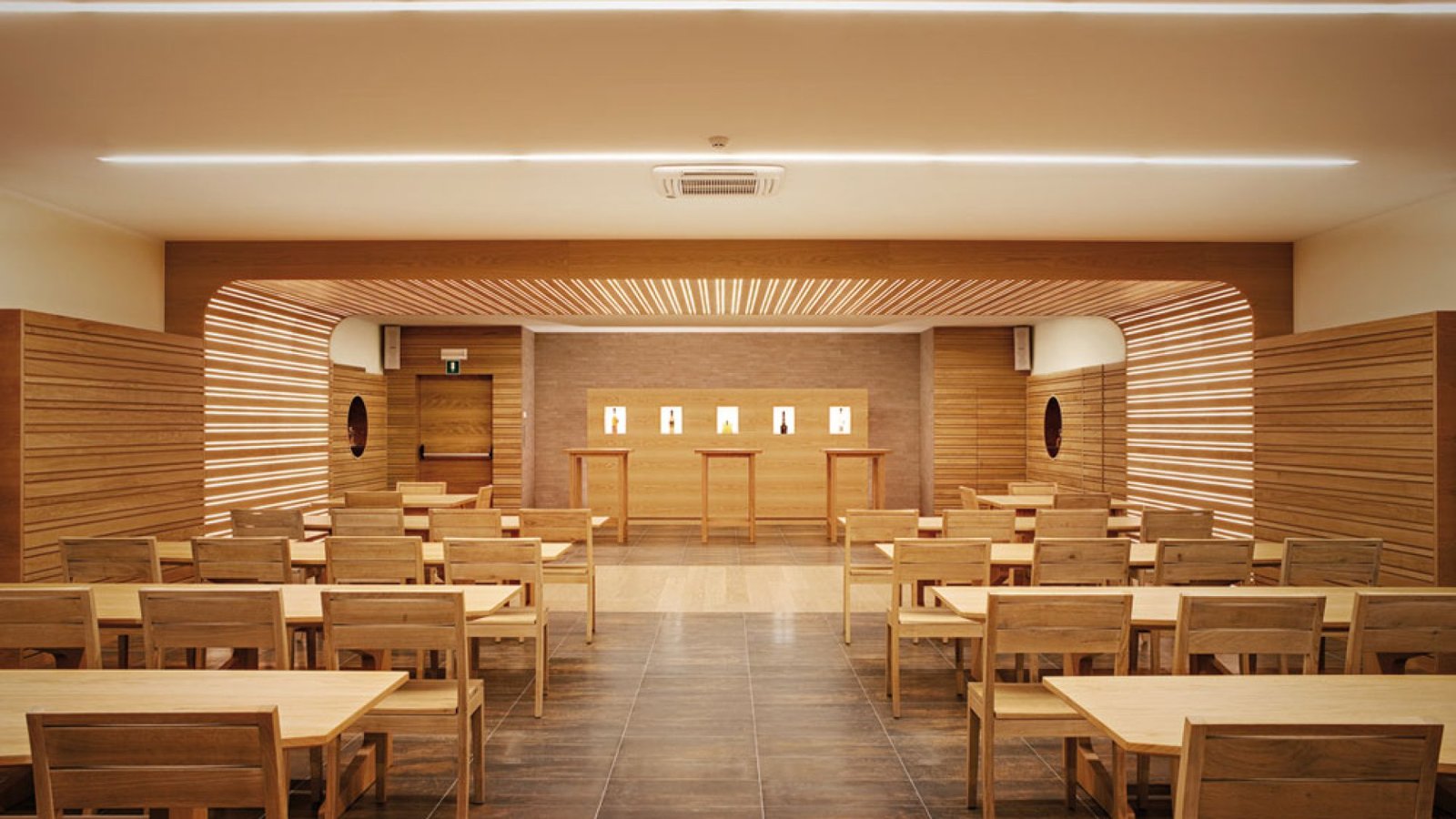
Traditional family distillery atmosphere with a modern, stylish presentation; the brand emphasizes authenticity, heritage, and a refined sensory experience.
Tags
Vibe
Best For
Experience
View
At the Vineyard
- Varietals
- Gewürztraminer, Pinot Nero, Lagrein, other local pomace varietals
- Tour Duration
- ca. 2 hours
- Tour Languages
- German, Italian
- Visits
- By reservation
- Production
- Small producer
- Wine Styles
- Fortified
- Founded
- 1947
- Wine Club
- Not available
Know before you go
Know Before You Go
- Getting there
- SP16, 1, 39040 Termeno sulla Strada del Vino BZ
Planning details
Location
Also consider
Also Consider
- Distilleria Roner, Notable alternative
- Elena Walch, Notable alternative
- J. Hofstätter, Notable alternative
- Distilleria Bertagnolli, Notable alternative
- Villa de Varda, Notable alternative
Winery context
How it compares in and around Termeno
Choose Distilleria Psenner when the group wants a distillery-led stop with a stronger spirits angle than a classic winery visit. Distilleria Roner is the closest practical comparison for a similar category in Termeno, so it is the main backup if availability or timing does not work here.
For wine-first travellers, Elena Walch and J. Hofstätter are cleaner fits because the visit decision is centred on bottles, producer identity, and a more conventional winery itinerary. Distilleria Psenner makes more sense as the contrast stop after one of those, not as a replacement for travellers who came to Termeno primarily for wine.
Distilleria Bertagnolli and Villa de Varda are better cross-shops if the itinerary can stretch outside Termeno and the brief is distillery comparison rather than local convenience. Stay local for a tighter day; look beyond Termeno only if spirits are the main reason for the trip.
Explore Termeno
Around this place
Discover more on Pearl
Unlock the full Distilleria Psenner guide in Pearl, including awards, comparisons, FAQs, planning details, and nearby places.
Compare Distilleria Psenner
| Venue | Location | Awards |
|---|---|---|
| Distilleria Psenner | Termeno | No published awards |
| Distilleria Roner | Termeno | No published awards |
| Elena Walch | Termeno | 2026 Falstaff Winery Guide |
| J. Hofstätter | Termeno | 2026 Falstaff Winery Guide |
| Distilleria Bertagnolli | Mezzocorona | No published awards |
| Villa de Varda | Mezzolombardo | No published awards |

How Distilleria Psenner Termeno compares with similar nearby venues.
FAQ
Frequently Asked Questions
What other venues are useful comparisons for Distilleria Psenner?
Elena Walch, J. Hofstätter, Distilleria Roner, Distilleria Bertagnolli, and Villa de Varda can be useful reference points when planning an itinerary. Distilleria Psenner is in Termeno and is best considered alongside those names only if you want to compare different types of premium venue stops.
When is the best time to visit Distilleria Psenner?
Opening hours and the ideal visit window are not listed here. Plan around your broader Termeno route and confirm timing directly before making Distilleria Psenner a fixed part of the day.
Can Distilleria Psenner handle large groups?
Group-capacity details are not listed here. If you are planning for a large party, confirm logistics directly with the venue before relying on it for a group itinerary.
Are there membership details for Distilleria Psenner?
Membership details are not listed here. Base any decision on information confirmed directly by Distilleria Psenner rather than assuming a membership programme is available.
Do I need a reservation at Distilleria Psenner?
Reservation requirements are not listed here. Because Distilleria Psenner is a Pearl 2 Star Prestige venue in Termeno, it is sensible to check directly before planning a visit.
How long should I plan for a visit to Distilleria Psenner?
Visit length is not listed here. If you are pairing Distilleria Psenner with Elena Walch or J. Hofstätter in the same itinerary, confirm the practical timing directly before finalising the schedule.