Jose Cuervo (La Rojeña)
Tequila
Winery in Tequila, Mexico
 Book with Pearl
The Read
Origin-Site Distillation
Why go
Choose Jose Cuervo (La Rojeña) when the goal is a high-recognition Tequila anchor rather than a casual tasting crawl. The Pearl 3 Star Prestige signal supports prioritizing it, but booking friction means planners should keep La Cofradía, El Tequileño (La Guarreña), and La Perseverancia (Casa Sauza) as practical alternatives.
About Jose Cuervo (La Rojeña)
Jose Cuervo (La Rojeña) is a Tequila venue with a casual dress code and Pearl 3 Star Prestige recognition for 2025. The safest way to evaluate it is as a Tequila stop to compare against other named Tequila options, rather than to rely on assumptions about menus, pricing, visit length, group capacity, or service format.
For planning, focus on these facts: the venue is in Tequila, the dress code is casual, and the quality signal is Pearl 3 Star Prestige (2025). If you are building a broader Tequila itinerary, compare it with La Cofradía, El Tequileño (La Guarreña), La Perseverancia (Casa Sauza), Tequila Fortaleza, and Casa Orendain (La Mexicana) before deciding how to allocate your time.
Choose this for a Tequila stop, not for extras
The clearest case for Jose Cuervo (La Rojeña) is that it gives travelers a recognized Tequila venue to consider. Specific food service, pricing, hours, visit format, seating, or group policies are not available, so avoid building the day around those details unless you have confirmed them directly with the venue.
If you are comparing Tequila options, keep Tequila Fortaleza and Casa Orendain (La Mexicana) on the shortlist alongside La Cofradía, El Tequileño (La Guarreña), and La Perseverancia (Casa Sauza). For the rest of the trip, use broader Tequila planning resources such as the Tequila restaurants guide, Tequila bars guide, Tequila hotels guide, and Tequila experiences guide.
For value, compare recognition against your itinerary needs
The practical value question is simple: does a Pearl 3 Star Prestige Tequila venue fit the time you have in town? Without details on price, packages, inclusions, or visit format, the conservative approach is to compare Jose Cuervo (La Rojeña) against other Tequila options before committing your schedule.
If breadth matters, spend time reviewing Tequila venues and nearby options rather than assuming one stop will cover every preference. Jose Cuervo (La Rojeña) may be the right choice when recognition and a Tequila setting are the priorities; another Tequila option may be better if your plans depend on details that are not available.
Quick reference: prioritize this as a Pearl 3 Star Prestige venue in Tequila; confirm any operational details directly before planning around them.
Planning details
- Location
- José Cuervo 33, Centro, 46400 Tequila, Jal.
- Phone
- +52 01 800 006 8630
The take
The Take
The Vibe
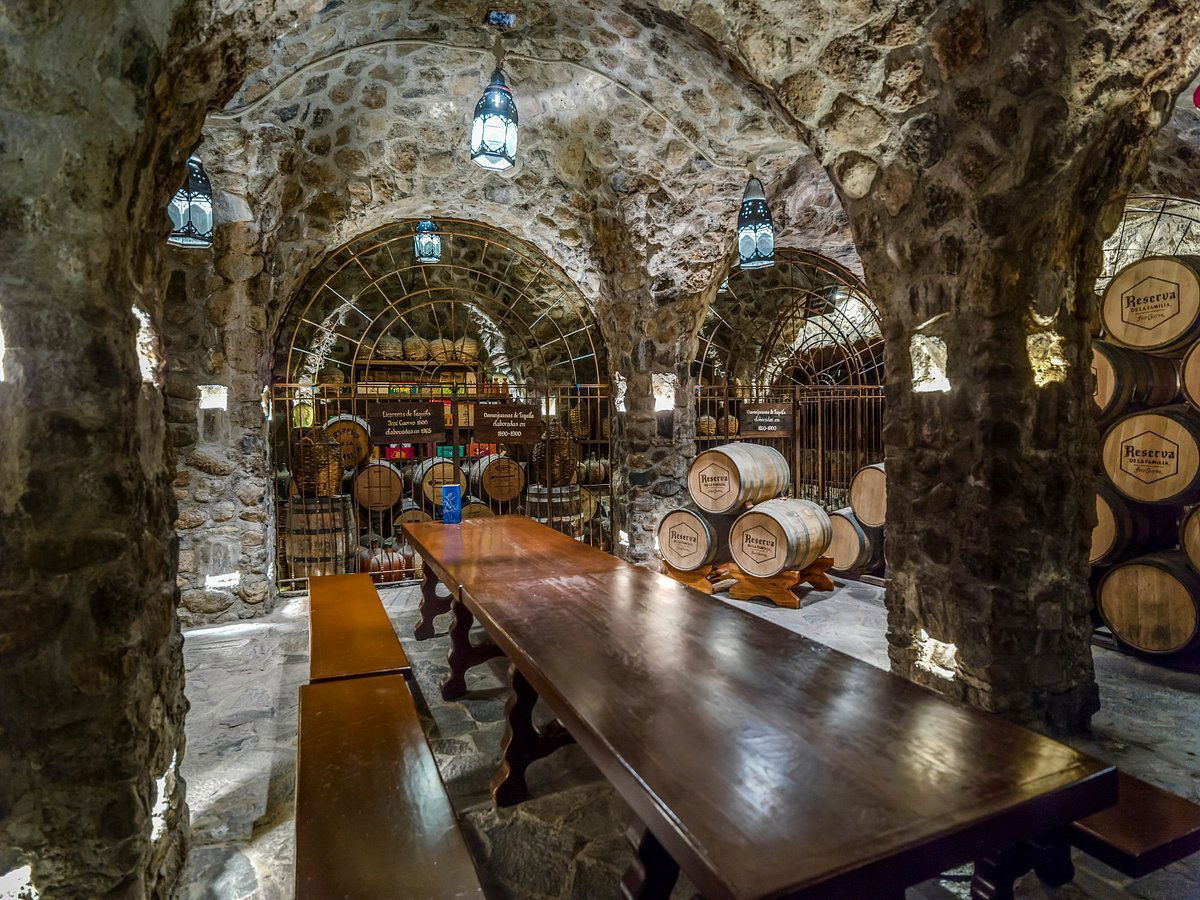
La Rojeña presents as more than a museum piece; it reads as living industrial history. Approaching along Calle José Cuervo, visitors first register the aroma of cooked agave and then the stone walls that clearly predate the surrounding town. The distillery’s uninterrupted operation since 1758 anchors its presence, so the atmosphere balances working production with deep heritage. The scale of the site—one of the region’s large-volume operations—gives visits a pragmatic, industrious edge alongside the palpable sense of age and continuity.
Best For
This is a destination for visitors who want to understand tequila through institutional history and scale. La Rojeña suits group outings and comparative itineraries across Tequila’s dense distillery circuit: it’s a useful visit for people calibrating differences between larger, long-running operations and smaller artisanal producers. Travelers interested in the craft’s place in regional history will find the distillery particularly informative, thanks to its documented continuity and prominent role in the town’s built fabric.
Tasting Tips
Allow time to experience the place as both a working distillery and a historical site: the description emphasizes aromas, stone architecture and uninterrupted operation since 1758, so plan for an unhurried visit that foregrounds sensory detail and context. If you’re comparing producers in Tequila, position La Rojeña as the large-scale, historically continuous reference point when assessing other stops on the distillery circuit. The write-up suggests visitors benefit most from side-by-side perspective rather than seeking small-batch novelty here.
Venue details
Ambiance
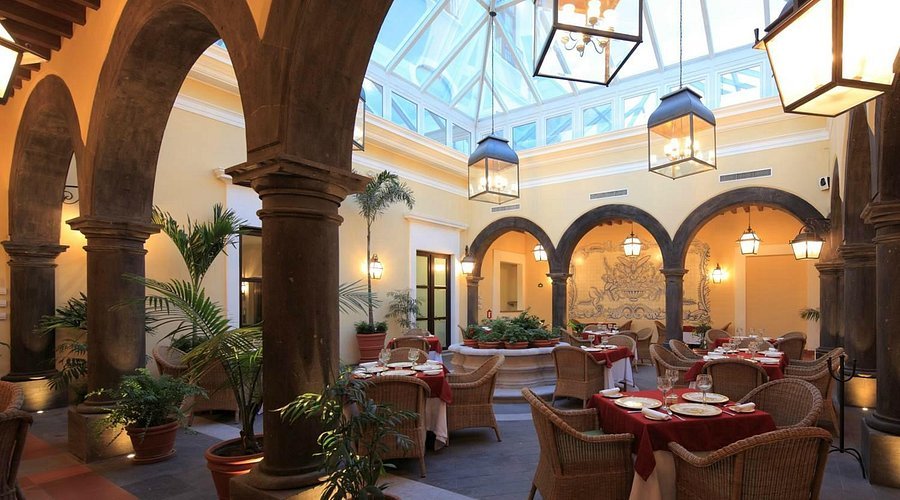
Historic and traditional atmosphere in a rustic distillery setting with a sense of timeless legacy.
Tags
Vibe
Best For
Experience
View
At the Vineyard
- Appellation
- Tequila, Jalisco
- Varietals
- blue_agave
- Tour Duration
- 60-90 minutes
- Wine Club
- Not available
Know before you go
Know Before You Go
- Getting there
- José Cuervo 33, Centro, 46400 Tequila, Jal.
Planning details
Location
José Cuervo 33, Centro, 46400 Tequila, Jal. · Directions
Also consider
Also Consider
- La Cofradía, Notable alternative
- El Tequileño (La Guarreña), Notable alternative
- La Perseverancia (Casa Sauza), Notable alternative
- Tequila Fortaleza, Notable alternative
- Casa Orendain (La Mexicana), Notable alternative
Winery context
How it compares in Tequila
Jose Cuervo (La Rojeña) is the right first choice for travelers who want the most recognizable anchor in town and are willing to plan around heavy demand. La Cofradía is the easier-feeling alternative for visitors who want a more relaxed winery-style stop, while El Tequileño (La Guarreña) is a stronger cross-shop for guests who care more about producer character than brand scale.
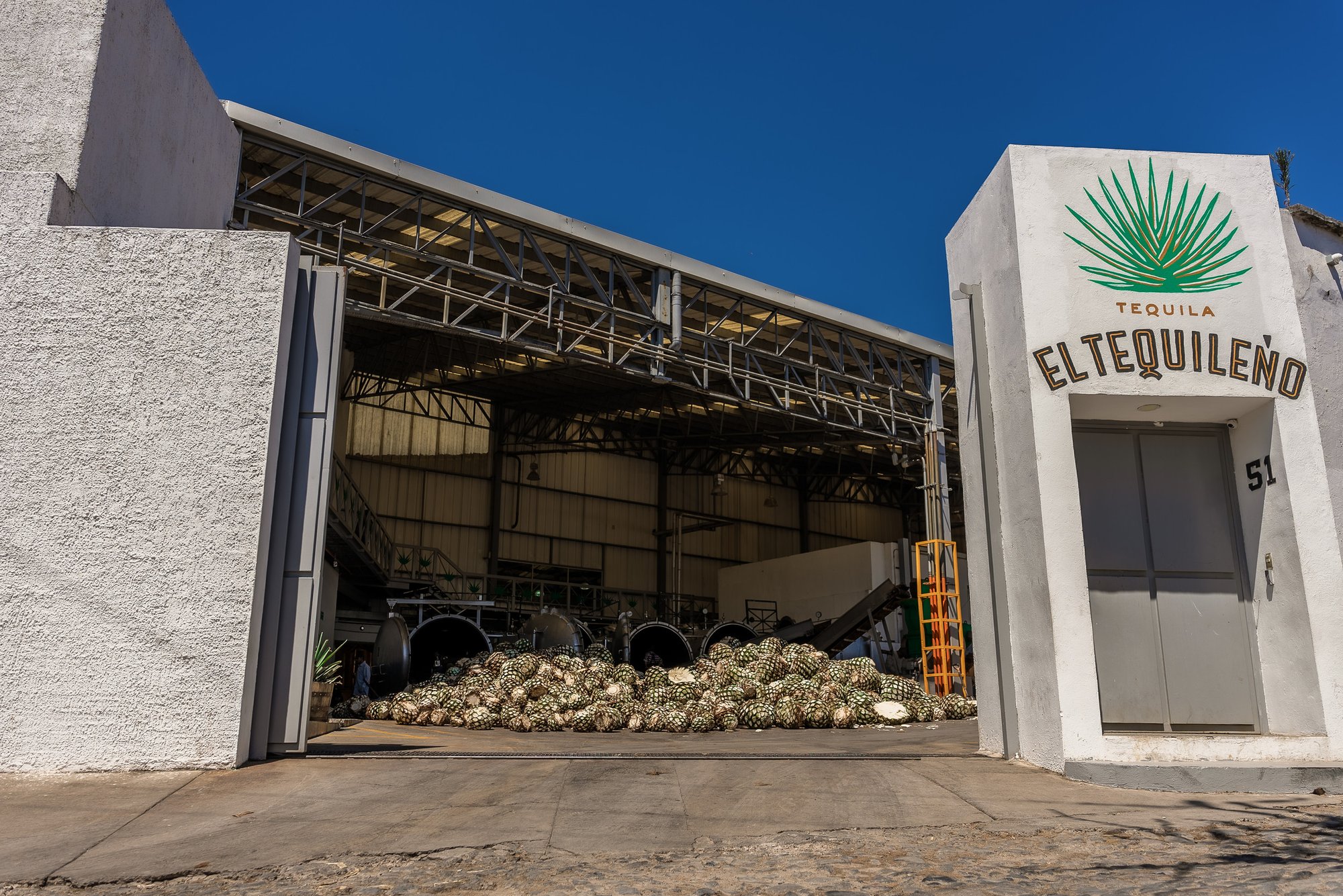
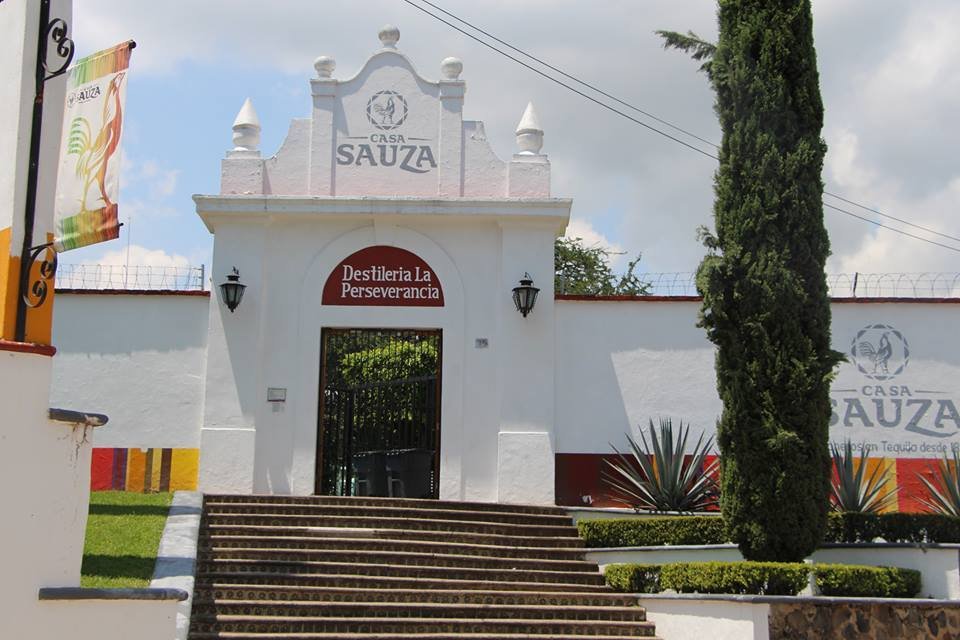
La Perseverancia (Casa Sauza) is the closest peer for a major-house comparison, so choose it if the goal is to understand another large Tequila name without putting every hour into one stop. Tequila Fortaleza is the better fit for enthusiasts chasing a smaller-production feel, though availability can also be difficult.
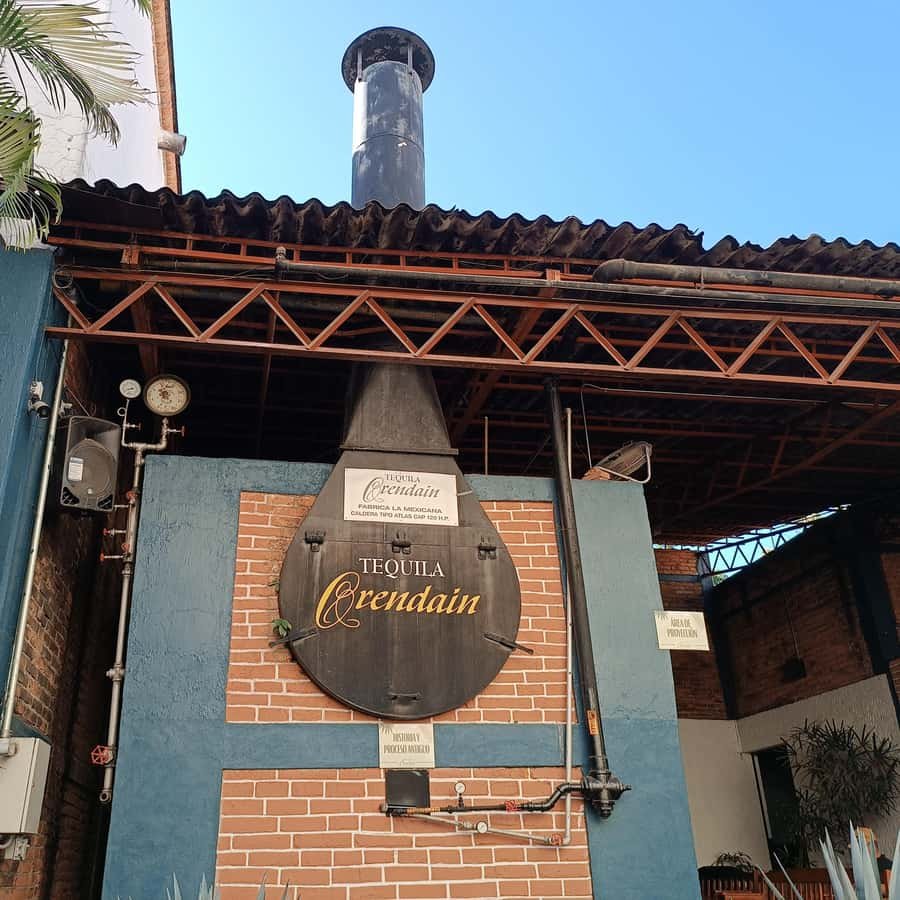
Casa Orendain (La Mexicana) is the practical backup when the itinerary needs a Tequila producer with less pressure around the main slot. For value, compare the total day: if scarcity and brand recognition matter, stay with La Rojeña; if pacing and flexibility matter more, build the route around La Cofradía or Casa Orendain.
Around this place
Discover more on Pearl
Unlock the full Jose Cuervo (La Rojeña) guide in Pearl, including awards, comparisons, FAQs, planning details, and nearby places.
Compare Jose Cuervo (La Rojeña)
| Venue | Location | Awards |
|---|---|---|
| Jose Cuervo (La Rojeña) | Tequila | No published awards |
| La Cofradía | Tequila | No published awards |
| El Tequileño (La Guarreña) | Tequila | No published awards |
| La Perseverancia (Casa Sauza) | Tequila | No published awards |
| Tequila Fortaleza | Tequila | No published awards |
| Casa Orendain (La Mexicana) | Tequila | No published awards |
How Jose Cuervo (La Rojeña) Tequila Review compares with similar nearby venues.
FAQ
Frequently Asked Questions
What is confirmed about Jose Cuervo (La Rojeña)?
Jose Cuervo (La Rojeña) is in Tequila, has a casual dress code, and holds Pearl 3 Star Prestige recognition for 2025.
Can Jose Cuervo (La Rojeña) handle large groups?
Group-capacity details are not available. If you are planning for a group, confirm arrangements directly with Jose Cuervo (La Rojeña) and compare it with La Perseverancia (Casa Sauza) or other Tequila venues.
Are membership details available for Jose Cuervo (La Rojeña)?
Membership details are not available for Jose Cuervo (La Rojeña). If access or benefits matter to you, confirm those details directly and compare the offer with Tequila Fortaleza or another Tequila venue.
When is the best time to visit Jose Cuervo (La Rojeña)?
Hours and visit-timing guidance are not available. Before choosing a time, check directly with Jose Cuervo (La Rojeña); El Tequileño (La Guarreña) is another Tequila venue to compare while planning.
How long should I plan for a visit to Jose Cuervo (La Rojeña)?
Visit-duration details are not available. Plan only after confirming the current format with Jose Cuervo (La Rojeña), and compare Casa Orendain (La Mexicana) if you are deciding between Tequila stops.
What other Tequila venues can I compare with Jose Cuervo (La Rojeña)?
Other Tequila venues to compare include La Cofradía, El Tequileño (La Guarreña), La Perseverancia (Casa Sauza), Tequila Fortaleza, and Casa Orendain (La Mexicana). Use those names to decide which Tequila stop best fits your itinerary.