El Llano (Arette)
Tequila
Winery in Tequila, Mexico
 Book with Pearl
The Read
Production-Floor Access
Price
$30–50tasting
Why go
Prioritise El Llano (Arette) if the reason for visiting Tequila is production depth rather than a broad tourist tasting. It is a stronger fit for serious tequila drinkers, couples, and small special-occasion groups than for casual visitors who want food, flexible timing, or a heavily packaged experience.
About El Llano (Arette)
Is El Llano (Arette) worth prioritising in Tequila right now? It can be, especially for travelers who want to include a Pearl-recognised venue in a focused itinerary. El Llano (Arette) is a named Tequila stop with Pearl 2 Star Prestige recognition in 2025, so it is best approached as part of a carefully planned visit.
The right reader for El Llano (Arette) is planning carefully and is comfortable confirming practical details directly before building the day around it. The casual dress code makes it easier to fit into a relaxed Tequila itinerary, but availability, visit format, food service, group handling, and purchase options should not be assumed without direct confirmation.
A Tequila stop with confirmed recognition
The clearest hook is its Pearl 2 Star Prestige recognition in 2025. That makes El Llano (Arette) a reasonable candidate for travelers comparing notable venues, but the page should not overstate what is known. Cuisine, a tasting menu, a guided format, a specific beverage program, prices, hours, and seating are not listed.
That also means expectations should be set correctly. Do not treat this as a restaurant recommendation unless food service is confirmed separately. Pair the visit with a separate meal if needed, then use El Llano (Arette) as one part of a broader Tequila plan. For a full weekend, build in enough time to confirm details and avoid relying on assumptions.
Who should prioritise it, and who should choose an easier comparison
Consider El Llano (Arette) if the priority is a recognised Tequila venue and the group is willing to verify details before going. It is less suitable for travelers who need a fully documented experience in advance, including confirmed food service, published pricing, or a clearly stated visit format.
For trip planning, use Tequila itself as the base. El Llano (Arette) can be considered alongside other notable names, then rounded out with broader Tequila guide, hotels, bars, and experiences research.
Quick reference: prioritise it if Pearl 2 Star Prestige recognition and a casual dress code fit the trip; choose another option if the group needs more confirmed practical detail before committing.
Planning details
- Location
- Fábrica de Tequila El Llano Silverio Nuñez No. 100, Col. Centro Tequila, Jalisco, México 46400
- Website
- tequilaarette.com
- Phone
- +523336150192
The take
The Take
The Vibe
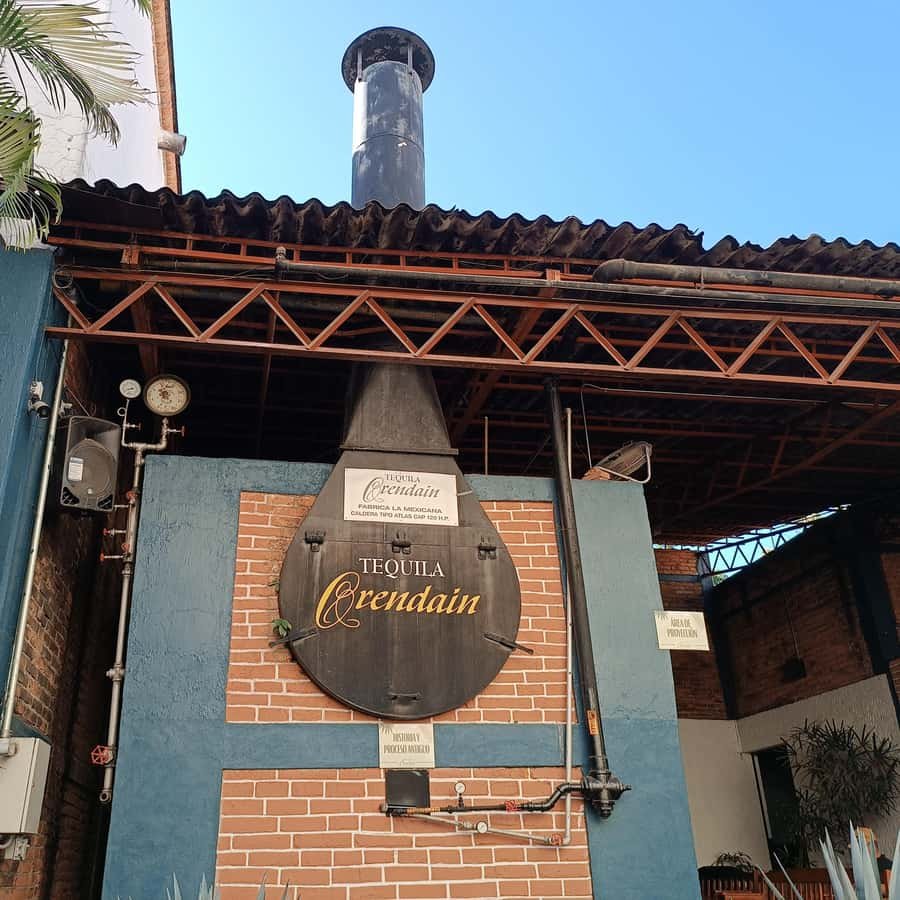
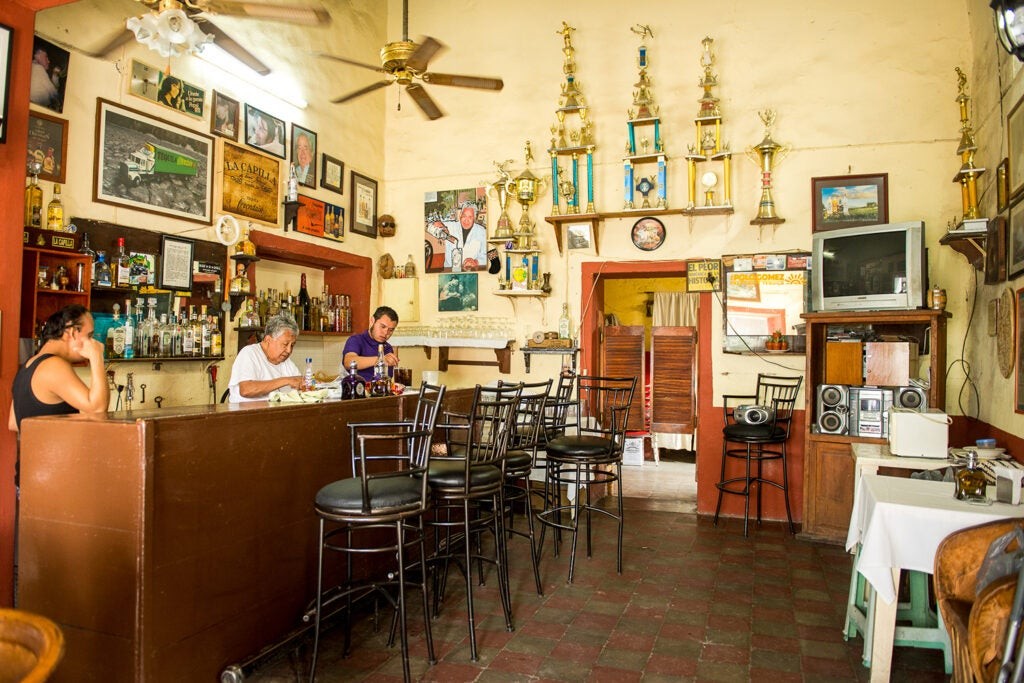
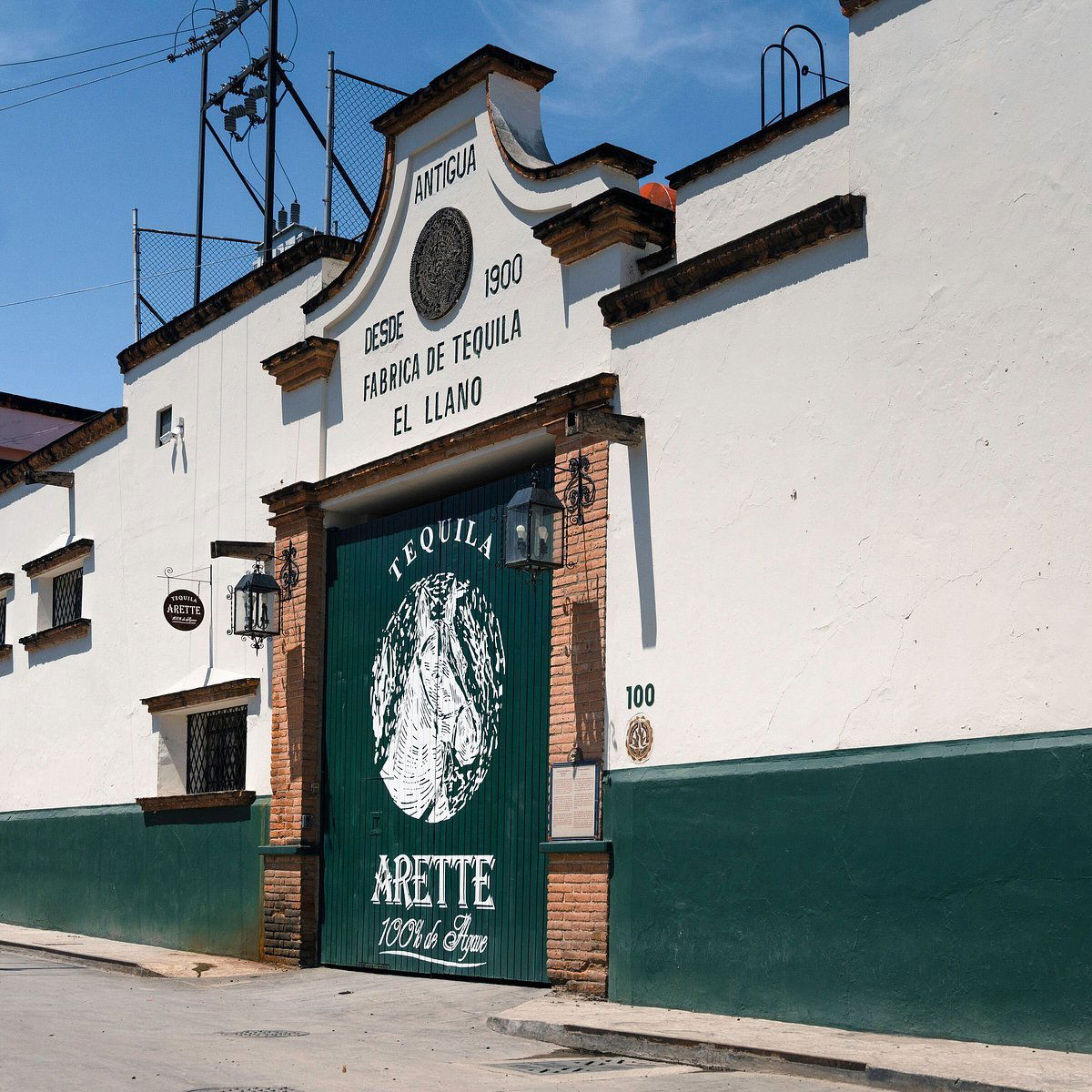
El Llano reads like a working distillery first and a showroom second. The writing highlights brick facades, large ventilation openings and the faint caramel-and-earth aroma that hangs over Calle Centro, framing the site as production-focused and matter-of-fact rather than curated for tourism. The tone is technical and grounded: decisions about aging, oak programmes and blending define the house, and that industrial, hands-on character is central to the place’s appeal. Visitors encounter a facility where craft is expressed through infrastructure and process rather than stylized hospitality.
Best For
This is a destination for people interested in the craft and discipline behind tequila. The piece emphasizes El Llano’s Pearl 2 Star Prestige rating and its careful approach to aging and blending, so it suits educational visits, comparative group outings and momentous tastings. It’s especially appropriate for guests who want to understand how post‑fermentation choices shape house style—serious enthusiasts, small groups on a distillery circuit and those marking a special occasion with bottles that reflect measured oak integration rather than flamboyant new‑wood extraction.
Tasting Tips
Focus tastings on the aged categories and the house’s oak approach. The copy explicitly outlines reposado, añejo and extra añejo bands and notes Arette’s preference for direct agave character with restrained oak influence. Compare expressions across those age ranges to hear how barrel programmes and blending decisions shift the spirit’s texture and aroma. Ask about the distillery’s specific oak programme and blending rationale to better appreciate subtle integration rather than heavy new‑wood extraction.
Venue details
Ambiance
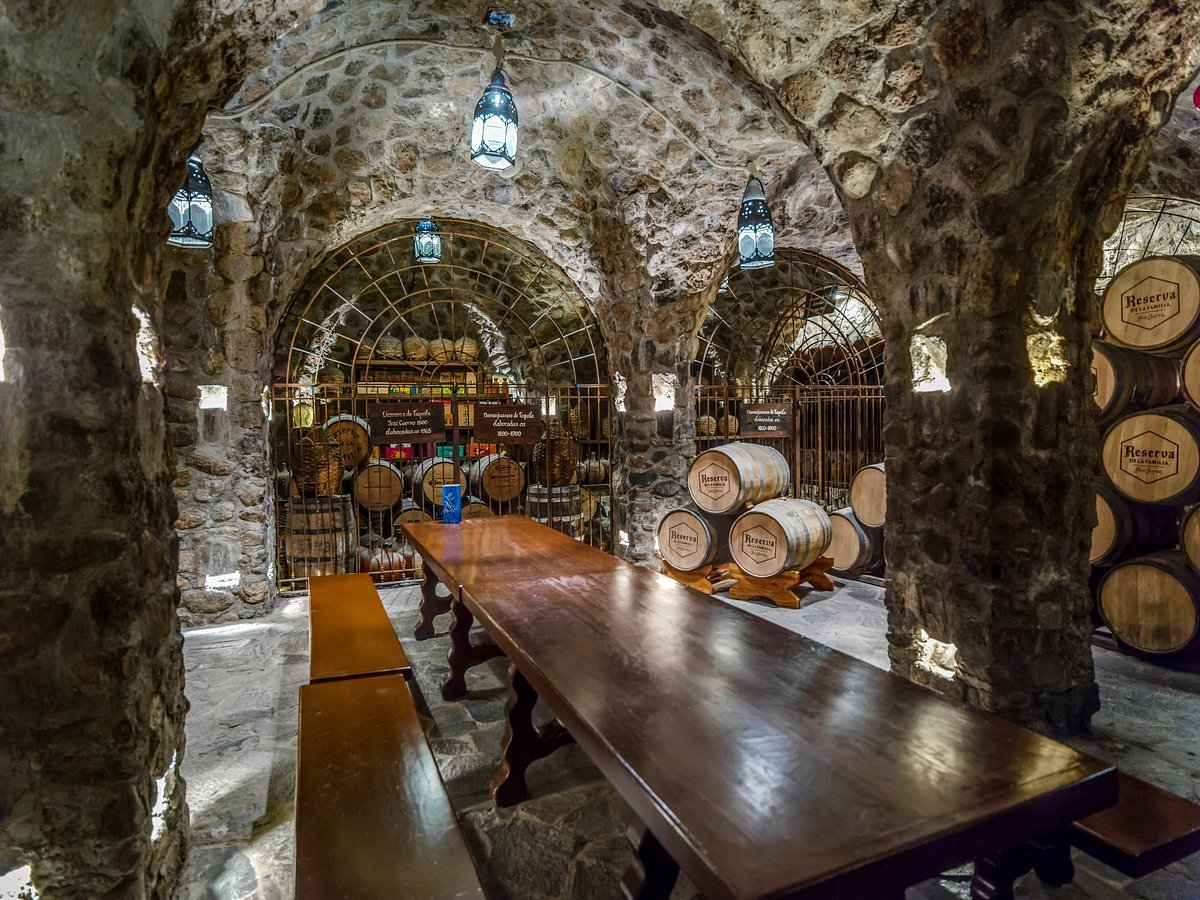
Historic, traditional distillery atmosphere with authentic production facilities; natural lighting from the original building structure; mineral-rich environment influenced by proximity to Tequila volcano.
Tags
Vibe
Best For
Experience
Sourcing
View
At the Vineyard
- Appellation
- Tequila Valley, Jalisco
- Varietals
- Blue Weber Agave
- Tour Duration
- 90-120 minutes
- Tour Languages
- Spanish, English
- Visits
- By appointment only
- Farming
- Organic
- Wine Club
- Not available
Know before you go
Know Before You Go
- Getting there
- Fábrica de Tequila El Llano Silverio Nuñez No. 100, Col. Centro Tequila, Jalisco, México 46400
Planning details
Location
Fábrica de Tequila El Llano Silverio Nuñez No. 100, Col. Centro Tequila, Jalisco, México 46400 · Directions
Also consider
Also Consider
- El Tequileño (La Guarreña), Notable alternative
- Jose Cuervo (La Rojeña), Notable alternative
- La Cofradía, Notable alternative
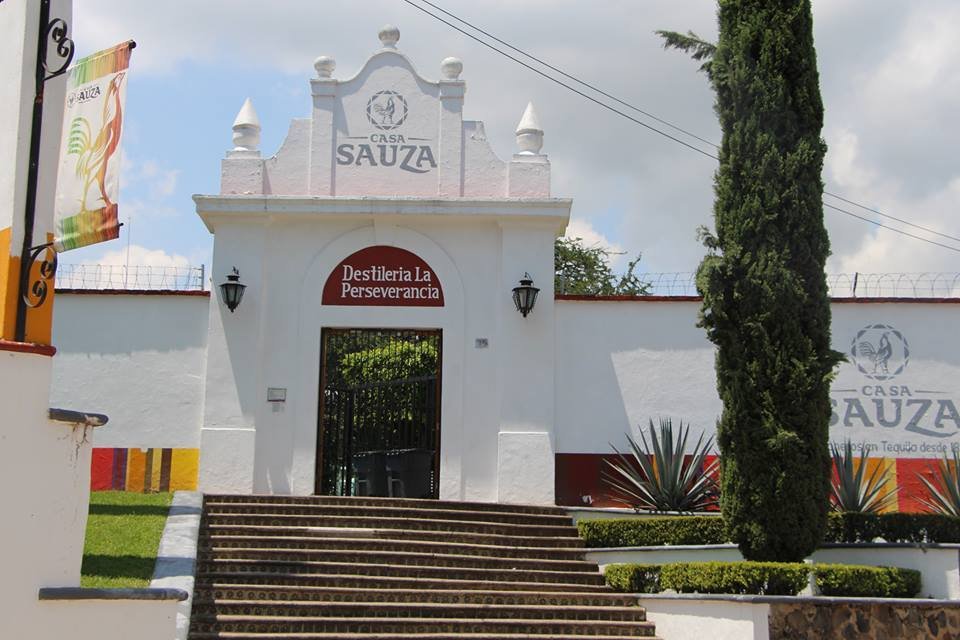
- La Perseverancia (Casa Sauza), Notable alternative
- Tequila Fortaleza, Notable alternative
Winery context
How it compares in Tequila
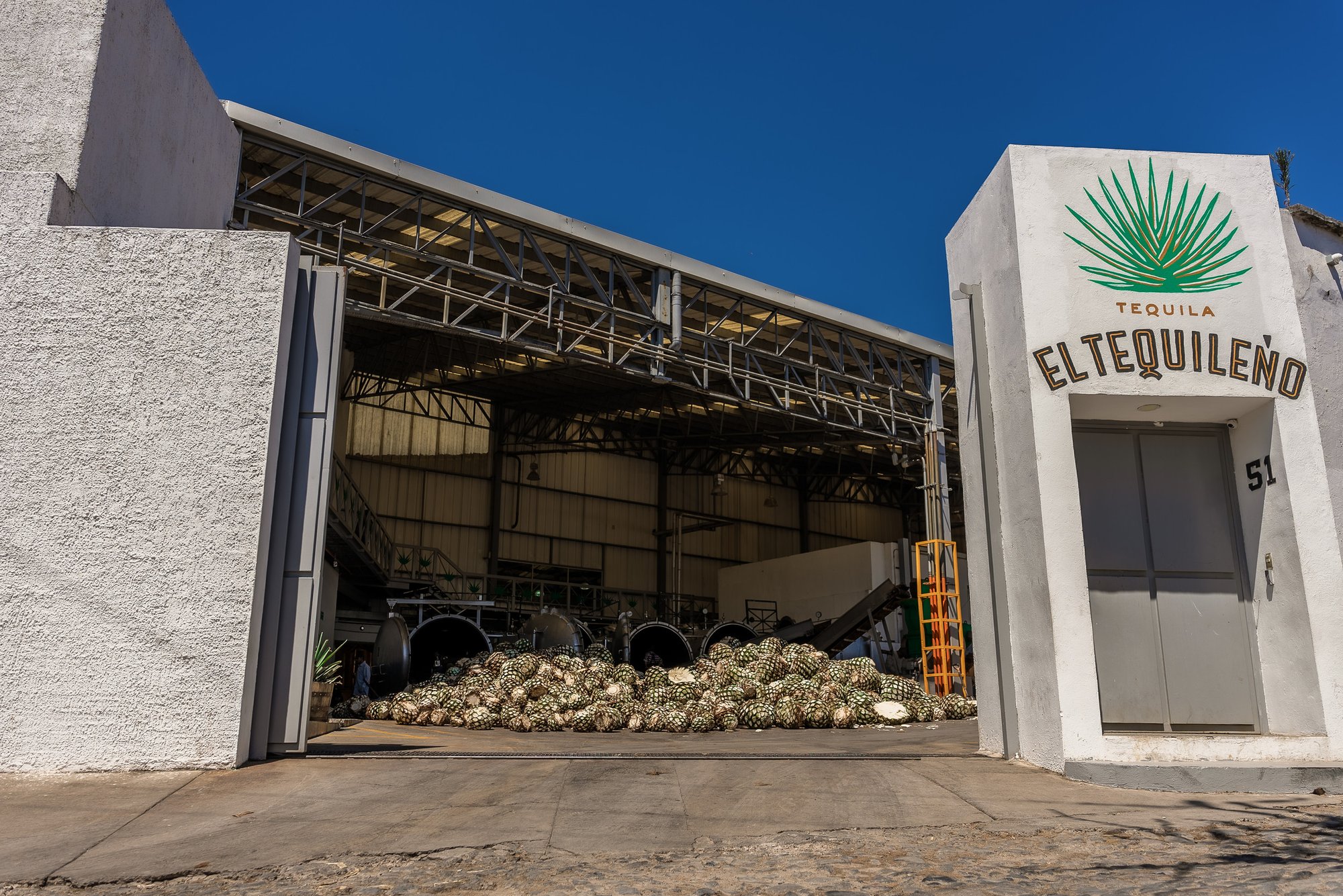
El Llano (Arette) is the pick for readers who want the visit to centre on tequila production choices rather than brand scale. El Tequileño (La Guarreña) is the easier cross-shop for a classic Tequila-town visit, while Jose Cuervo (La Rojeña) makes more sense for groups that want a familiar name and a more established visitor path.
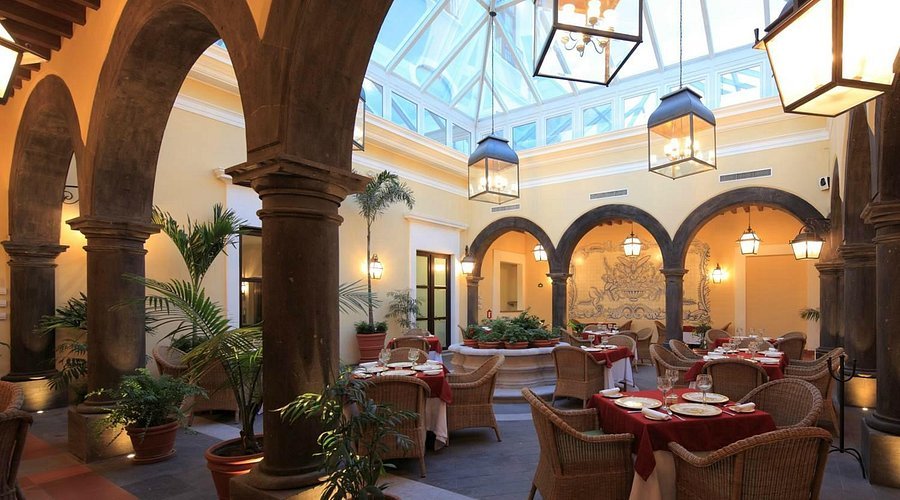
For ambience, La Cofradía is the safer choice if the day needs a more leisurely, visitor-friendly feel. La Perseverancia (Casa Sauza) works better for travellers who value brand history and a broader tour structure. El Llano (Arette) is the better call when the group is smaller and more interested in how the producer thinks about tequila than in the surrounding extras.
If the goal is a high-interest tequila stop and access is the main constraint, also cross-shop Tequila Fortaleza. Between the two, choose El Llano (Arette) for a production-led Arette focus, and Fortaleza when the group is specifically chasing that producer's reputation and can handle tougher planning.
Around this place
Discover more on Pearl
Unlock the full El Llano (Arette) guide in Pearl, including awards, comparisons, FAQs, planning details, and nearby places.
Compare El Llano (Arette)
| Venue | Location | Awards |
|---|---|---|
| El Llano (Arette) | Tequila | No published awards |
| El Tequileño (La Guarreña) | Tequila | No published awards |
| Jose Cuervo (La Rojeña) | Tequila | No published awards |
| La Cofradía | Tequila | No published awards |
| La Perseverancia (Casa Sauza) | Tequila | No published awards |
| Tequila Fortaleza | Tequila | No published awards |
How El Llano (Arette) in Tequila: Worth It? compares with similar nearby venues.
FAQ
Frequently Asked Questions
How long should I plan for a visit to El Llano (Arette)?
Plan conservatively and confirm directly before setting a schedule. Hours, visit length, and a specific format are not listed, so it is best treated as one Tequila stop to verify in advance rather than a fixed-length experience.
What other venues can I compare with El Llano (Arette)?
Jose Cuervo (La Rojeña), La Perseverancia (Casa Sauza), La Cofradía, Tequila Fortaleza, and El Tequileño (La Guarreña) are relevant names to consider when comparing venues for the same itinerary.
Do I need a reservation at El Llano (Arette)?
Do not assume either walk-in access or reservation requirements from the details available here. Confirm directly before going, especially if El Llano (Arette) is a priority stop in your Tequila itinerary.