Victor Hugo Winery
Templeton
Winery in Templeton, United States
 Book with Pearl
The Read
El Pomar Terroir Focus
Price
$20–30tasting
Why go
Victor Hugo Winery is worth considering as a focused Templeton tasting stop, especially for wine travelers building a producer-led itinerary rather than a casual drop-in day. Practical public details are limited, so it suits planners who are comfortable comparing it against nearby wineries before committing.
About Victor Hugo Winery
Templeton rewards planning, especially for wine travelers trying to build a focused winery day rather than a long list of casual drop-ins. Victor Hugo Winery is a Templeton name to consider, but its public details are limited, so the decision should be made with care.
The grounded case for considering it is direct: Victor Hugo Winery is in Templeton, has a casual dress code, and is recognized with Pearl 2 Star Prestige (2025). For current details on visit format, wines, pricing, hours, and reservation requirements, check directly with the venue's official channels.
Use it as a focused Templeton winery option, not a casual filler
The strongest fit is an itinerary built around wineries rather than a mixed day of meals, bars, and sightseeing. Readers mapping a broader trip can use a Templeton wineries guide as the base layer, then add category planning through Templeton restaurants, hotels, bars, and experiences research.
For comparison-minded visitors, the more useful question is not whether to add another winery, but what role this stop plays. Consider it alongside names such as AmByth Estate, Benom Winery, Monochrome Wines, ONX Wines, or Turtle Rock Vineyards if the day is about comparing winery options rather than checking off a single stop.
Who should put it on the shortlist
Bookers who want every detail settled online before choosing may find Victor Hugo Winery harder to evaluate. The better match is a wine traveler who is comfortable using a small set of facts, then checking current details directly before committing. That approach gives the visit a clear purpose: keep the schedule focused, compare winery options thoughtfully, and avoid turning the day into a rushed route.
For broader benchmarking, winery research can help frame how specific this choice is: Victor Hugo Winery is best considered by readers already focused on Templeton and deciding how it fits among other winery options.
Planning details
- Location
- 2850 El Pomar Dr, Templeton, CA 93465
- Website
- victorhugowinery.com
- Phone
- +1 805-434-1128
The take
The Take
The Vibe
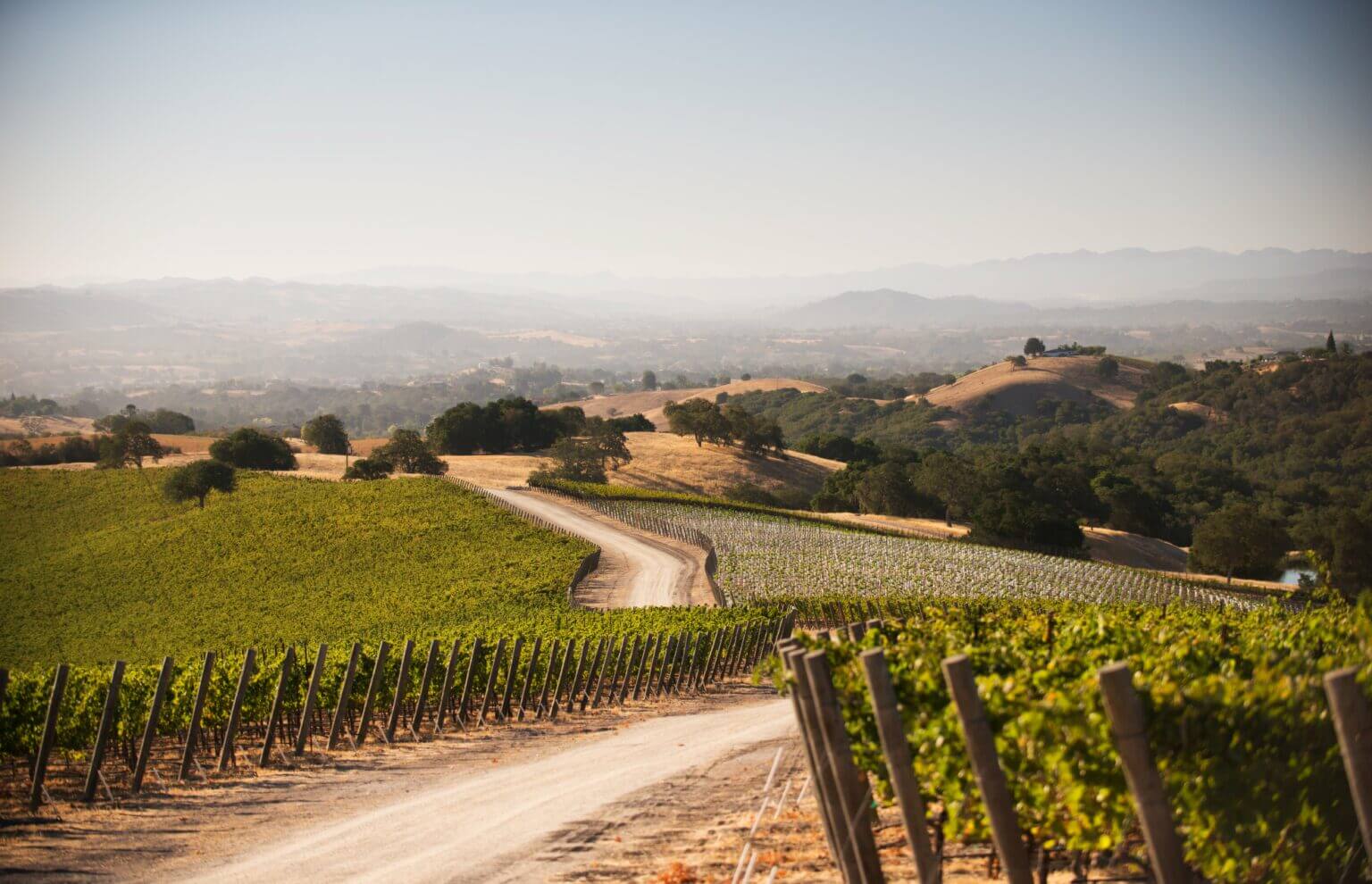
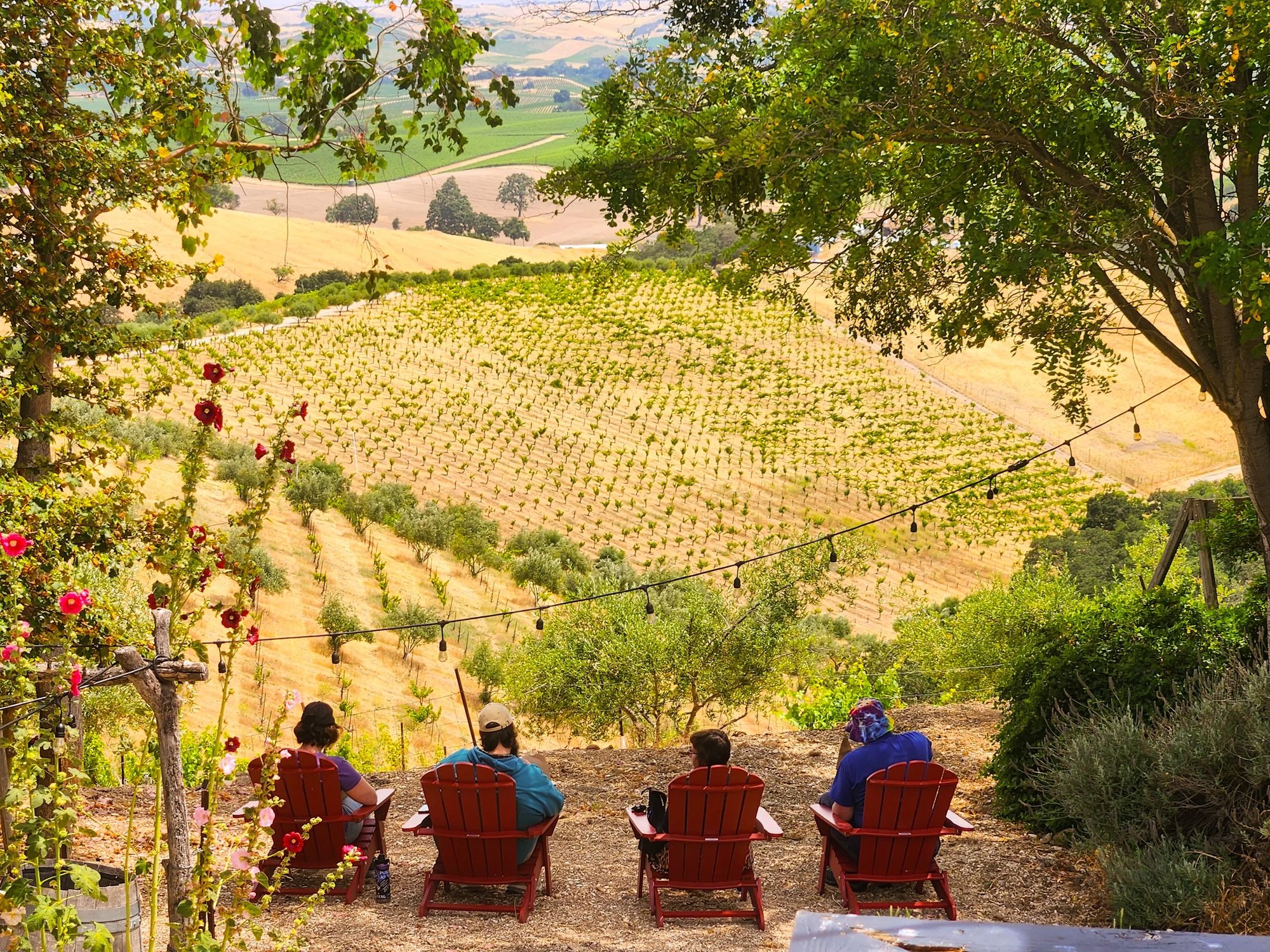
Victor Hugo Winery presents a measured, terroir-forward presence set against the Templeton Gap foothills. The approach reads as unsentimental and focused: vineyards that benefit from strong diurnal swings produce wines that register tension between ripeness and acidity, and the operation’s Pearl 2 Star Prestige rating signals an emphasis on quality and site expression. The drive out to the property prepares you for a landscape-first experience—open, chalky soils and channelled marine air—so the mood feels contemplative and refined rather than flashy. This is a spot for people who care more about provenance and farming than theatrical tasting-room spectacle.
Best For
Victor Hugo is best suited to visitors who come for the viticulture and the wines themselves. Tastings geared toward understanding site expression and regional contrasts make it a natural stop for wine-education outings and groups interested in comparative tasting. Its Prestige standing also makes it appropriate for quieter special occasions or an understated countryside escape, where the focus is on bottles that reflect Templeton Gap’s thermal range. Travelers seeking dramatic entertainment or loud nightlife should look elsewhere; this is a deliberate, study-oriented tasting stop rather than a party destination.
Tasting Tips
Ask for a flight that emphasizes site-driven bottlings and any wines that showcase Templeton Gap character—cold evenings and calcareous soils are repeatedly noted, so look for wines with pronounced acidity and mineral lift. Mention the Pearl 2 Star Prestige designation and ask which cuvées or vintages best represent the property’s farming-first philosophy. If available, request context on vineyard sources and the vintage conditions that produced the bottle you’re tasting; that provenance conversation is central to appreciating Victor Hugo’s wines.
Venue details
Ambiance
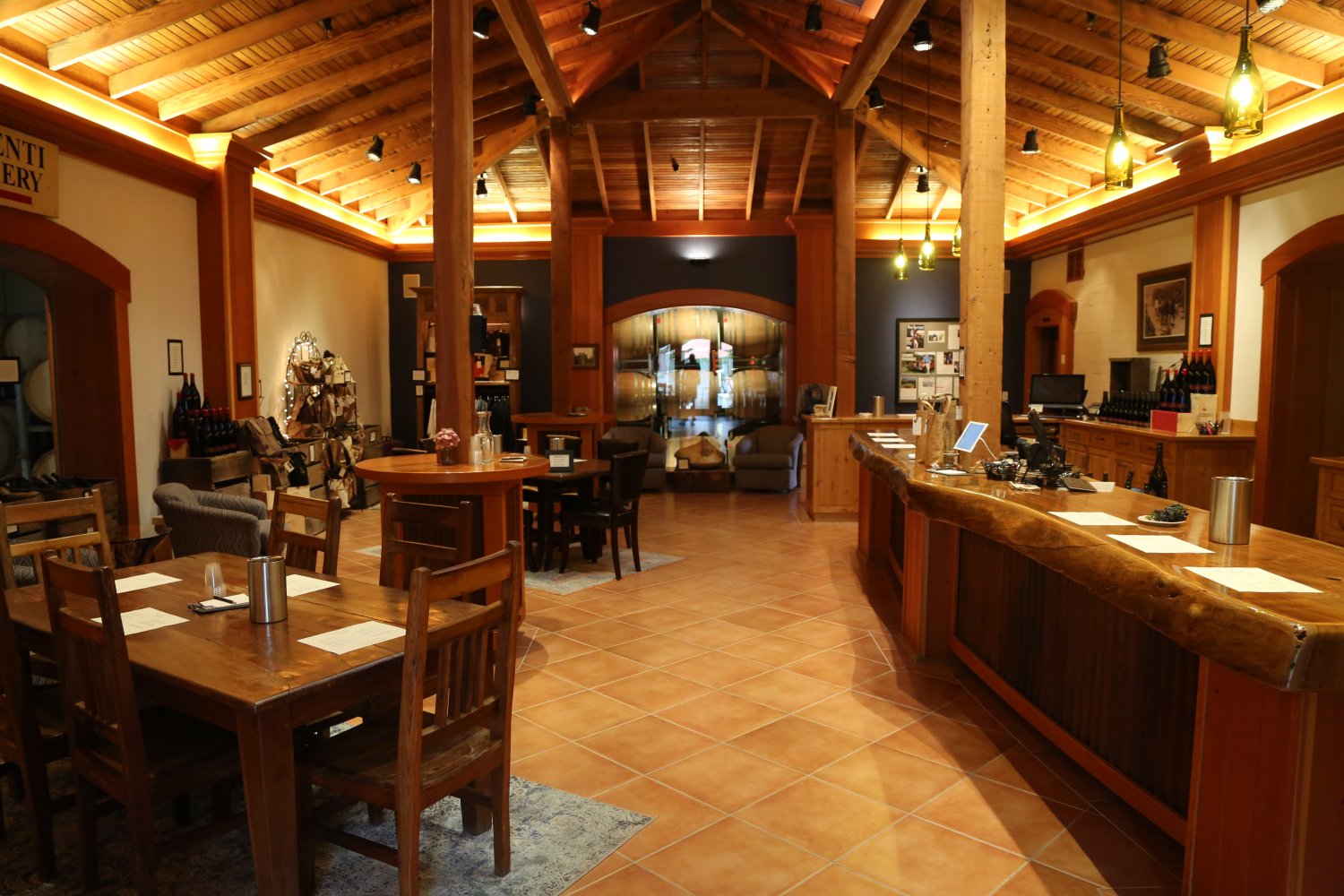
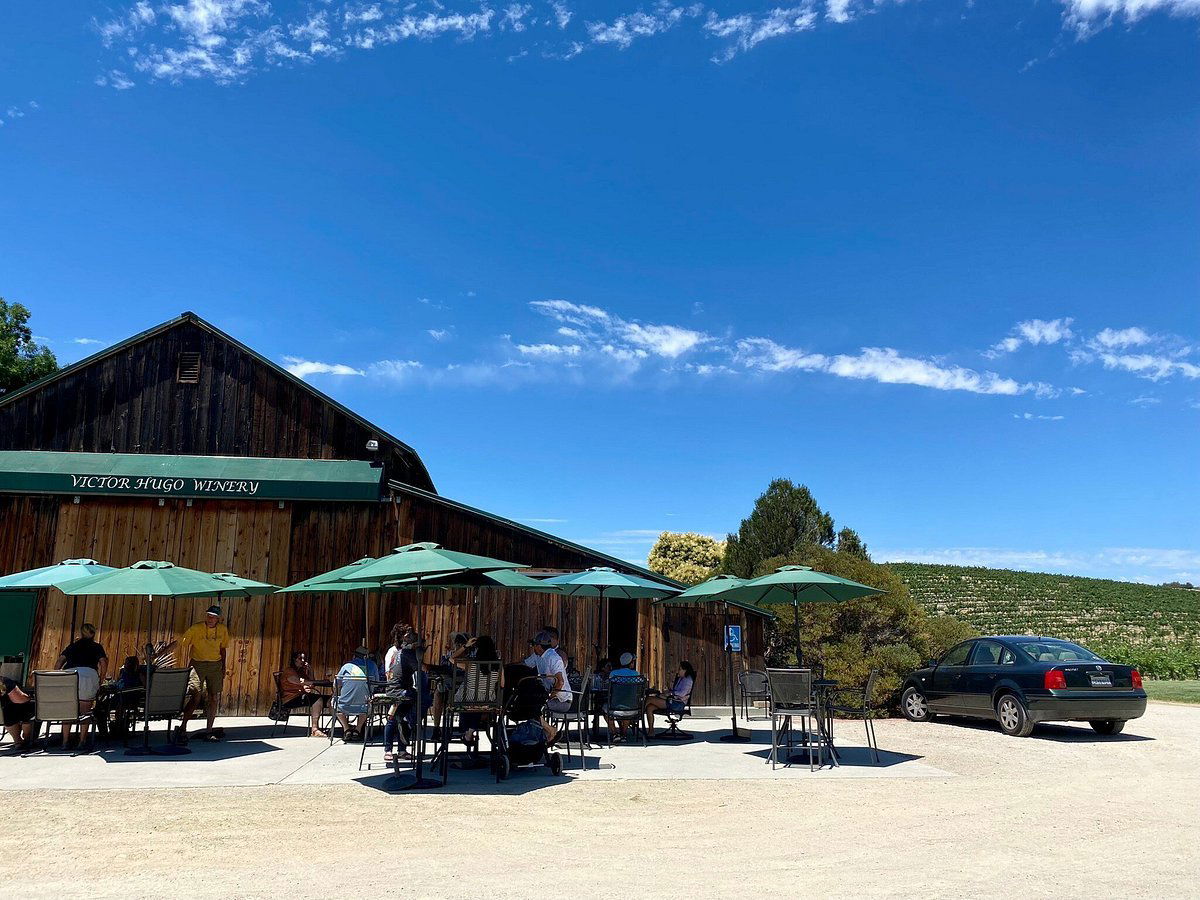
Intimate, understated tasting room located within the barrel storage area of a modest redwood barn; warm, personal atmosphere with direct interaction with owners; unpretentious and authentic.
Tags
Vibe
Best For
Experience
Sourcing
View
At the Vineyard
- Appellation
- Paso Robles AVA
- Varietals
- Chardonnay, Zinfandel, Syrah, Petit Sirah, Viognier
- Visits
- By appointment only
- Farming
- Sustainable
- Wine Styles
- Still Red, Still White
- Food Pairing
- Offered
- Shipping
- Available
- Wine Club
- Available
Know before you go
Know Before You Go
- Getting there
- 2850 El Pomar Dr, Templeton, CA 93465
Planning details
Location
Also consider
Where to look if this does not fit
Try AmByth Estate or ONX Wines first if the plan needs another Templeton winery for the same day. If the route can stretch outside the immediate Templeton set, compare Monochrome Wines, Turtle Rock Vineyards, and Benom Winery before finalizing the itinerary.
Winery context
How it compares in Templeton
Against AmByth Estate and ONX Wines, Victor Hugo Winery is the choice to consider when the priority is a focused Templeton stop with recognized appeal. AmByth Estate and ONX Wines are better cross-shops for readers who want to compare multiple Templeton producers before locking the day.
Monochrome Wines, Turtle Rock Vineyards, and Benom Winery work better as broader-region alternatives rather than direct Templeton replacements. Choose them if the itinerary is flexible outside Templeton; keep Victor Hugo Winery on the list if staying close to the El Pomar Drive area matters.
For value, booking ease, and ambiance, the safer move is to compare availability across all five peers before committing. If the goal is a low-friction day, start with the venues that give clearer planning signals; if the goal is a more selective Templeton stop, Victor Hugo Winery deserves a place on the shortlist.
Explore Templeton
Around this place
Discover more on Pearl
Unlock the full Victor Hugo Winery guide in Pearl, including awards, comparisons, FAQs, planning details, and nearby places.
Compare Victor Hugo Winery
| Venue | Location | Awards |
|---|---|---|
| Victor Hugo Winery | Templeton | No published awards |
| AmByth Estate | Templeton | No published awards |
| ONX Wines | Templeton | No published awards |
| Monochrome Wines | Paso Robles | No published awards |
| Turtle Rock Vineyards | Paso Robles | No published awards |
| Benom Winery | Paso Robles | No published awards |
How Victor Hugo Winery Templeton compares with similar nearby venues.
FAQ
Frequently Asked Questions
Does Victor Hugo Winery ship wine?
If shipping matters, make that your first question before planning around Victor Hugo Winery in Templeton; for a broader comparison, look at ONX Wines or Monochrome Wines only after confirming current logistics directly with each venue.
When is the best time to visit Victor Hugo Winery?
Is the wine club at Victor Hugo Winery worth joining?
If you are considering any membership, confirm the current terms directly and compare the overall fit against options such as Benom Winery or Turtle Rock Vineyards before signing up anywhere.
Do I need a reservation at Victor Hugo Winery?
Plan ahead by checking Victor Hugo Winery's official channels, especially if you are organizing a Templeton winery day and comparing it with AmByth Estate or ONX Wines.