Gróf Degenfeld Winery
Tarcal
Winery in Tarcal, Hungary
 Book with Pearl
The Read
Volcanic-Terroir Tokaj
Why go
Book Gróf Degenfeld Winery when the Tokaj visit needs polish: a date, hosted business stop, or celebration tasting where atmosphere matters as much as the wines. It is less of a bargain-hunting pick than a composed Tarcal option; wine-focused visitors should also compare Királyudvar and Tokaj Kikelet Winery.
About Gróf Degenfeld Winery
The value case should be judged conservatively. If you are planning a broader itinerary, you can also look at Királyudvar, Tokaj Kikelet Winery, Tokaj Nobilis, Disznókő, and Château Dereszla as other points of comparison.
A composed Tarcal venue with limited planning details
For planning purposes, the safest guidance is to dress smart casual and verify current arrangements with the winery before visiting.
Use the recognition and dress code as baseline signals, then confirm the practical details directly with the venue. For broader planning, pair the visit with Tarcal restaurants, other Tarcal dining, or additional stops depending on what the winery confirms for your date.
How to judge the value against other options
If value depends on price, duration, included pours, food, group handling, or shipping, there is not enough information to make a specific claim. The practical move is to contact Gróf Degenfeld Winery first, then compare the details with Királyudvar, Tokaj Kikelet Winery, Tokaj Nobilis, Disznókő, or Château Dereszla.
Do not assume that every winery visit works the same way. Everything more specific should be directly before you book, arrive, or make it the anchor of a day.
Planning details
- Location
- Tarcal, Terézia kert 9, 3915
- Website
- grofdegenfeld.com/media/attachments/2025/07/30/nyri-tlapformzott_nyomtatsra_20250722du.pdf
- Phone
- +36 47 580 400
The take
The Take
The Vibe
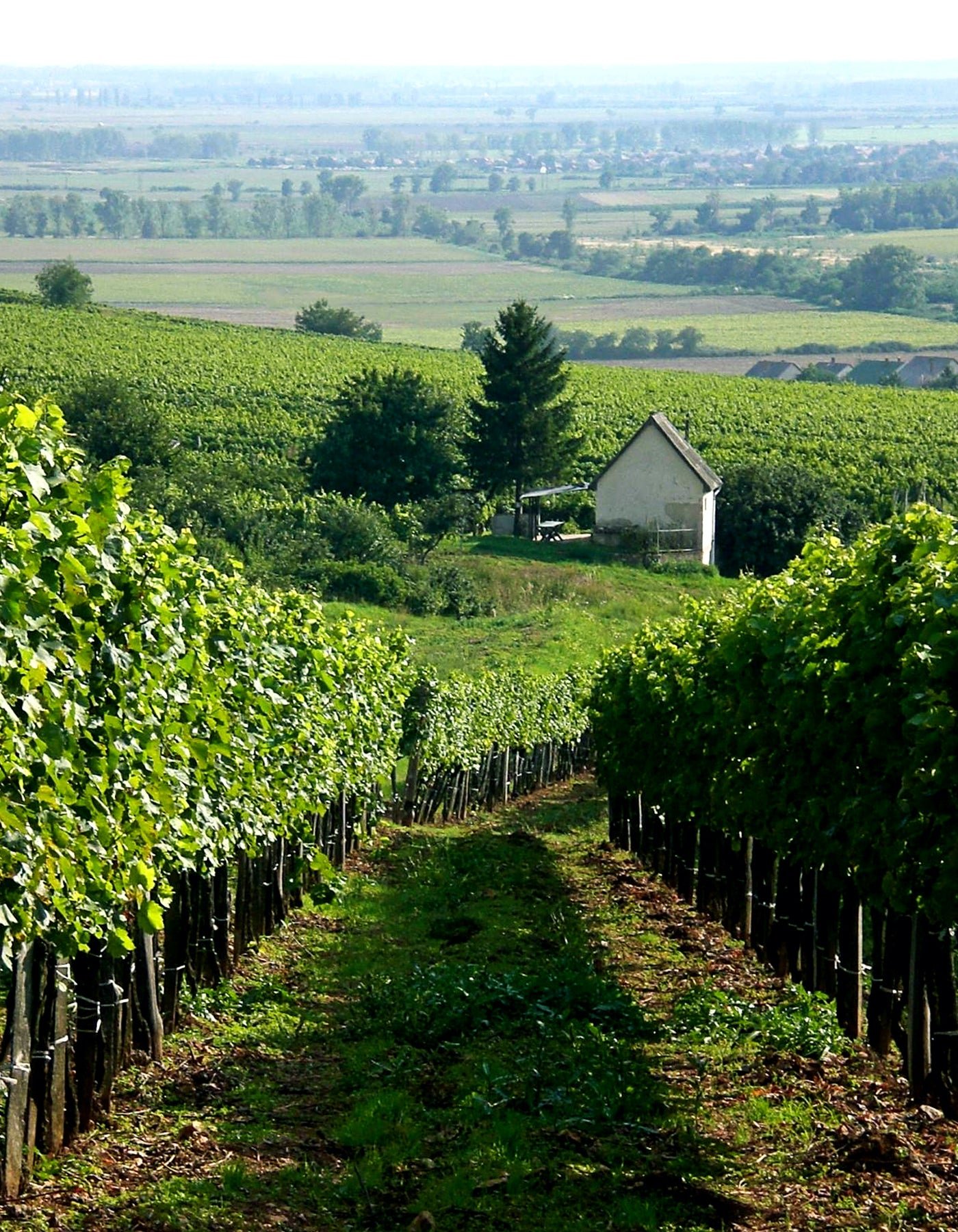
Gróf Degenfeld presents itself as a refined Tokaj estate that leans into the appellation’s aristocratic lineage and geological pedigree. The winery sits on formal estate grounds, Terézia kert, where volcanic rhyolite and loess shape terrace vineyards. The tone is measured and knowledgeable: this is a producer that foregrounds terroir, tradition and long-term bottle development rather than flash. Visitors encounter a sophisticated, classic atmosphere rooted in the region’s noble-family history and the careful reconstitution of private estates after 1989.
Best For
This estate is best for visitors who come to learn about Tokaj’s distinctive terroir and the mechanics behind Aszú and Furmint. The description foregrounds geology, late-autumn noble rot and the structural qualities of dry Furmint, so the winery suits those seeking an educational tasting or a thoughtful special-occasion visit where provenance and aging potential matter. It appeals to guests who want a deeper, historically informed look at why this corner of northeastern Hungary is UNESCO-recognized.
Tasting Tips
Focus tastings on dry Furmint to appreciate the grape’s acid-driven structure and the textural weight it develops with age, and Aszú bottlings to experience noble-rot sweetness and complexity. When you visit or book a tasting, ask about the vineyards on the estate’s terraces and how rhyolite and loess influence particular bottlings; those site-driven distinctions are central to Gróf Degenfeld’s wines as described.
Venue details
Ambiance
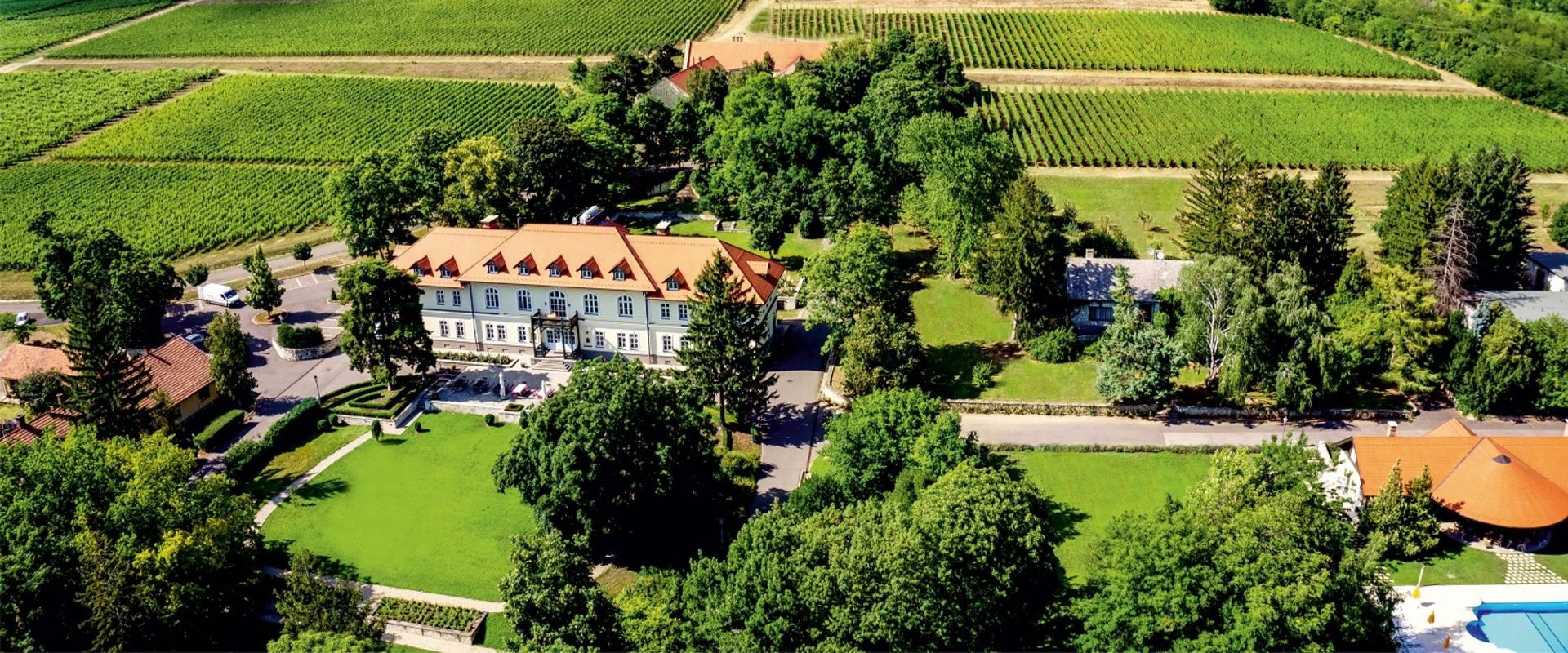
Harmonious chateau-style castle amid verdant park and rolling vineyards, blending aristocratic heritage with serene, nature-focused elegance.
Tags
Vibe
Best For
Experience
Sourcing
View
At the Vineyard
- Appellation
- Tokaj
- Varietals
- Furmint, Hárslevelű, Muscat Blanc
- Tour Duration
- 60-90 minutes
- Visits
- By reservation
- Farming
- Organic
- Production
- Small producer
- Wine Styles
- Still White, Dessert
- Wine Club
- Not available
Know before you go
Know Before You Go
- Getting there
- Tarcal, Terézia kert 9, 3915
Planning details
Location
Tarcal, Terézia kert 9, 3915 · Directions
grofdegenfeld.com/media/attachments/2025/07/30/nyri-tlapformzott_nyomtatsra_20250722du.pdf
Also consider
If this is hard to arrange
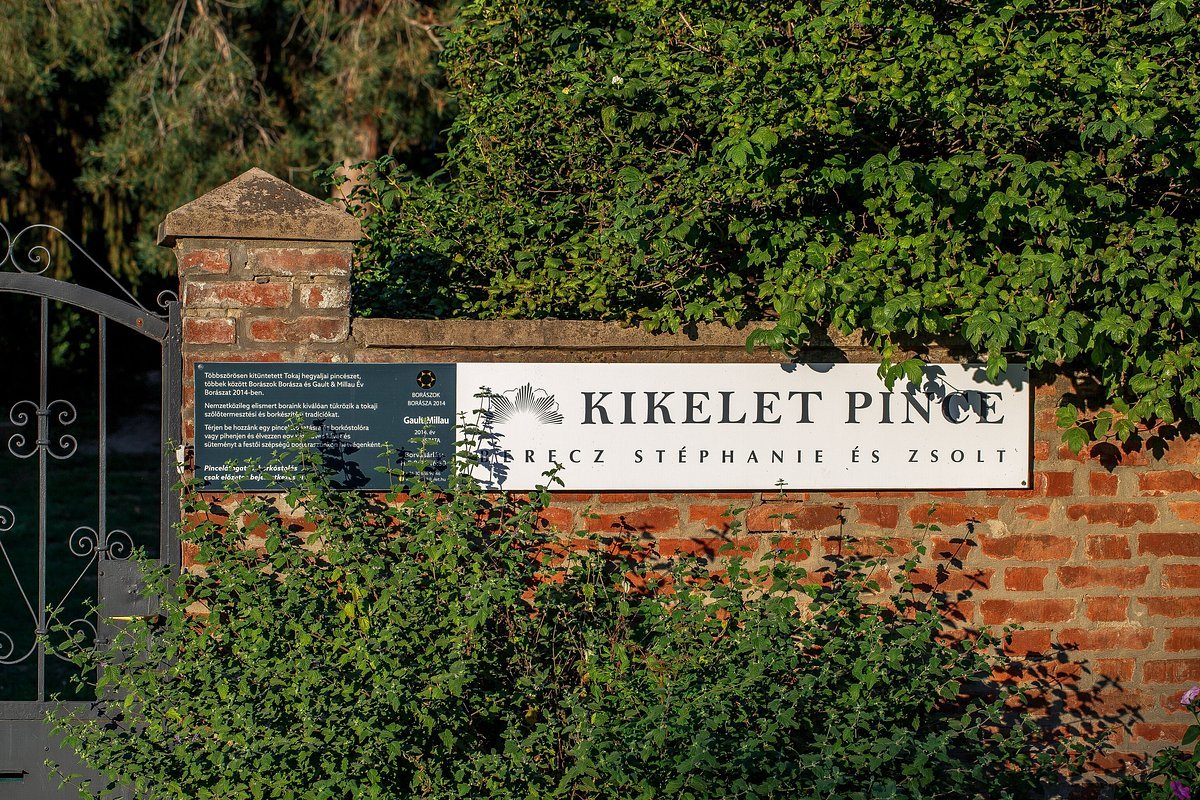
Try Királyudvar if the priority is a serious Tokaj tasting with a wine-first feel. Try Tokaj Kikelet Winery if the group would rather have a more intimate Tarcal alternative.
Winery context
How it compares in and around Tarcal
Gróf Degenfeld Winery is the more occasion-led choice in Tarcal: choose it when the room, pace, and hosted feel matter. Királyudvar is the sharper alternative for visitors who want the tasting to feel more wine-first, while Tokaj Kikelet Winery is the better fit for a smaller-scale stop with a more personal feel.
If the plan stretches beyond Tarcal, Tokaj Nobilis, Disznókő, and Château Dereszla are sensible cross-shops for a broader Tokaj day. Pick Gróf Degenfeld for ambiance and celebration value; pick the others when the itinerary is built around producer comparison and range.
Explore Tarcal
Around this place
Discover more on Pearl
Unlock the full Gróf Degenfeld Winery guide in Pearl, including awards, comparisons, FAQs, planning details, and nearby places.
Compare Gróf Degenfeld Winery
| Venue | Location | Awards |
|---|---|---|
| Gróf Degenfeld Winery | Tarcal | No published awards |
| Királyudvar | Tarcal | 2026 Falstaff Winery Guide |
| Tokaj Kikelet Winery | Tarcal | 2026 Falstaff Winery Guide |
| Tokaj Nobilis | Bodrogkeresztúr | No published awards |
| Disznókő | Mezőzombor | 2025 World's 50 Best Vineyards · #632023 World's 50 Best Vineyards · #45 |
| Château Dereszla | Bodrogkeresztúr | No published awards |


How Gróf Degenfeld Winery Tarcal compares with similar nearby venues.
FAQ
Frequently Asked Questions
How long should I plan for a visit to Gróf Degenfeld Winery?
Visit-duration details for Gróf Degenfeld Winery are not available. Plan it as a Tarcal stop that requires direct confirmation, especially if you are coordinating it with Disznókő or other plans on the same day.
What other venues can I compare with Gróf Degenfeld Winery?
Királyudvar, Tokaj Kikelet Winery, Tokaj Nobilis, Disznókő, and Château Dereszla are names to compare with Gróf Degenfeld Winery. Confirm each venue's current arrangements directly before finalizing an itinerary.