

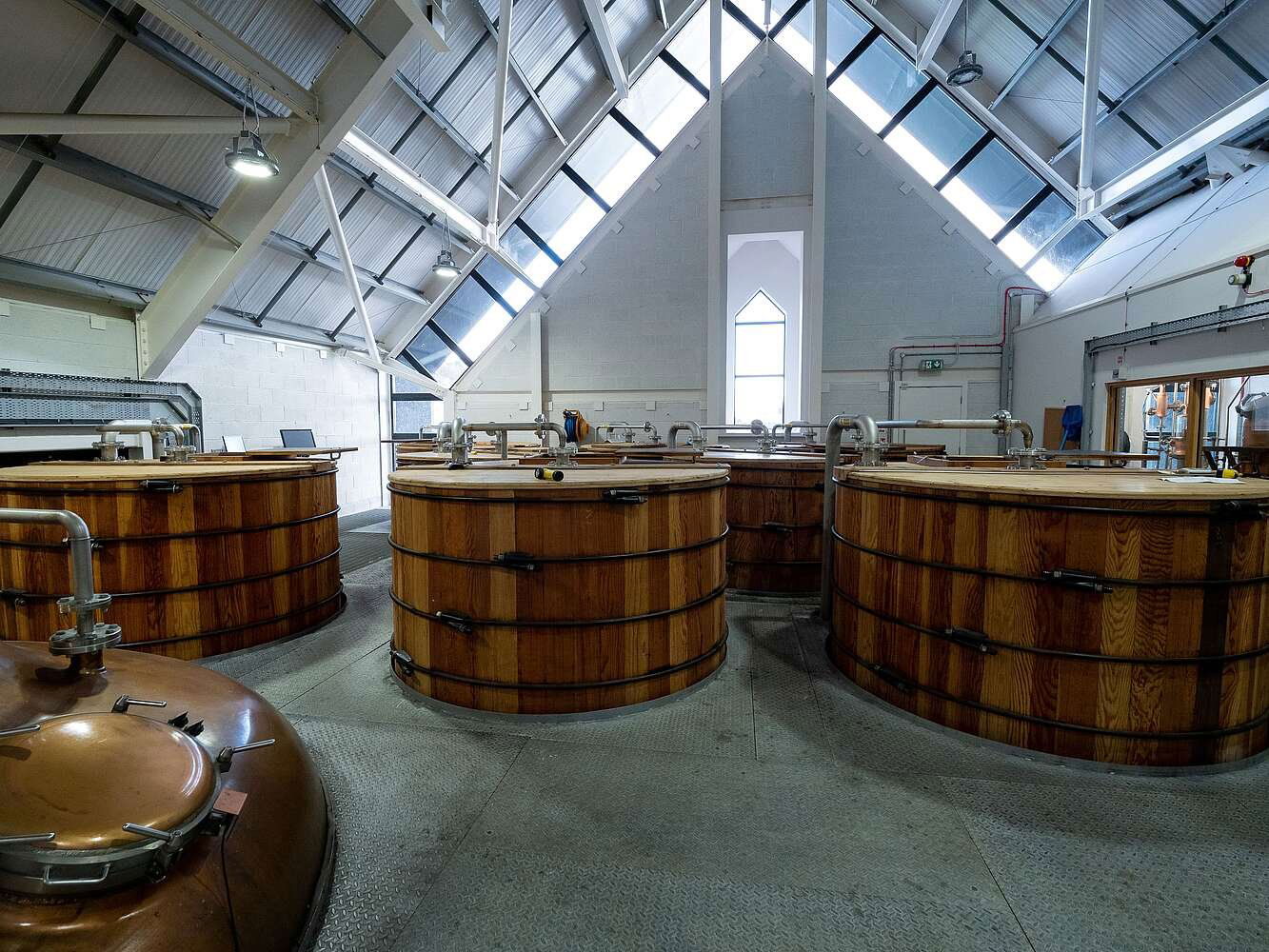
Isle of Harris
Tarbert
Winery in Tarbert, United Kingdom
 Book with Pearl
The Read
Atlantic-Terroir Spirits
Price
$20–30tasting
Why go
Plan Isle of Harris as a setting-led Tarbert stop, not a casual extra. It makes the strongest case when Harris is already central to the itinerary; for a classic distillery-focused trip, compare Talisker, Tobermory Distillery, Dalmore Distillery, Balblair Distillery, and Glenmorangie first.
About Isle of Harris
Book this for a Tarbert stop
The dress code is casual, so keep the visit relaxed while checking the venue's current format before you go.
For food service, shipping, tastings, tours, pricing, opening hours, or group capacity, build the rest of the day with flexibility. Readers planning a wider trip should use broader Tarbert planning resources, then confirm meals, stays, evening plans, and any experience details separately before relying on them.
For a second visit, compare the effort with other recognized names
If you are comparing it with other notable names, Talisker, Tobermory Distillery, Dalmore Distillery, Balblair Distillery, and Glenmorangie are relevant points of reference, but do not assume they offer the same experience or sit in the same place.
Use comparisons only to shape priorities, not to infer details about Isle of Harris.
Planning details
- Location
- Tarbert, Isle of Harris HS3 3DN, UK
- Phone
- '+44 (0) 1859 502212
The take
The Take
The Vibe
Isle of Harris presents as a quietly distinguished island producer where place dominates the story. The elemental Hebridean landscape, with its low sky, purposeful wind and ancient Lewisian gneiss, shapes production through geology and climate. Visitors encounter an experience that prioritizes provenance and terroir over spectacle, a reflective, sophisticated destination rather than a bustling tourist stop.
Best For
This is a destination for travelers who plan their visit around the island’s character. It suits weekend escapes and exploratory trips where ferry crossings and long drives are part of the experience. Education and terroir in spirits make the venue well suited to wine- and spirit-focused learning, solo exploration and small group outings that prize context and narrative. Expect purposeful, lingered visits rather than quick drop-ins.
Tasting Tips
Prioritize expressions and bottles that highlight Hebridean influence, including those that reference coastal climate, peat and island-grown inputs. Treat tastings as educational opportunities: ask about how the Atlantic, peat and local resources shape each spirit rather than hunting for novelty cocktails or unrelated service flourishes.
Venue details
Ambiance
Cozy interior with a real peat fire, warm welcoming atmosphere, and modern design overlooking the harbor.
Tags
Vibe
Best For
Experience
Sourcing
View
At the Vineyard
- Appellation
- Isle of Harris
- Tour Duration
- 60 minutes
- Tour Languages
- English
- Visits
- By reservation
- Farming
- Sustainable
- Production
- Small producer
- Food Pairing
- Offered
- Wine Club
- Not available
Know before you go
Know Before You Go
- Getting there
- Tarbert, Isle of Harris HS3 3DN, UK
Planning details
Location
Tarbert, Isle of Harris HS3 3DN, UK · Directions
Also consider
Where to look if this is hard to fit
Cross-shop Talisker if an island distillery visit is the priority but Harris is too difficult to route. Cross-shop Glenmorangie if the trip needs a more polished Highland name with simpler logistics.
Winery context
How it compares with the wider distillery circuit
Talisker is the clearer pick for a classic island whisky visit with broader name recognition, while Isle of Harris is the better choice when the destination value is Tarbert and the Outer Hebrides setting. Choose Talisker if the visit needs to anchor a whisky-led route; choose Isle of Harris if the island mood matters more than a conventional production-focused stop.
Tobermory Distillery, Dalmore Distillery, and Balblair Distillery make more sense for travelers comparing established distillery experiences with easier mainland or Inner Hebridean routing. They are safer alternatives when the priority is scheduling control, while Isle of Harris asks for more commitment because Tarbert itself shapes the day.
Glenmorangie is the stronger cross-shop for polish and a recognizable Highland name. Isle of Harris is more about atmosphere and place: quieter, more remote in feel, and better suited to travelers who want the visit to reflect the island rather than simply fill a tasting slot.
Explore Tarbert
Around this place
Discover more on Pearl
Unlock the full Isle of Harris guide in Pearl, including awards, comparisons, FAQs, planning details, and nearby places.
Compare Isle of Harris
| Venue | Location | Awards |
|---|---|---|
| Isle of Harris | Tarbert | No published awards |
| Talisker | Carbost | No published awards |
| Tobermory Distillery | Tobermory | No published awards |
| Dalmore Distillery | Alness | No published awards |
| Balblair Distillery | Edderton | No published awards |
| Glenmorangie | Tain | No published awards |
How Isle of Harris Tarbert compares with similar nearby venues.
FAQ
Frequently Asked Questions
What other venues can I compare with Isle of Harris?
For broader comparison, Talisker, Tobermory Distillery, Dalmore Distillery, Balblair Distillery, and Glenmorangie are relevant names in this set. Compare them naturally with Isle of Harris, but do not assume they are all in Tarbert or offer the same type of visit.