Glenmorangie
Tain
Winery in Tain, United Kingdom
 Book with Pearl
The Read
Highland Terroir Distilling
Why go
Glenmorangie is the Tain distillery to prioritise when the visit is part of a special occasion rather than a casual detour. Plan ahead, do not treat it as a restaurant substitute, and compare it with Balblair, Dornoch, Dalmore, Clynelish, and Dunphail if availability or group size becomes the issue.
About Glenmorangie
Pearl 4 Star Prestige (2025) gives Glenmorangie a clear reason to prioritise it in Tain when recognised standing matters. The dress code is smart casual, so plan for a polished visit rather than treating it as a purely casual stop. Avoid building the day around assumptions about menus, formats, prices, capacity, hours, or specific services.
The reason to choose Glenmorangie is direct: it is a recognised Tain venue with Pearl 4 Star Prestige status. Do not treat it as a restaurant replacement or assume a particular visit format unless you have checked the practical details directly before finalising the day. For broader planning in Tain, fill the rest of the day with other dining or accommodation research.
Worth it for a recognised Tain stop, less useful for assumption-led planning
Go in with the key facts in mind: Glenmorangie is in Tain, holds Pearl 4 Star Prestige (2025), and has a smart casual dress code. Details such as booking requirements, group capacity, service format, pricing, food, and specific experiences should be checked directly rather than inferred.
That makes Glenmorangie best approached as a carefully checked itinerary stop. If the visit is part of a celebration, hosted travel, or a more polished day in Tain, its recognition gives it a clear reason to be on the shortlist. If the group needs specific timing, accessibility, dining, or capacity arrangements, verify those details before building the rest of the schedule around it.
Know Before You Go
- Best for: visitors who want a recognised Tain venue with Pearl 4 Star Prestige (2025).
- Dress code: smart casual.
- Planning: confirm practical details directly before relying on a specific format, time, price, or capacity.
- Food plan: plan lunch or dinner separately unless you have checked food-service details directly.
- Wider-trip planning: compare with Balblair Distillery, Clynelish Distillery, Dalmore Distillery, Dornoch Distillery, or Dunphail Distillery if the wider trip includes other distillery visits.
Planning details
- Location
- A9, Tain IV19 1PZ
- Website
- glenmorangie.com
- Phone
- +44 1862 892477
The take
The Take
The Vibe
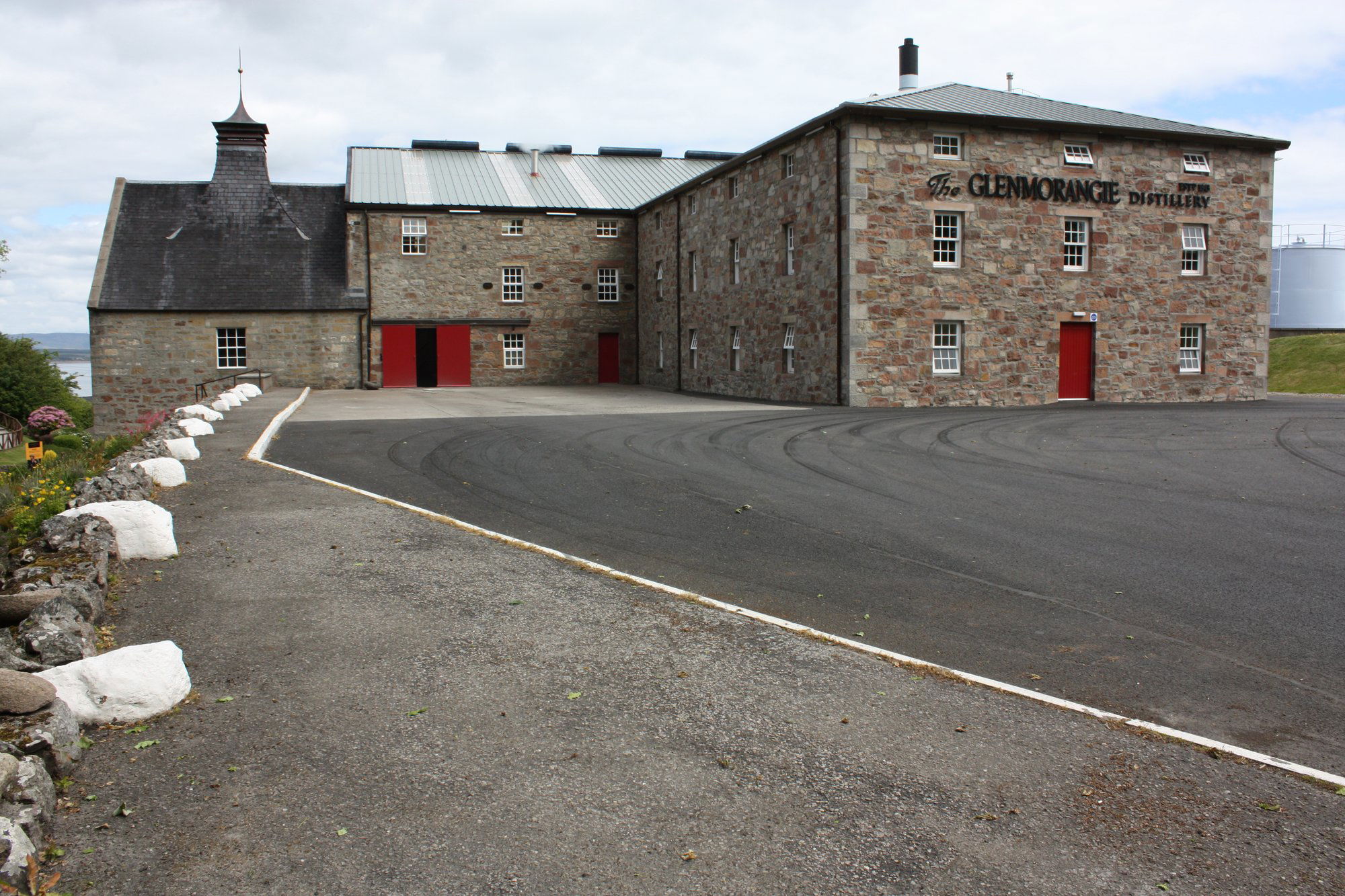
Glenmorangie reads like a Highland landmark: a distillery whose buildings and operations are inseparable from the coastal landscape that shapes its spirit. The approach from the A9 gives immediate context — the Dornoch Firth, salt-laden air and nearby moorland are not mere scenery but active components of flavour. The copy stresses production heritage and a distinguished visitor offering, so the place feels historically grounded and quietly atmospheric rather than flashy. Expect a measured, terroir-forward hospitality that reflects both the agricultural hinterland and the long-running craft of single malt production.
Best For
This is a visit-oriented distillery well suited to people who want to learn how place and process affect whisky. The text repeatedly ties environment to flavour, so it’s excellent for education-minded travelers, solo explorers seeking interpretation, and small groups arranged around a guided experience. The distillery’s strong reputation and Pearl 4 Star Prestige rating also make it an apt stop for visitors marking a special occasion or anyone interested in the regional character of north‑east coastal Highland spirits. It functions as a cultural anchor for Tain and a natural hub on a whisky‑focused itinerary.
Tasting Tips
When tasting at Glenmorangie, prioritise expressions that the staff frame around maritime influence and cask character — the copy highlights brine, mineral qualities and the interaction of copper and cask. Ask guides or pourers to point out bottlings that illustrate those themes so you can compare how coastal air and different casks shape aroma and finish. If available, book or join a tour that includes the still house and cask discussion: the visitor experience and production heritage are core to understanding what's in the glass.
Venue details
Ambiance
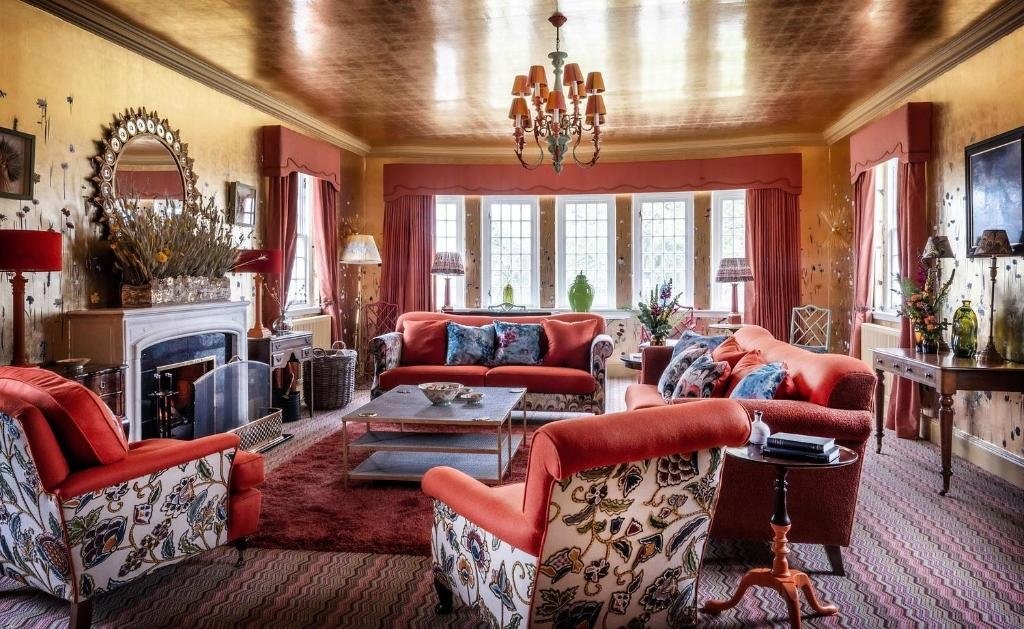
Tranquil and elegant atmosphere reflecting its Gaelic name 'vale of tranquility,' with knowledgeable guides creating an engaging and sophisticated experience.
Tags
Vibe
Best For
Experience
At the Vineyard
- Appellation
- Highlands
- Tour Duration
- 60-90 minutes
- Wine Club
- Not available
Know before you go
Know Before You Go
- Getting there
- A9, Tain IV19 1PZ
Planning details
Location
Also consider
Where to Go If This Is Full
If Glenmorangie is not available, try Balblair Distillery first for a nearby Highland whisky alternative with a less formal feel. For a more premium comparison point, look at Dalmore Distillery.
Winery context
How It Compares
Choose Glenmorangie when recognition and occasion value matter. Against Balblair Distillery and Dornoch Distillery, it is the safer pick for a polished Highland whisky stop, especially if someone in the group wants a name they already know. Balblair and Dornoch make more sense when the priority is a lower-key visit with less pressure around the booking.
Dalmore Distillery is the stronger cross-shop for travellers building a premium-feeling whisky day, while Clynelish Distillery is a sensible alternative if the itinerary is moving north and convenience matters. Dunphail Distillery fits the more exploratory traveller: better if the appeal is discovery, less convincing if the day needs a recognisable anchor.
For value, start with Balblair or Dornoch. For a special occasion where the venue name carries weight, keep Glenmorangie first on the list. If the schedule is tight, Clynelish may be easier to fold into a wider route; if the group wants a premium comparison point, add Dalmore rather than overloading the day with too many stops.
Around this place
Discover more on Pearl
Unlock the full Glenmorangie guide in Pearl, including awards, comparisons, FAQs, planning details, and nearby places.
Compare Glenmorangie
| Venue | Location | Awards |
|---|---|---|
| Glenmorangie | Tain | No published awards |
| Balblair Distillery | Edderton | No published awards |
| Dornoch Distillery | Dornoch | No published awards |
| Dalmore Distillery | Alness | No published awards |
| Clynelish Distillery | Brora | No published awards |
| Dunphail Distillery | Dunphail | No published awards |
How Glenmorangie Tain compares with similar nearby venues.
FAQ
Frequently Asked Questions
Does Glenmorangie serve food?
What other named options can I compare with Glenmorangie?
Relevant named alternatives for wider trip planning include Balblair Distillery, Dornoch Distillery, Clynelish Distillery, Dalmore Distillery, and Dunphail Distillery.
Do I need a reservation at Glenmorangie?
Glenmorangie is a Pearl 4 Star Prestige (2025) venue in Tain, so check directly before visiting if timing, availability, or a specific experience matters.
Does Glenmorangie have a membership programme?
For membership enquiries, contact Glenmorangie directly. Its key quality signal is Pearl 4 Star Prestige (2025), and the dress code is smart casual.
Can Glenmorangie handle large groups?
Does Glenmorangie offer shipping?
What is Glenmorangie best known for here?
Glenmorangie is best known in this guide for its Tain location, Pearl 4 Star Prestige (2025) recognition, and smart casual dress code.