Takler Winery
Szekszárd
Winery in Szekszárd, Hungary
 Book with Pearl
The Read
Loess-Terroir Red Wine Precision
Why go
Takler Winery is worth prioritizing for a special-occasion Szekszárd winery visit, especially if the tasting itself is the main event. Treat it as a planned anchor, not a casual drop-in, and confirm format, food, and group details before building the day around it.
About Takler Winery
The safe way to think about Takler Winery is as a Szekszárd winery to research and contact before building plans around it. Its dress code is casual, and its recognition gives it a clear place on a premium shortlist, but details such as specific bottles, menus, service style, or group arrangements should be confirmed in advance.
Plan this as a researched winery stop
If there is only one winery slot in Szekszárd, Takler Winery belongs in the conversation alongside Bodri Winery, Heimann Winery, Lajver Winery, Sebestyén Winery, and Vida Wines.
There is not enough detail to promise food, a named tasting menu, group capacity, published pricing, or a particular appointment format. Confirm the tasting structure, language, group size, timing, and any food component directly with the winery before committing a celebration, client visit, or larger itinerary around it.
Where it fits in a Szekszárd wine trip
For a Szekszárd wine trip, Takler Winery is best treated as one of the city's premium winery options rather than a venue with fully documented public planning details. Use it as a candidate for a planned stop, then compare it with other Szekszárd wineries and nearby dining or lodging options based on the needs of your group.
Planning details
- Location
- Decs, 7144 Decs, Szőlőhegy 1799 hrsz, 7100
- Website
- takler.com
- Phone
- +36 74 311 961
The take
The Take
The Vibe
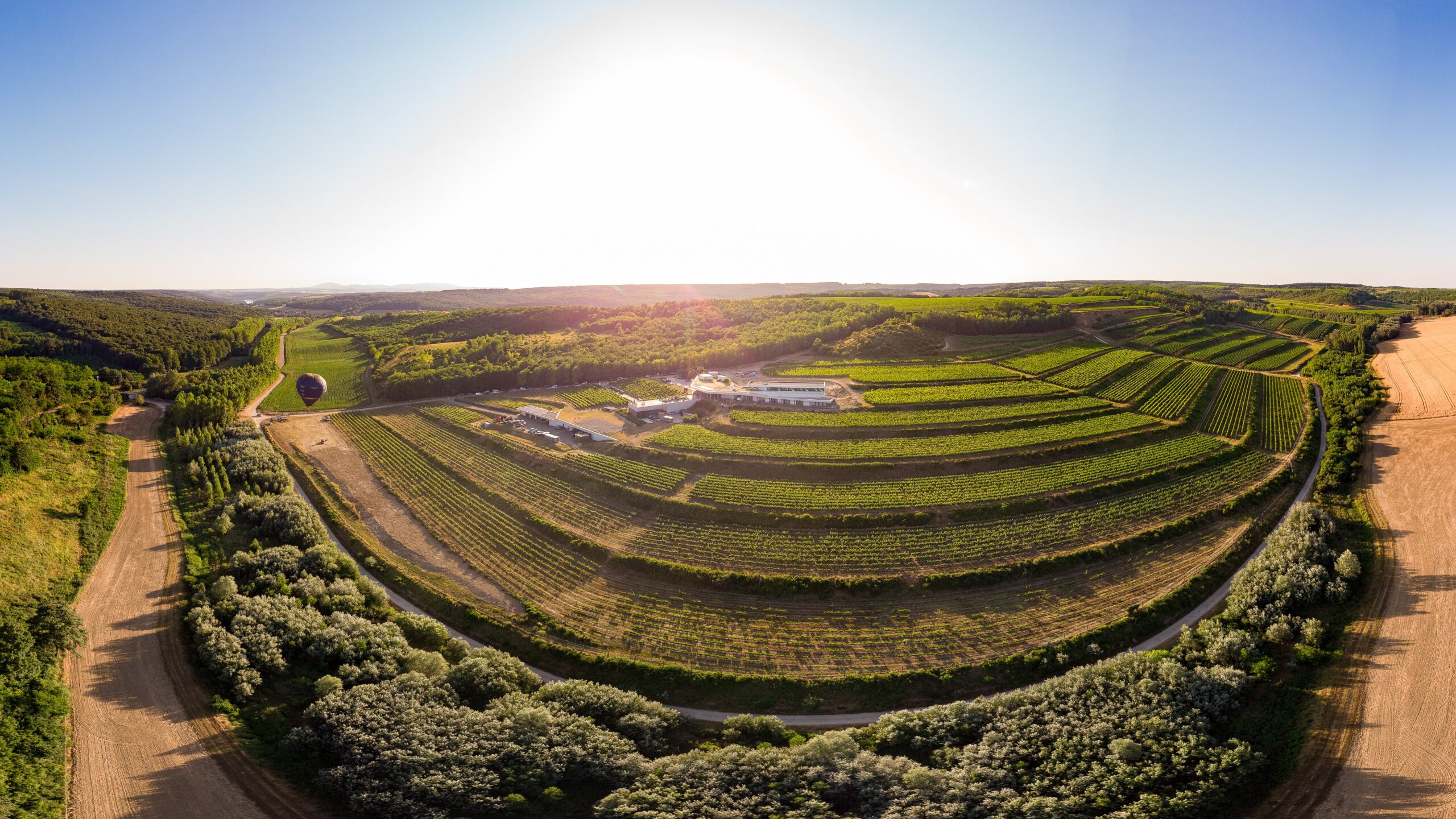
Takler presents as a terroir-first estate that trades on geological clarity and measured winemaking rather than showy extraction. Visitors can expect a cultivated, sophisticated atmosphere rooted in vineyard expression: wines that aim to let site speak, with an editorial emphasis on varietal identity and sourcing rather than heavy manipulation.
Best For
Takler is best suited to visitors interested in wine study and group exploration of Szekszárd’s terroir. Takler Winery sits within a cluster of family estates, and the Szekszárd appellation suits educational visits, trade tastings, or small group outings keen to compare Kadarka, Kékfrankos and regional Bordeaux-style reds. This is less a nightlife destination than a place for focused tasting, vineyard-context conversations and comparative regional study.
Tasting Tips
When choosing wines at Takler Winery, look to the regionally relevant red varieties: Kadarka, Kékfrankos and the Bordeaux varieties that thrive on Szőlőhegy’s loess and clay soils. The description foregrounds terroir and preservation of acidity, so prioritize wines described as site-driven or low-intervention.
Venue details
Ambiance
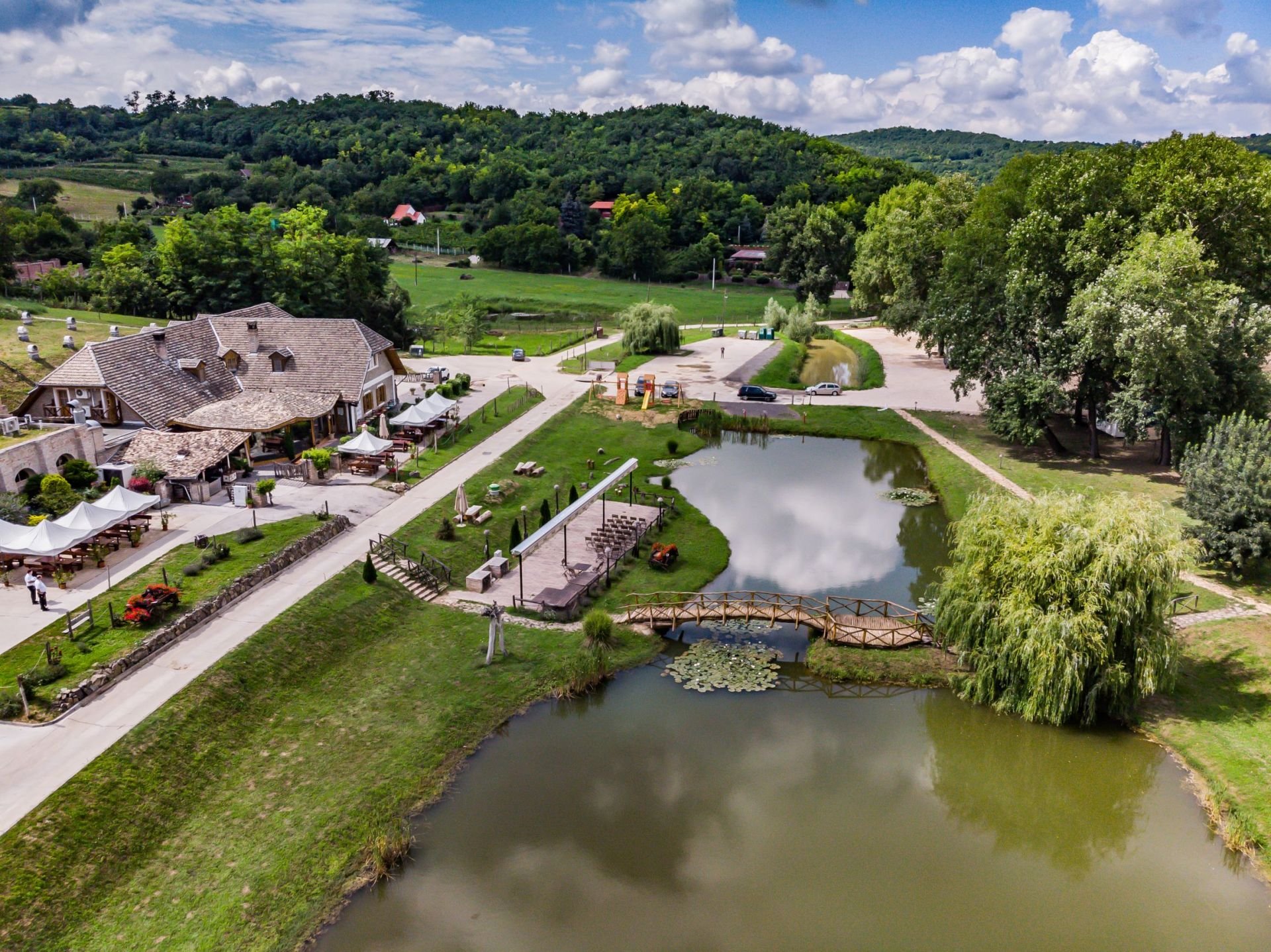
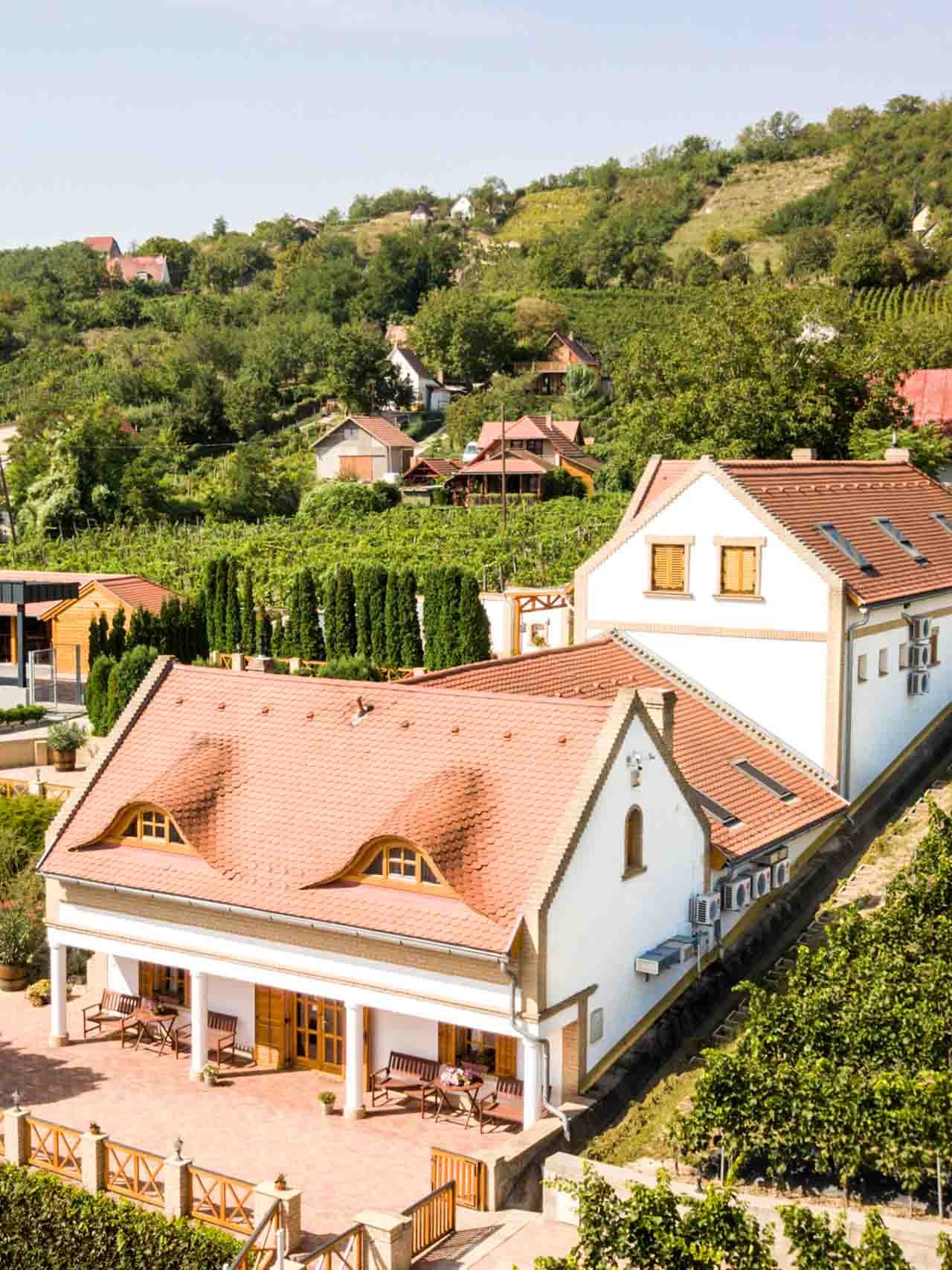
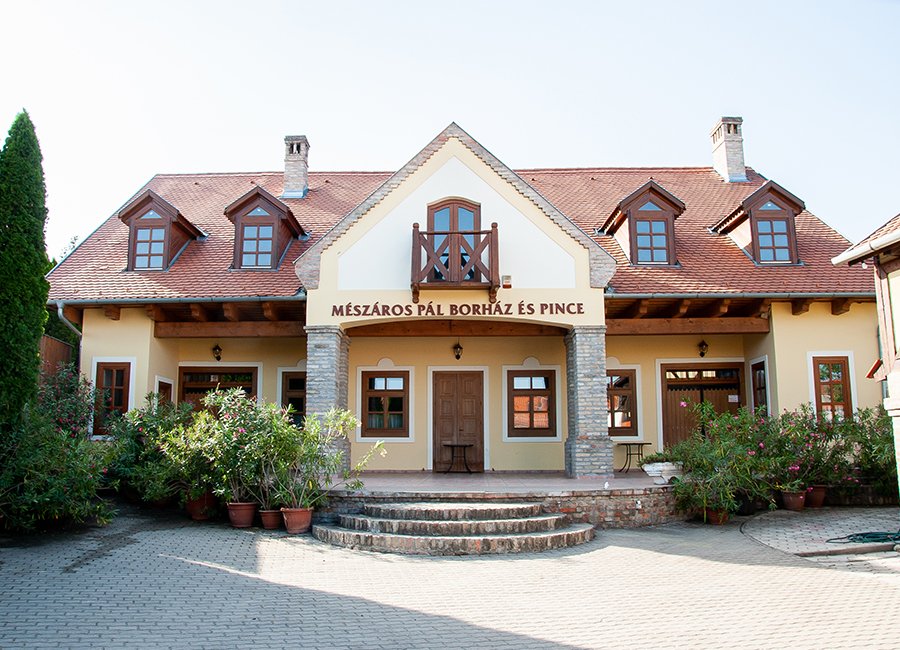
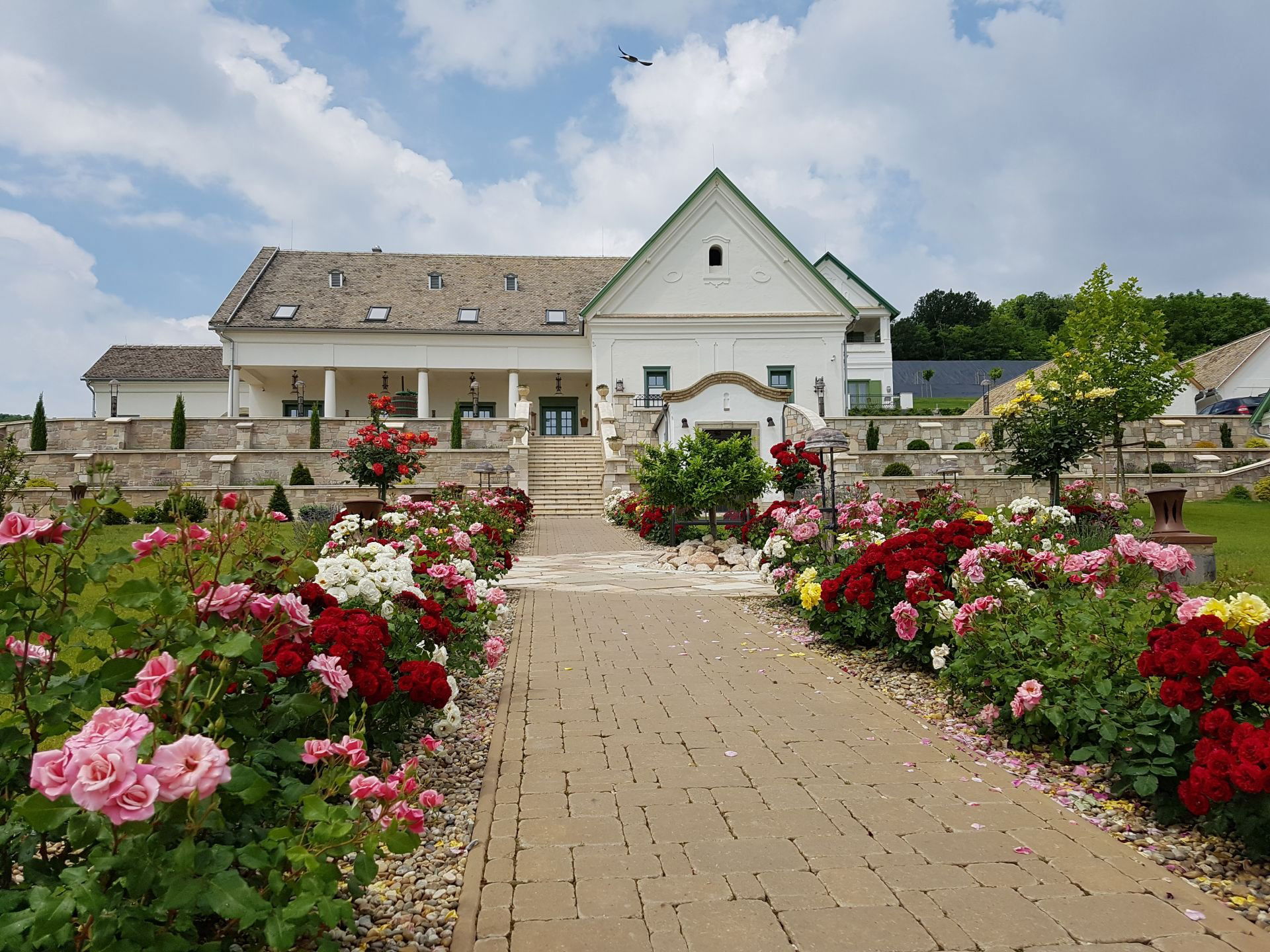
Elegant and welcoming atmosphere in a restored historic farmhouse turned modern winery estate.
Tags
Vibe
Best For
Experience
View
At the Vineyard
- Appellation
- Szekszárd
- Varietals
- Kékfrankos, Kadarka, Cabernet Franc, Merlot, Cabernet Sauvignon
- Tour Duration
- 60-90 minutes
- Tour Languages
- Hungarian, English
- Visits
- By reservation
- Wine Styles
- Still Red
- Wine Club
- Not available
Know before you go
Know Before You Go
- Getting there
- Decs, 7144 Decs, Szőlőhegy 1799 hrsz, 7100
Planning details
Location
Also consider
Also Consider
- Lajver Winery, Notable alternative
- Bodri Winery, Notable alternative
- Sebestyén Winery, Notable alternative
- Vida Wines, Notable alternative
- Heimann Winery, Notable alternative
Winery context
How it compares in Szekszárd
Takler Winery is the pick when scarcity and occasion value matter more than convenience. Against Lajver Winery and Bodri Winery, it reads as the more deliberate booking: better for a celebration or hosted tasting plan, less suited to a flexible, low-friction day.
If the group needs easier logistics, cross-shop Sebestyén Winery and Vida Wines before committing. They are the safer alternatives when published details, timing, or backup planning matter more than landing the hardest reservation.
Heimann Winery is the strongest comparison for readers who want a serious Szekszárd wine stop without making Takler the whole itinerary. Choose Takler for the higher-stakes appointment; choose Heimann if the day needs a slightly more balanced wine-route structure.
Explore Szekszárd
Around this place
Discover more on Pearl
Unlock the full Takler Winery guide in Pearl, including awards, comparisons, FAQs, planning details, and nearby places.
Compare Takler Winery
| Venue | Location | Awards |
|---|---|---|
| Takler Winery | Szekszárd | No published awards |
| Lajver Winery | Szekszárd | No published awards |
| Bodri Winery | Szekszárd | No published awards |
| Sebestyén Winery | Szekszárd | No published awards |
| Vida Wines | Szekszárd | No published awards |
| Heimann Winery | Szekszárd | No published awards |
How Takler Winery Szekszárd compares with similar nearby venues.
FAQ
Frequently Asked Questions
What is the dress code at Takler Winery?
The dress code for Takler Winery is casual.