Eszterbauer Winery
Szekszárd
Winery in Szekszárd, Hungary
 Book with Pearl
The Read
Szekszárd Red Wine Precision
Why go
Eszterbauer Winery is worth planning for if the goal is a focused Szekszárd wine stop rather than a dining-led estate visit. It is strongest as part of a producer-by-producer itinerary with Heimann, Vesztergombi, Mészáros Pál, Vida, or Sebestyén, especially for travelers who want regional context more than a full hospitality program.
About Eszterbauer Winery
Make this a planned Szekszárd stop rather than a spontaneous detour: the safer play is to confirm current visit details before building the rest of the day around it. For an explorer trying to understand winery options, Eszterbauer Winery is worth considering alongside a small set of comparable named producers.
A Szekszárd pick for depth over spectacle
The reason to prioritize this stop is context. Szekszárd rewards visitors who compare winery options within a clear plan. Here, the appeal is less about assuming a resort-style experience and more about using one stop to frame the category alongside Vesztergombi Winery, Mészáros Pál Winery, Heimann Winery, Vida Wines, and Sebestyén Winery.
Consider this if the goal is a focused winery visit in Szekszárd, especially as part of a tighter weekday itinerary. Practical details are straightforward: casual dress and weekday opening hours from 8 AM to 4 PM, with Saturday and Sunday closed.
How to use it in a Szekszárd wine day
The smart move is to pair this with one or two other producers rather than overloading the schedule. Heimann Winery is a useful cross-shop for visitors who want another benchmark, while Mészáros Pál Winery and Sebestyén Winery make sense for a more producer-by-producer comparison. Use Our full Szekszárd wineries guide to build the route, then keep meals and overnight logistics separate through Our full Szekszárd restaurants guide and Our full Szekszárd hotels guide.
For travelers extending beyond the wine stop, the practical add-ons are simple: check Our full Szekszárd bars guide for the evening and Our full Szekszárd experiences guide for non-wine time. Keep the day focused: Eszterbauer Winery fits best as part of a clear Szekszárd plan, not as an overpacked itinerary built on last-minute assumptions.
Planning details
- Location
- Szekszárd, Bor u. 8, 7100 Hungary
- Website
- eszterbauer-bor.hu
- Phone
- +36 74 312 848
The take
The Take
The Vibe
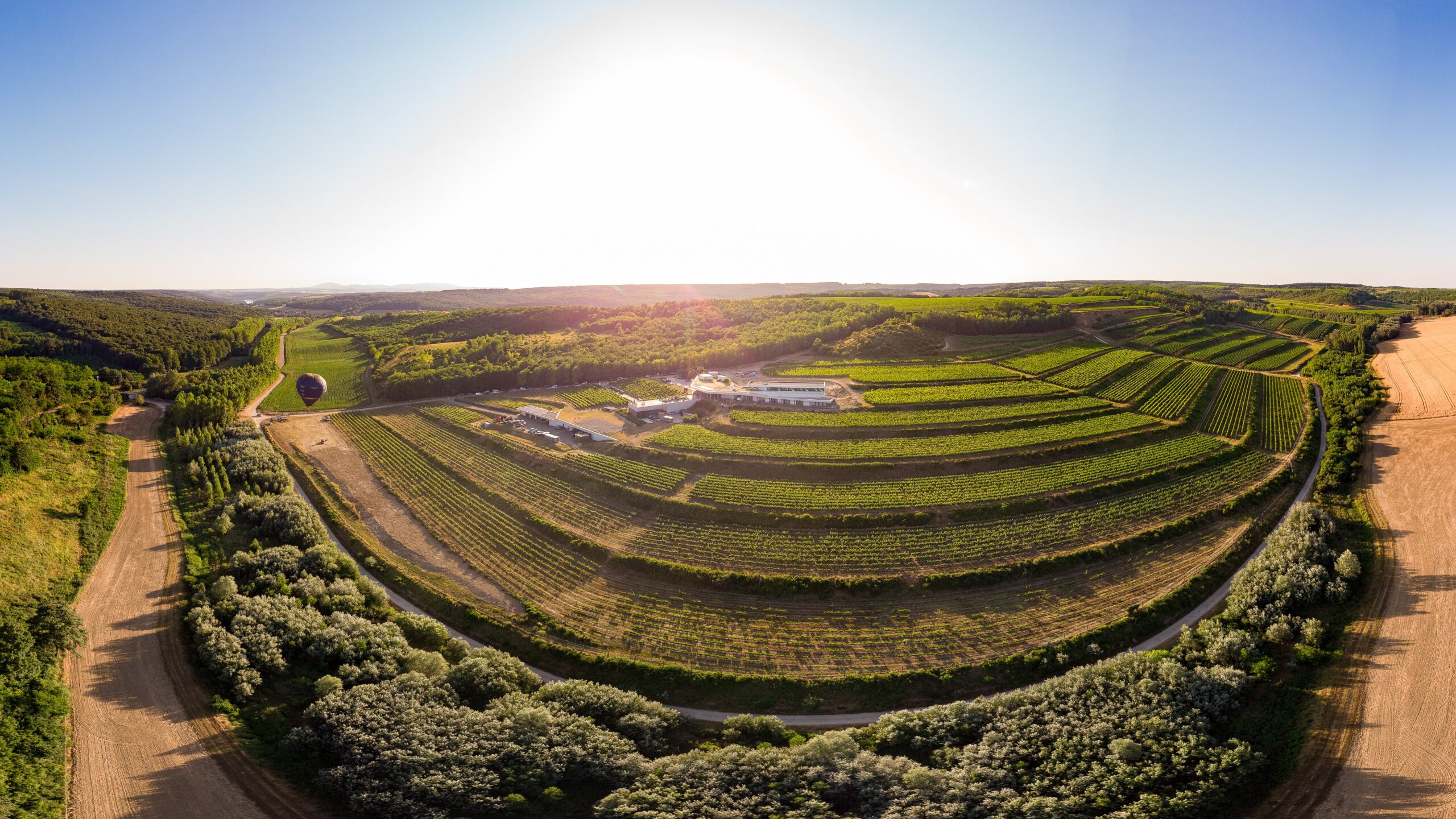
Eszterbauer Winery sits within Szekszárd's loess hills and presents a quietly weighty presence rooted in the region's long viticultural past. The estate is positioned as part of Szekszárd's post‑transition renaissance: producers rebuilding a clear local identity after decades of collectivisation. That lineage gives tastings here a historic seriousness: wines and winemaking that emphasize place and structure rather than flash.
Best For
Eszterbauer is best for visitors who want to understand Szekszárd's red‑wine identity and see how local soils and varieties translate into serious bottlings. Eszterbauer Winery suits people tracing Hungary’s quality wine story, including wine‑education-minded travelers, students of regional styles, and solo explorers who appreciate focused tastings and context. Enthusiasts interested in indigenous Kadarka and local expressions of Blaufränkisch will find the winery a coherent piece of the broader narrative about Hungary’s underexplored red potential.
Venue details
Ambiance
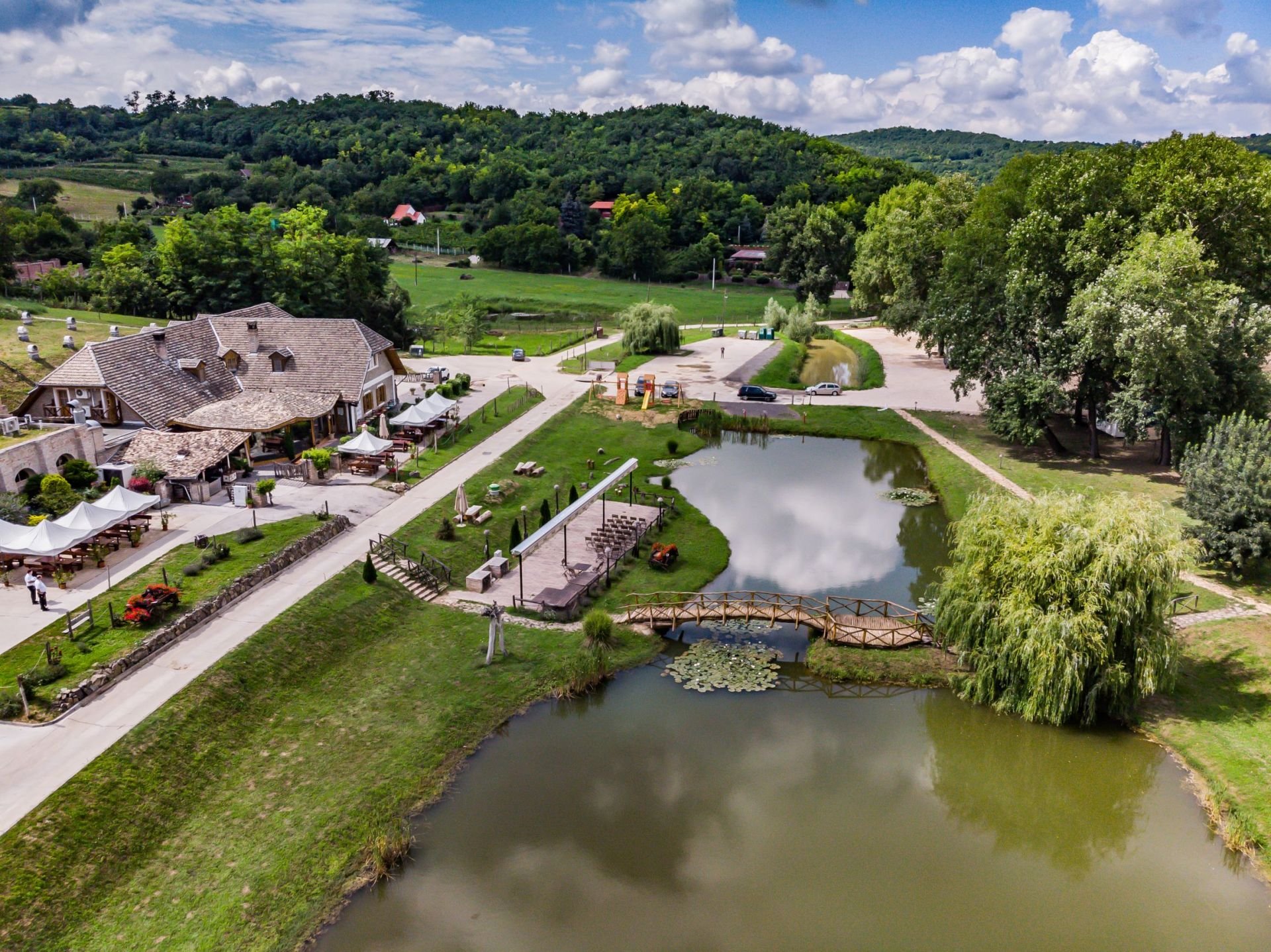
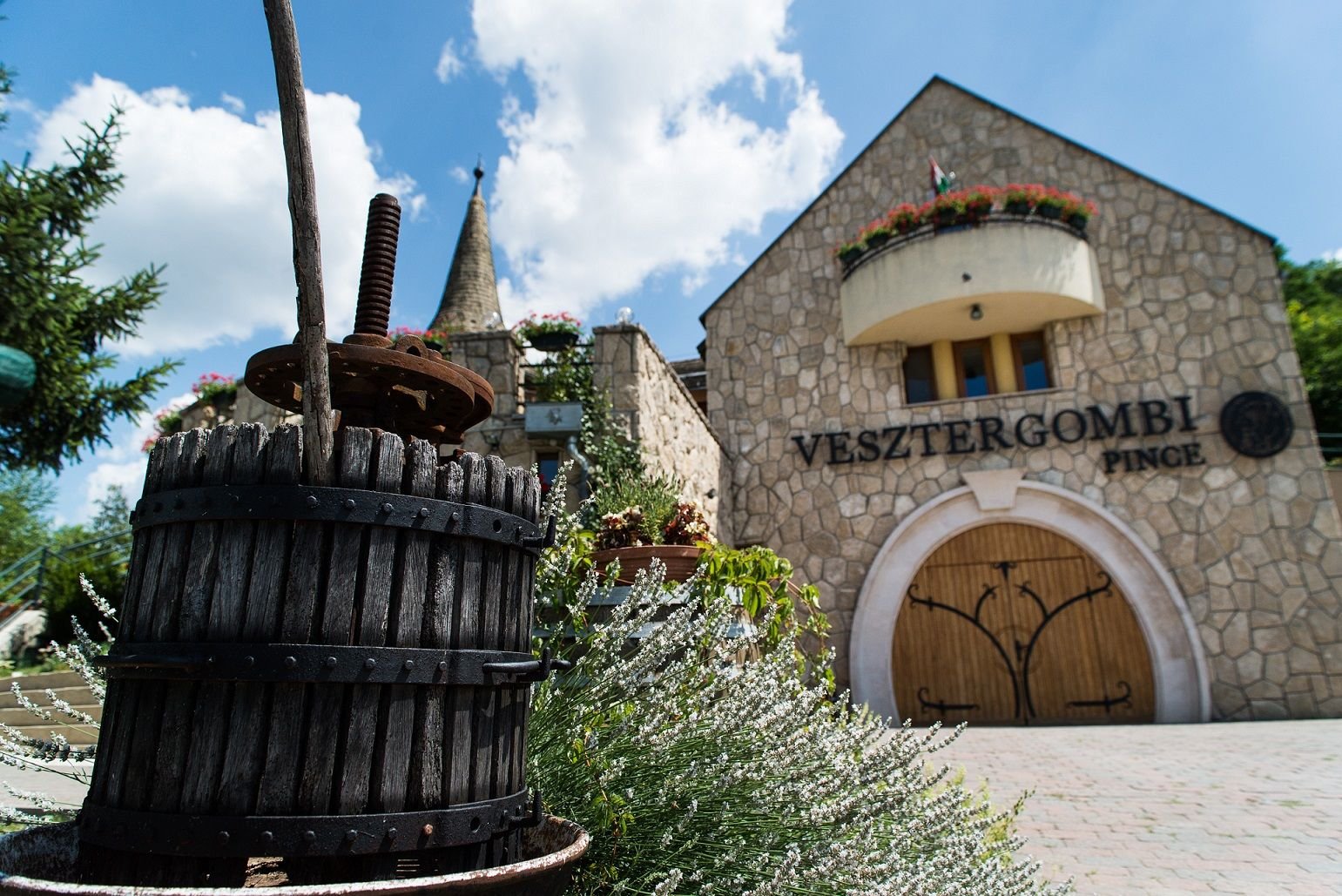
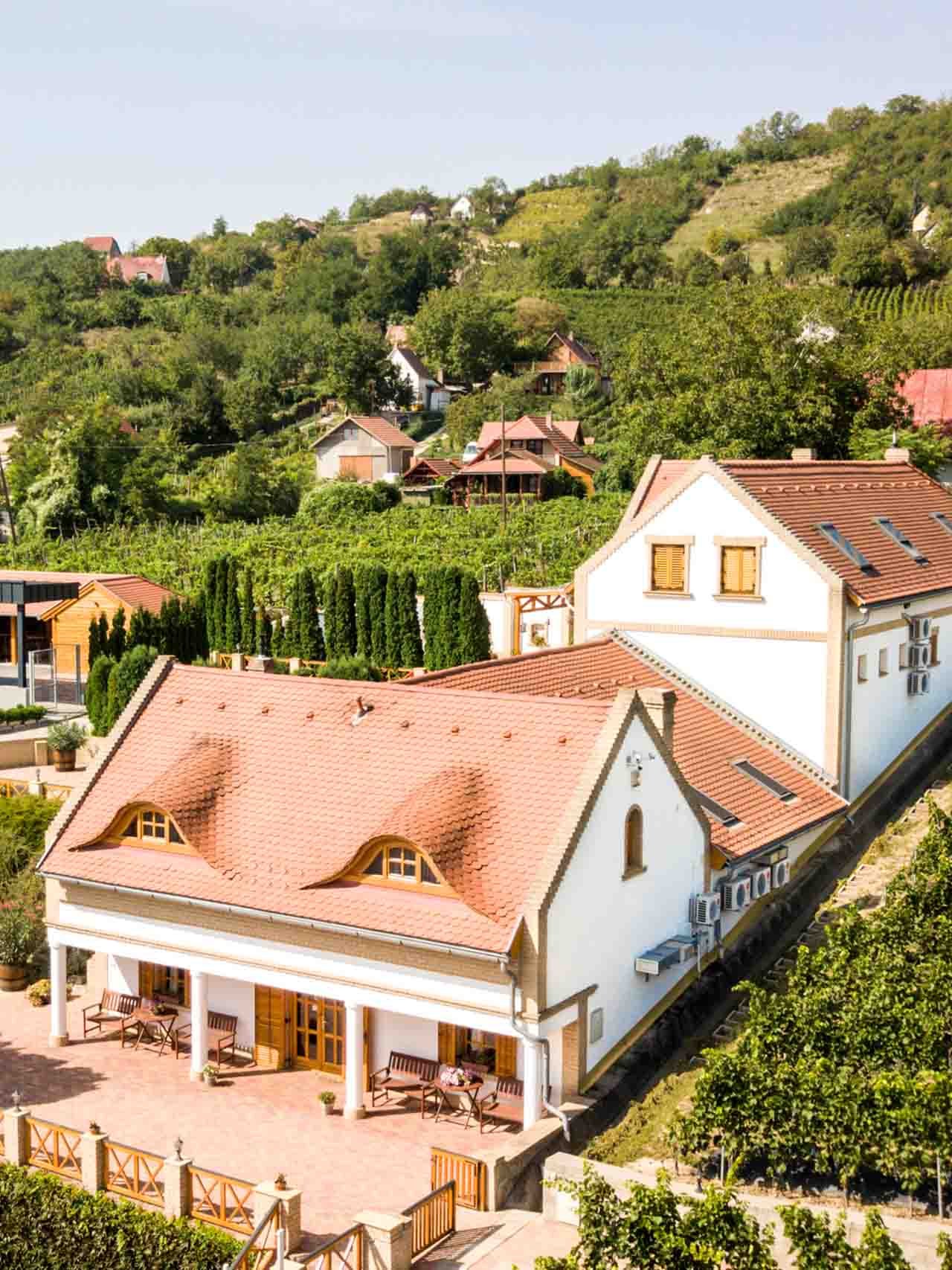
Rustic winery atmosphere amid loess and chalk vineyards with a focus on traditional Swabian-Hungarian heritage.
Tags
Vibe
Best For
Experience
Sourcing
View
At the Vineyard
- Appellation
- Szekszárd
- Varietals
- Kadarka, Kékfrankos, Merlot, Cabernet Sauvignon, Cabernet Franc
- Tour Duration
- 60-90 minutes
- Tour Languages
- Hungarian, English
- Visits
- By reservation
- Farming
- Organic
- Wine Styles
- Still Red
- Wine Club
- Not available
Know before you go
Know Before You Go
- Getting there
- Szekszárd, Bor u. 8, 7100 Hungary
Planning details
Location
Also consider
Where to go if this is not available
If Eszterbauer Winery does not fit the schedule, start with Heimann Winery for the broadest Szekszárd benchmark. For a more flexible second choice, check Mészáros Pál Winery or Sebestyén Winery.
Winery context
How It Compares
Against Vesztergombi Winery, Mészáros Pál Winery, Heimann Winery, Vida Wines, and Sebestyén Winery, Eszterbauer is the pick for visitors who want a compact Szekszárd stop with a serious producer lens. Eszterbauer is a useful second or third stop for comparison across Szekszárd producers.
For value, Mészáros Pál and Sebestyén are the safer alternatives if the priority is keeping the day flexible. Vida and Vesztergombi are cross-shops for ambiance-led visitors. If availability is tight, do not force the itinerary around one producer; Szekszárd is dense enough that a two-winery plan with Heimann plus one of Mészáros Pál, Vida, or Sebestyén will still give useful regional context.
Explore Szekszárd
Around this place
Discover more on Pearl
Unlock the full Eszterbauer Winery guide in Pearl, including awards, comparisons, FAQs, planning details, and nearby places.
Compare Eszterbauer Winery
| Venue | Location | Awards |
|---|---|---|
| Eszterbauer Winery | Szekszárd | No published awards |
| Vesztergombi Winery | Szekszárd | No published awards |
| Mészáros Pál Winery | Szekszárd | No published awards |
| Heimann Winery | Szekszárd | No published awards |
| Vida Wines | Szekszárd | No published awards |
| Sebestyén Winery | Szekszárd | No published awards |
How Eszterbauer Winery Szekszárd compares with similar nearby venues.
FAQ
Frequently Asked Questions
What other wineries should I compare with Eszterbauer Winery?
Consider Vesztergombi Winery, Mészáros Pál Winery, Heimann Winery, Vida Wines, and Sebestyén Winery when planning a broader winery comparison. Eszterbauer Winery fits that plan well because its hours are Monday to Friday from 8 AM to 4 PM.
Is the wine club at Eszterbauer Winery worth joining?
If the winery offers a club, judge it by the current terms provided directly by the venue rather than assuming benefits in advance, including pickup terms, allocations, or member pricing.
When is the best time to visit Eszterbauer Winery?
Go on a weekday, since Eszterbauer Winery is open Monday through Friday from 8 AM to 4 PM and closed Saturday and Sunday. Those hours make it easier to fit the stop into a structured Szekszárd itinerary.
Do I need a reservation at Eszterbauer Winery?
Plan ahead rather than assuming walk-in flexibility, especially if you are building a Szekszárd winery route.
How long should I plan for a visit to Eszterbauer Winery?
Leave enough time for a focused stop, then move on rather than trying to make this your whole day. With Monday to Friday hours of 8 AM to 4 PM, it fits cleanly into a weekday itinerary.