Becker Vineyards
Texas Hill Country, Stonewall
Winery in Stonewall, United States
 Book with Pearl
The Read
Appellation-Rooted Estate Winemaking
Why go
Becker Vineyards is the better choice for a slower, wine-led Stonewall itinerary rather than a quick tasting-room hop. Use it as the anchor winery for the day, then build meals and second stops around it; travelers focused on a full food-pairing experience should confirm the current offering before making it the whole plan.
About Becker Vineyards
For Becker Vineyards in Stonewall, the guide data is intentionally narrow, and that restraint matters for accurate planning. The venue is listed in Stonewall, has a casual dress code, and carries Pearl 2 Star Prestige recognition for 2025. Those are useful anchors, but they are not the same as a complete visit brief. That makes the safest planning approach a simple one: treat it as a Stonewall stop with confirmed recognition, while checking any operational details directly before building a full itinerary around it. In other words, the confirmed information is enough to place Becker Vineyards on a shortlist, but not enough to assume how a visit will unfold once you arrive.
Use the confirmed facts as the baseline, then confirm current logistics with the venue before you go. That extra step is especially important when you are coordinating timing, transportation, meals, or other plans around a single stop. A casual dress code gives you a helpful cue for how to dress, and the 2025 recognition gives you a reason to consider the venue seriously, but neither detail confirms the practical pieces that shape the day itself.
Choose it as a recognized Stonewall stop
The grounded case for Becker Vineyards is its Stonewall location, casual dress code, and Pearl 2 Star Prestige recognition for 2025. Those facts create a clear, limited profile: it is a recognized venue in Stonewall where casual attire is appropriate. If you are comparing other options, you can consider it alongside Grape Creek Vineyards, Hilmy Cellars, Inwood Estates Vineyards, Pedernales Cellars, or Signor Vineyards, while checking each venue's current details separately. That comparison should stay practical rather than assumptive, since this page does not verify which experiences, services, or arrangements are currently available at any given stop.
For the rest of a Stonewall plan, keep meals, lodging, and any other activities separate unless you have confirmed them directly. A better approach is to treat Becker Vineyards as one confirmed point in the plan, then build flexibility around it. If the visit is part of a larger route, leave room to adjust the order of stops after you have the timing and requirements directly. If the visit is the main purpose of the day, make the confirmation step part of the plan rather than an afterthought.
Go when the details are confirmed
The best planning advice is to verify current arrangements before visiting. Becker Vineyards is confirmed as a casual Stonewall venue with Pearl 2 Star Prestige recognition in 2025, but this page does not verify hours, appointment policies, food options, or other visit logistics. That distinction is the difference between a confident shortlist and a finished itinerary. Before you commit to a schedule, confirm the details that matter to your group, especially anything that would affect arrival time, expectations, or whether you need a backup plan. The goal is not to complicate the visit, but to keep the plan aligned with information that is current and directly.
Quick reference: choose Becker Vineyards as a recognized Stonewall venue, dress casually, and confirm current details directly before finalizing your plans. Keep the confirmed facts in view, avoid filling gaps with assumptions, and let direct confirmation shape the final version of the itinerary.
Planning details
- Location
- 464 Becker Farms Rd, Fredericksburg, TX 78624
- Website
- beckervineyards.com
- Phone
- +1 830-644-2681
The take
The Take
The Vibe
Becker Vineyards presents a quietly assured farmstead character rather than a newly staged tourism estate. The copy emphasizes working farmland and a property that predates the recent Hill Country visitor boom, so the impression is of an established producer rooted in its agricultural surroundings. Editorial focus lands on place and provenance—granite-and-limestone soils, continental temperature swings, and reliable sun hours—which frames the winery’s style as terroir-driven. The writing positions Becker alongside high-performing regional peers, underlining a competent, understated presence rather than flash—appealing to visitors who value authenticity and craft-focused winemaking.
Best For
This vineyard is best for visitors who want to understand Texas Hill Country in context—oenophiles, students of regional varietals, and those doing the Highway 290 wine circuit. The piece repeatedly frames Becker within a larger educational narrative about local soils and climate, and it compares the estate to peer producers in Stonewall, making it a good stop for structured tastings or repeat visits on a wine-focused outing. It also suits solo exploration by writers and sommeliers investigating Texas expressions of Tempranillo, Viognier, and Rhône-adjacent blends.
Tasting Tips
Seek wines that reflect the regional varieties called out in the copy—Tempranillo, Viognier, and Rhône-style blends—since the description highlights those grapes as specialties of the Hill Country. Pay attention to Becker’s higher-tier bottlings referenced indirectly by the mention of a 2025 Pearl 2 Star Prestige rating, which signals sustained quality across vintages. Given the farmsetting emphasis, plan a visit as part of a broader Highway 290 tasting route to compare Becker’s expressions with nearby Stonewall producers mentioned in the narrative.
Venue details
Ambiance
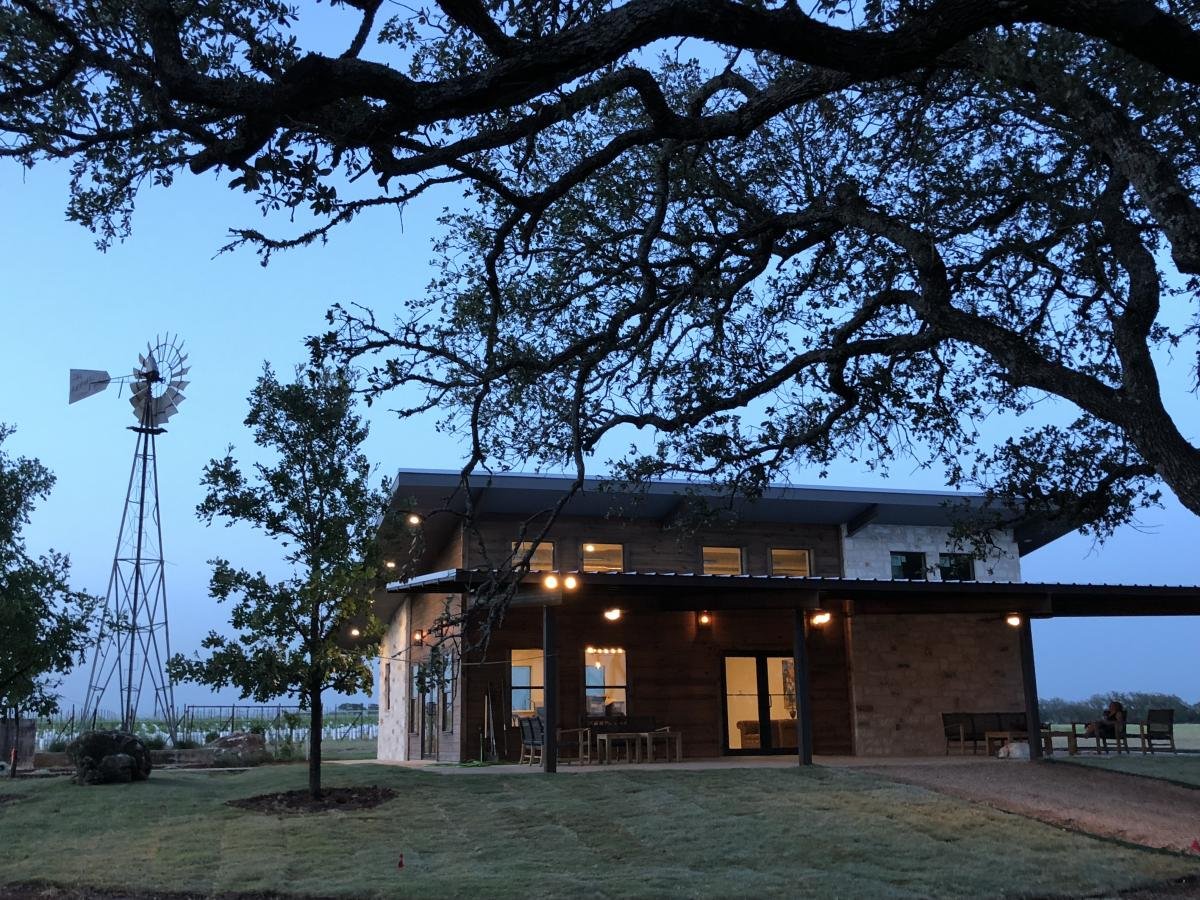
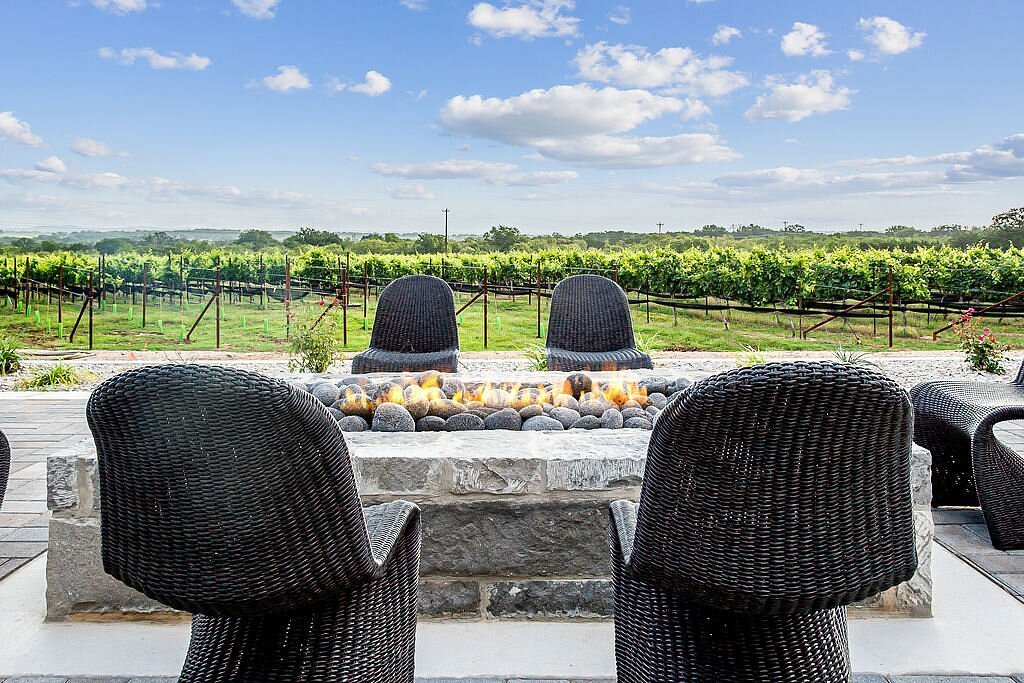
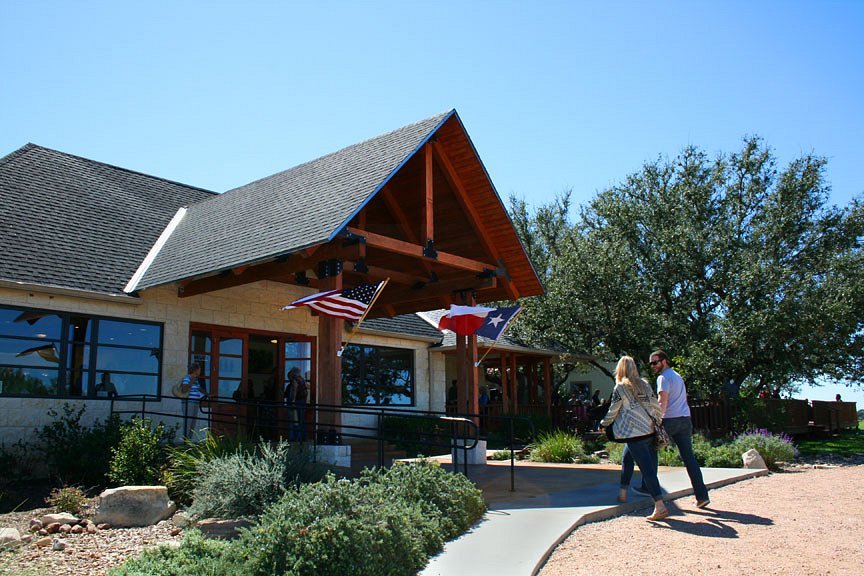
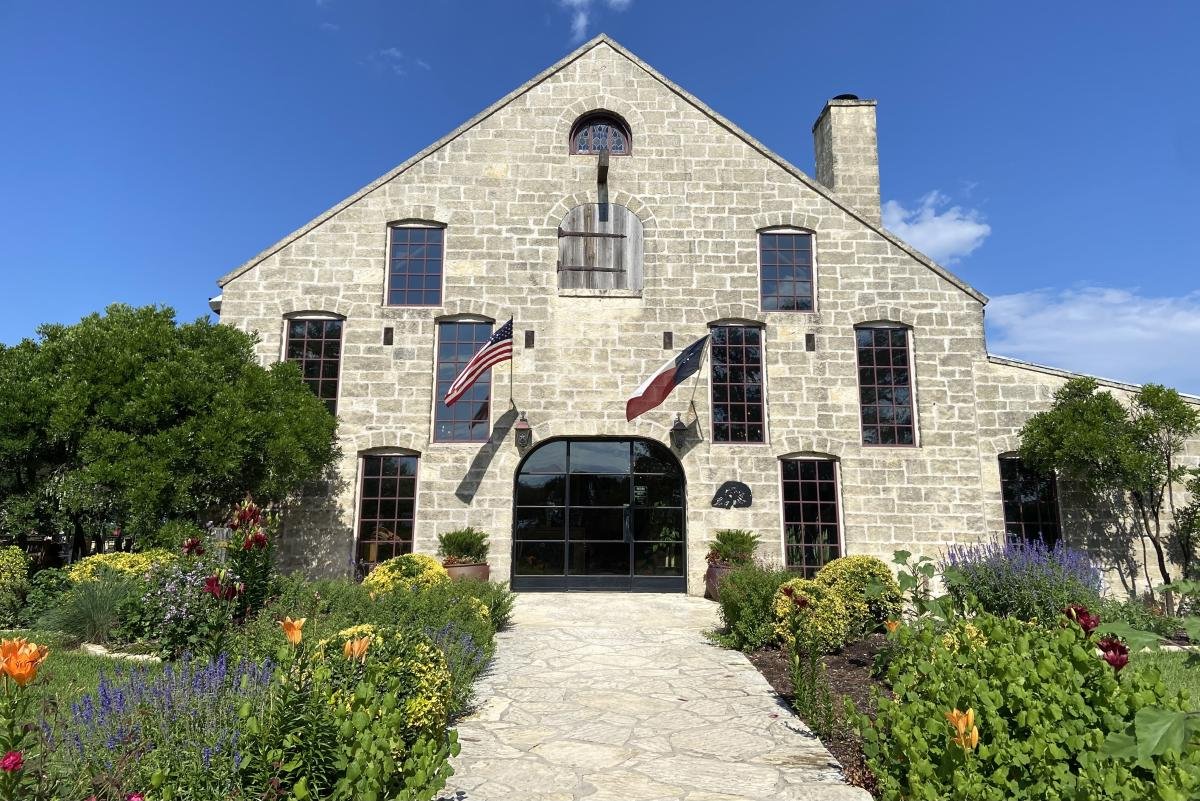
Intimate tasting room with wooden beams, high ceilings, wrought iron chandeliers, and scenic vineyard views, offering a pastoral and welcoming Texas Hill Country atmosphere.
Tags
Vibe
Best For
Experience
View
At the Vineyard
- Appellation
- Texas Hill Country AVA
- Varietals
- Tempranillo, Viognier, Cabernet Sauvignon, Merlot, Syrah
- Tour Duration
- 60-90 minutes
- Visits
- Walk-ins welcome
- Wine Styles
- Still Red, Still White, Still Rose
- Food Pairing
- Offered
- Shipping
- Available
- Wine Club
- Not available
Know before you go
Know Before You Go
- Getting there
- 464 Becker Farms Rd, Fredericksburg, TX 78624
Planning details
Location
Also consider
Where to go if this is full
Try Pedernales Cellars first if the goal is to stay in Stonewall and keep the day efficient. For a softer, ambiance-led alternative, Signor Vineyards is the better pivot.
Winery context
How Becker Vineyards compares in Stonewall
Choose Becker Vineyards when the priority is a more established-feeling Hill Country anchor and the day can absorb a harder-to-secure tasting plan. Grape Creek Vineyards is the better cross-shop for visitors who want a more polished, destination-style winery circuit, while Signor Vineyards is a stronger fit when ambiance and a leisurely garden-style stop matter more than a deep wine-first agenda.
For value and flexibility, Hilmy Cellars and Inwood Estates Vineyards are sensible alternatives if availability at Becker is tight or the group wants a lower-pressure tasting day. Pedernales Cellars is the closest peer to keep on the list for a Stonewall-focused itinerary, especially if the goal is to compare regional producers without spending the day in transit.
The practical call: make Becker the splurge-in-time stop, not the fallback. If the group is booking late or wants the easiest day, start with Hilmy or Pedernales; if the group wants a more polished wine-country outing, compare against Grape Creek and Signor before deciding.
Explore Stonewall
Around this place
Discover more on Pearl
Unlock the full Becker Vineyards guide in Pearl, including awards, comparisons, FAQs, planning details, and nearby places.
Compare Becker Vineyards
| Venue | Location | Awards |
|---|---|---|
| Becker Vineyards | Stonewall | No published awards |
| Grape Creek Vineyards | Fredericksburg | No published awards |
| Signor Vineyards | Fredericksburg | No published awards |
| Hilmy Cellars | Fredericksburg | No published awards |
| Inwood Estates Vineyards | Fredericksburg | No published awards |
| Pedernales Cellars | Stonewall | No published awards |
How Becker Vineyards Stonewall compares with similar nearby venues.
FAQ
Frequently Asked Questions
When is the best time to visit Becker Vineyards?
What is Becker Vineyards known for?
Becker Vineyards is a Stonewall venue with Pearl 2 Star Prestige recognition for 2025. The dress code is casual.
Where is Becker Vineyards located?
Becker Vineyards is located in Stonewall.
How can I contact Becker Vineyards?
Use the venue's official channels to confirm current information before visiting.