

Winery in Stirling, United Kingdom
Stirling Distillery
750Pearl PointsPractical Stirling Stop
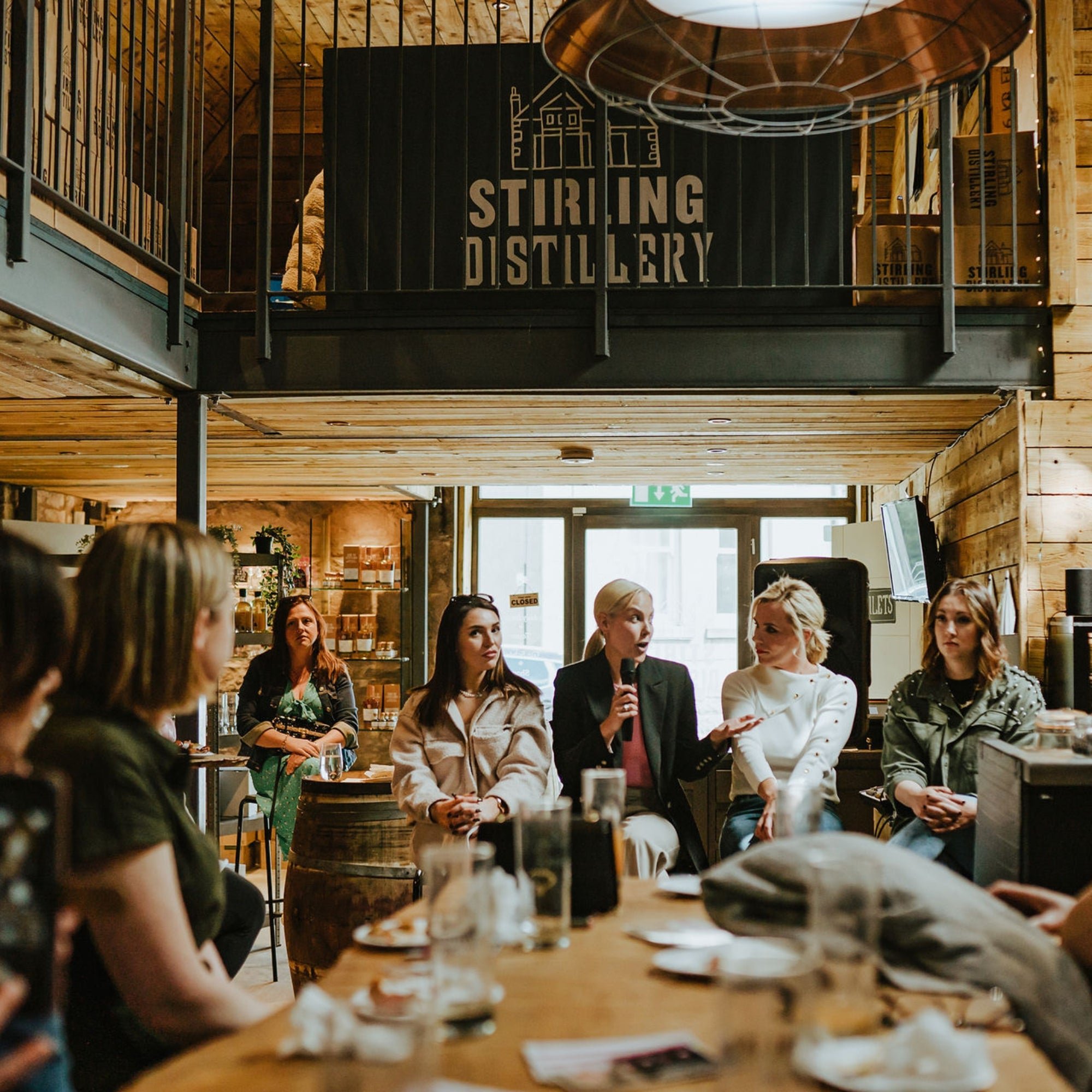
About Stirling Distillery
Stirling Distillery is the practical pick for a first-time spirits stop inside Stirling, especially if the day also includes the castle, dinner, or bars. It is more convenient than building a full day around Deanston, The Glenturret, or Auchentoshan Distillery, its Pearl 3 Star Prestige recognition gives it a clear quality signal.
Stirling Distillery is a Stirling venue with a casual dress code and Pearl 3 Star Prestige recognition for 2025. With only limited verified details available here, the safest way to frame it is as a Stirling-based venue to consider when it fits the wider plan, rather than making assumptions about menu, service format, timings, group capacity, or specific visit structure.
Use the confirmed facts as the anchor: the venue is in Stirling, the dress code is casual, it has Pearl 3 Star Prestige recognition for 2025. If you are comparing it with other distillery options, Deanston, Rosebank Distillery, Blackness Bay Distillery, The Glenturret, Auchentoshan Distillery are natural reference points, but each should be checked directly for current visit details before planning around them.
A Stirling venue with limited verified detail
Book or plan with realistic expectations. The verified information does not confirm food service, visit length, tasting format, group capacity, opening hours, prices, retail services, or membership details. For a broader day in Stirling, use general Stirling dining and experience research alongside direct checks with the venue.
If the trip is wider than Stirling, compare distillery options such as Auchentoshan Distillery alongside Deanston, Rosebank Distillery, Blackness Bay Distillery, The Glenturret. Check each venue directly before building a route around a specific service, tasting, or timetable.
Who should prioritise it
Prioritise Stirling Distillery if the group wants a casual Stirling venue with confirmed Pearl 3 Star Prestige recognition for 2025. If the plan depends on a particular tasting format, food offering, large-group setup, or detailed schedule, verify those points directly before committing. For lodging context before or after, use Our full Stirling hotels guide.
Quick reference: choose this for a casual Stirling venue with confirmed Pearl 3 Star Prestige recognition; compare other distilleries separately if the day depends on a specific format or itinerary.
Frequently Asked Questions
Where is Stirling Distillery?
Stirling Distillery is in Stirling. No more specific verified location detail is included here, so check directly with the venue before travelling.
Can Stirling Distillery handle large groups?
Verified group-capacity details are not available here. If you are planning for a group, contact Stirling Distillery directly before committing. For a broader distillery day, you can also compare Deanston, The Glenturret, Rosebank Distillery, checking each venue's current group policies directly.
Does Stirling Distillery serve food?
There is no verified food-service detail here. Do not assume a meal, snack menu, or dining format is available unless Stirling Distillery confirms it directly. If food is central to the plan, build in a separate Stirling dining option.
What is the dress code at Stirling Distillery?
The verified dress code for Stirling Distillery is casual. The confirmed details are that Stirling Distillery is in Stirling, has a casual dress code, holds Pearl 3 Star Prestige recognition for 2025.
When is the best time to visit Stirling Distillery?
Verified opening hours and visit timing details are not available here. Plan around the confirmed location in Stirling, then check directly with Stirling Distillery for current hours, booking requirements, the best time to visit.
How long should I plan for a visit to Stirling Distillery?
There is no verified visit-length detail here. Before building an itinerary around Stirling Distillery, confirm the current format and expected duration directly with the venue. If you are comparing a longer distillery-focused day, also check Auchentoshan Distillery or Deanston directly.
What other distilleries can I compare with Stirling Distillery?
Consider Deanston, Rosebank Distillery, Blackness Bay Distillery, The Glenturret, Auchentoshan Distillery as reference points, while confirming each venue's location, opening details, visit format directly.
Location
9 Lower Castlehill, Stirling FK8 1EN, UK
Stirling, United Kingdom
Compare Stirling Distillery
| Venue | Location | Awards |
|---|---|---|
| Stirling Distillery | Stirling | Pearl 3 Star Prestige (2025) |
| Deanston | Deanston | , |
| Rosebank Distillery | Falkirk | , |
| Blackness Bay Distillery | Blackness | , |
| The Glenturret | Crieff | , |
| Auchentoshan Distillery | Clydebank | , |
How Stirling Distillery compares with similar nearby venues.
If this is not the right fit
For a fuller destination-style distillery day, cross-shop Deanston or The Glenturret. For a Glasgow-side route, Auchentoshan Distillery is the cleaner alternative.
How it compares for a Stirling-based spirits day
Pick Stirling Distillery when convenience matters more than a destination distillery setting. Deanston and The Glenturret make more sense for travellers building the day around the distillery itself, while this is the easier fit for a city itinerary with restaurants, bars, or Stirling Castle nearby.
Rosebank Distillery and Blackness Bay Distillery are better cross-shops if the group is willing to leave the immediate Stirling plan for a broader Central Scotland route. For first-timers trying to avoid extra logistics, Stirling Distillery is the cleaner call.
Auchentoshan Distillery is the better choice for travellers already routing through the Glasgow side of the trip. If the base is Stirling, avoid overcomplicating the day unless the group specifically wants a multi-stop distillery itinerary.
Explore Stirling
Save or rate Stirling Distillery on Pearl
Keep this venue in your Pearl passport, rate it after you visit, and track it alongside every other place you collect.