

Winery in Stellenbosch, South Africa
Triple Three Estate Distillery
500Pearl PointsPrestige, Not Lunch
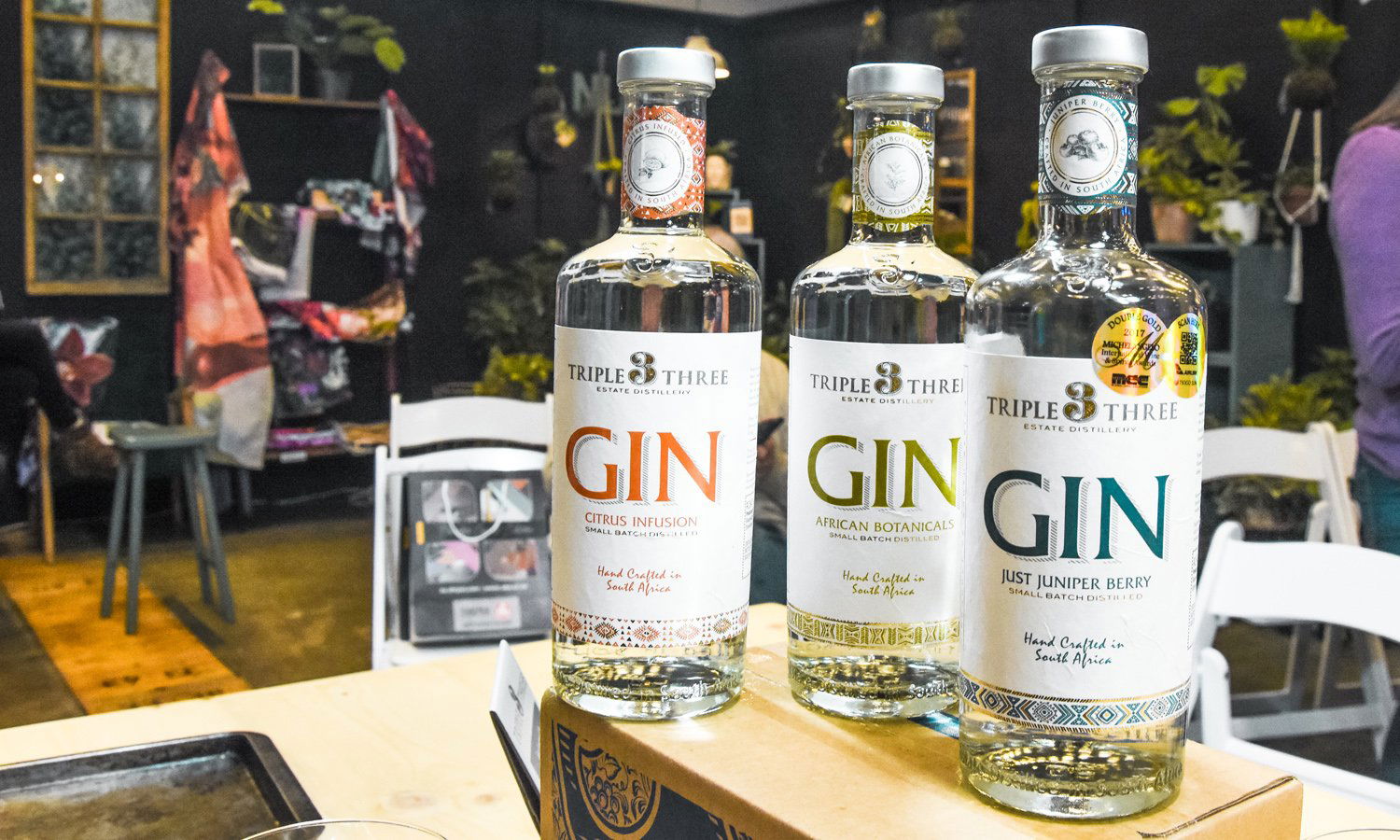
About Triple Three Estate Distillery
Book Triple Three Estate Distillery only if a focused, spirits-led Stellenbosch stop is the goal. It carries a Pearl 2 Star Prestige recognition for 2025, but food, pricing, tasting format should be checked before making it the centre of a celebration.
For a Stellenbosch visit, Triple Three Estate Distillery is best treated as a venue with limited verified public details rather than a page where food, hours, prices, or visit format can be assumed. The confirmed signals are simple: it is in Stellenbosch, the dress code is smart casual, it holds Pearl 2 Star Prestige (2025). Any specific claims about menus, dining, opening times, pricing, or tasting arrangements should be confirmed directly with the venue before you build a full itinerary around it.
The useful way to think about it is verification first. Because the verified data does not include cuisine, a menu, a service format, or hours, do not plan around those details unless the venue confirms them through its own channels. Triple Three Estate Distillery can still be considered as a specific Stellenbosch stop, but the surrounding plan should stay flexible.
Plan it as a focused stop, not a full meal
The food angle needs caution because no cuisine, menu, or dining format is listed. Treat any food component as something to verify before building the day around it. If a confirmed meal is central to the plan, compare the available details for Waterkloof Wine Estate, Vergelegen Wine Estate, or Lourensford Wine Estate before deciding which stop best fits the occasion.
Timing should be verified directly, because confirmed opening hours are not listed here. Keep the plan flexible and build the rest of the itinerary around confirmed details rather than assuming a long dining experience. Readers planning a wider route can use our full Stellenbosch wineries guide, then layer in our full Stellenbosch restaurants guide, our full Stellenbosch hotels guide, our full Stellenbosch bars guide, our full Stellenbosch experiences guide for the rest of the day.
Who should choose it over named estate options
Choose Triple Three Estate Distillery if the point is a Stellenbosch stop with a confirmed prestige marker and a smart-casual dress code. Choose Morgenster Estate, Vergelegen Wine Estate, or Lourensford Wine Estate if you are comparing it with named estate options; choose Still Oaky Distillery if the comparison you want is distillery-to-distillery.
For broader planning, keep the comparison set simple and verified: Lourensford Wine Estate, Morgenster Estate, Still Oaky Distillery, Vergelegen Wine Estate, Waterkloof Wine Estate are the relevant named alternatives to consider alongside Triple Three Estate Distillery. Other Stellenbosch dining, bars, hotels, experiences can fill out the itinerary once their own details are confirmed.
Frequently Asked Questions
Is there a confirmed flagship wine at Triple Three Estate Distillery?
No flagship wine is listed in the verified details, so do not plan this visit around a named bottle. The clearest verified trust signal here is Pearl 2 Star Prestige (2025), which confirms recognition for the venue rather than any specific wine claim. If you want to compare wine-estate options, consider Waterkloof Wine Estate or Vergelegen Wine Estate.
What other venues are relevant comparisons for Triple Three Estate Distillery?
Waterkloof Wine Estate, Morgenster Estate, Vergelegen Wine Estate, Lourensford Wine Estate are relevant named estate comparisons. Still Oaky Distillery is the relevant named distillery comparison. Triple Three Estate Distillery is in Stellenbosch, so it can be considered as part of a broader plan rather than as a confirmed single-destination meal.
When is the best time to visit Triple Three Estate Distillery?
Visit when your plan does not depend on unverified food, hours, or tasting details. Because confirmed hours are not listed here, you should verify timing before making it part of a packed Stellenbosch route. The confirmed dress code is smart casual.
Is there a confirmed wine club at Triple Three Estate Distillery?
No verified wine club details are listed here. Without confirmed membership terms, pricing, or a published program, it is hard to evaluate a club on speculation alone. If membership or cellar access matters to you, compare only the details each venue confirms directly.
How long should I plan for a visit to Triple Three Estate Distillery?
Plan for a focused visit rather than a half-day stay unless the venue confirms a longer format. With no verified cuisine, hours, or full dining format listed here, the safest approach is to fit it into a Stellenbosch route with flexible timing. If you want a longer stop, compare the confirmed details for Lourensford Wine Estate or other named alternatives before deciding.
Does Triple Three Estate Distillery serve food?
Do not assume a meal is part of the experience, because no cuisine or dining format is verified here. The clean read is a Stellenbosch venue with Pearl 2 Star Prestige (2025) as the main confirmed quality signal. If you need a confirmed meal, verify the details directly with the venue or compare other Stellenbosch options whose current food offering is clearly stated.
Location
9 Laker Street, Broadlands, Cape Town, 7140
Stellenbosch, South Africa
Compare Triple Three Estate Distillery
| Venue | Location | Awards |
|---|---|---|
| Triple Three Estate Distillery | Stellenbosch | Pearl 2 Star Prestige (2025) |
| Waterkloof Wine Estate | Somerset West | , |
| Morgenster Estate | Somerset West | , |
| Still Oaky Distillery | Strand (Cape Town) | , |
| Vergelegen Wine Estate | Somerset West | , |
| Lourensford Wine Estate | Somerset West | , |
How Triple Three Estate Distillery compares with similar nearby venues.
Where to look if this is not available
If the booking is not workable, choose Still Oaky Distillery for the closest distillery-style alternative. If the group needs a more complete wine-estate day with food as part of the plan, move to Waterkloof Wine Estate or Vergelegen Wine Estate.
How it compares in Stellenbosch
Waterkloof Wine Estate, Vergelegen Wine Estate, Lourensford Wine Estate are safer choices when the brief is a full wine-estate outing with a meal, a longer group itinerary, a classic Cape Winelands setting. Triple Three Estate Distillery is the sharper pick when the group wants a more focused distillery stop and is willing to plan around tougher availability.
Morgenster Estate is the better cross-shop for guests who want estate polish without making the day feel too narrow. Still Oaky Distillery is the more direct peer by category; choose it if the priority is distillery format first, choose Triple Three Estate Distillery if the prestige signal matters more for a celebration or business-hosting day.
On value, the decision comes down to certainty. Without a listed price or dining format, Triple Three Estate Distillery works better for guests comfortable confirming details before they commit. For a lower-risk group plan, Waterkloof Wine Estate or Vergelegen Wine Estate will usually be easier to explain to mixed guests because the wine-estate format is more familiar.
Save or rate Triple Three Estate Distillery on Pearl
Keep this venue in your Pearl passport, rate it after you visit, and track it alongside every other place you collect.