Ox-Eye Vineyards
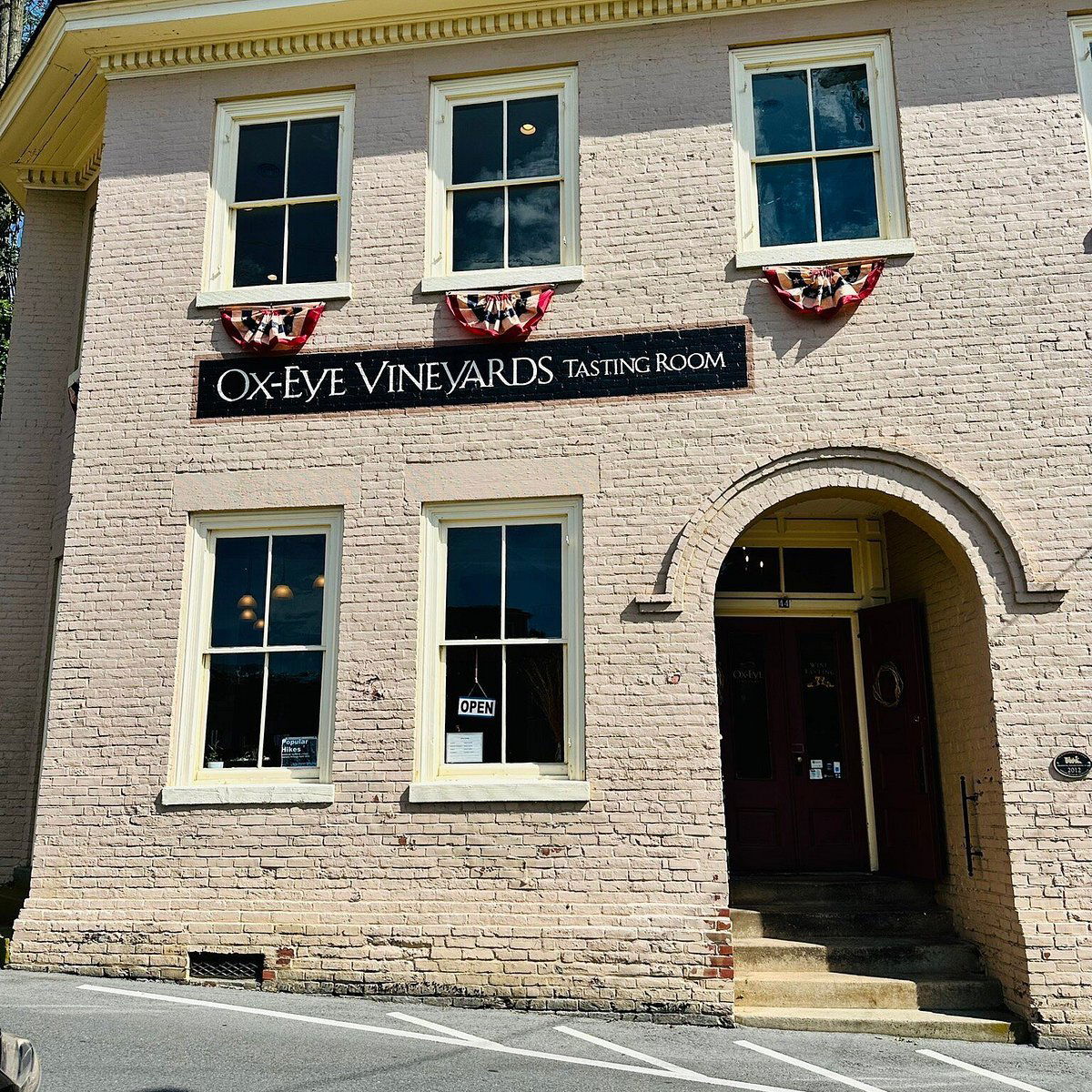
wharf district, Staunton
Winery in Staunton, United States
 Book with Pearl
The Read
Shenandoah Terroir Precision
Why go
Ox-Eye Vineyards is the practical Staunton choice when convenience matters more than a sweeping estate setting. Book it for a compact wine stop built around the city, not for a full rural vineyard afternoon; compare Barren Ridge, Afton Mountain, Veritas, Flying Fox, and Rockbridge if scenery or group space is the priority.
About Ox-Eye Vineyards
Ox-Eye Vineyards is a Staunton venue with a casual dress code and 2 Star Prestige recognition for 2025. Those are the key anchors for planning: the venue is associated with Staunton, the expected attire is casual, and Pearl recognizes it at the 2 Star Prestige level for 2025. Specific details about service format, setting, food, reservations, group capacity, pricing, hours, and amenities are not available, so plan with the venue's current official information before building an itinerary around it. That caution is especially useful if you are coordinating a timed stop, expecting a particular kind of experience, or trying to align the visit with meals, lodging, transportation, or other scheduled parts of a Staunton trip.
Choose it for a Staunton stop with confirmed basics
The clearest reason to keep Ox-Eye Vineyards on a Staunton plan is simple: it is a named Staunton option with a casual dress code and a 2 Star Prestige distinction in 2025. Those pieces of information give travelers a starting point, but they do not fully define the visit. A casual dress code suggests there is no need to plan around formal attire, while the 2 Star Prestige recognition identifies Ox-Eye Vineyards as a venue Pearl has distinguished for the year. Pair it with our full Staunton restaurants guide, our full Staunton hotels guide, or other Staunton planning resources if you are organizing the rest of a visit. Used that way, it can sit within a broader Staunton outline without forcing assumptions about what will happen once you arrive.
Because the record does not confirm food service, reservation requirements, hours, visit format, outdoor space, or group capacity, avoid assuming a particular style of visit. Do not build the stop around an expected meal unless current venue information supports that, and do not rely on assumptions about walk-in availability, hosted experiences, seating arrangements, or space for a group. Treat Ox-Eye Vineyards as a Staunton venue to verify directly rather than a place with confirmed meal, event, or large-group details. This is the kind of listing where the confirmed facts are useful, but the other details matter just as much for practical planning. A quick check with the venue's current official information can help determine whether it fits the pace, timing, and purpose of the day you are putting together.
Where it fits in a regional plan
Use Ox-Eye Vineyards as one Staunton option to compare with other regional names such as Afton Mountain Vineyards, Barren Ridge Vineyards, Flying Fox Vineyard, Rockbridge Vineyard & Brewery, and Veritas Vineyard & Winery. The point of that comparison is not to assume that these venues operate in the same way, but to give yourself a clearer planning frame when choosing among regional stops. If your day includes multiple stops, confirm current details directly with each venue before relying on a route or schedule. That means checking the information that can affect the shape of the outing: whether the venue is open when you want to go, whether any reservation or visit format applies, whether food or amenities are relevant to your plan, and whether the timing works alongside any other Staunton or regional commitments. With Ox-Eye Vineyards, the safest approach is to keep the confirmed basics in view, then let current official venue information determine how firmly it belongs in the final itinerary.
Planning details
- Location
- 44 Middlebrook Ave, Staunton, VA 24401
- Website
- oxeyevineyards.com
- Phone
- +1 540-849-7926
The take
The Take
The Vibe
Ox-Eye Vineyards feels like a terroir-first winery anchored in the scenic Shenandoah Valley. The copy leans into elevation, limestone and shale soils, and cool nights that preserve acidity—language that frames the place as contemplative and place-driven rather than trend-led. Accolades such as a Pearl 2 Star Prestige nod position the cellar as thoughtful and measured, appealing to visitors who care about provenance and structure. Expect open rural views of vines and surrounding ridgelines and an experience that privileges tasting and terroir over spectacle.
Best For
This is a winery ideally suited to people who come to learn: serious tasters, solo visitors and small groups focused on wine education. The text emphasizes cool-climate character, diurnal temperature swings and structural tension in the wines, signaling that Ox-Eye rewards attentive sampling and comparison to Old World benchmarks. It's a strong pick for anyone interested in regional viticulture, terroir discussions and producers that prioritize vineyard expression over high-yield commercial styles.
Tasting Tips
Ask to taste the wines that showcase the estate's cool-climate character and any bottles highlighted by the Pearl 2 Star Prestige recognition. Look for examples that emphasize acidity and structural tension rather than heavy extraction; staff conversation about elevation, soil and diurnal range will deepen your understanding. If available, prioritize single-vineyard or terroir-focused pours to see how limestone and shale influence the finished wines.
Venue details
Ambiance
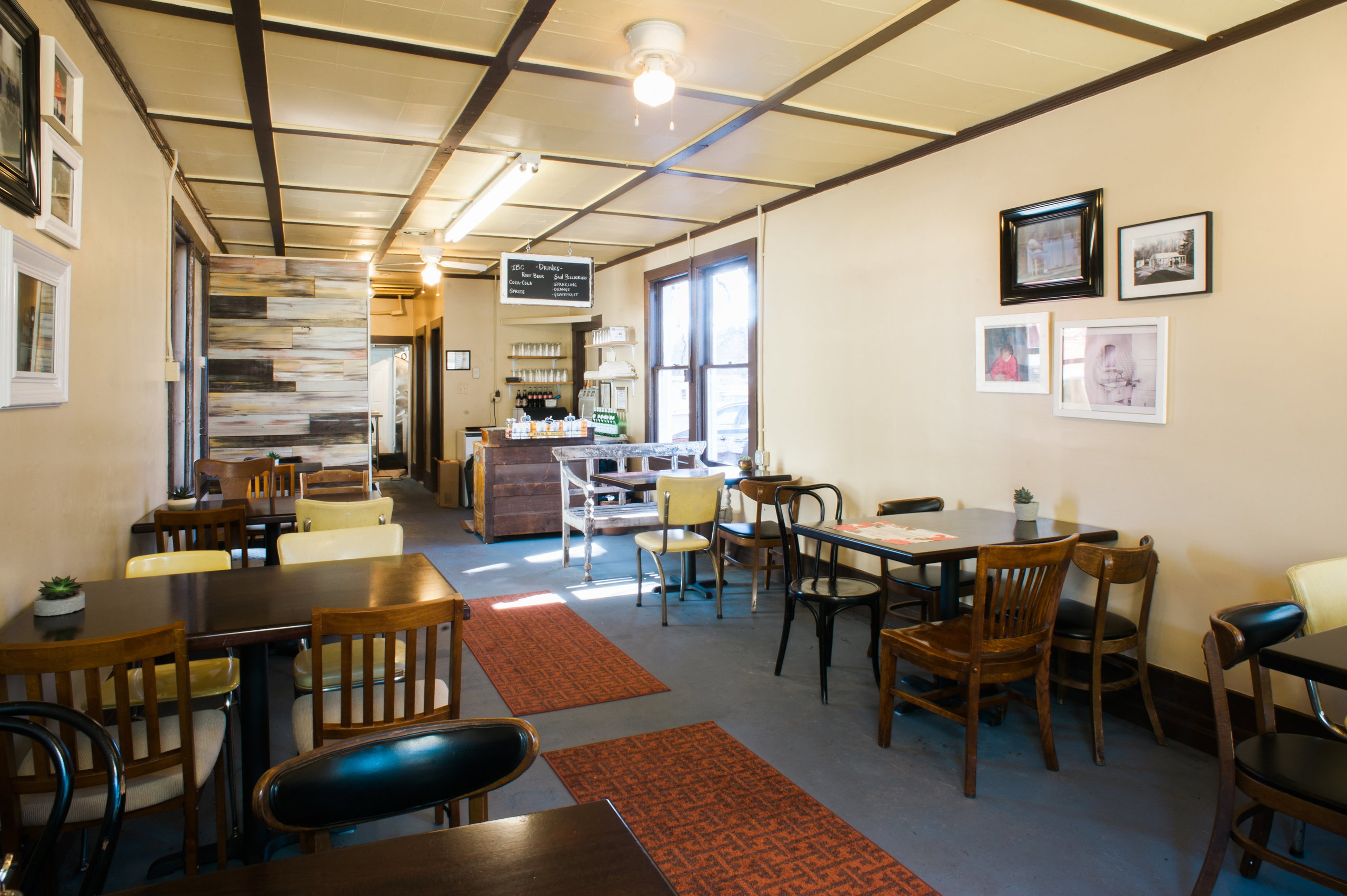
Cozy historic stone building with art gallery, leather chairs, and covered outdoor patio for relaxed sipping.
Tags
Vibe
Best For
Experience
At the Vineyard
- Appellation
- Shenandoah Valley
- Varietals
- Lemberger, Riesling, Chardonnay, Cabernet Franc, Traminette
- Wine Club
- Available
Know before you go
Know Before You Go
- Getting there
- 44 Middlebrook Ave, Staunton, VA 24401
Planning details
Location
Also consider
Also Consider
- Barren Ridge Vineyards, Notable alternative
- Afton Mountain Vineyards, Notable alternative
- Veritas Vineyard & Winery, Notable alternative
- Flying Fox Vineyard, Notable alternative
- Rockbridge Vineyard & Brewery, Notable alternative
Winery context
How Ox-Eye Vineyards compares in Staunton wine country
Barren Ridge Vineyards, Afton Mountain Vineyards, and Veritas Vineyard & Winery are better fits when the outing is built around a vineyard setting. Choose those for a slower afternoon, more breathing room, and a stronger sense of being outside the city. Ox-Eye Vineyards is the sharper pick when the plan is Staunton-first and wine needs to fit around restaurants, hotels, or bars rather than dominate the day.
Flying Fox Vineyard and Rockbridge Vineyard & Brewery make more sense for visitors who want a broader drinks stop or a more casual road-trip feel. Ox-Eye is more targeted: better for a compact tasting plan, less compelling if the group wants a long hangout with multiple setting changes.
On value, the choice comes down to what the setting is worth to you. If minimizing driving and keeping the day centered in Staunton has value, Ox-Eye earns its place. If the emotional payoff is vineyard scenery, cross-shop Barren Ridge, Afton Mountain, or Veritas before locking in the plan.
Explore Staunton
Around this place
Discover more on Pearl
Unlock the full Ox-Eye Vineyards guide in Pearl, including awards, comparisons, FAQs, planning details, and nearby places.
Compare Ox-Eye Vineyards
| Venue | Location | Awards |
|---|---|---|
| Ox-Eye Vineyards | Staunton | No published awards |
| Barren Ridge Vineyards | Fishersville | No published awards |
| Afton Mountain Vineyards | Afton | No published awards |
| Veritas Vineyard & Winery | Afton | No published awards |
| Flying Fox Vineyard | Afton | No published awards |
| Rockbridge Vineyard & Brewery | Raphine | No published awards |
How Ox-Eye Vineyards Staunton compares with similar nearby venues.
FAQ
Frequently Asked Questions
Do I need a reservation at Ox-Eye Vineyards?
Reservation requirements are not available. Ox-Eye Vineyards is in Staunton and has 2 Star Prestige recognition for 2025, so check the venue's current official channels before planning a visit.
Does Ox-Eye Vineyards serve food?
Food service details are not available. If a meal is important to your plan, verify directly with Ox-Eye Vineyards or use other Staunton dining options separately.
Can Ox-Eye Vineyards handle large groups?
Large-group capacity is not available. If you are planning for a group, contact Ox-Eye Vineyards directly before relying on it for that purpose.
What details should I verify before visiting Ox-Eye Vineyards?
Hours, reservations, amenities, pricing, and any current programs are not available. Review Ox-Eye Vineyards' official information before making plans around a Staunton visit.
What other venues can I compare with Ox-Eye Vineyards?
Barren Ridge Vineyards, Afton Mountain Vineyards, Veritas Vineyard & Winery, Flying Fox Vineyard, and Rockbridge Vineyard & Brewery are useful regional names to compare with Ox-Eye Vineyards when planning a trip.