
Winery in Stanz im Landeck, Austria
Grüneis Distillery
250ptsTyrolean Fruit Distillation
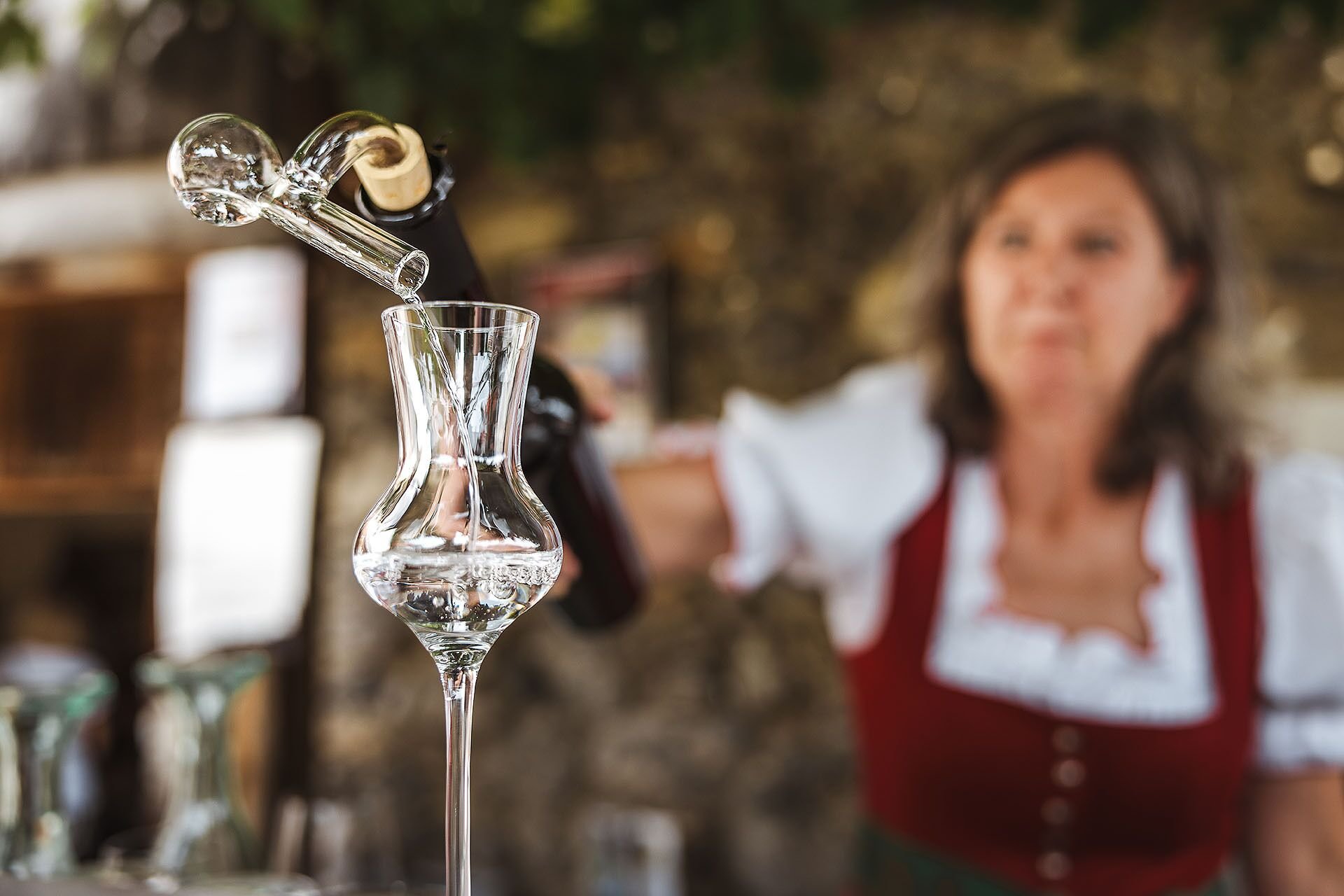
About Grüneis Distillery
Grüneis Distillery operates out of Stanz im Landeck in Austria's Tyrol region, earning a Pearl 1 Star Prestige award in 2025 that places it among the country's recognised craft spirits producers. The distillery sits within a cluster of small-batch operations in this alpine valley, where the tradition of fruit and grain distillation has deep local roots. For visitors interested in Austrian craft spirits beyond the better-known wine regions, Stanz offers a focused, production-led encounter.
Alpine Craft Distilling and the Stanz im Landeck Tradition
In the Inn Valley corridor of Tyrol, the village of Stanz im Landeck occupies a position that most spirits travellers pass through without stopping. That is changing. A small cluster of working distilleries has given the area a quiet but growing reputation among those who track Austrian craft production seriously, and Grüneis Distillery is part of the reason. The operation earned a Pearl 1 Star Prestige award in 2025, a recognition that places it within the upper tier of assessed Austrian producers and signals a level of craft that goes beyond local novelty.
The broader context matters here. Austrian distilling has historically lived in the shadow of the country's wine culture, with the Wachau, Burgenland, and Styrian wine estates drawing the majority of international attention. Producers like Weingut Emmerich Knoll in Dürnstein, Weingut Kracher in Illmitz, and Weingut Bründlmayer in Langenlois define the international picture of Austrian liquid culture, and rightly so. But the alpine distilling tradition is a parallel story, not a lesser one. Tyrol's fruit-forward schnapps and eau-de-vie production stretches back centuries, shaped by mountain orchards, cold-climate fermentation, and a farmhouse scale that was never industrialised in the way lowland spirits production was elsewhere in Europe.
Stanz im Landeck fits that pattern precisely. The area supports multiple small producers operating within the same tradition, including Brennerei Christoph Kössler and Brennerei Baumann, both of which operate within the same village radius. This density of producers in a small alpine settlement is not accidental. It reflects a district-level culture of distilling that treats spirits production as craft agriculture rather than hospitality theatre. Grüneis sits within that tradition and, on the evidence of its 2025 award, is executing at a level that warrants specific attention.
What a Visit to an Alpine Distillery Actually Looks Like
Austrian alpine distilleries at this scale operate differently from the glossy visitor centres that define Scottish single-malt tourism or the tasting-room circuits of Napa and Sonoma. The format here is closer to a working farm visit than a curated brand experience. Production is not paused for visitors; it continues around them. The stills, fermentation vessels, and raw materials are not behind glass. At small Tyrolean operations, the boundary between the production space and the tasting area is often a door, a corridor, or simply a shift in the floor surface.
This format rewards a particular kind of traveller: someone who wants to understand what they are tasting rather than simply consume it in pleasant surroundings. The spirits themselves, typically distilled from local stone fruit, Williams pears, apricots, or alpine berries, carry the character of their fermentation and the altitude of their source orchards in ways that are easier to read when you can see the equipment used to make them. Craft distilleries operating at this scale in Austria tend to run short distillation seasons tied to fruit harvest cycles, which means what is available to taste depends significantly on when you visit.
For the broader context of how Austrian craft spirits producers compare across regions, the contrast with lowland and Styrian operations is instructive. Weingut Scheiblhofer Distillery in Andau, for instance, operates within a winery framework in Burgenland, where the spirits program is part of a larger estate offer. Tyrolean producers like Grüneis operate without that hospitality scaffolding, which makes the visit more austere but also more direct. What you encounter is the production itself, not a branded interpretation of it.
Austrian Craft Spirits in 2025: Where Grüneis Fits
The Pearl 1 Star Prestige designation that Grüneis received in 2025 is not a minor credential. Within the EP Club assessment framework, it positions the distillery among producers whose output reaches a standard of craft that separates them from the broader field of small-batch Austrian schnapps producers. This matters because the Austrian alpine spirits market contains a wide range of quality, from mass-produced tourist schnapps to genuinely serious single-distillate productions that reward cellaring and close attention.
For comparison, the craft distilling space across Austria and beyond includes producers working at very different scales and with very different ambitions. 1310 Spirit of the Country Distillery in Sierning and 1404 Manufacturing Distillery in Sankt Peter-Freienstein represent Austrian producers with distinct regional identities, while 1516 Brewing Company Distillery in Vienna operates within an urban craft context that differs sharply from Tyrol's farm-scale tradition. Even internationally, the reference points vary: Aberlour in Aberlour represents a heritage single-malt tradition operating at substantial volume, while Accendo Cellars in St. Helena shows how prestige production can operate at tight allocation scale in a wine context.
Grüneis, in 2025, occupies a specific position in this field: an awarded alpine distillery with craft-scale production, operating in a village with at least two peer producers, and drawing recognition at the level that suggests the work is being done carefully rather than casually.
Wine-Region Producers and the Austrian Premium Tier
For visitors building a wider Austrian itinerary that moves between wine and spirits, the contrast between Tyrol's distilling tradition and Austria's established wine regions is worth planning around. The Styrian producers, including Weingut Wohlmuth in Kitzeck, operate in a wine-first framework where southern Austrian whites define the offer. Burgenland's estates, including Weingut Pittnauer in Gols and Weingut Heinrich Hartl in Oberwaltersdorf, bring a different thermal-lake-influenced character to their reds and sweet wines. These are not comparable to what Grüneis produces; they serve as evidence of how geographically varied Austria's premium producers are, and how a spirits-focused stop in Tyrol fits naturally within a country that rewards itinerary-building across its distinct producing regions.
Planning a Visit to Grüneis Distillery
Stanz im Landeck sits in the Inn Valley in Tyrol, accessible from Landeck, which is served by the main Innsbruck to Bregenz rail line. The village is small and the distillery operates at a working-production scale, which means visits require direct contact ahead of arrival. Specific opening hours, tasting formats, and booking policies are not published through standard channels, and visitors should contact the distillery directly to confirm what access is available and when. The seasonal nature of alpine fruit distilling means that visiting during or just after the autumn harvest period increases the likelihood of encountering freshly distilled or recently aged stock, though this varies by year and production cycle.
For a broader picture of what the Stanz im Landeck area offers across both spirits producers and any dining or accommodation options in the area, see our full Stanz im Landeck restaurants guide. The village is compact enough that combining a visit to Grüneis with time at Brennerei Christoph Kössler or Brennerei Baumann is direct as a half-day circuit.
Frequently Asked Questions
What do visitors recommend trying at Grüneis Distillery?
The Tyrolean distilling tradition centres on fruit-based spirits: stone fruit schnapps, Williams pear eau-de-vie, and alpine berry distillates are the regional specialities that small producers in this area focus on. Grüneis holds a Pearl 1 Star Prestige award (2025), which suggests the core production is being executed at a level worth seeking out. Without published tasting notes or menu data, the specific recommendation is to ask what is currently available from the most recent distillation season, as small alpine operations typically have limited bottlings that shift with each harvest cycle. The winemakers at the Austrian wine estates listed on EP Club offer a useful frame of reference for the country's broader premium-production culture, but for Tyrolean spirits specifically, the regional peer producers in Stanz itself provide the most relevant comparison.
What is the defining thing about Grüneis Distillery?
The combination of location and recognition defines the offer here. Stanz im Landeck is not a spirits tourism destination in the way that some Austrian wine regions have become, which means producers operating there are doing so on the basis of craft rather than footfall. A Pearl 1 Star Prestige award in 2025, applied to a small alpine distillery in a village of this size, signals a level of assessed quality that sets Grüneis apart from the broader field of regional schnapps producers. Pricing is not published, but operations of this scale and award level in Austria typically position themselves above commodity schnapps and below the prestige export tier.
Should I book Grüneis Distillery in advance?
Yes, and with more lead time than you might expect for a small producer. Alpine distilleries operating at this scale do not maintain walk-in tasting hours in the way that larger wine estate visitors centres do. If Grüneis offers any structured visit format, it will be by arrangement. No website or phone number is listed through standard directories, which reinforces that this is a production-first operation rather than a hospitality-first one. Contact through local Landeck tourism offices or through the distillery's direct channels is the approach most likely to result in a confirmed visit. Given the distillery's 2025 award recognition, demand from serious spirits travellers is likely to have increased, making advance planning more important than it might have been in previous seasons.
Related editorial
- Best Fine Dining Restaurants in ParisFrom three-Michelin-star icons to the next generation of Parisian chefs pushing boundaries, these are the restaurants that define fine dining in the world's culinary capital.
- Best Luxury Hotels in RomeFrom rooftop terraces overlooking ancient ruins to Michelin-starred hotel dining, these are the luxury hotels that make Rome unforgettable.
- Best Cocktail Bars in KyotoFrom sleek lounges to hidden speakeasies, Kyoto's cocktail scene blends Japanese precision with global influence in ways you won't find anywhere else.
Save or rate Grüneis Distillery on Pearl
Keep this venue in your Pearl passport, rate it after you visit, and track it alongside every other place you collect.