
Winery in St. Johann im Pongau, Austria
Hettegger Distillery
500ptsAlpine Farm Distilling
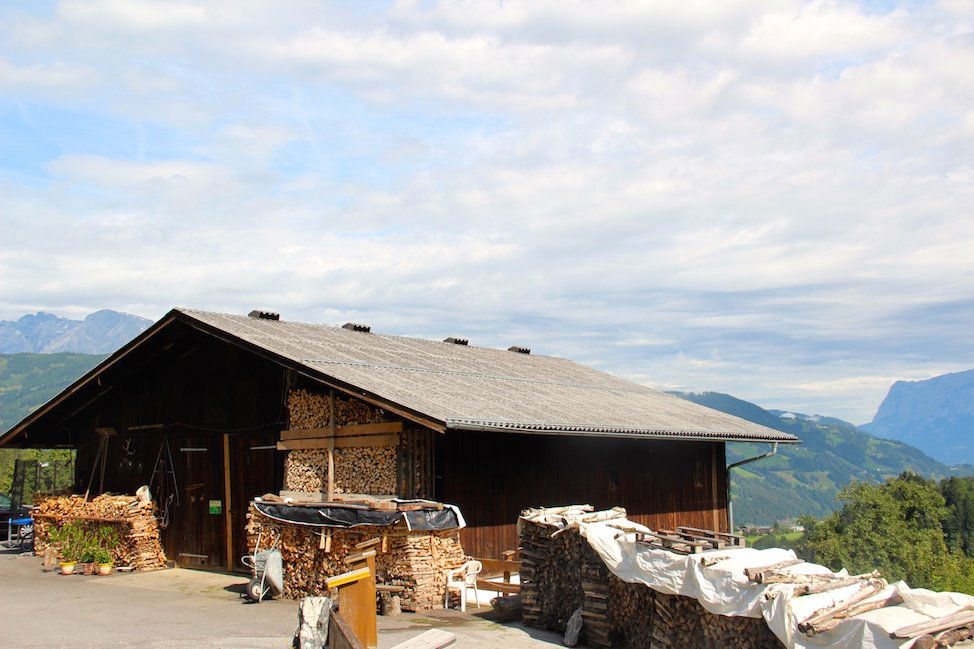
About Hettegger Distillery
Hettegger Distillery sits at Hedegghof in the alpine town of St. Johann im Pongau, a Salzburg-region producer that earned Pearl 2 Star Prestige recognition in 2025. The distillery operates where mountain terrain and climate shape what can be grown, harvested, and distilled, placing it within Austria's small but serious craft spirits tradition. A visit here is a direct encounter with high-altitude provenance.
Alpine Altitude as a Production Argument
Austria's craft distilling scene has split into two distinct tiers over the past decade. On one side sit the larger, export-facing operations concentrated in the eastern wine regions, where proximity to Viennese distribution networks and established grape supply chains have shaped a particular commercial logic. On the other side are the smaller, terrain-anchored producers working at altitude or in agricultural isolation, where the raw material dictates the method rather than the other way around. Hettegger Distillery, operating from the Hedegghof estate in St. Johann im Pongau, belongs firmly in the second group. For our full St. Johann im Pongau restaurants guide, this distillery represents the town's most formally recognized craft producer, holding Pearl 2 Star Prestige standing as of 2025.
St. Johann im Pongau sits in the Salzach valley within the Salzburg region, surrounded by the Hohe Tauern foothills and the dramatic peaks of the central Alps. The elevation here is not incidental to what gets made. Cold mountain air, pronounced diurnal temperature swings, and short but intense growing and harvest windows define the agricultural calendar in ways that lowland producers in the Weinviertel or Burgenland do not experience. Those climatic conditions press their signature into fruit and grain alike, and a distillery working with locally sourced raw material carries that signature directly into the still.
Where Pongau Terrain Meets the Still
The Pongau district is not a name that appears on Austrian wine maps the way Wachau, Kamptal, or Burgenland do. Those regions have built internationally recognized identities over decades, supported by structured appellations and the kind of critical attention that comes with export success. Producers like Weingut Emmerich Knoll in Dürnstein and Weingut Bründlmayer in Langenlois operate inside that established critical framework, where soil classifications and varietal benchmarks are well understood by buyers and critics alike. Pongau distillers work without that scaffolding. The provenance argument has to be made through the product itself.
That is precisely where Pearl 2 Star Prestige recognition carries weight. Austria's Pearl system evaluates producers across a spectrum that rewards consistency, typicity, and production integrity rather than output scale. A 2 Star Prestige rating in 2025 places Hettegger within the upper segment of recognized producers in Austria's artisan spirits category, a bracket that is harder to enter from a remote alpine location than from an established wine district where infrastructure and critical attention are already concentrated.
For comparison, the eastern Austrian producers that have built stronger international profiles, from Weingut Kracher in Illmitz to Weingut Pittnauer in Gols, operate in climatic and market conditions that generate a different production logic. The Pannonian heat of Burgenland, the loess-and-primary-rock soils of the Wachau, the granite slopes of southern Styria explored by Weingut Wohlmuth in Kitzeck: each is a specific terroir argument. Hettegger's argument is alpine, and in Austria's broader drinks geography, that remains a genuinely distinct register.
The Distilling Tradition in Austria's Mountain Regions
Austria has a long-standing culture of farm distilling that predates the current craft spirits moment by several centuries. The Abfindungsbrennerei system, a licensed small-batch farm distillery framework still active today, allowed agricultural households to convert surplus fruit into distilled spirits as part of seasonal production cycles. That tradition runs deepest in the alpine and pre-alpine regions of Salzburg, Tyrol, and Styria, where fruit orchards in valley floors have historically supplied the raw material for Obstbrand and Schnaps production. Abfindungsbrennerei Franz in Leithaprodersdorf operates within that same framework, and the category as a whole represents a distinctly Austrian approach to small-volume, terroir-oriented distilling that has no direct equivalent in most other European countries.
What separates the upper tier of this tradition from ordinary farm production is discipline at the still and a conscious engagement with raw material quality. The recent emergence of more formally recognized producers within the alpine category, earning structured awards rather than simply regional goodwill, reflects a maturing of what had previously been an informal, largely domestic sector. Hettegger's 2025 Pearl 2 Star Prestige placement is part of that wider story: alpine distilling in Austria is being subjected to the same critical scrutiny that has shaped the wine regions, and the producers capable of meeting that standard are beginning to receive the kind of documentation that makes comparison across regions possible.
Austria's newer wave of craft distillers, represented by operations like 1310 Spirit of the Country Distillery in Sierning, A. Batch Distillery in Bergheim, and 1404 Manufacturing Distillery in Sankt Peter-Freienstein, tends to operate with a more deliberate positioning strategy, using their geographic specificity as a market differentiator. Hettegger fits that pattern, with an alpine address that carries its own communicative force for buyers who understand what high-altitude fruit production means for aroma profile and acidity in the final spirit.
Visiting Hettegger: What the Location Implies
The Hedegghof address in St. Johann im Pongau places Hettegger on a working agricultural estate rather than in a retail or hospitality district. Visitors arriving here are not encountering a purpose-built tasting room designed for tourist throughput. The experience at this category of Austrian alpine producer is typically characterized by directness: the production environment is the context, and the tasting, if offered, happens in proximity to where the work takes place. That register is different from the polished visitor experience offered by major wine estates in the Wachau or by urban distilleries like 1516 Brewing Company Distillery in Vienna.
For the traveler planning a visit, St. Johann im Pongau is accessible via the main Salzburg-Villach rail corridor, making it reachable without a car from Salzburg city in under an hour. The town itself is primarily known as a ski resort hub in winter, with the Salzburger Sportwelt ski area drawing significant seasonal traffic. Visiting the distillery in the off-season months, when agricultural estates in the region operate at a slower tempo, often provides a more considered encounter with the production side of the operation. Contact details for Hettegger are not publicly listed in current records, so advance coordination through local tourism networks in St. Johann im Pongau is the practical approach for planning a visit. Weingut Scheiblhofer Distillery in Andau and Aberlour both illustrate how distillery estates across different national contexts have managed visitor programming as a parallel channel to production; the model for alpine Austrian producers is less formalized but no less genuine.
The Competitive Position
Within Austria's awarded distillery sector, a Pearl 2 Star Prestige rating places Hettegger in a recognized but not yet widely profiled peer group. The producers that have achieved stronger international visibility, including those operating in eastern Austria's wine corridors where Weingut Heinrich Hartl in Oberwaltersdorf represents the kind of estate that combines winemaking and distilling credibility, tend to benefit from proximity to Vienna's trade networks. Hettegger's position is geographically peripheral to those networks, which makes the 2025 award recognition all the more significant as a signal that evaluation criteria are being applied consistently across the country's diverse production regions, not simply concentrated in the better-known appellations.
For the category of visitor who travels specifically to encounter producers operating outside the established circuits, St. Johann im Pongau and the Hedegghof estate represent the kind of address that formal recognition helps locate and justify. The alpine terroir argument is not abstract here. It is the specific altitude, climate, and agricultural context of the Salzburg region expressed through a distilling practice serious enough to earn structured external assessment. That combination is what places Hettegger on a considered itinerary rather than a casual one. Accendo Cellars in St. Helena operates at the other end of the prestige spectrum in Napa, but the logic of place-as-product is the same: the geography is the argument, and the award is the evidence that the argument is being made with sufficient conviction to warrant attention from outside.
Frequently Asked Questions
- What should I expect atmosphere-wise at Hettegger Distillery?
- Hettegger operates from a working agricultural estate at Hedegghof in St. Johann im Pongau, a setting that reflects the Salzburg region's alpine farming tradition rather than a designed visitor experience. The atmosphere is shaped by the production environment itself. The distillery holds Pearl 2 Star Prestige recognition in 2025, which signals a producer operating at a serious level, but pricing and formal visitor amenities are not publicly documented in current records.
- What spirits should I try at Hettegger Distillery?
- Specific products, winemakers, and wine regions are not listed in current records for Hettegger. As an alpine Salzburg-region distillery earning Pearl 2 Star Prestige recognition in 2025, the production almost certainly draws on the fruit-distilling tradition strong in Austria's mountain regions, but confirmed product details should be sought directly from the estate or through local St. Johann im Pongau tourism contacts.
- What is the standout thing about Hettegger Distillery?
- The combination of high-altitude alpine location in the Pongau district of Salzburg and Pearl 2 Star Prestige recognition in 2025 places Hettegger in a small group of formally evaluated producers working outside Austria's main eastern wine and spirits corridors. For visitors, that geographic distinction and the award credential are the clearest signals of what makes this estate worth a specific detour from St. Johann im Pongau's more mainstream ski resort programming.
Related editorial
- Best Fine Dining Restaurants in ParisFrom three-Michelin-star icons to the next generation of Parisian chefs pushing boundaries, these are the restaurants that define fine dining in the world's culinary capital.
- Best Luxury Hotels in RomeFrom rooftop terraces overlooking ancient ruins to Michelin-starred hotel dining, these are the luxury hotels that make Rome unforgettable.
- Best Cocktail Bars in KyotoFrom sleek lounges to hidden speakeasies, Kyoto's cocktail scene blends Japanese precision with global influence in ways you won't find anywhere else.
Save or rate Hettegger Distillery on Pearl
Keep this venue in your Pearl passport, rate it after you visit, and track it alongside every other place you collect.