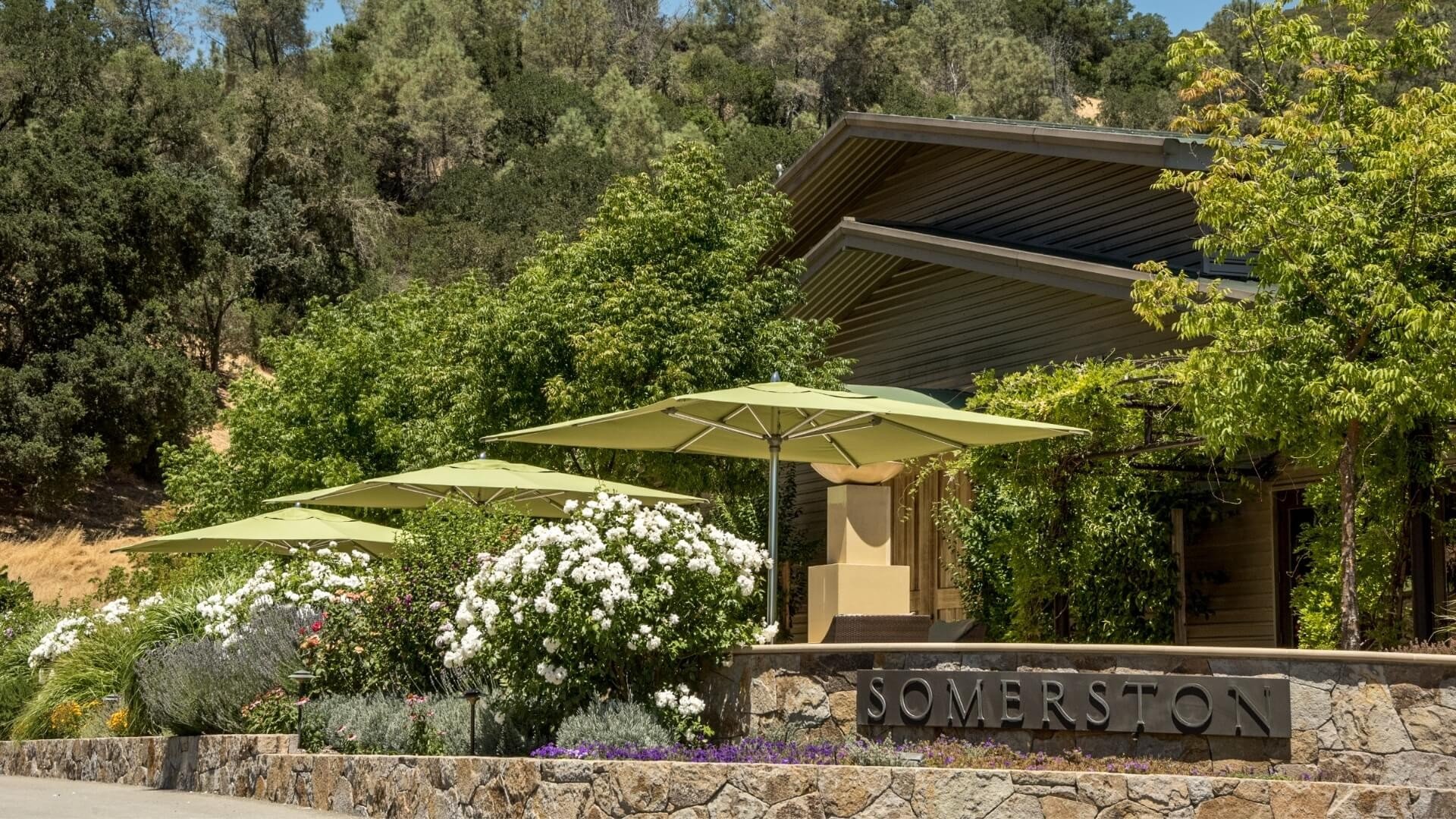
Somerston Estate
Eastern Napa Valley, St. Helena
Winery in St. Helena, United States
 Book with Pearl
The Read
Napa Benchland Prestige
Why go
Somerston Estate is worth prioritizing for a serious St. Helena wine visit, especially when the occasion calls for a focused, appointment-style experience rather than a casual tasting crawl. It suits collectors, celebrations, and business-hosting itineraries better than groups seeking food, walkability, or last-minute flexibility.
About Somerston Estate
Somerston Estate is a St. Helena venue with daily hours from 10 AM to 4 PM and a smart-casual dress code. For planning purposes, the confirmed recognition is Pearl 2 Star Prestige (2025). Use it as a considered St. Helena stop when those practical details fit the day, and confirm any visit-specific arrangements directly with the venue before building a tight itinerary around it.
The key planning question is whether Somerston Estate fits the timing and tone of the trip. It is open the same 10 AM–4 PM window every day, which makes scheduling direct but still worth checking against the rest of a St. Helena itinerary. If you are comparing other options, consider Bryant Family Vineyard, Chappellet Winery, Green & Red Vineyard, Hesperian Wines, and Volker Eisele Family Estate as additional names to research rather than treating Somerston Estate as a filler stop.
Plan it around the confirmed basics
The details are simple: Somerston Estate is in St. Helena, operates daily from 10 AM to 4 PM, and lists smart casual as the dress code. Treat those as the reliable planning anchors, then use Our full St. Helena wineries guide for broader research and Our full St. Helena restaurants guide if the visit needs to connect with a separate meal.
There is no need to overstate the format. If those details matter to the occasion, check with Somerston Estate directly before finalizing the day. For a wider St. Helena plan, Our full St. Helena hotels guide, Our full St. Helena bars guide, and Our full St. Helena experiences guide can help shape the surrounding logistics.
Who should choose it over another venue
Choose Somerston Estate if its confirmed St. Helena location, daily 10 AM–4 PM schedule, smart-casual dress code, and Pearl 2 Star Prestige (2025) recognition match the kind of stop you want. If you need details beyond those basics, compare it with Bryant Family Vineyard, Chappellet Winery, Green & Red Vineyard, Hesperian Wines, and Volker Eisele Family Estate, then confirm current arrangements directly with each venue.
Quick reference: best considered for St. Helena itineraries where the hours, smart-casual dress code, and Pearl 2 Star Prestige (2025) recognition are enough to justify further planning; less suitable to finalize without direct confirmation if you need specifics on food, pricing, group size, or visit format.
Planning details
- Location
- 3450 Sage Canyon Rd, St Helena, CA 94574
- Website
- somerstonestate.com
- Phone
- (707) 967-8414
The take
The Take
The Vibe
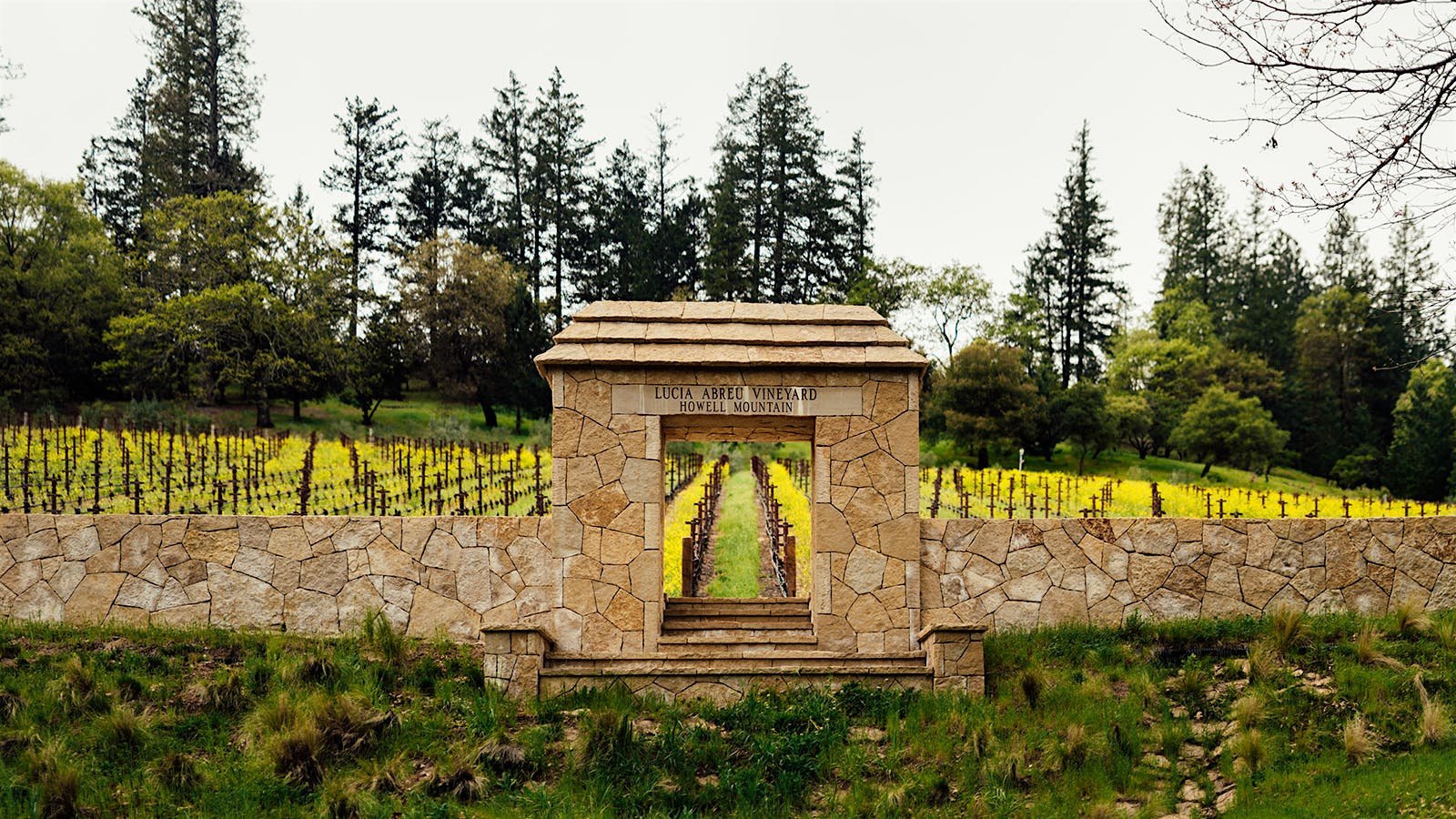
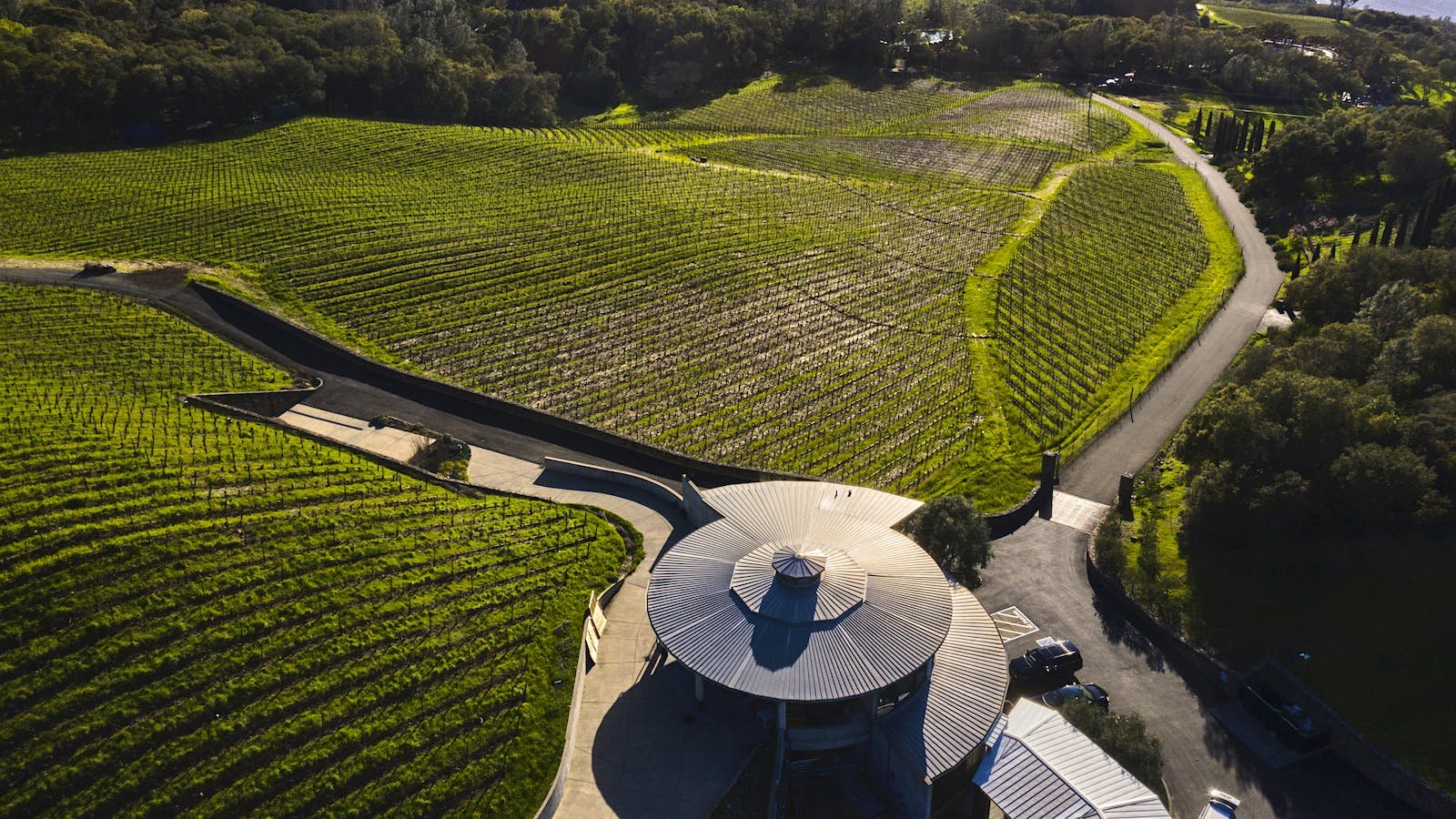
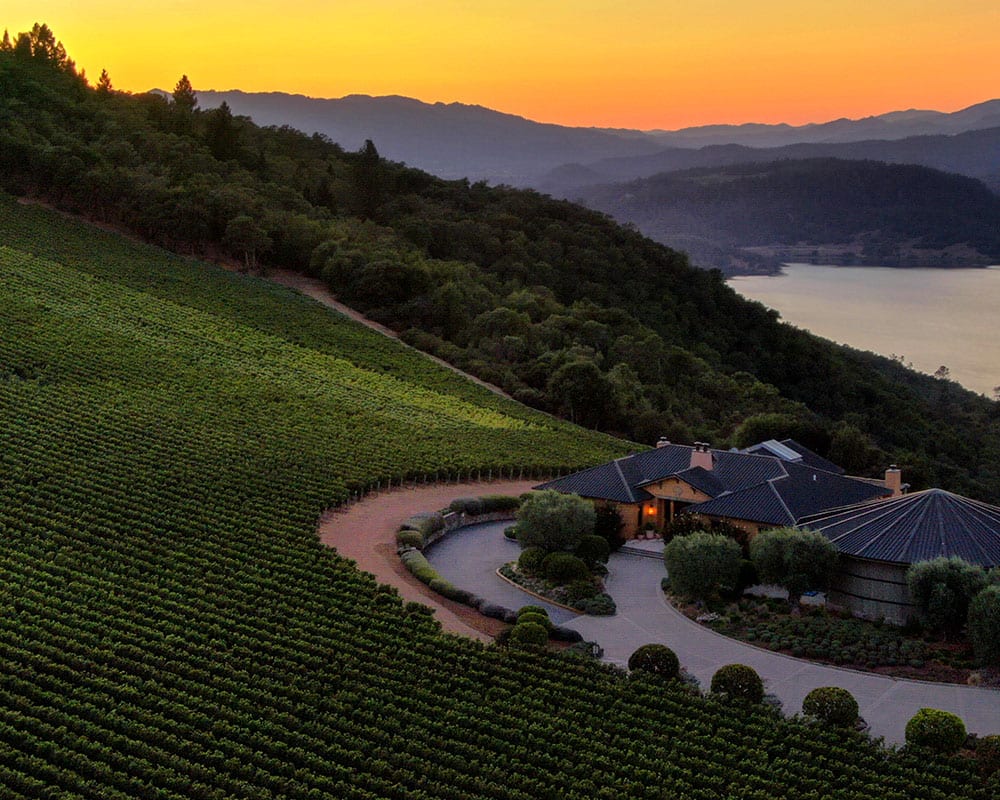
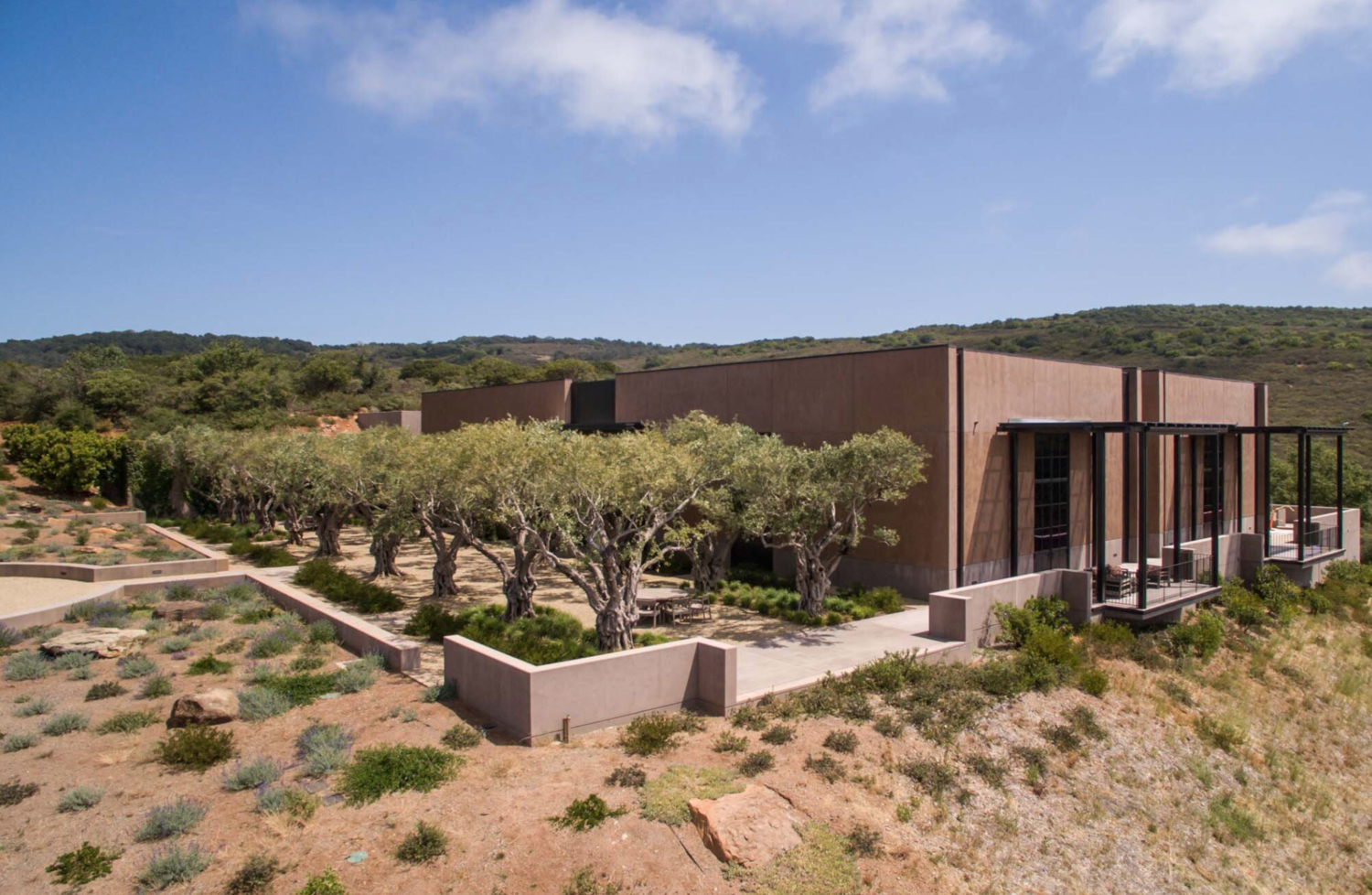
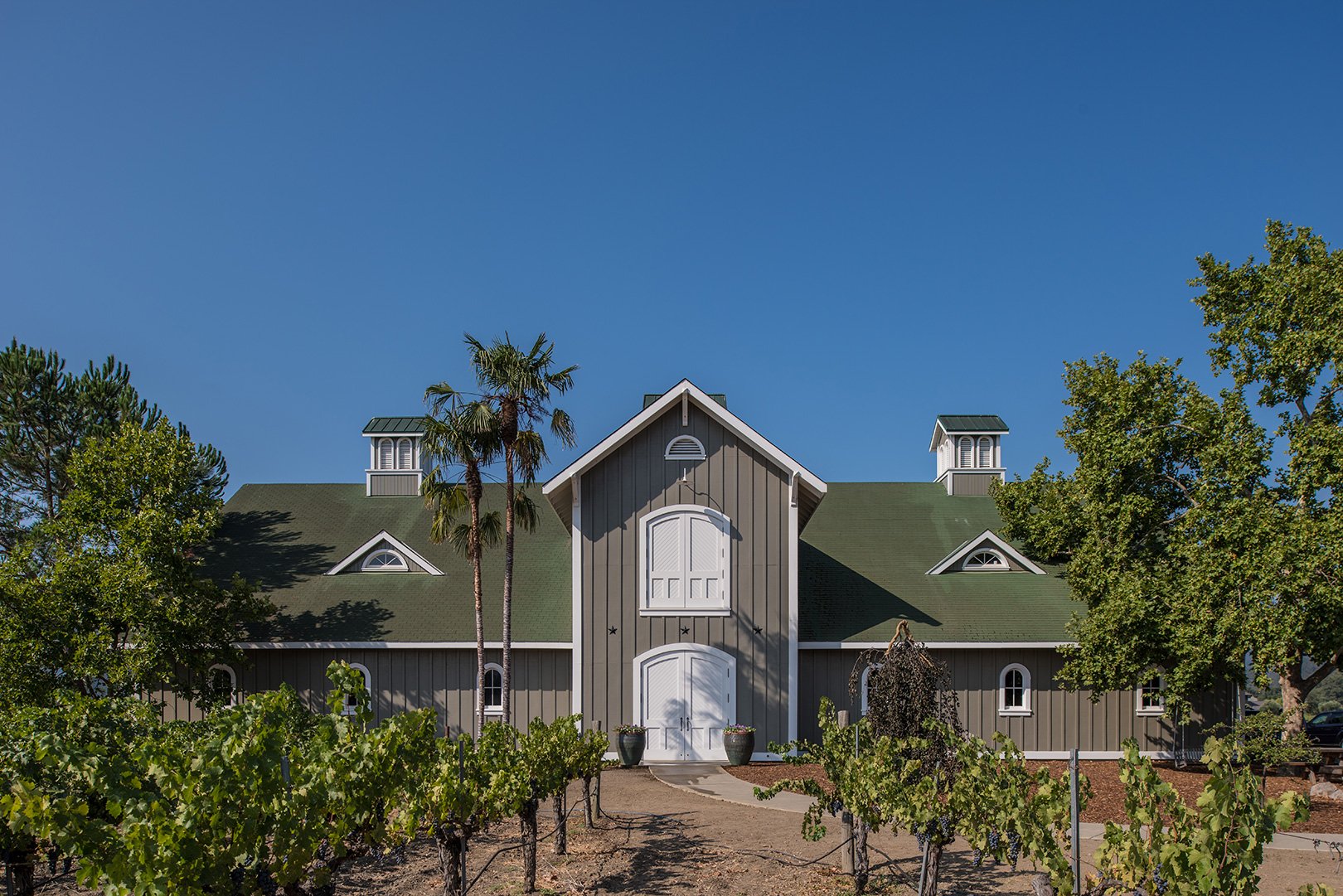
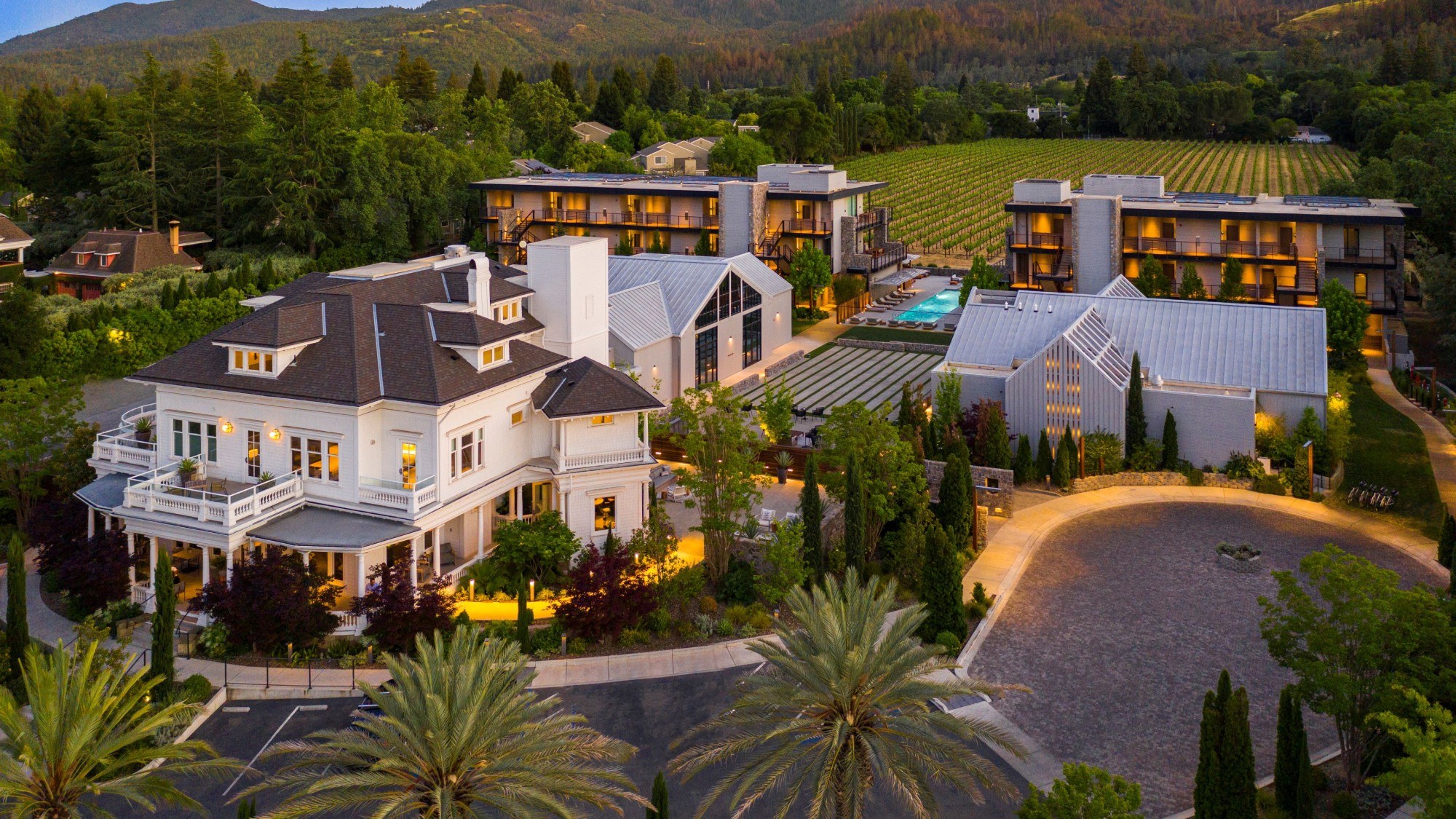
Somerston Estate reads like a hillside retreat: the approach up Sage Canyon Road climbs through oak‑covered slopes, and the property sits apart from Napa’s more trafficked corridors. The writing emphasizes deliberate selectivity—this is a winery that values site specificity and quiet engagement over Instagram throughput. That pared‑down focus creates an intimate, serene atmosphere where attention is turned toward mountain‑influenced fruit and terroir. Awards and peer comparisons underline the estate’s premium standing, but the impression remains of a restrained, contemplative place rather than a bustling visitor center.
Best For
This estate is best for wine lovers seeking focused, terroir‑driven experiences rather than casual drop‑ins. Visitors who prioritize elevation‑influenced Cabernets, detailed discussions of site and soil, and lower‑volume tastings will find Somerston rewarding. It also suits special‑occasion bookings where privacy and a sense of escape matter, and for groups or clients who prefer appointment‑style hospitality in a mountain‑adjacent setting. Those looking for quick, high‑traffic winery stops should look elsewhere—the estate favors depth of engagement over high visitor throughput.
Tasting Tips
Plan ahead: the estate is remote and 'not designed for casual drive‑by visits,' so secure reservations or appointments rather than arriving on a whim. Expect a deliberate, lower‑volume tasting environment focused on site expression—come prepared to discuss vineyard sites and mountain fruit. Allow extra time for the drive up Sage Canyon Road, as the approach climbs steadily and properties are spaced far apart. Finally, treat the visit as a focused tasting experience rather than a brief photo stop to get the most from the estate’s selective service.
Venue details
Ambiance
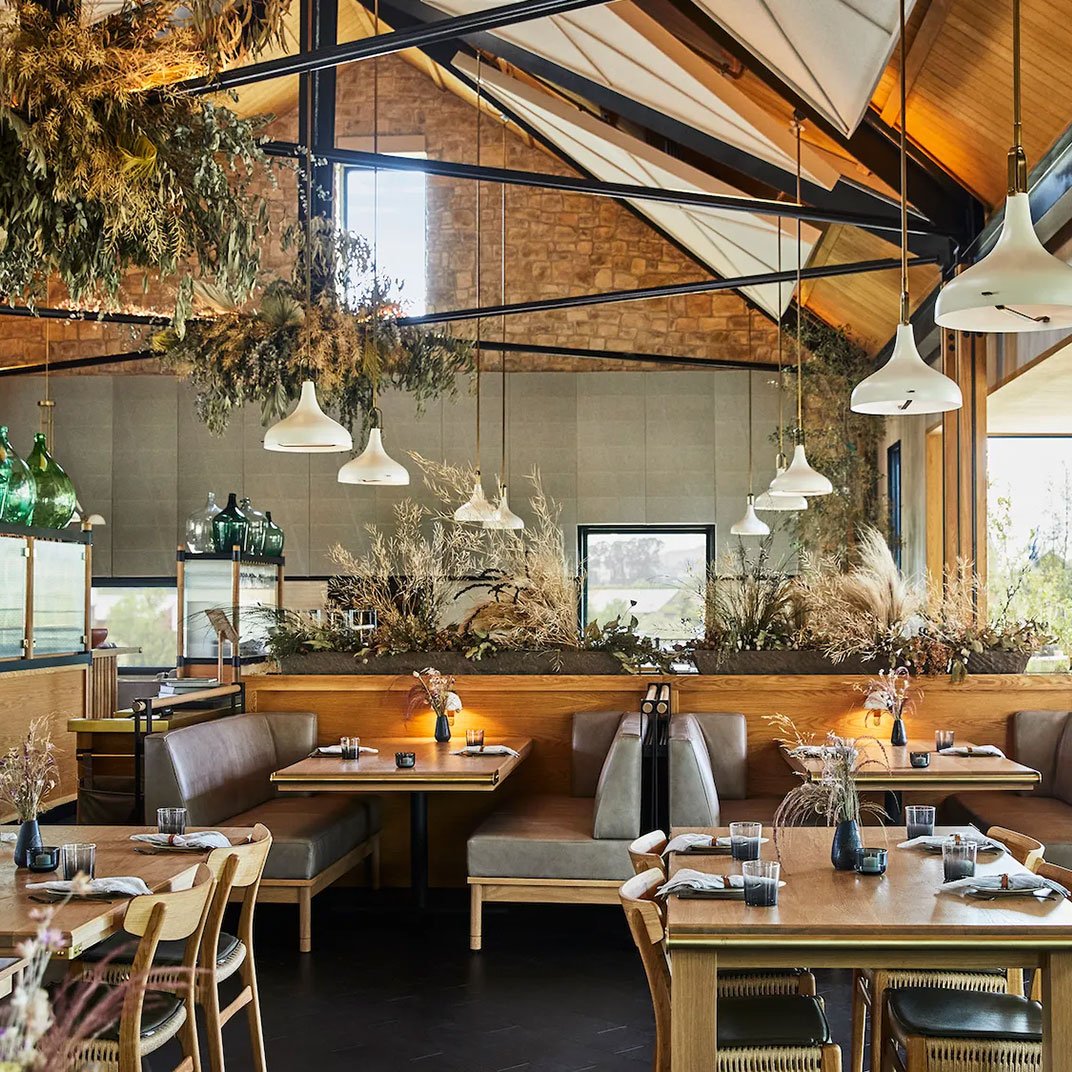
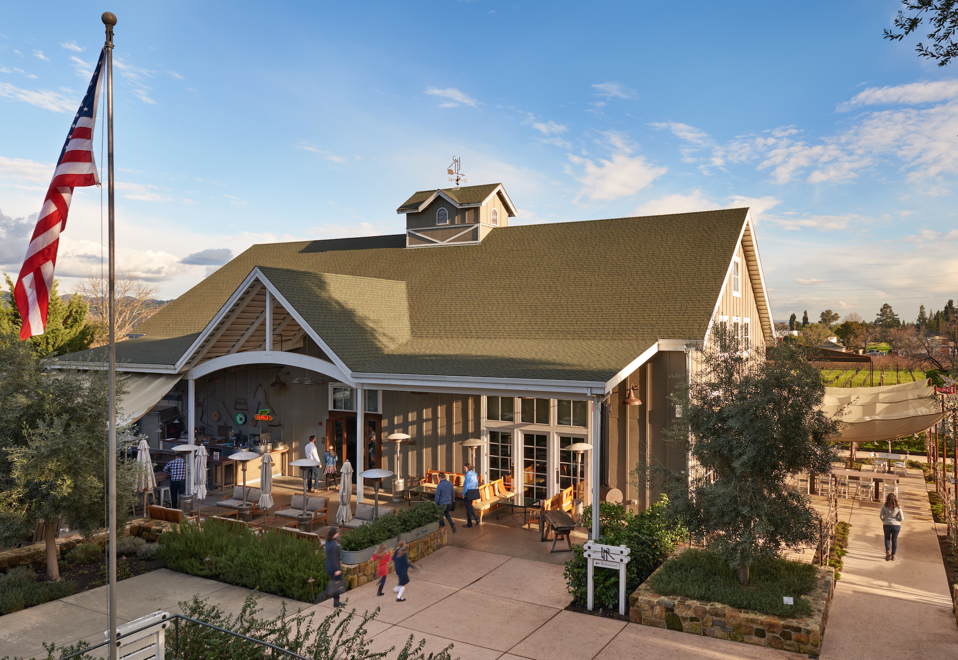
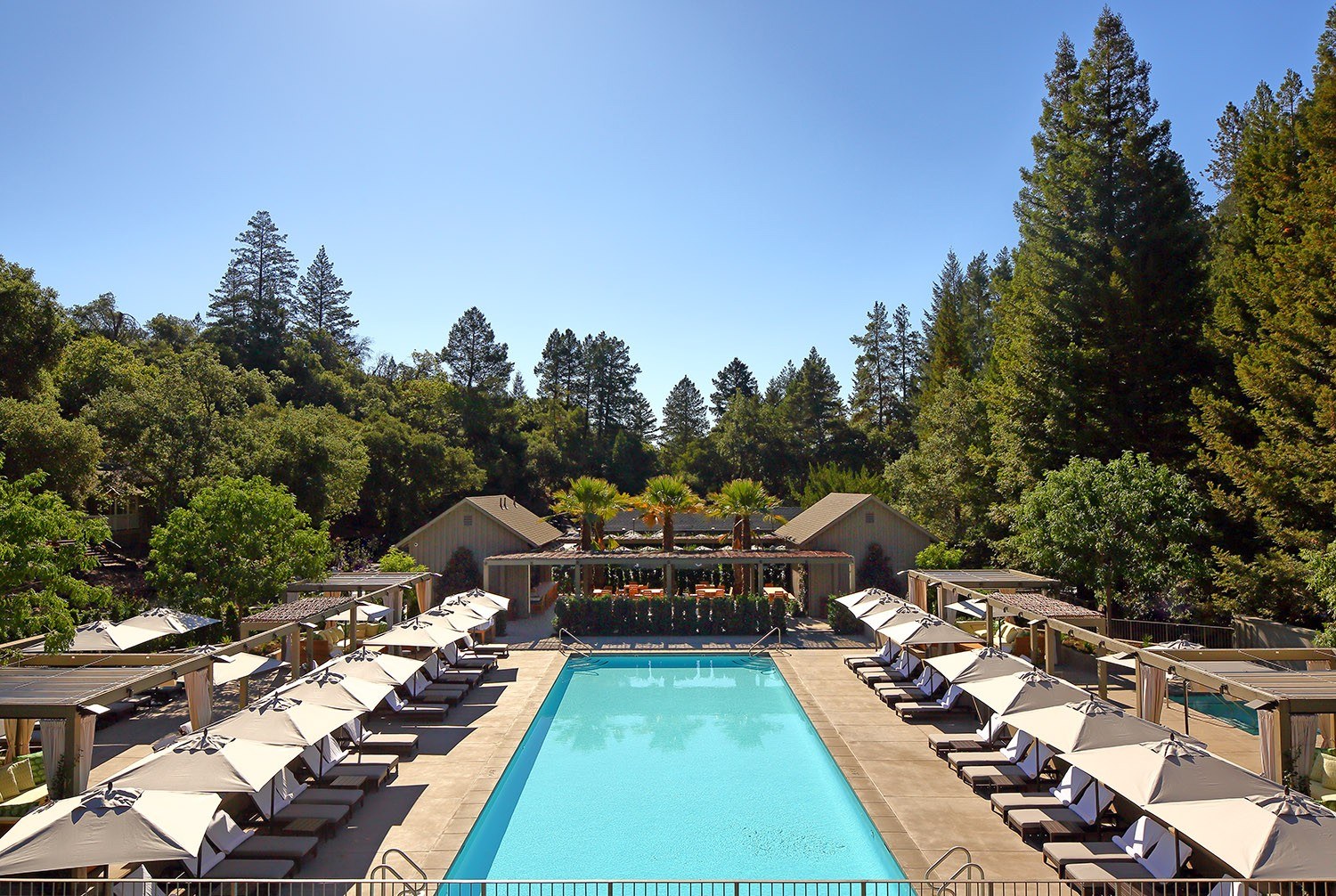
Serene and contemplative, with emphasis on terroir and minimal intervention; mountain vistas and rolling vineyard hillsides create a peaceful, off-the-beaten-path setting focused on wine quality and land stewardship.
Tags
Vibe
Best For
Experience
Sourcing
View
Accessibility
At the Vineyard
- Appellation
- Napa Valley AVA
- Varietals
- Cabernet Sauvignon, Merlot, Cabernet Franc, Sauvignon Blanc, Petit Verdot
- Tour Duration
- 90-120 minutes
- Wine Club
- Available
Know before you go
Know Before You Go
- Getting there
- 3450 Sage Canyon Rd, St Helena, CA 94574
Planning details
Location
Also consider
Also Consider
- Volker Eisele Family Estate, Notable alternative
- Chappellet Winery, Notable alternative
- Bryant Family Vineyard, Notable alternative
- Green & Red Vineyard, Notable alternative
- Hesperian Wines, Notable alternative
Winery context
How Somerston Estate compares in St. Helena
Choose Somerston Estate when the visit needs to feel deliberate and wine-led. Compared with Volker Eisele Family Estate and Green & Red Vineyard, it reads as the more special-occasion choice, better for a collector-minded tasting or a hosted celebration than a relaxed, lower-pressure St. Helena stop.
Chappellet Winery is the stronger cross-shop if the priority is a polished Napa winery experience with a clearer destination feel. Bryant Family Vineyard is the more serious splurge comparison for buyers chasing prestige and scarcity, while Somerston Estate is easier to justify when the group wants a special visit without making the entire day revolve around a trophy appointment.
If access becomes the problem, look at Hesperian Wines only if the group is comfortable going outside the immediate St. Helena lane. For most visitors staying in town, Volker Eisele Family Estate and Green & Red Vineyard are the more practical backups; for a higher-touch day, Chappellet is the cleaner alternative.
Around this place
Discover more on Pearl
Unlock the full Somerston Estate guide in Pearl, including awards, comparisons, FAQs, planning details, and nearby places.
Compare Somerston Estate
| Venue | Location | Awards |
|---|---|---|
| Somerston Estate | St. Helena | No published awards |
| Volker Eisele Family Estate | St. Helena | No published awards |
| Chappellet Winery | St. Helena | 2026 Falstaff Winery Guide |
| Bryant Family Vineyard | St. Helena | 2026 Falstaff Winery Guide |
| Green & Red Vineyard | St. Helena | No published awards |
| Hesperian Wines | Napa | No published awards |

How Somerston Estate St. Helena compares with similar nearby venues.
FAQ
Frequently Asked Questions
When is the best time to visit Somerston Estate?
Somerston Estate is as open daily from 10 AM to 4 PM. No specific best time is confirmed, so choose a time that fits your St. Helena itinerary and confirm any visit details directly with the venue.
What other venues can I compare with Somerston Estate?
Other comparison options to research include Volker Eisele Family Estate, Chappellet Winery, Bryant Family Vineyard, Green & Red Vineyard, and Hesperian Wines. Confirm current hours, visit format, and location details directly with each venue before planning the day.