Priest Ranch
St. Helena
Winery in St. Helena, United States
 Book with Pearl
The Read
Napa Prestige Estate
Why go
Priest Ranch is worth considering if the goal is a cleanly planned Napa tasting day with Yountville convenience and easy access to a broader St. Helena itinerary. It is a stronger fit for travelers who value logistics and pacing over a remote estate-style visit.
About Priest Ranch
Priest Ranch is a St. Helena venue with a direct planning profile: it is listed as open daily from 10 AM to 6 PM, with a smart casual dress code and Pearl 2 Star Prestige recognition for 2025. Beyond those confirmed details, travelers should avoid assuming specific services, formats, menus, or booking policies without checking directly with the venue.
For a St. Helena itinerary, the clearest use case is practical scheduling. The daily 10 AM–6 PM hours make Priest Ranch easier to place earlier or mid-day, while the smart casual dress code keeps the visit polished without requiring formal attire.
A tighter St. Helena plan works better than a packed one
Treat Priest Ranch as one planned stop in St. Helena rather than overloading the day with too many appointments. The strongest approach is to build a simple route, leave time between stops, and confirm any visit-specific details with the venue before you go.
If you are comparing options, keep the decision grounded in what is confirmed: Priest Ranch is in St. Helena, keeps daily 10 AM–6 PM hours, lists smart casual dress, and holds Pearl 2 Star Prestige recognition for 2025. For other planning possibilities, consider venues such as Conn Creek Winery, Cornerstone Cellars, Hill Family Estate, Perchance Estates, or The Yount Room.
Use it as a St. Helena anchor
For planning, pair Priest Ranch with a restrained St. Helena day rather than stacking too many stops. Readers building a fuller trip can also use broader St. Helena planning resources, including Our full St. Helena restaurants guide, Our full St. Helena hotels guide, and Our full St. Helena bars guide, to keep the day balanced.
Compared with a rushed itinerary, a simpler St. Helena plan is easier to manage. Use the confirmed hours as the main scheduling constraint, and verify any details not listed here directly with Priest Ranch before finalizing the day.
Quick reference: Priest Ranch is a St. Helena venue open daily from 10 AM to 6 PM, with smart casual dress and Pearl 2 Star Prestige recognition for 2025.
Planning details
- Location
- 6490 Washington St, Yountville, CA 94599
The take
The Take
The Vibe
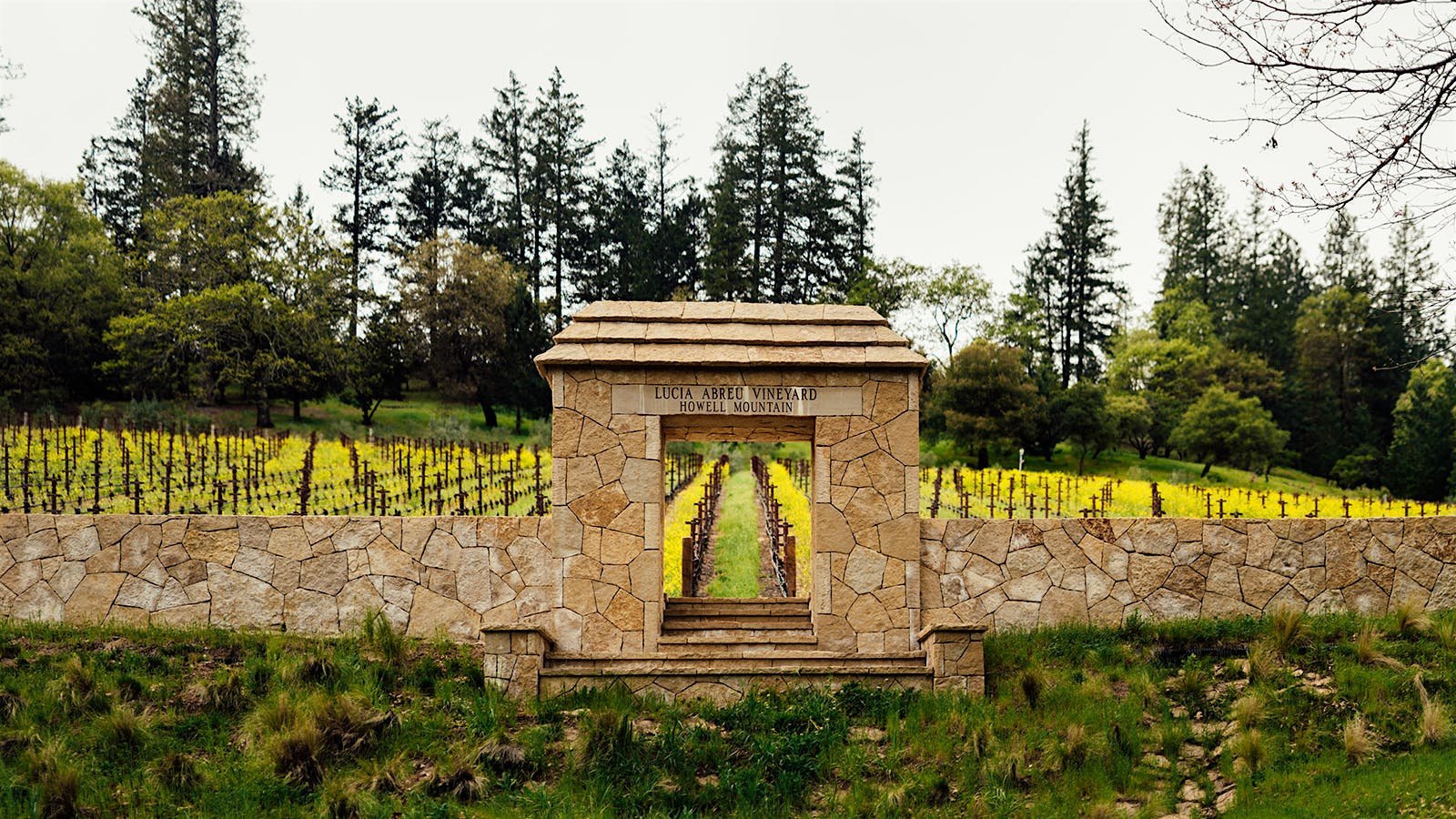
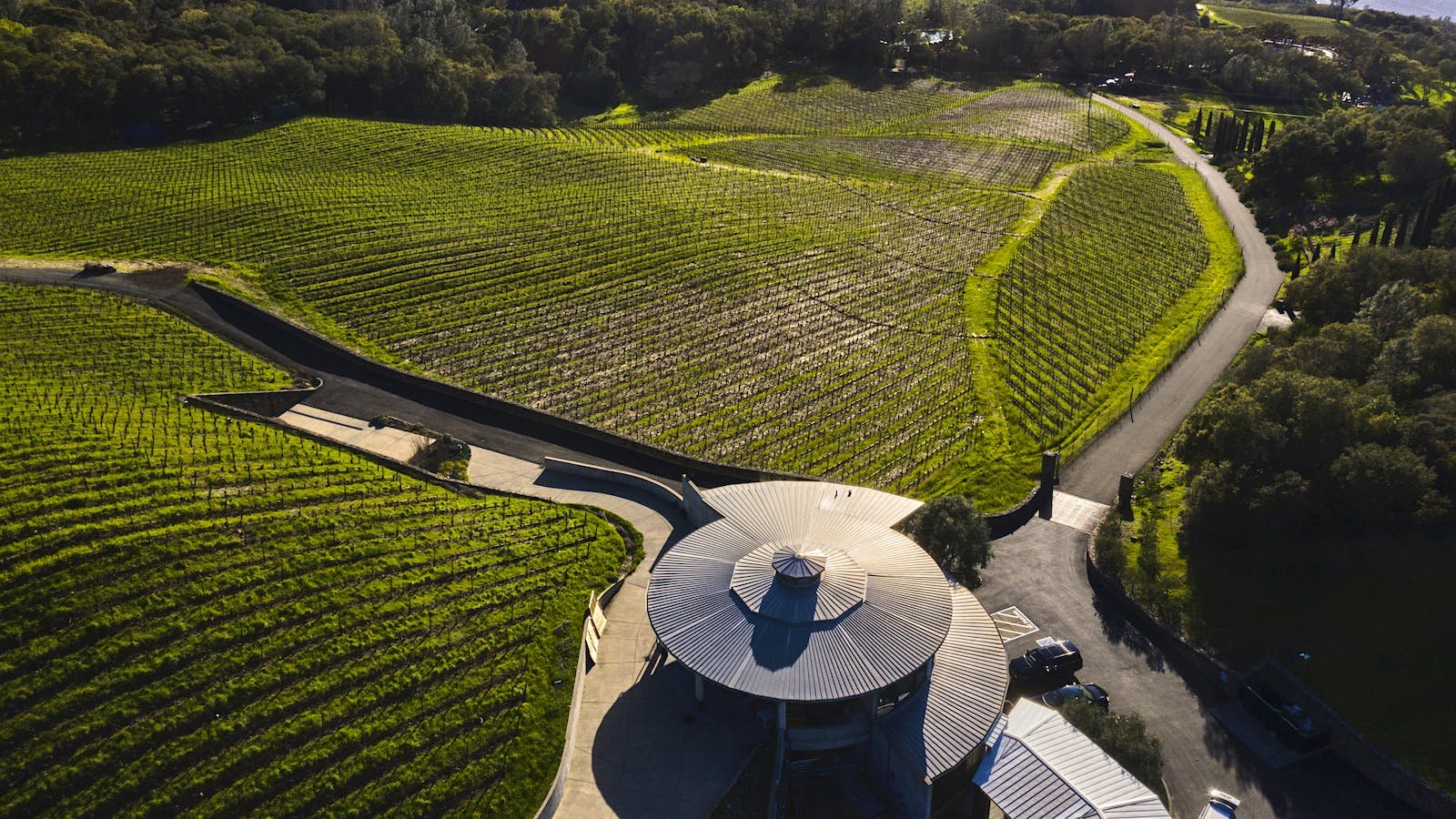
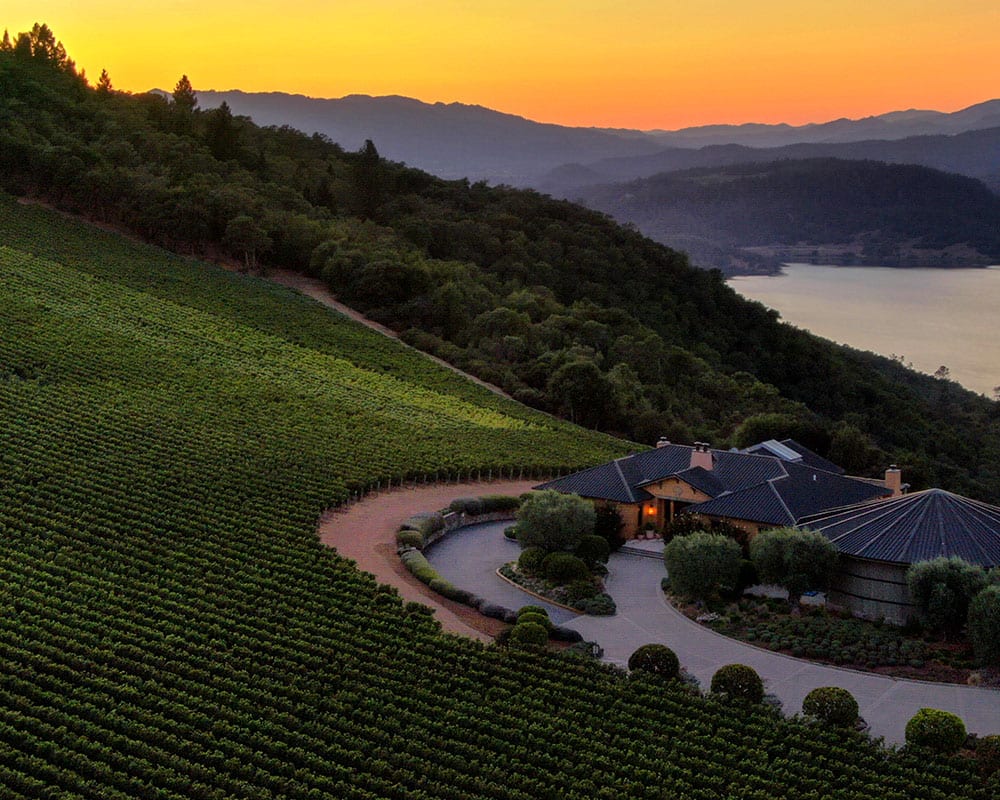
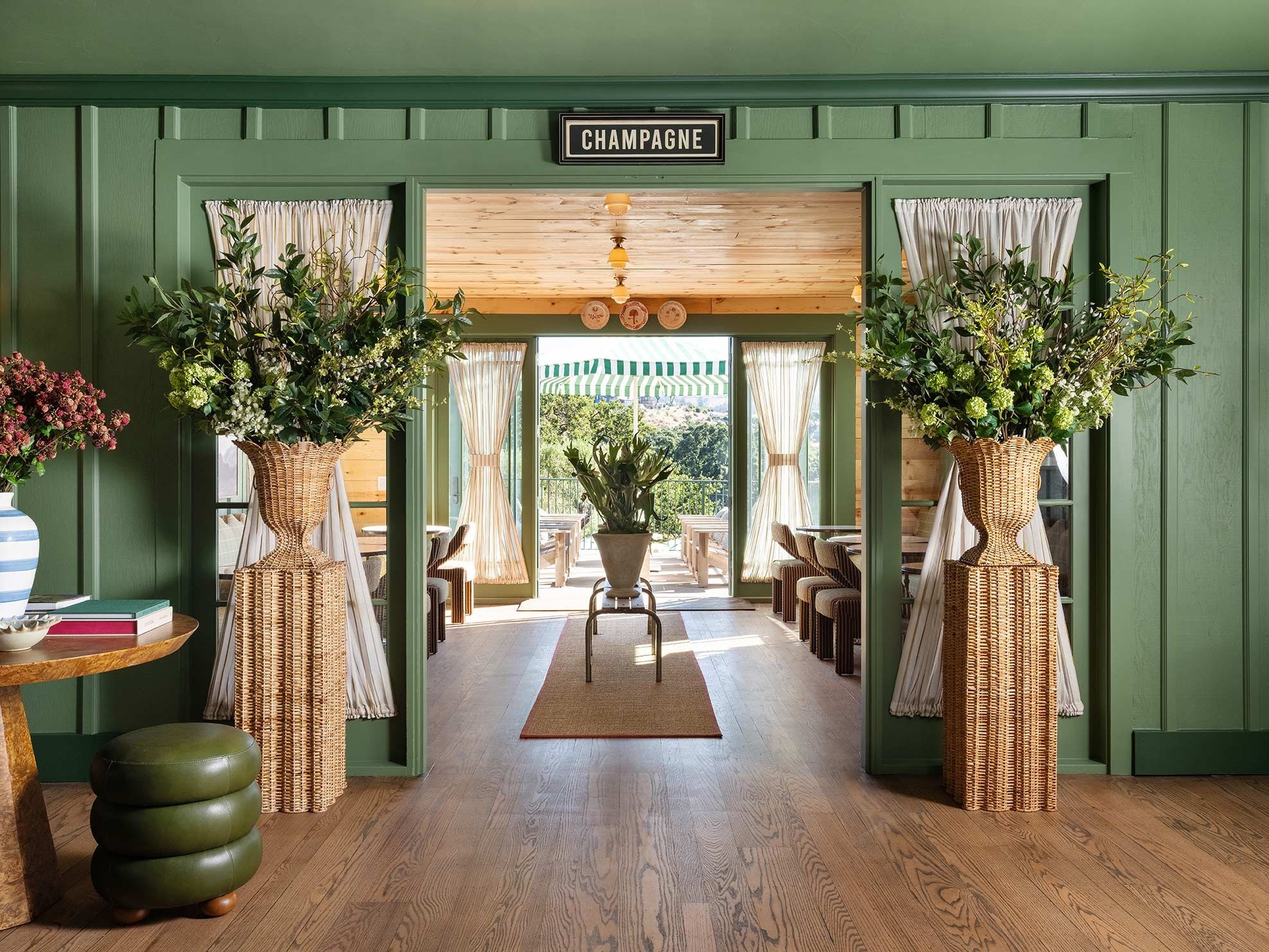
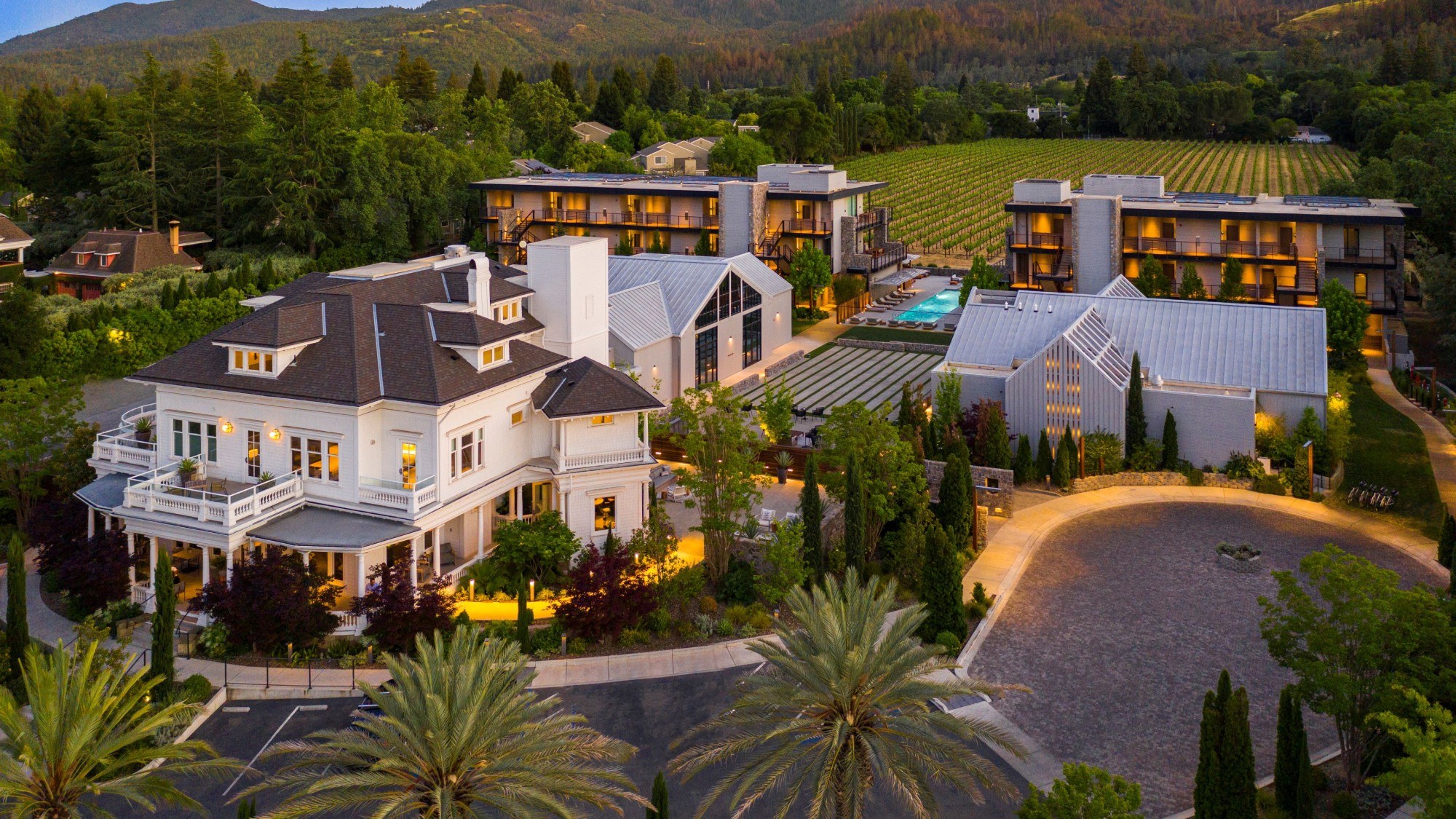
Priest Ranch presents a restrained Napa experience where the focus is squarely on site and bottle rather than spectacle. The copy repeatedly frames the property as an antidote to the valley’s flashier tasting-room moments, emphasizing terroir and thoughtful production. With an EP Club Pearl 2 Star Prestige rating, the winery reads as confident and composed: classic in temperament, quietly serious about its wines, and designed for visitors who value craftsmanship over theatrics. The result is an understated, contemplative tasting environment that foregrounds the land and the wines themselves.
Best For
This is a stop for visitors assembling a focused Napa itinerary—people who want to understand the region and taste wines that reward attention. The description explicitly positions Priest Ranch as a reliable entry point into the valley’s upper-middle tier, which makes it especially well suited to wine-education visits and special-occasion tastings where the goal is to engage with the wine rather than the scene. Solo explorers who prefer measured, thoughtful tastings also find this approach appealing; the property rewards time spent with the wines.
Tasting Tips
Approach tastings here with the expectation that the wines are intended to be studied rather than consumed as background to an event. The narrative stresses that Priest Ranch 'lets the wine make the argument,' so choose tasting options that allow you to focus on the wines and their sense of place. Prioritize flights or pours that emphasize site expression and spend time asking about the vineyard sources and production approach—the copy makes clear that the experience is about paying attention to what the land contributes to the bottle.
Venue details
Ambiance
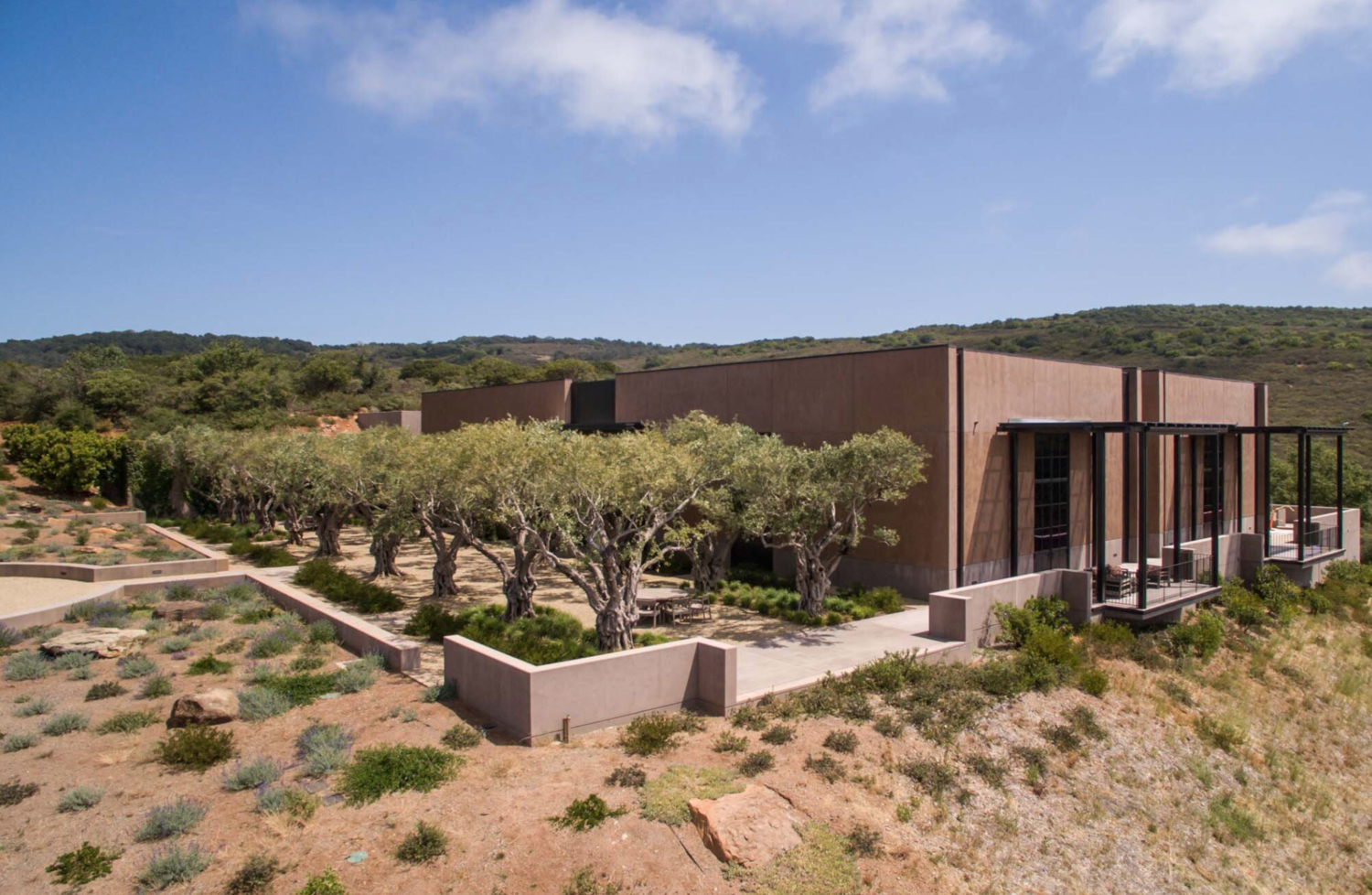
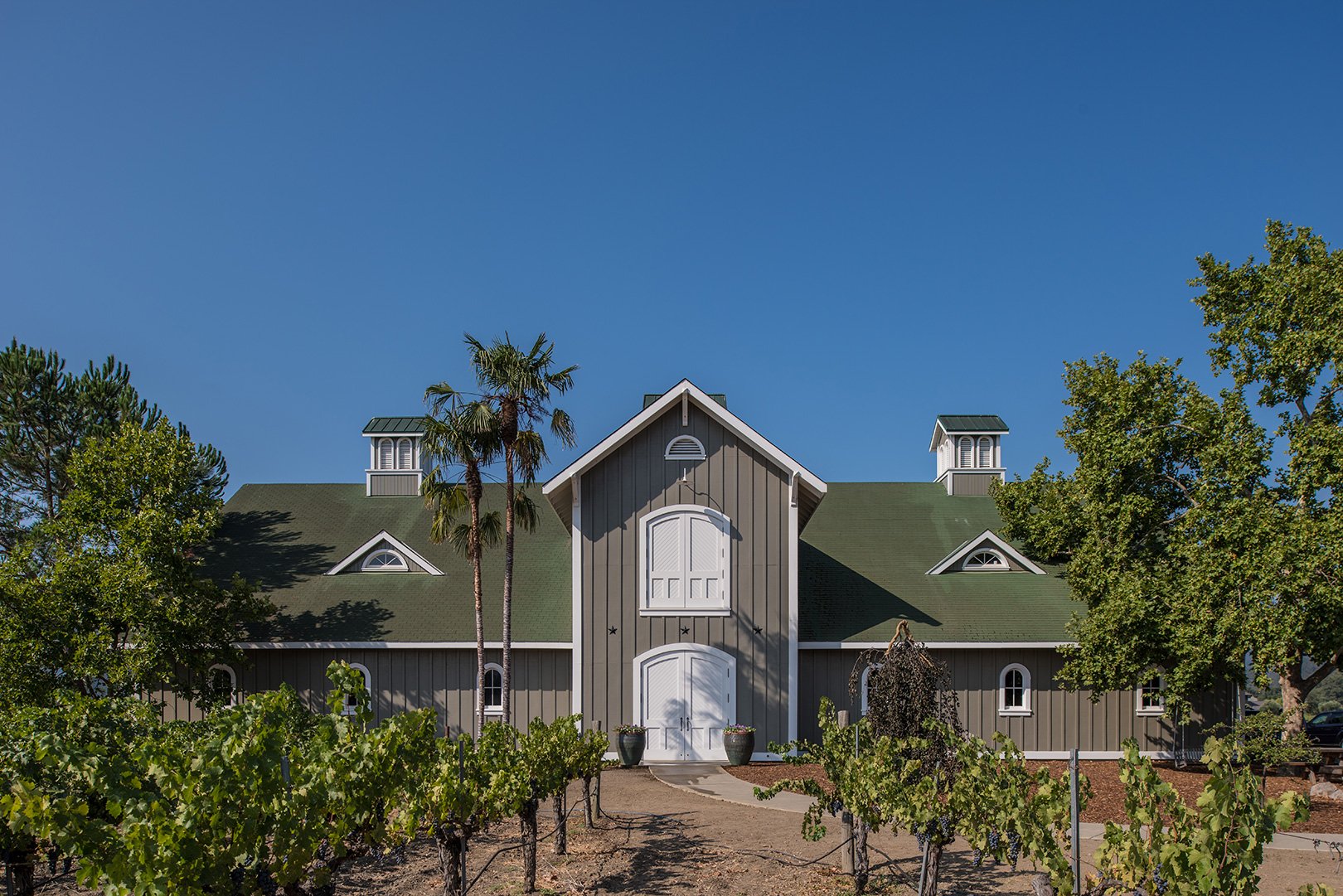
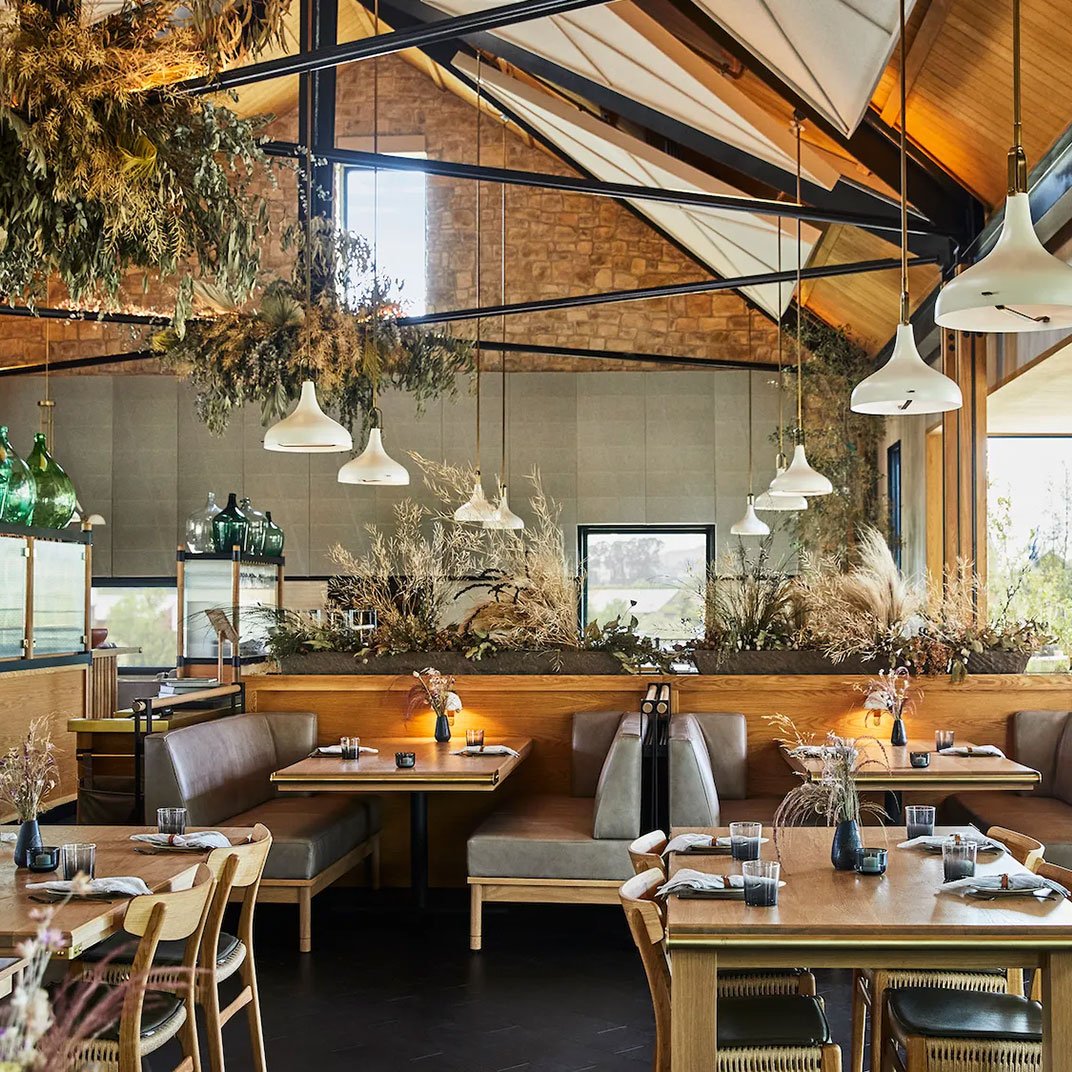
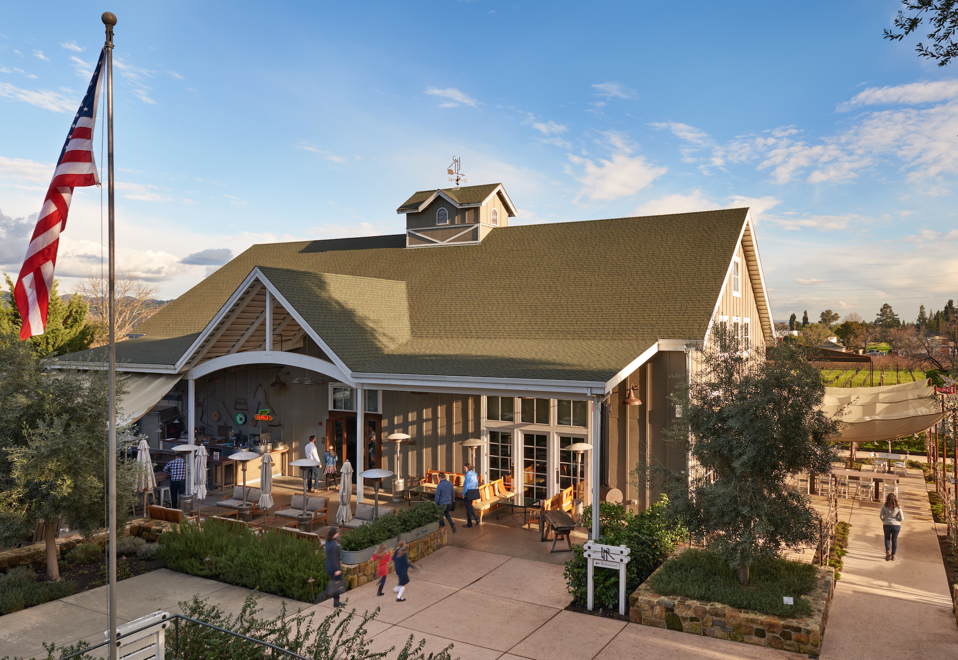
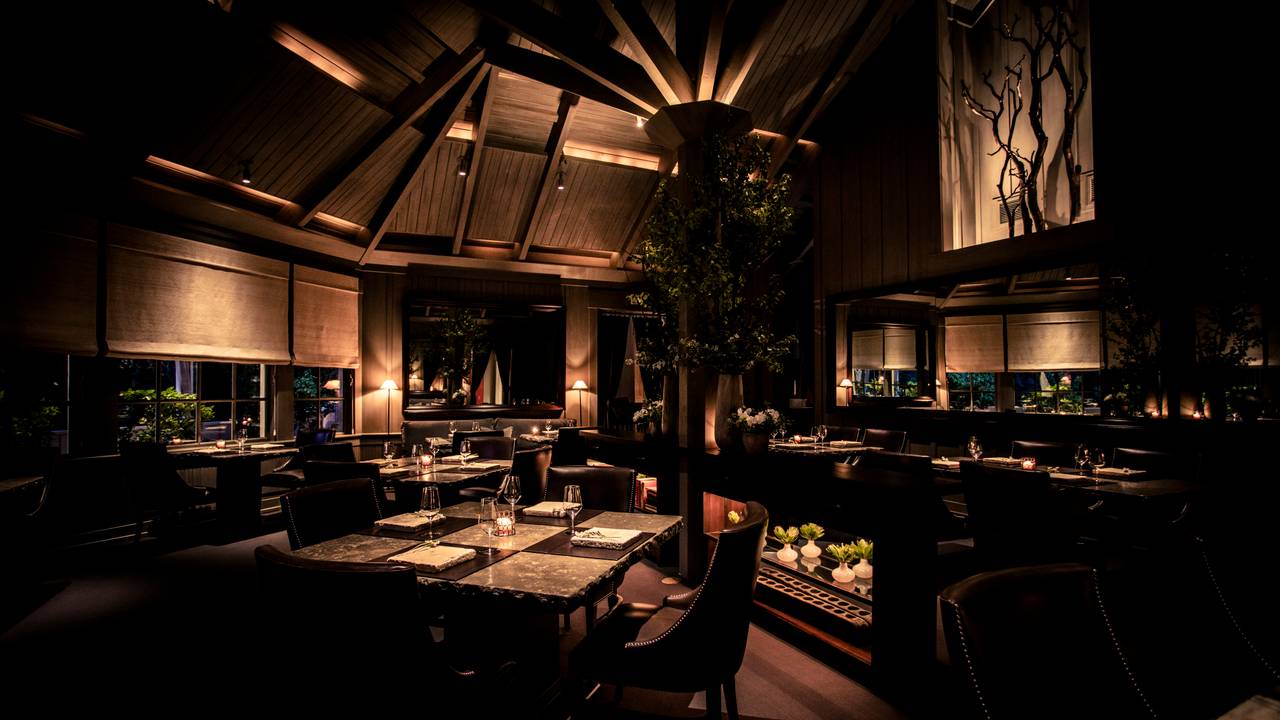
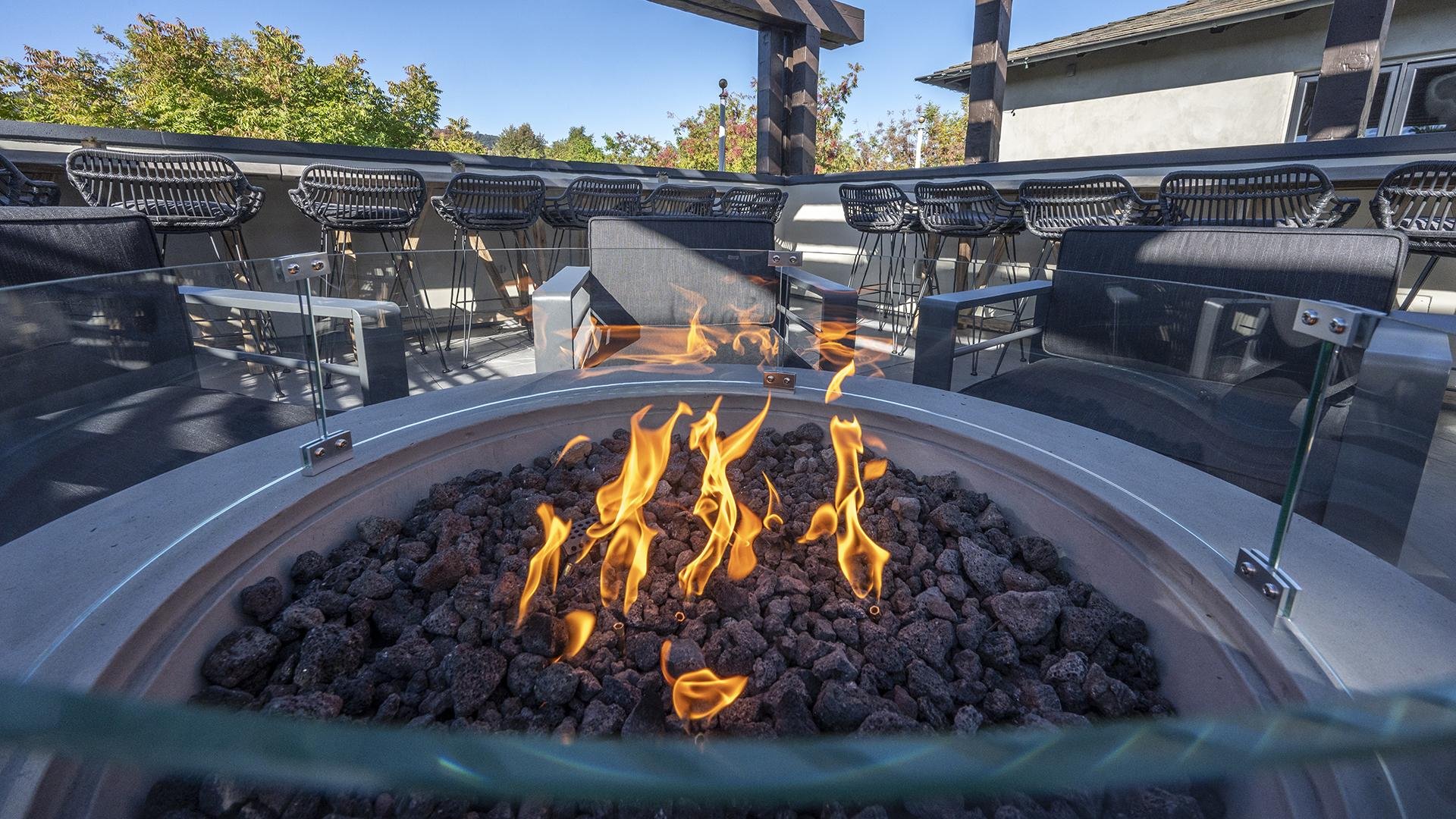
Comfortable, sophisticated, and welcoming tasting room setting highlighting the purity of estate mountain fruit with minimalist winemaking.
Tags
Vibe
Best For
Experience
Sourcing
View
At the Vineyard
- Appellation
- Napa Valley
- Varietals
- Cabernet Sauvignon, Grenache Blanc, Syrah, Malbec, Zinfandel
- Tour Duration
- 60-90 minutes
- Wine Club
- Not available
Know before you go
Know Before You Go
- Getting there
- 6490 Washington St, Yountville, CA 94599
Planning details
Location
6490 Washington St, Yountville, CA 94599 · Directions
Also consider
Where to Look If This Does Not Fit
If the goal is a similarly convenient Yountville-area plan, cross-shop The Yount Room. If the group wants a more relaxed Napa winery stop, start with Hill Family Estate.
Winery context
How It Compares
Priest Ranch is the practical pick when the itinerary needs a Yountville-area anchor and a clean route through Napa. Perchance Estates reads as the stronger choice for a more focused collector-style visit, while Hill Family Estate is the easier cross-shop for visitors who want a relaxed wine-country stop with less pressure around the day's pacing.
For readers prioritizing ambiance, The Yount Room is the more direct comparison because it keeps the Yountville lens tight. Conn Creek Winery is a better fit for a classic Napa winery rhythm, while Cornerstone Cellars works for travelers who want a lower-friction alternative if the preferred time here does not line up.
Value depends less on a posted price tier and more on how cleanly the stop fits the day. Choose Priest Ranch for itinerary efficiency, Perchance Estates for a more serious wine-first plan, Hill Family Estate for a softer group-friendly feel, and Conn Creek Winery if the group wants a more traditional Napa winery stop.
Around this place
Discover more on Pearl
Unlock the full Priest Ranch guide in Pearl, including awards, comparisons, FAQs, planning details, and nearby places.
Compare Priest Ranch
| Venue | Location | Awards |
|---|---|---|
| Priest Ranch | St. Helena | No published awards |
| Perchance Estates | Rutherford | No published awards |
| Hill Family Estate | Yountville | No published awards |
| The Yount Room | Yountville | No published awards |
| Conn Creek Winery | Rutherford | No published awards |
| Cornerstone Cellars | Rutherford | No published awards |
How Priest Ranch St. Helena compares with similar nearby venues.
FAQ
Frequently Asked Questions
What other venues should I compare with Priest Ranch?
Useful comparison options include Perchance Estates, Hill Family Estate, Conn Creek Winery, Cornerstone Cellars, and The Yount Room. Priest Ranch itself is in St. Helena and is listed as open daily from 10 AM to 6 PM.
Does Priest Ranch have Pearl recognition?
Yes. Priest Ranch holds Pearl 2 Star Prestige recognition for 2025.