Ballentine Vineyards
St. Helena
Winery in St. Helena, United States
 Book with Pearl
The Read
Valley Floor Farming Heritage
Price
$30–50tasting
Why go
Ballentine Vineyards is worth considering as a wine-first St. Helena stop, especially for travelers building a serious Napa itinerary rather than looking for a meal-led tasting. No confirmed food or pairing program is listed, so plan lunch or dinner separately and compare availability against other St. Helena wineries before locking the day.
About Ballentine Vineyards
For St. Helena planning, Ballentine Vineyards is in St. Helena, has a casual dress code, and is recognized with Pearl 2 Star Prestige (2025). Dining format, chef, menu, food-pairing program, hours, prices, or service details are not specified, so do not plan around any unconfirmed specifics.
In St. Helena, it is safer to plan by separating venue facts from the rest of the day. Use Our full St. Helena restaurants guide for meals, Our full St. Helena hotels guide if staying over, and Our full St. Helena bars guide if the evening needs another stop. For readers mapping a broader route, Our full St. Helena wineries guide and Our full St. Helena experiences guide are more useful starting points than assuming every venue has the same format.
Book it with St. Helena details in mind
The practical verdict: Ballentine Vineyards is a St. Helena venue with casual dress and Pearl 2 Star Prestige (2025). Ballentine Vineyards does not specify a menu, tasting structure, pairing program, address, hours, prices, or other operational specifics.
If the day is built around comparing options, cross-shop only with clearly identified venues and verify current details before committing. In the same planning set, consider Ballentine Vineyards alongside Faust, Markham Vineyards, Morlet Family Vineyards, Revana Family Vineyard, and Vineyard 29, or keep other St. Helena dining and lodging plans separate.
The useful takeaway is not that every stop is interchangeable, but that St. Helena days work better when each appointment is planned based on available details rather than assumptions. For Ballentine Vineyards, the facts are limited, so confirm current logistics directly before finalizing an itinerary.
Planning details
- Location
- 2820 St Helena Hwy, St Helena, CA 94574
- Website
- ballentinevineyards.com
- Phone
- +1 707-963-7919
The take
The Take
The Vibe
Ballentine Vineyards reads like a working estate first and a hospitality destination second. The copy privileges the rows of vines and the farming choices that shape them, steering visitors toward the land and the wines it produces rather than theatrical visitor centers or designed spectacles. Recognition from EP Club — a Pearl 2 Star Prestige rating — underlines a commitment to production discipline and site specificity. That combination yields a serene, understated experience: low-key, focused tastings amid estate grounds where subtlety and craft matter more than fanfare.
Best For
This estate is best for serious wine lovers and collectors who value terroir and farming-driven wines. The property is geared toward visitors who arrive to learn about site specificity and viticultural choices rather than to seek a social scene or large tasting-room theatrics. If you want to understand how decisions about cover crops, irrigation and inputs translate into structure in the glass, Ballentine rewards that attention. The EP Club rating signals that the wines are judged on craft and provenance, so bring curiosity and a palate tuned to nuance.
Tasting Tips
Plan your visit with the estate's purpose in mind: prioritize tasting the core estate and site-specific bottlings and use the appointment to ask about vineyard practices. The description makes clear that the winery emphasizes farming and production discipline, so request explanations of viticulture choices and how they influence each wine’s structure. Treat the experience as educational rather than social; focus questions on site expression, farming methods and single-vineyard differences rather than on hospitality amenities.
Venue details
Ambiance
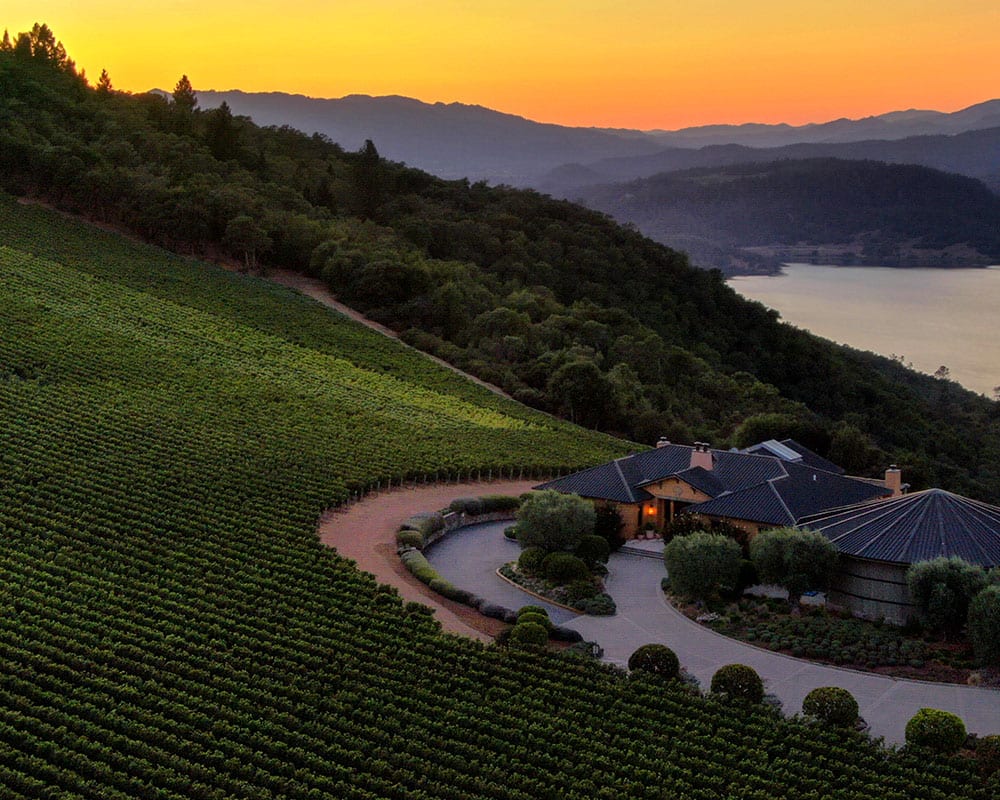
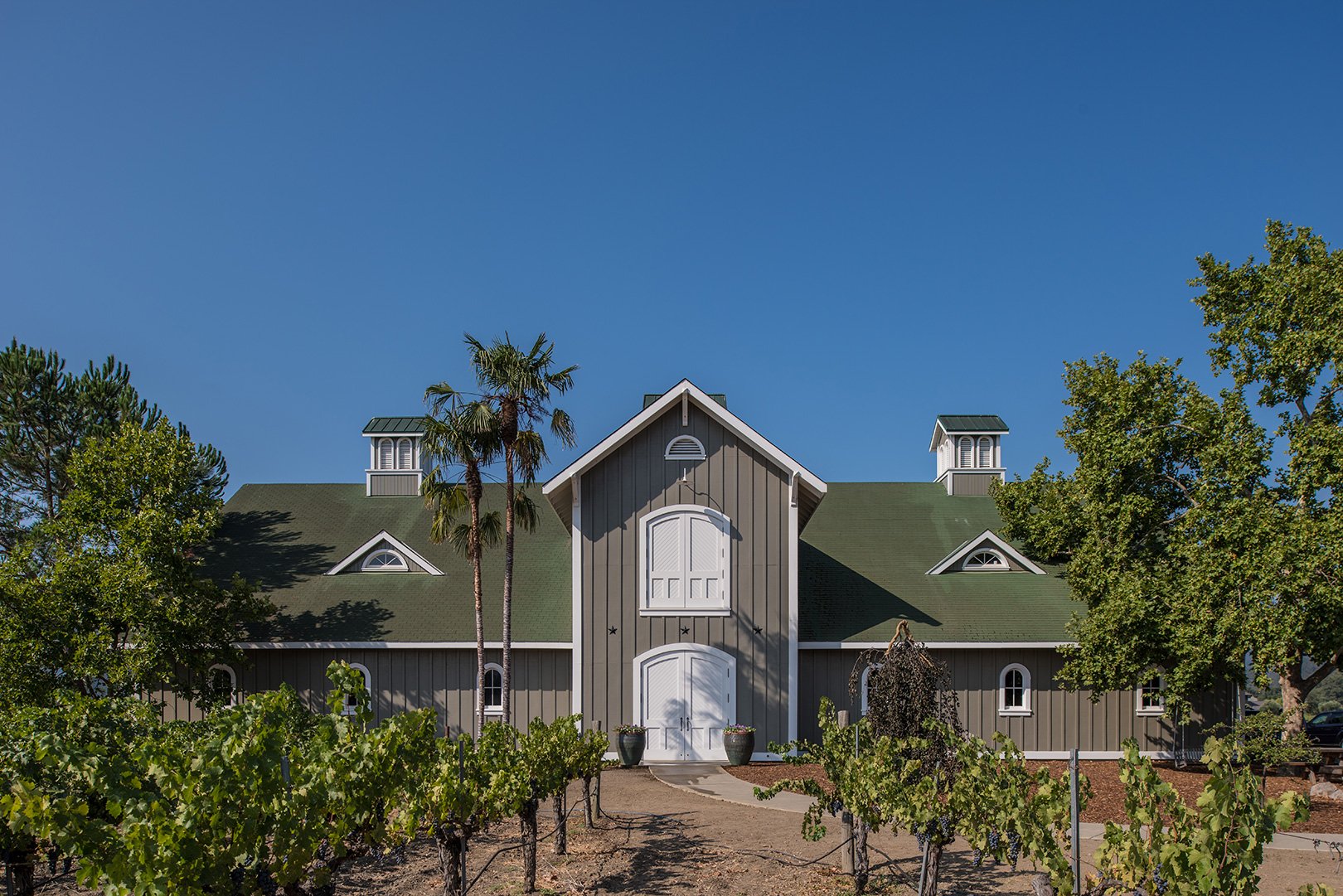
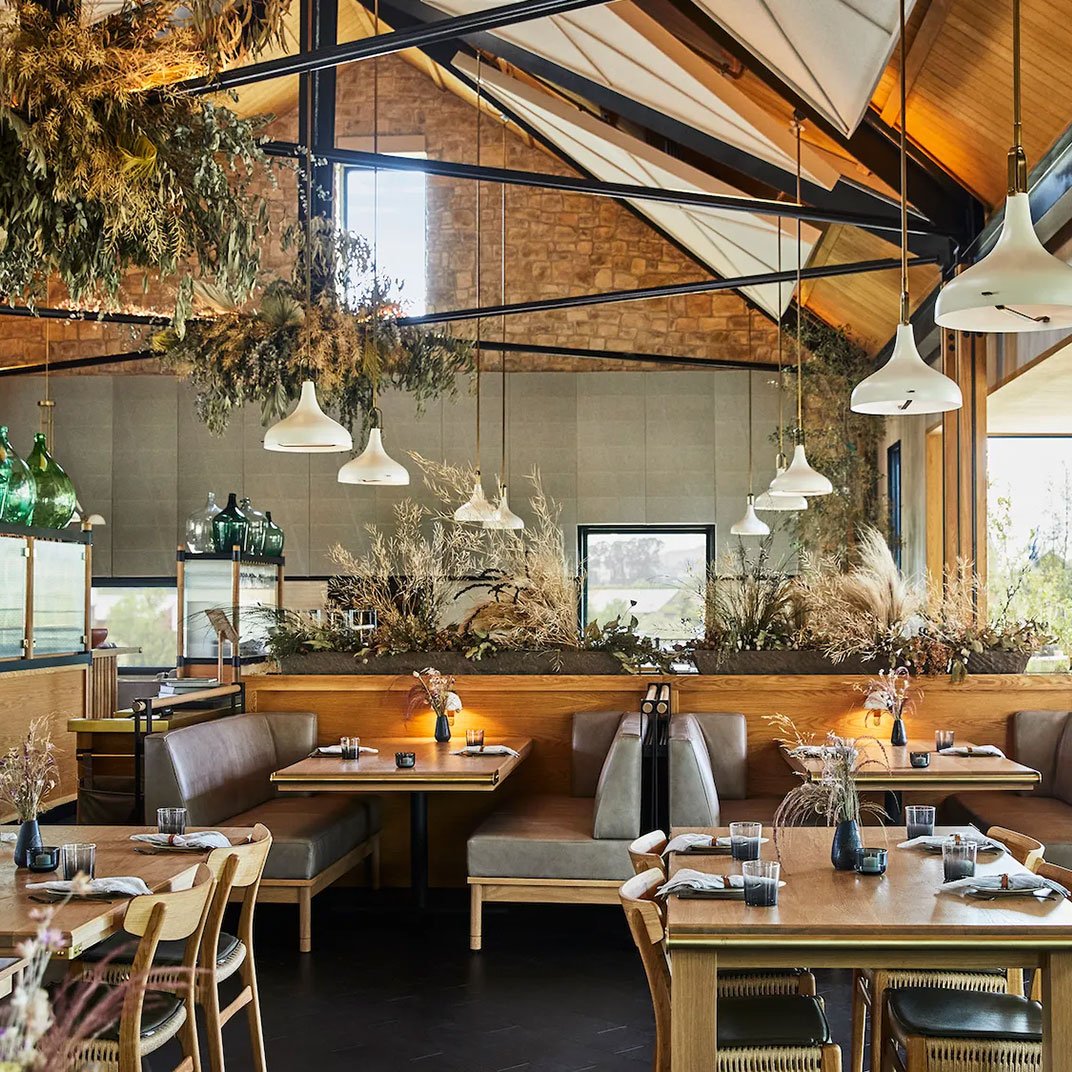
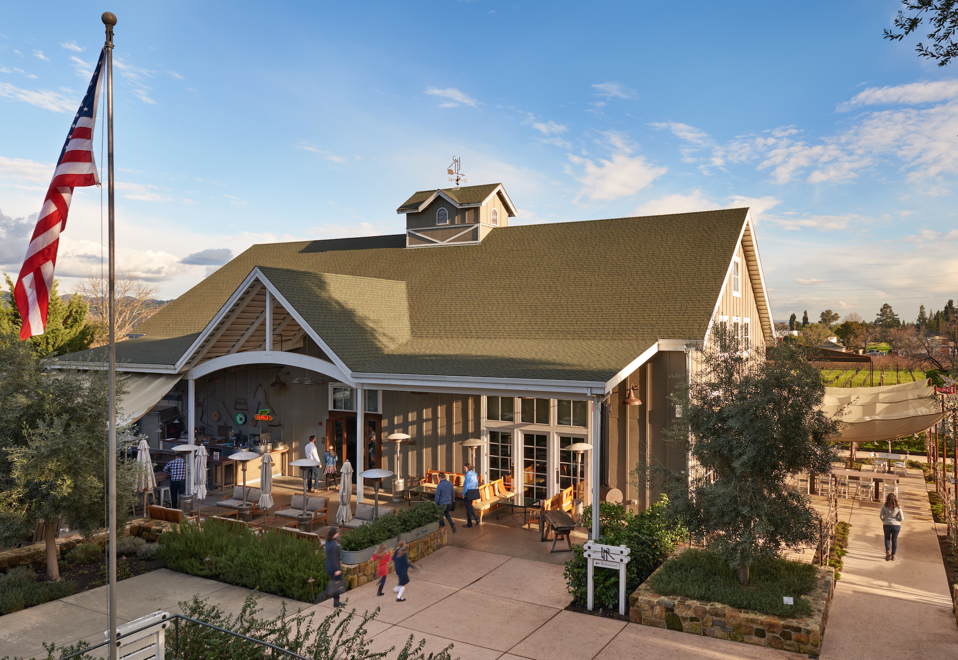
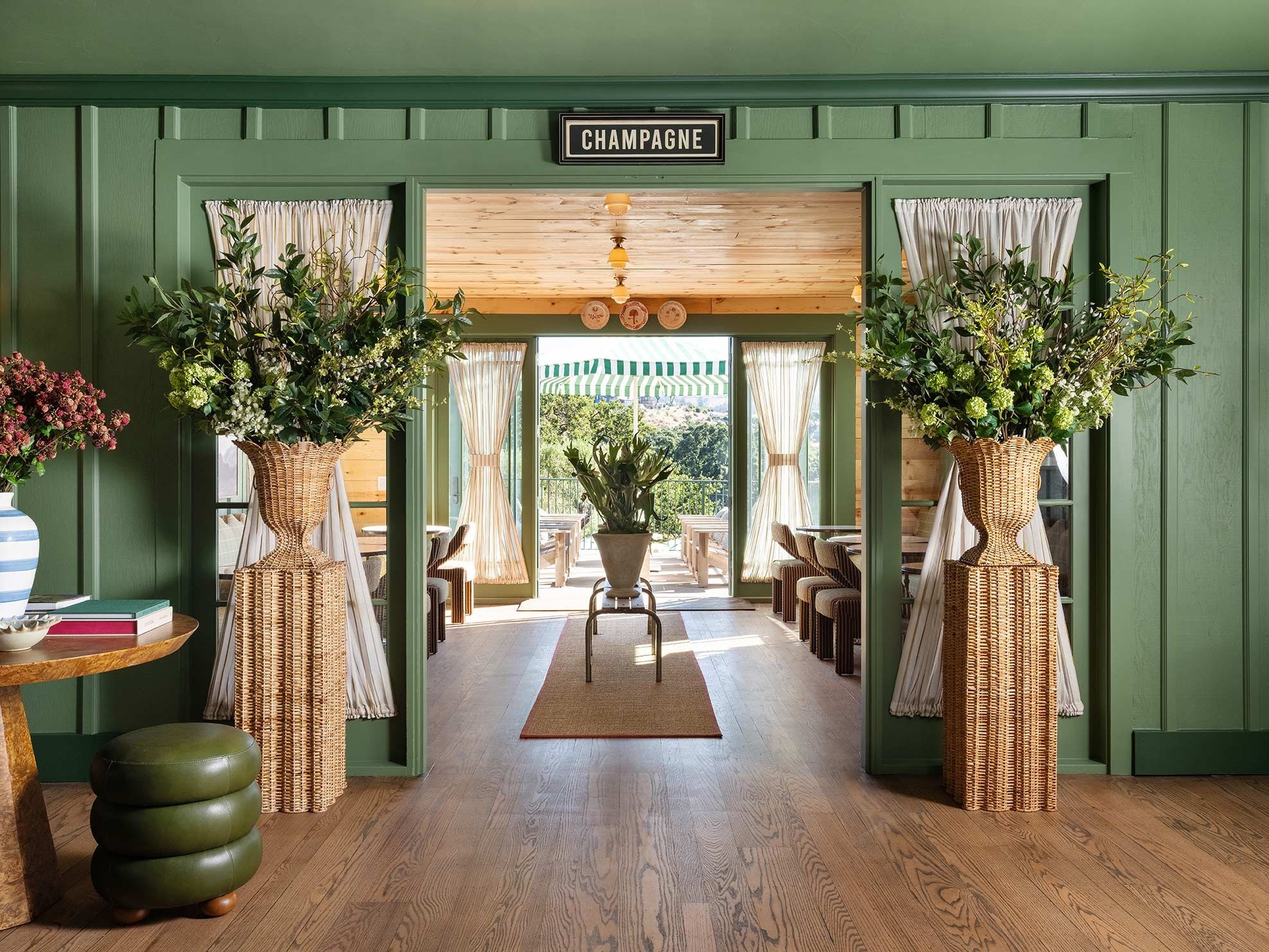
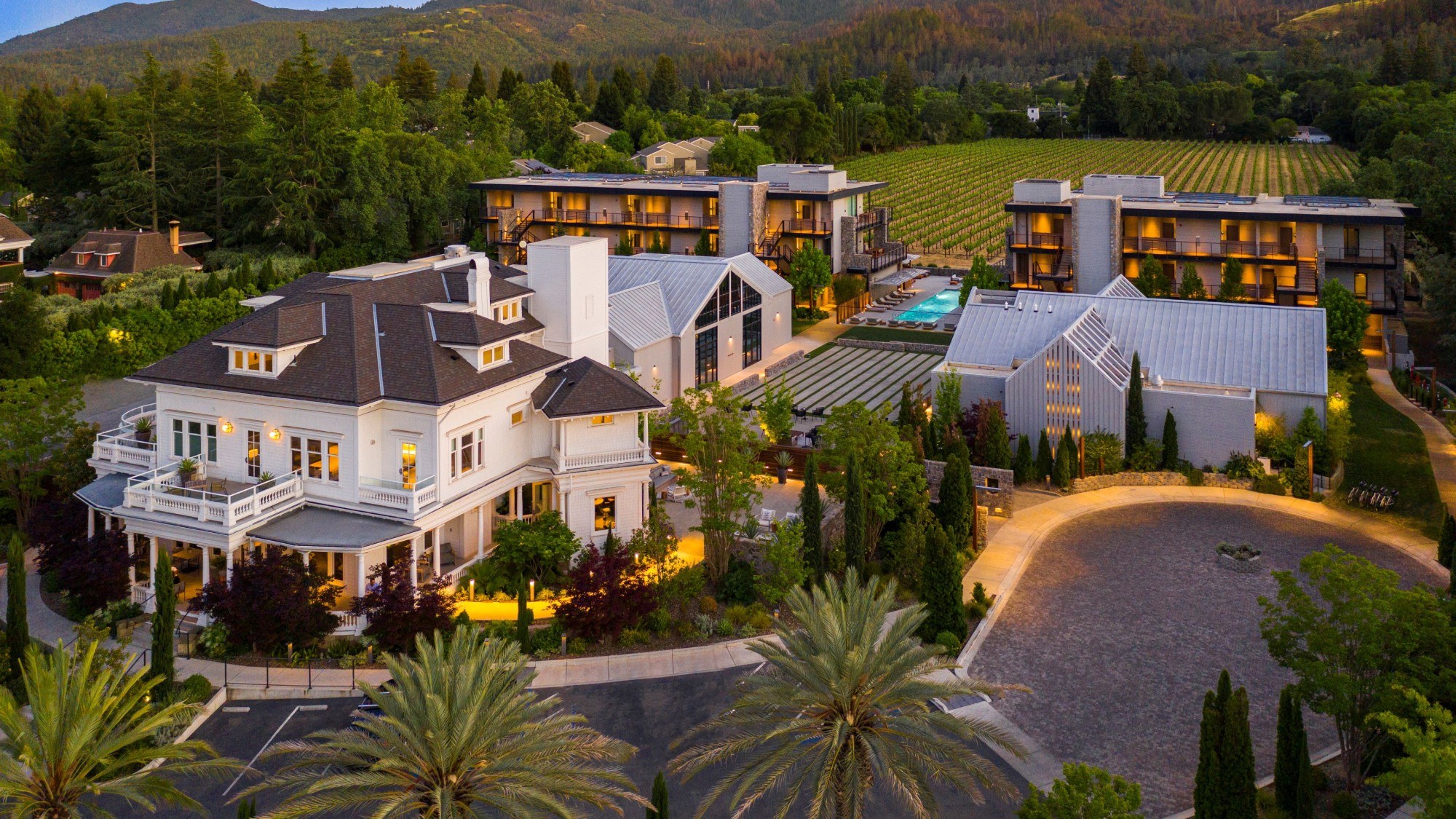
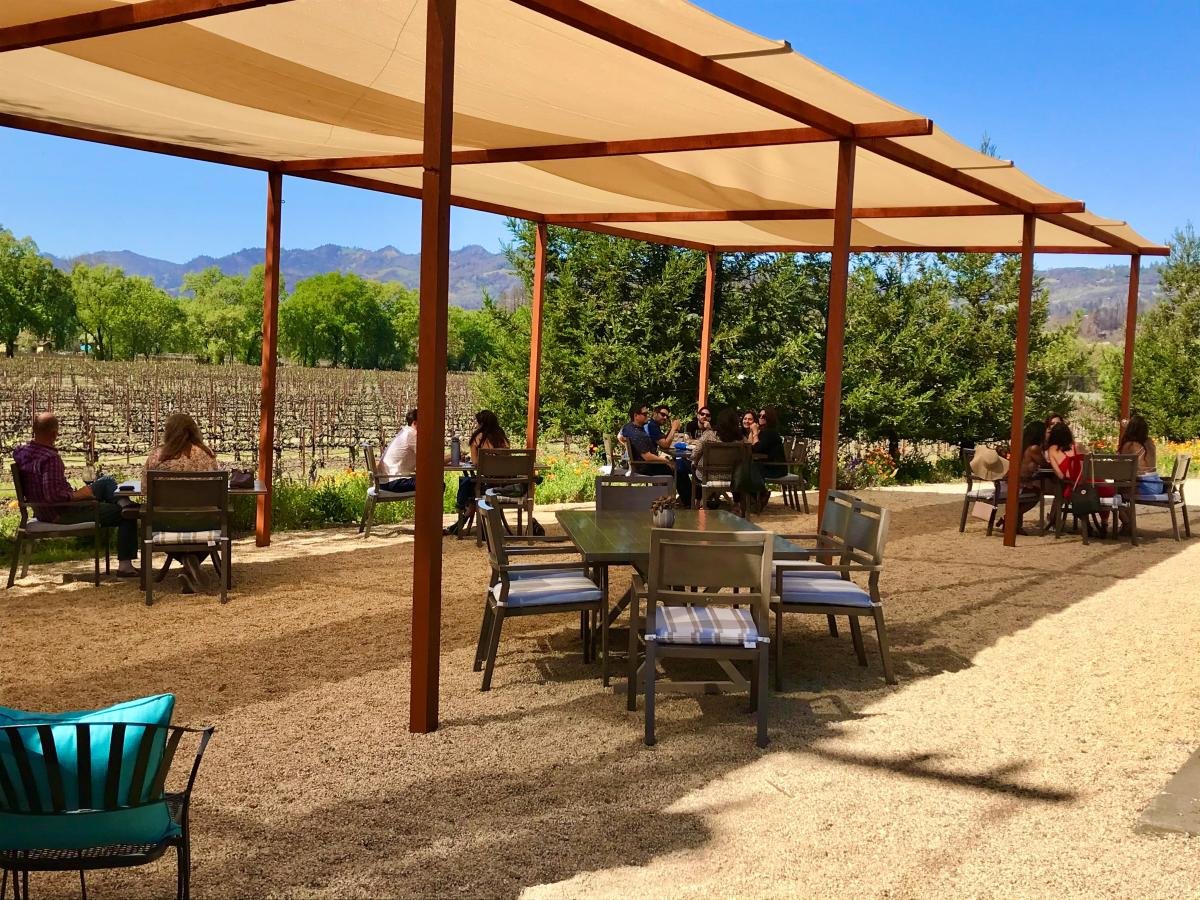
Intimate and functional tasting room with breathtaking views of Spring Mountain, the Palisades, Mt. St. Helena, and Howell Mountain; recently remodeled with a warm, welcoming atmosphere focused on wine quality over visual splendor.
Tags
Vibe
Best For
Experience
Sourcing
View
At the Vineyard
- Appellation
- Napa Valley AVA
- Varietals
- Cabernet Sauvignon, Zinfandel, Merlot, Petit Verdot, Cabernet Franc
- Tour Duration
- 60-90 minutes
- Tour Languages
- English
- Visits
- Walk-ins welcome
- Farming
- Sustainable
- Wine Styles
- Still Red, Still White
- Shipping
- Available
- Wine Club
- Available
Know before you go
Know Before You Go
- Getting there
- 2820 St Helena Hwy, St Helena, CA 94574
Planning details
Location
Also consider
Where to look if this does not fit
If a food-forward or more atmospheric tasting is the priority, start with Faust. If the goal is a polished St. Helena winery appointment with a premium feel, compare availability at Revana Family Vineyard or Vineyard 29.
Winery context
How it compares in St. Helena
Choose Ballentine Vineyards if the goal is a focused St. Helena wine appointment and the meal can happen elsewhere. Compared with Markham Vineyards, it reads as the more selective choice for travelers who want a tighter itinerary rather than a broad, easygoing tasting stop.
Faust is the stronger cross-shop if ambiance is driving the decision, while Revana Family Vineyard makes more sense for visitors prioritizing a polished estate-style appointment. For higher-touch Napa planning, compare against Morlet Family Vineyards and Vineyard 29, especially if booking difficulty and cellar depth matter more than convenience.
Around this place
Discover more on Pearl
Unlock the full Ballentine Vineyards guide in Pearl, including awards, comparisons, FAQs, planning details, and nearby places.
Compare Ballentine Vineyards
| Venue | Location | Awards |
|---|---|---|
| Ballentine Vineyards | St. Helena | No published awards |
| Markham Vineyards | St. Helena | No published awards |
| Faust | St. Helena | No published awards |
| Revana Family Vineyard | St. Helena | 2026 Falstaff Winery Guide |
| Morlet Family Vineyards | Oakville | 2026 Falstaff Winery Guide |
| Vineyard 29 | St. Helena | No published awards |

How Ballentine Vineyards St. Helena compares with similar nearby venues.
FAQ
Frequently Asked Questions
What is Ballentine Vineyards known for?
Ballentine Vineyards is in St. Helena, has a casual dress code, and holds Pearl 2 Star Prestige (2025).
Where is Ballentine Vineyards located?
Ballentine Vineyards is located in St. Helena.