Sparkling Pointe
Southold
Winery in Southold, United States
 Book with Pearl
The Read
Maritime Méthode Champenoise
Why go
Sparkling Pointe is the Southold winery to prioritize when the day calls for sparkling wine rather than a general tasting-room crawl. It is a strong fit for return North Fork visitors, celebrations, and planned afternoon itineraries, but the Near Impossible booking difficulty means it should anchor the schedule rather than sit as a casual backup.
About Sparkling Pointe
Sparkling Pointe is a Southold venue with a limited profile: smart casual dress code and Pearl 2 Star Prestige (2025). Plan around those basics rather than assuming details about menus, pricing, hours, booking rules, or service format.
For visitors comparing options in the area, treat Sparkling Pointe as one possible Southold stop and confirm current operating details directly before making it the center of a day out. The safest planning approach is simple: check the venue's official channels, dress smart casual, and leave room in the itinerary for other regional plans if availability or format does not match your needs.
Choose this for a Southold stop with recognition
The clearest reason to keep Sparkling Pointe on a shortlist is its Pearl 2 Star Prestige (2025) recognition. Beyond that, a specific menu, tasting structure, price point, reservation policy, or food program are not available, so avoid building expectations around unspecified details.
If you are comparing it with other regional venues, consider names such as Bedell Cellars, Macari Vineyards, Paumanok Vineyards, Rose Hill Vineyards (Shinn Estate), or Twin Stills Moonshine. Sparkling Pointe may still be the right choice, but the decision should be based on current details confirmed directly with the venue.
Best for a planned visit, with details confirmed in advance
Given the limited information, Sparkling Pointe is best approached as a planned Southold visit rather than an assumption-based stop. Confirm the latest hours, availability, pricing, and on-site experience before you go.
Use the confirmed dress code as the practical baseline: smart casual. For everything else, including food, shipping, reservations, and any specific offerings, check directly with Sparkling Pointe so the visit matches your plans.
Planning details
- Location
- 39750 County Rd 48, Southold, NY 11971
- Website
- sparklingpointe.com
- Phone
- +1 631-765-0200
The take
The Take
The Vibe
Sparkling Pointe sits squarely in the North Fork’s cool, maritime viticultural zone, and the prose emphasizes the environment more than spectacle. The copy highlights the slow, deliberate craft of bottle-fermented sparkling wine—secondary fermentation, extended lees aging and the technical steps of riddling and disgorgement—so the place reads as measured and methodical rather than flashy. Expect a quietly assured, classic winery experience rooted in technique and terroir, where the seaside influence and sandy soils shape wines with tension and backbone rather than overt fruitiness.
Best For
This is best for visitors who come specifically for sparkling wine and regional context. Wine lovers who want to understand how cool maritime air and well-drained soils inform structure, acidity and the long, technical process of traditional sparkling production will get the most from a visit. The estate’s 2025 Pearl 2 Star Prestige recognition underscores that it appeals to people seeking high-quality, regionally expressive bubbles—perfect for educational outings, celebrations that favor sparkling, or anyone curious about East Coast sparkling production.
Tasting Tips
Focus your visit on the estate’s sparkling lineup and the production story behind each bottle. The write-up foregrounds methods—secondary fermentation in bottle, extended lees aging, blending across parcels—so ask about those stages and which releases best showcase the house style and the Pearl 2 Star Prestige recognition. Seek out bottlings that demonstrate the tension and acidity the description highlights; leaning into structure rather than overt ripeness will align with the winery’s regional strengths.
Venue details
Ambiance
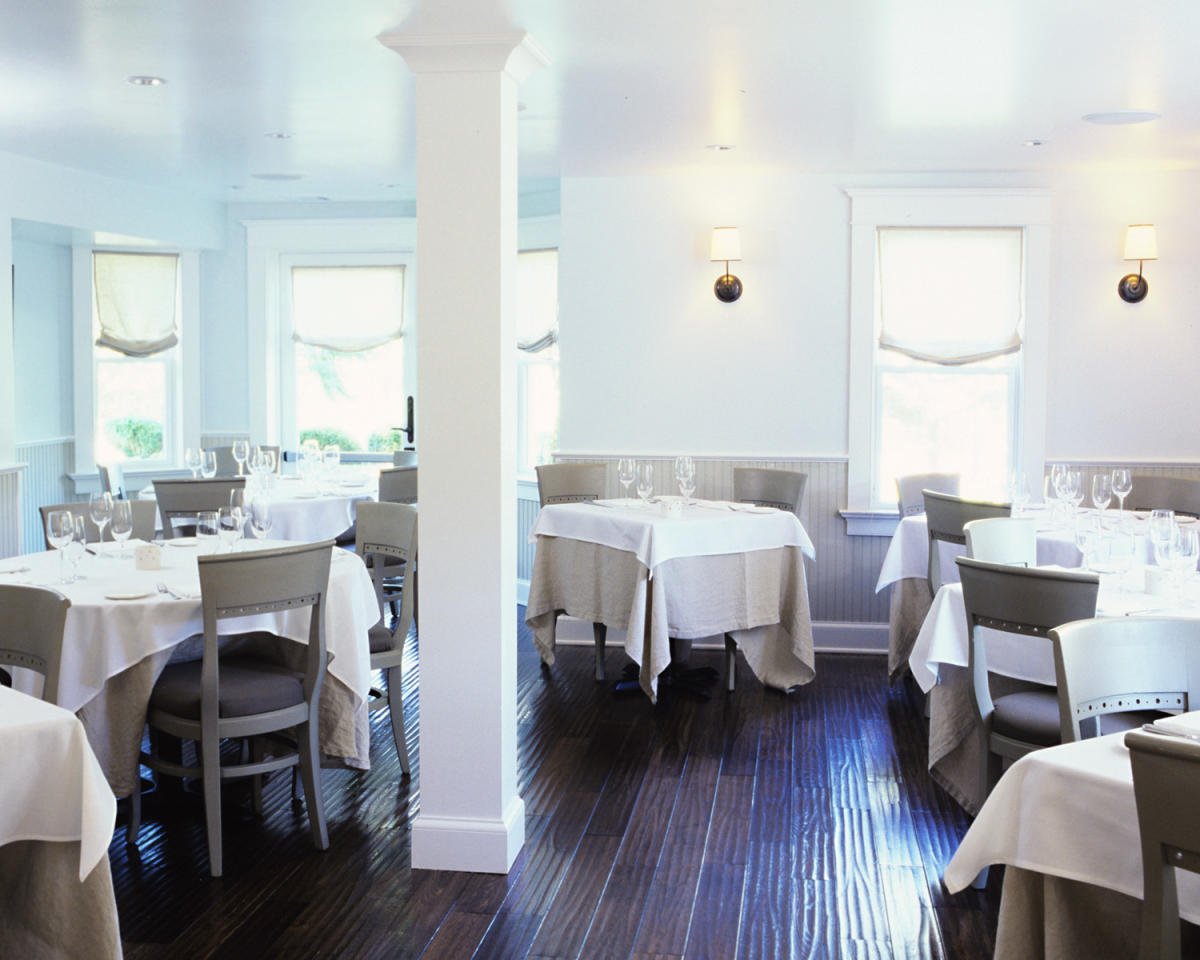
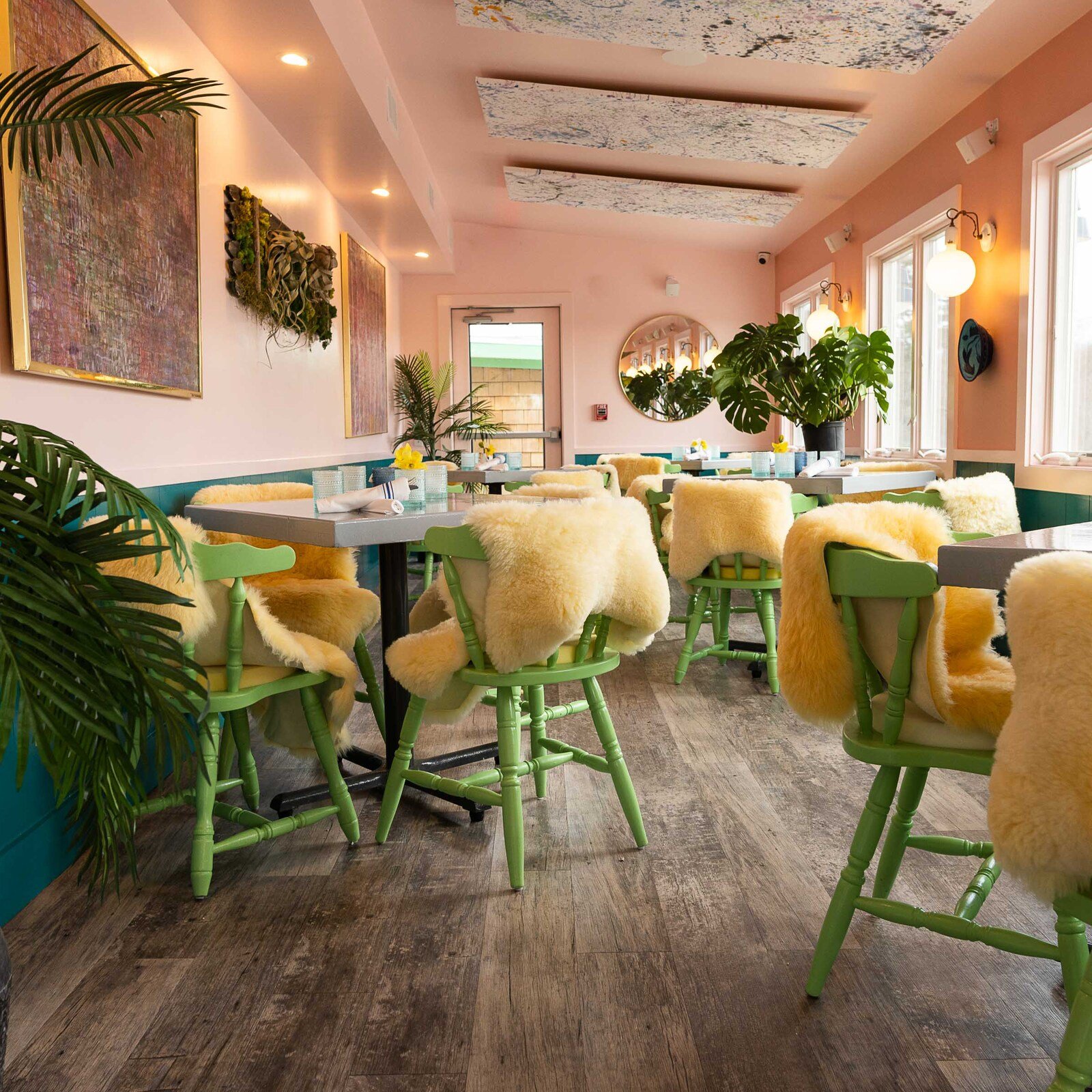
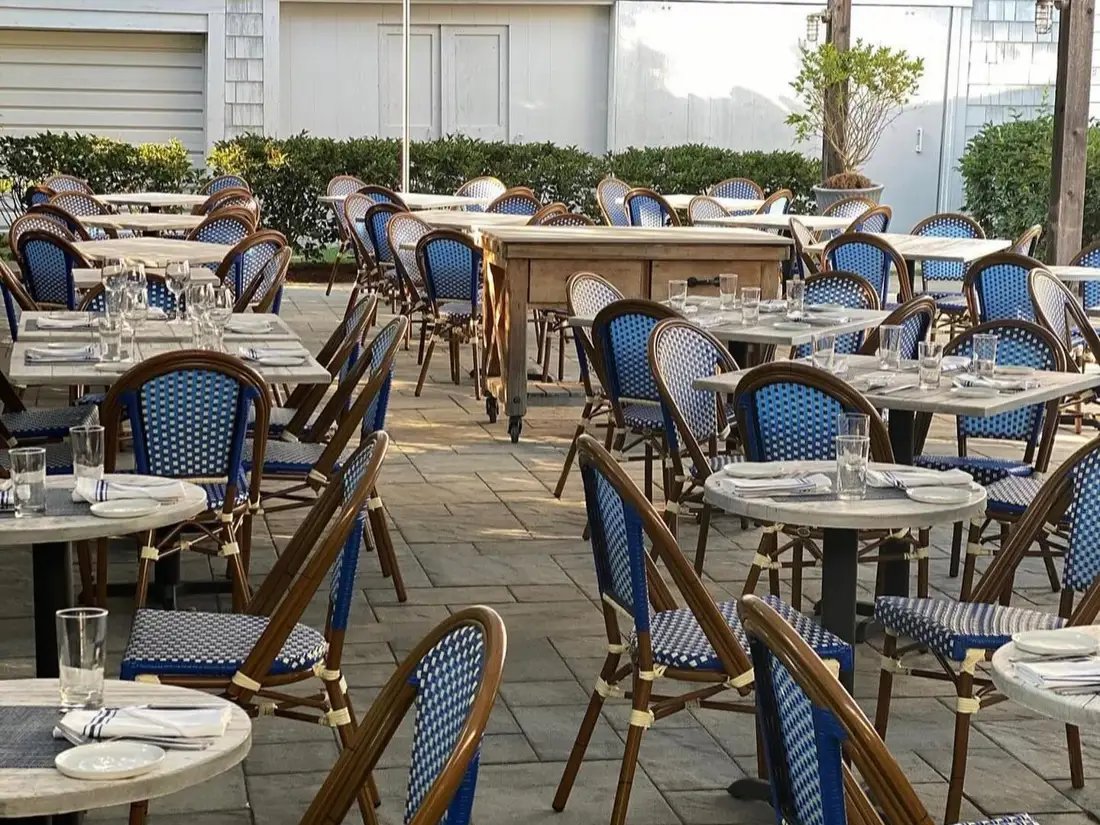
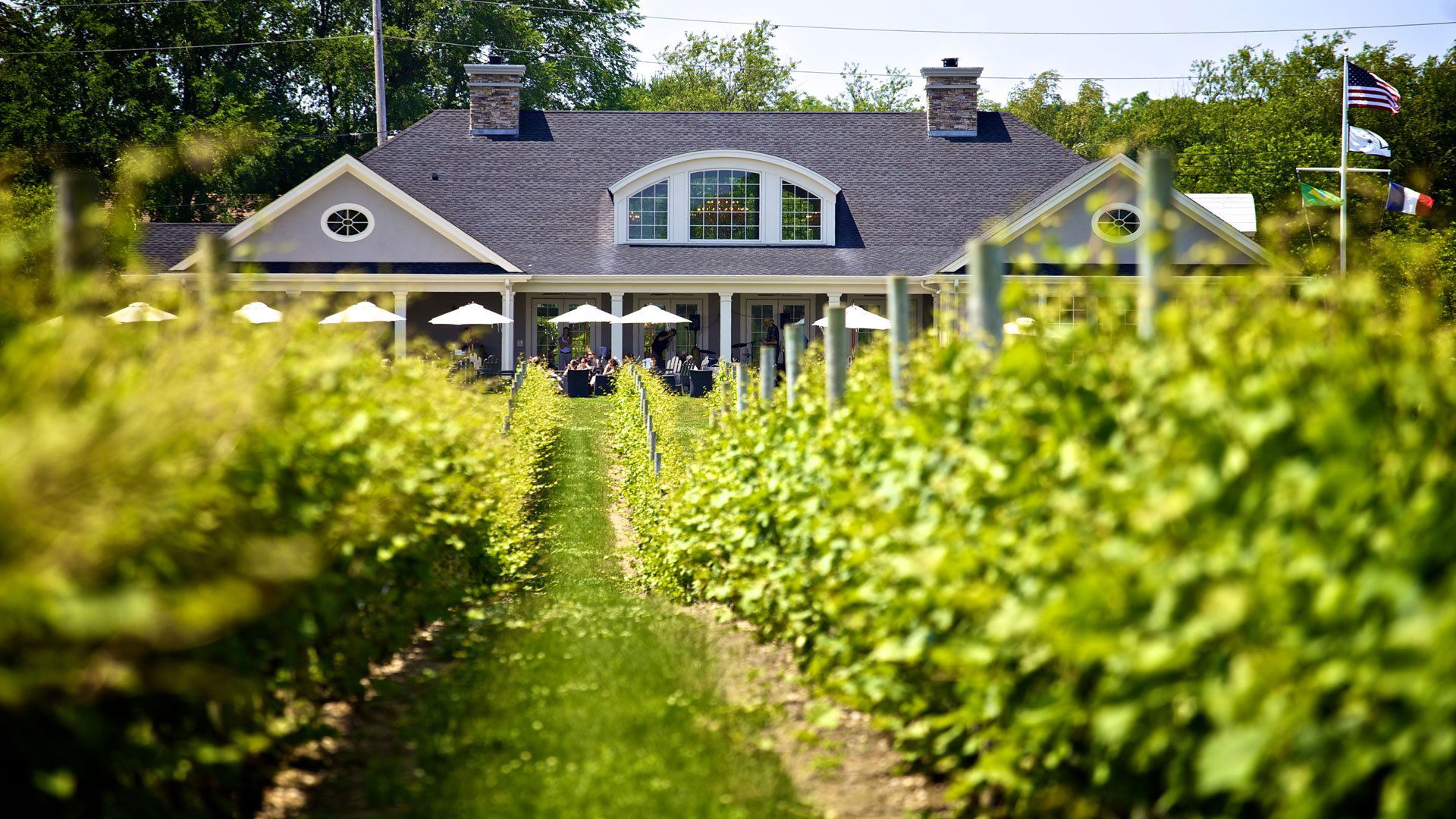
Elegant and comfortable indoor setting with natural light from large windows, Brazilian Carnaval art accents, terrace and lawn overlooking scenic vineyards; sophisticated yet festive atmosphere.
Tags
Vibe
Best For
Experience
Sourcing
View
At the Vineyard
- Appellation
- North Fork of Long Island AVA
- Varietals
- Pinot Noir, Chardonnay, Pinot Meunier
- Tour Duration
- 60-90 minutes
- Visits
- By reservation
- Farming
- Sustainable
- Production
- Small producer
- Wine Styles
- Sparkling
- Food Pairing
- Offered
- Shipping
- Available
- Wine Club
- Not available
Know before you go
Know Before You Go
- Getting there
- 39750 County Rd 48, Southold, NY 11971
Planning details
Location
Also consider
If you cannot get in
Try Bedell Cellars if the group wants a classic North Fork winery stop with broader appeal, or Macari Vineyards if the day should stay wine-focused but not sparkling-only.
For a different kind of stop in the same planning orbit, Twin Stills Moonshine is the better pivot than forcing another winery into the route.
Winery context
How it compares in Southold
Sparkling Pointe is the pick when the group specifically wants sparkling wine and a more occasion-driven tasting. Bedell Cellars, Rose Hill Vineyards (Shinn Estate), Macari Vineyards, and Paumanok Vineyards are better cross-shops for visitors who want a broader North Fork still-wine tasting rather than a bubbles-led visit.
For ease, Sparkling Pointe is the hardest recommendation because booking difficulty is Near Impossible. If the plan needs flexibility, Twin Stills Moonshine is the cleaner alternative for a change of pace, while Bedell Cellars or Macari Vineyards make more sense for groups with mixed wine preferences.
For ambiance, choose Sparkling Pointe when the visit is the centerpiece of the afternoon. Choose Rose Hill Vineyards (Shinn Estate) or Paumanok Vineyards when the priority is a calmer Southold winery route with less pressure around one specific format.
Explore Southold
Around this place
Discover more on Pearl
Unlock the full Sparkling Pointe guide in Pearl, including awards, comparisons, FAQs, planning details, and nearby places.
Compare Sparkling Pointe
| Venue | Location | Awards |
|---|---|---|
| Sparkling Pointe | Southold | No published awards |
| Bedell Cellars | Cutchogue | 2026 Falstaff Winery Guide |
| Rose Hill Vineyards (Shinn Estate) | Mattituck | No published awards |
| Macari Vineyards | Mattituck | 2026 Falstaff Winery Guide |
| Twin Stills Moonshine | Riverhead | No published awards |
| Paumanok Vineyards | Aquebogue | 2026 Falstaff Winery Guide |

How Sparkling Pointe Southold compares with similar nearby venues.
FAQ
Frequently Asked Questions
Does Sparkling Pointe serve food?
How long should I plan for a visit to Sparkling Pointe?
Visit length is not specified. Plan only after confirming the current format, availability, and timing directly with Sparkling Pointe.
Do I need a reservation at Sparkling Pointe?
Are membership details at Sparkling Pointe here?
What other venues can I compare with Sparkling Pointe?
Bedell Cellars, Rose Hill Vineyards (Shinn Estate), Macari Vineyards, and Paumanok Vineyards are useful regional names to compare when planning. Twin Stills Moonshine is another regional option to consider for a broader itinerary.