Pfneiszl Winery
Kőszegi road, Sopron, Sopron
Winery in Sopron, Hungary
 Book with Pearl
The Read
Kékfrankos Terroir Precision
Price
$30–50tasting
Why go
Pfneiszl Winery is worth pursuing if Sopron is already part of the trip and the goal is a more focused, appointment-led wine visit. It is less suitable for travelers who need easy walk-in logistics or clear public booking details, so line up confirmation early and keep regional alternatives ready.
About Pfneiszl Winery
Pfneiszl Winery is a Sopron winery with a clearly confirmed 2 Star Prestige recognition for 2025. To plan a visit, it's best to confirm logistics directly rather than assuming hours, formats, group capacity, pricing, or services.
The dress code is casual, so the practical decision is less about formality and more about whether Pfneiszl Winery fits the shape of your Sopron itinerary. Treat it as a premium wine-related stop, and confirm details in advance, especially if timing, group size, or a specific visit format matters.
Book it for a focused Sopron visit, not for assumptions
The main decision point is certainty. If you want a particular kind of winery visit, confirm the details before building the day around it. For comparison, Weninger Winery, Weingut Kerschbaum, Weingut Strehn, Weingut Gager, and Weingut Gesellmann are natural reference points, while Pfneiszl Winery remains the Sopron name to evaluate directly.
Do not make assumptions about walk-ins, availability, tasting structure, food, or shipping. Pair the winery with flexible Sopron plans: Our full Sopron restaurants guide can help round out the trip with other dining in Sopron.
Where it fits in a wine-focused trip
For travelers comparing Sopron with other wine-focused stops, Pfneiszl Winery is best treated as a Sopron-specific option with confirmed 2 Star Prestige status in 2025. Details regarding a particular menu, tasting format, ownership, production style, hours, prices, or capacity are not available.
The verdict: consider Pfneiszl Winery if Sopron is already part of the itinerary and you are willing to confirm the practical details directly. If your group needs guaranteed timing, a specific format, or detailed service information before committing, verify those points first or compare it with Weninger Winery, Weingut Gager, Weingut Gesellmann, Weingut Kerschbaum, or Weingut Strehn.
Planning details
- Location
- Sopron, Kőszegi út 81, 9400
- Website
- pfneiszl.hu
- Phone
- +36 30 560 0736
The take
The Take
The Vibe
Pfneiszl sits at the intersection of deep regional history and contemporary critical recognition. The estate reads as a thoughtful, historically grounded producer: the write-up emphasizes Sopron's pre-Ottoman viticultural roots and basalt-influenced soils, which informs a measured, terroir-driven approach. At the same time, a 2025 Pearl 2 Star Prestige award signals a winery operating at a higher, more refined level of production and critique. The result is a sober, sophisticated character — less flash and more craft — that will appeal to visitors who appreciate lineage, site specificity and wines presented with clear stylistic intent.
Best For
This is a destination for people who come to learn as much as to taste. Pfneiszl is well suited to wine-minded visitors seeking context about Sopron’s cooler-climate reds and site-driven Kékfrankos, and it works for small romantic escapes where calm, focused tasting matters. The producer’s critical recognition also makes it a fit for groups of enthusiasts comparing regional styles or anyone marking a special occasion with thoughtfully produced bottles. Expect visits to skew toward education, deliberate tasting and collectors or travelers prioritizing provenance over spectacle.
Tasting Tips
When you visit, concentrate on the red varietals that define the region — particularly Kékfrankos (Blaufränkisch) — and ask about the estate’s Prestige-level releases referenced in the 2025 Pearl 2 Star award. Enquire which bottlings best showcase the basalt-influenced parcels and look for wines that emphasize site expression rather than heavy oak or overt winemaking signatures. If staff reference specific vintages or vineyard plots tied to the award, prioritize those bottlings to get the clearest sense of what places Pfneiszl in the higher tier of Hungarian producers.
Venue details
Ambiance
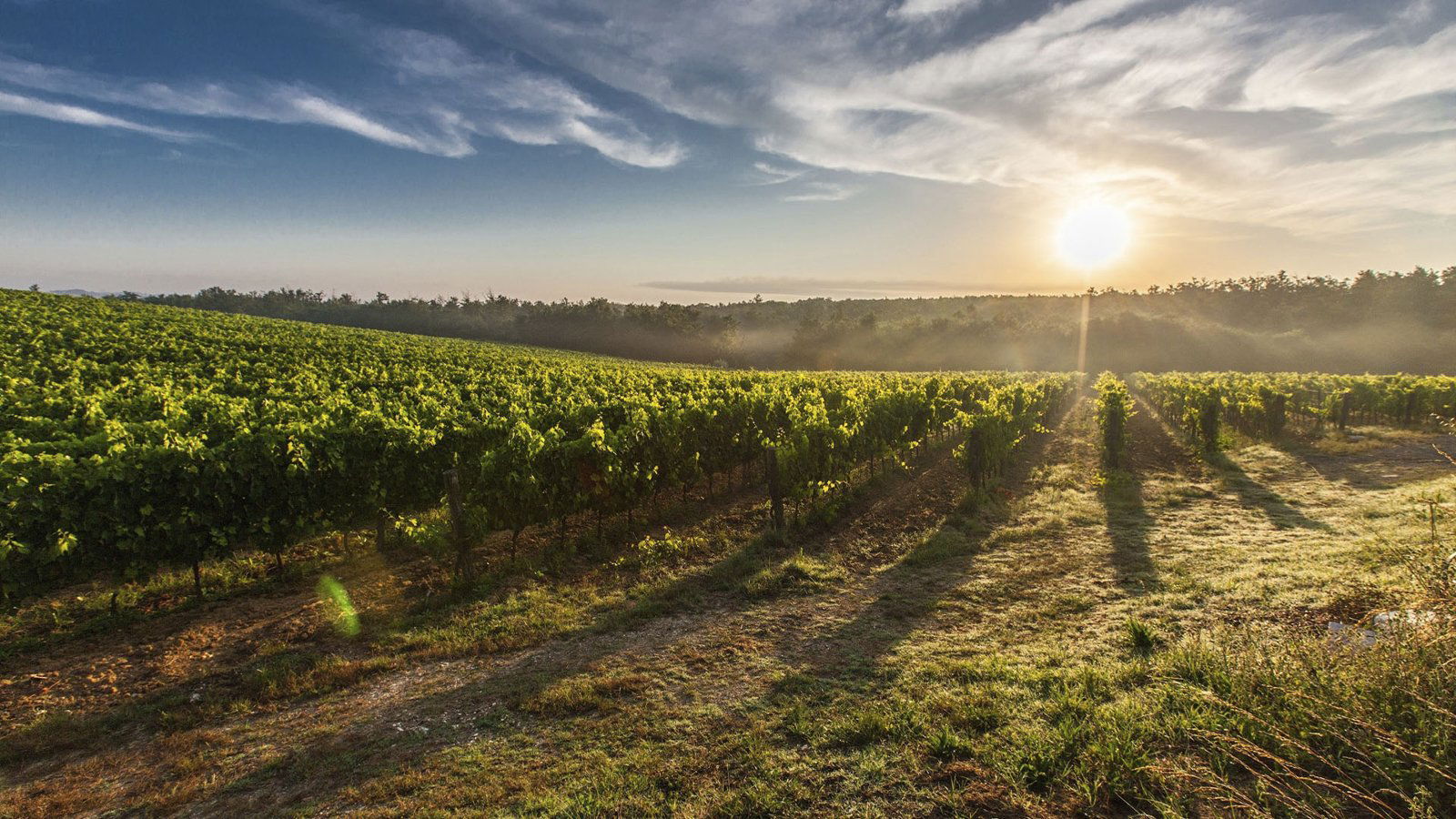
Rustic vineyard setting with views overlooking Lake Fertő, offering intimate tastings among the vines with a blend of Austrian and Hungarian cultural influences.
Tags
Vibe
Best For
Experience
Sourcing
View
At the Vineyard
- Appellation
- Sopron PDO
- Varietals
- Kékfrankos, Zweigelt, Merlot, Cabernet Sauvignon, Zefír
- Tour Duration
- 90-120 minutes
- Tour Languages
- English, German, Hungarian
- Visits
- By appointment only
- Farming
- Organic
- Wine Styles
- Still Red, Still White, Sparkling
- Shipping
- Available
- Wine Club
- Not available
Know before you go
Know Before You Go
- Getting there
- Sopron, Kőszegi út 81, 9400
Planning details
Location
Also consider
Also Consider
- Weninger Winery, Notable alternative
- Weingut Gager, Notable alternative
- Weingut Gesellmann, Notable alternative
- Weingut Strehn, Notable alternative
- Weingut Kerschbaum, Notable alternative
Winery context
Among the named Sopron-area options, Pfneiszl Winery is the pick for travelers who want the visit centered on Sopron itself rather than a broader cross-border wine route. Weninger Winery is the first comparison for a serious wine-led itinerary, especially if the group is prioritizing regional depth over convenience.
For backup planning, Weingut Gager, Weingut Gesellmann, and Weingut Strehn make more sense when the day is designed around multiple producers rather than one difficult booking. They are better cross-shops for groups that value flexibility and a fuller tasting route.
Weingut Kerschbaum is the practical alternative to keep in reserve if confirmation at Pfneiszl Winery is not possible. Choose Pfneiszl for a Sopron-focused special occasion; choose the peers when booking ease, route density, or a less constrained schedule matters more.
Explore Sopron
Around this place
Discover more on Pearl
Unlock the full Pfneiszl Winery guide in Pearl, including awards, comparisons, FAQs, planning details, and nearby places.
Compare Pfneiszl Winery
| Venue | Location | Awards |
|---|---|---|
| Pfneiszl Winery | Sopron | No published awards |
| Weninger Winery | Balf | 2026 Falstaff Winery Guide |
| Weingut Gager | Deutschkreutz | 2026 Falstaff Winery Guide |
| Weingut Gesellmann | Deutschkreutz | 2026 Falstaff Winery Guide |
| Weingut Strehn | Deutschkreutz | 2026 Falstaff Winery Guide |
| Weingut Kerschbaum | Horitschon | 2026 Falstaff Winery Guide |

How Pfneiszl Winery Sopron compares with similar nearby venues.
FAQ
Frequently Asked Questions
Does Pfneiszl Winery ship wine?
Confirm directly with Pfneiszl Winery before planning around shipping. It is safest to treat Pfneiszl Winery as a Sopron winery and check any buying or delivery arrangements with the venue itself.
What other wineries should travelers compare with Pfneiszl Winery?
Weninger Winery, Weingut Gager, Weingut Gesellmann, Weingut Strehn, and Weingut Kerschbaum are useful comparison names for travelers considering Pfneiszl Winery. Pfneiszl Winery is in Sopron and has confirmed 2 Star Prestige recognition for 2025.
When is the best time to visit Pfneiszl Winery?
Before planning around Pfneiszl Winery, confirm specific hours and visit timing directly with the venue in Sopron, especially if you need a particular day, time, or visit format.
Does Pfneiszl Winery offer a wine club?
Do not assume membership terms, availability, or benefits for a wine club without checking directly with Pfneiszl Winery. Pfneiszl Winery is in Sopron, has a casual dress code, and holds 2 Star Prestige recognition for 2025.