Winery in Sonoma, United States
Monte Rosso Estate
150ptsVolcanic Elevation Viticulture

About Monte Rosso Estate
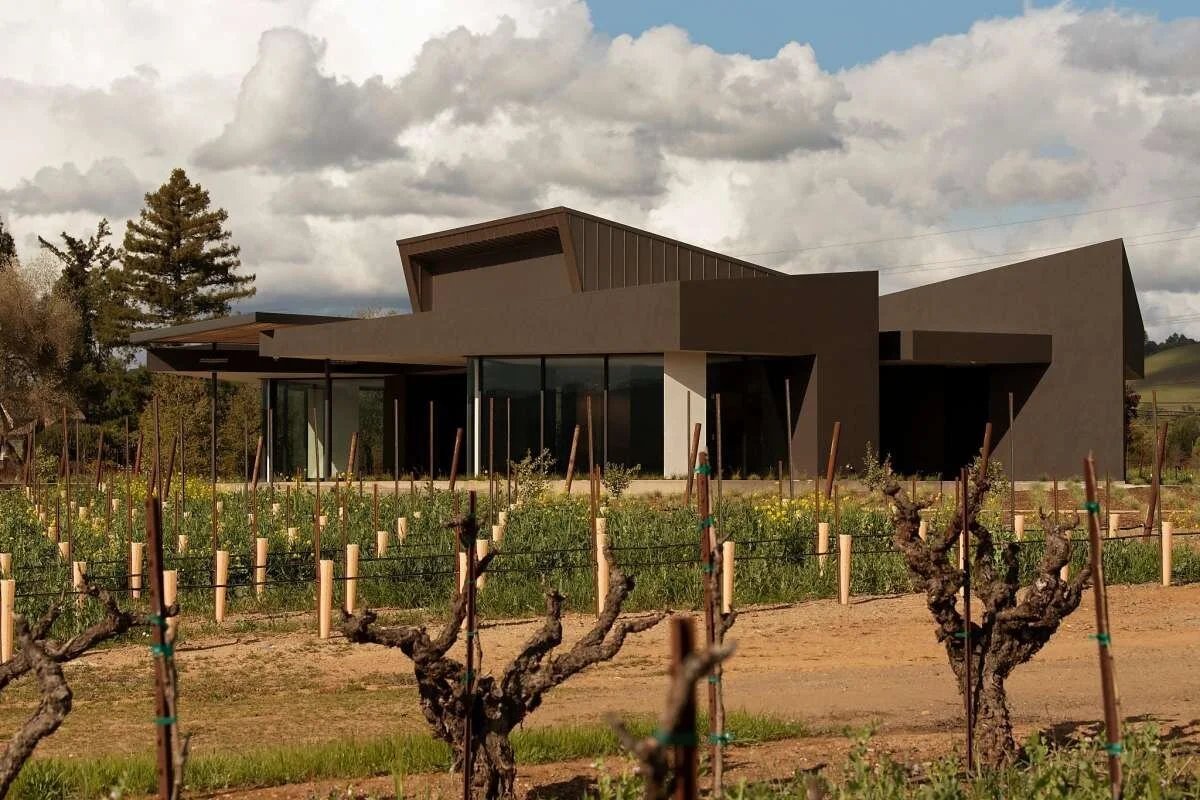
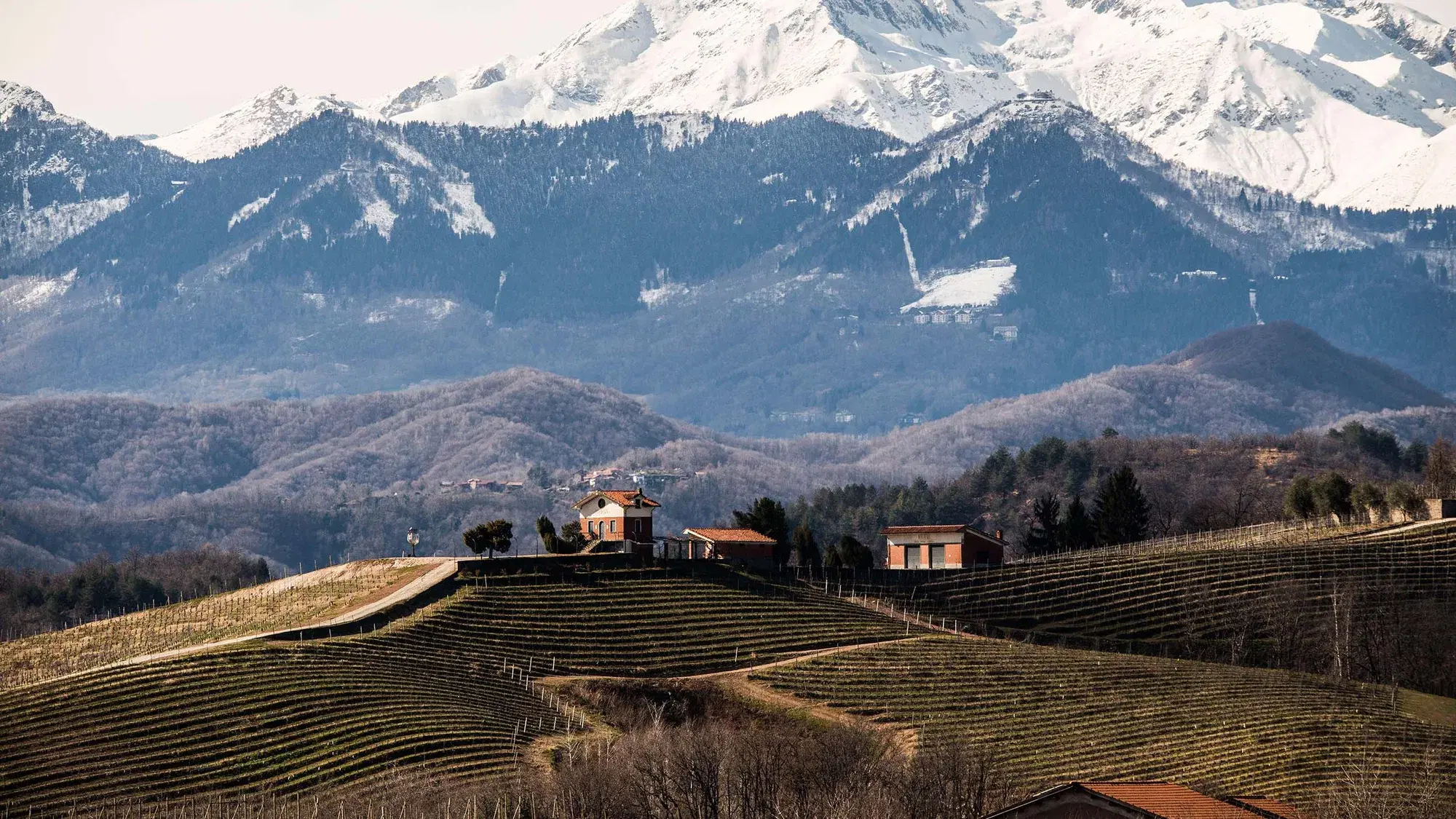
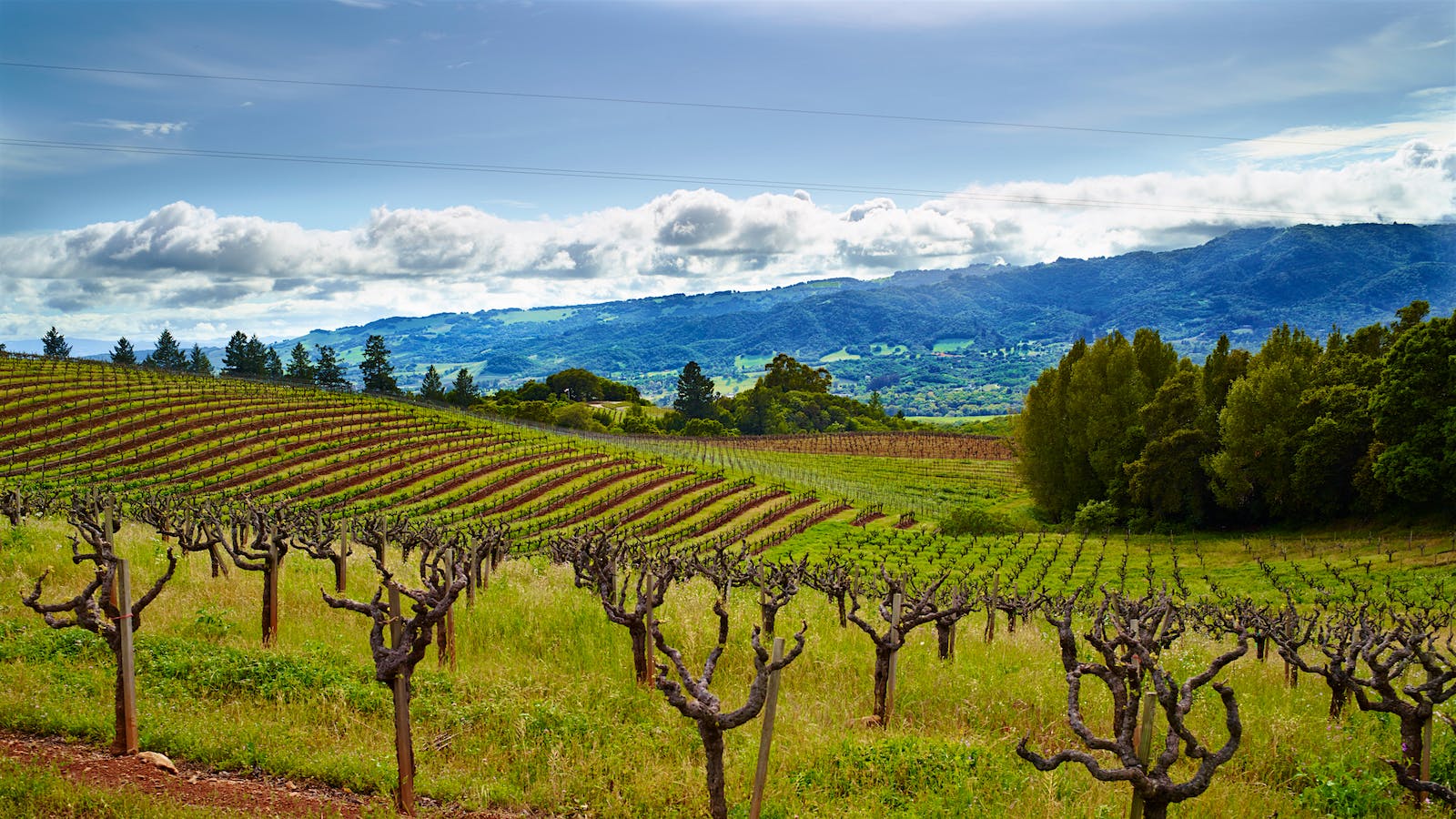
Monte Rosso Estate sits on a high-elevation volcanic ridge in the Moon Mountain District of Sonoma, where thin, iron-rich soils and sharp diurnal temperature swings push vines toward concentrated, structured wines. The estate's heritage plantings and demanding geology place it among California's most closely watched mountain-grown red wine addresses. Visitors come to understand what altitude does to fruit, and the wines answer that question directly.
Elevation as Argument: The Monte Rosso Vineyard in Context
Moon Mountain District sits above the Sonoma Valley floor at elevations between 1,200 and 1,800 feet, and the geology underfoot is unlike most of what California wine country puts forward. Volcanic, iron-stained soils — rust-red in color, low in fertility, porous enough to force vines deep — define the ridge. Monte Rosso Estate draws from this ground, and the wines it produces read differently from the valley-floor Cabernet Sauvignon and Zinfandel that dominate Sonoma's commercial output. The fruit is darker, the tannins more angular, the structure longer-lived. That's not a winemaking choice so much as a geological fact.
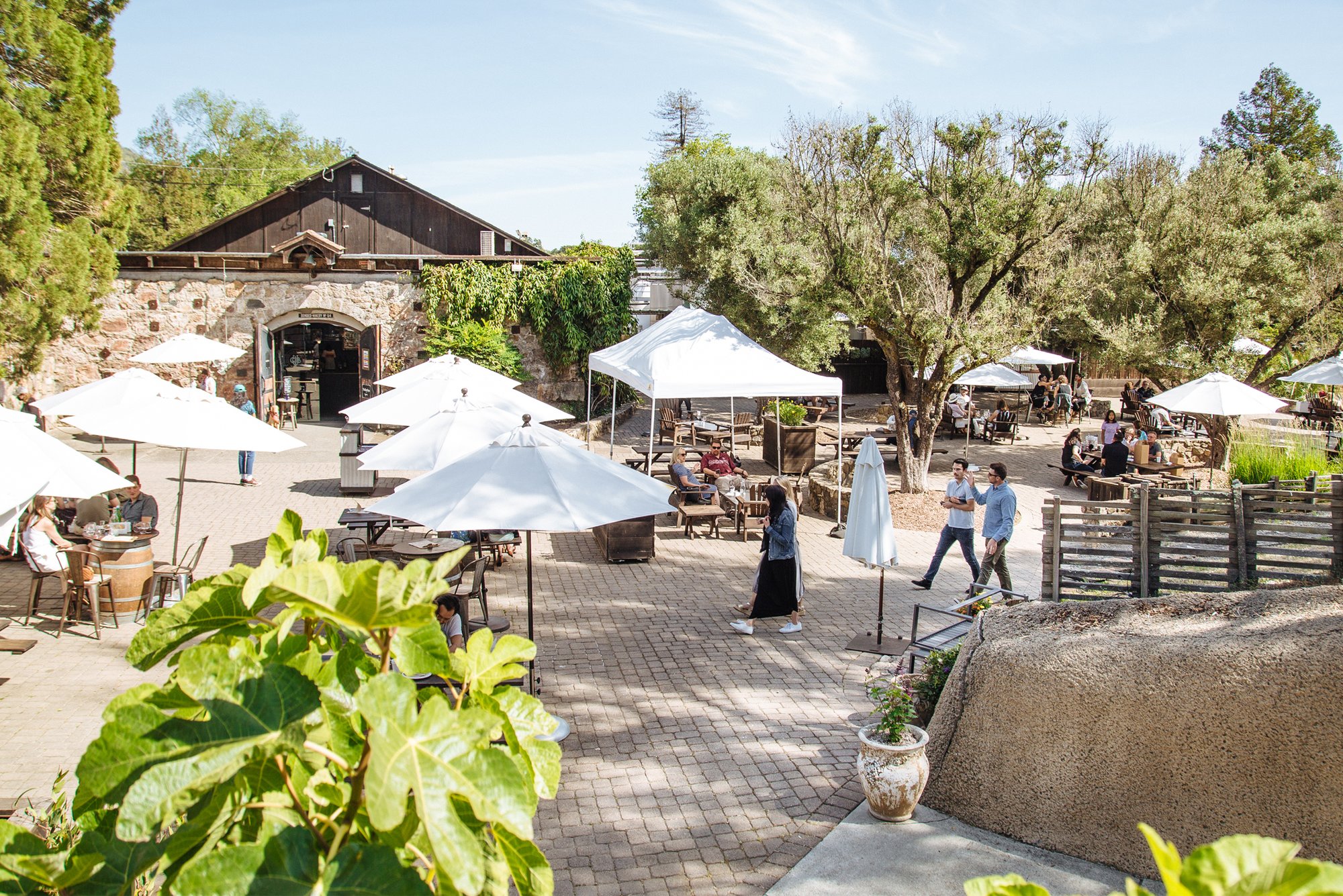
Sonoma's premium wine identity has splintered over the past decade into distinct sub-appellations, each making claims about what makes its ground specific. Moon Mountain received its AVA designation in 2013, giving producers there a formal framework for the argument they'd already been making informally. Monte Rosso is among the oldest-established names in that district, with vineyard history stretching back to the nineteenth century , a timeline that places it in rare company alongside Buena Vista Winery and Gundlach Bundschu Winery as one of Sonoma's genuinely historic vineyard addresses.
What Volcanic Soil Actually Does to the Wine
The terroir argument for mountain viticulture in California rests on two pillars: soil stress and temperature variation. Monte Rosso's volcanic substrate provides both in concentrated form. Soils here shed water quickly and offer vines little nutritional surplus, which limits canopy growth and focuses the plant's energy on the fruit. At night, temperatures on the ridge drop sharply relative to the valley below, preserving acidity in the grapes even as daytime heat builds phenolic ripeness. The result is wine that can carry higher alcohol without losing structure , a balance that valley-floor sites often struggle to maintain.
This thermal dynamic is worth understanding before visiting. It explains why wines sourced from Monte Rosso fruit, across multiple producers who have sought access to this vineyard over the years, tend to show a specific combination of density and freshness that marks them as mountain-grown rather than valley-grown. Producers including Bedrock Wine Co. have sourced from old-vine material in this district precisely because the geology delivers what low-elevation Sonoma cannot.
Heritage Vines and the Weight of Old-Vine Zinfandel
Old-vine Zinfandel from Moon Mountain occupies a small but serious position within California's grape heritage. Vines planted in the late 1800s and early 1900s survived Prohibition in greater numbers here than in most California regions, partly because mountain terrain made them less commercially visible to those replanting with table grape varieties during that period. Monte Rosso's oldest blocks include material from this era, and the wines produced from these vines behave differently from younger Zinfandel plantings: lower yields, smaller berries, more concentrated extraction per cluster, and a structural density that allows longer aging.
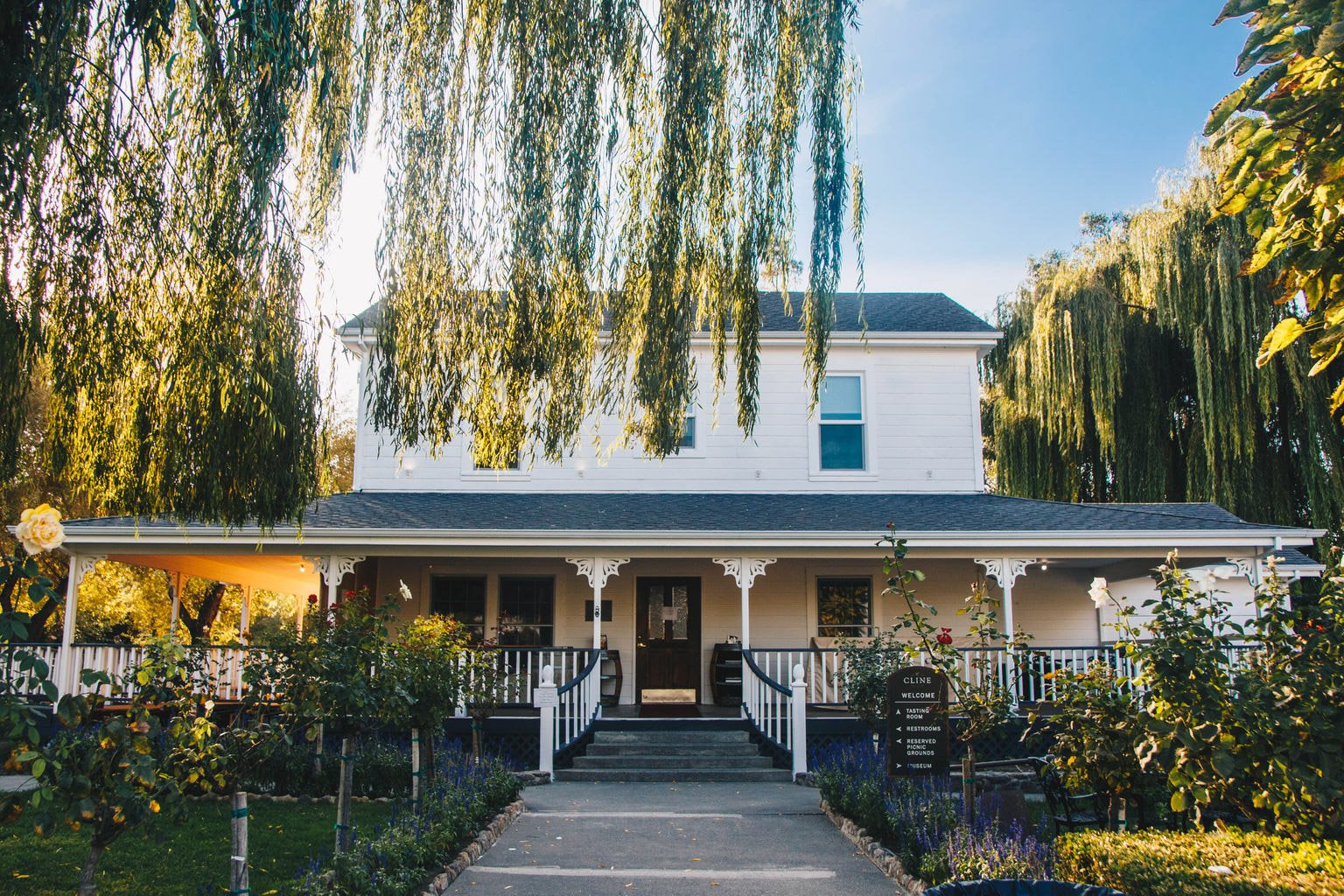
For context on how old-vine Sonoma Zinfandel fits into California's broader heritage wine picture, Cline Cellars offers a useful counterpoint from lower-elevation Sonoma, while Bedrock Wine Co. has built an entire program around precisely this category of field-blend and old-vine material from historic California sites. The comparison is instructive: different geology, different vine age profiles, different structural outcomes.
How Monte Rosso Sits Within Sonoma's Premium Tier
Sonoma's premium wine market has moved steadily toward single-vineyard designates and sub-appellation specificity over the past fifteen years. Monte Rosso occupies a position in that market defined by vineyard reputation rather than brand volume. Multiple producers across Napa and Sonoma have historically sought fruit from this site, which means the vineyard name appears on labels across a range of price points and production scales. That multi-producer recognition functions as a form of peer validation that few Sonoma vineyard sites can claim.
For visitors comparing Sonoma's estate tasting experiences, the differentiation between a large-volume hospitality operation and a vineyard-focused estate visit matters. Gloria Ferrer Caves & Vineyards offers a sparkling wine-focused experience with significant production infrastructure; Gundlach Bundschu Winery combines historic estate scale with accessible programming. Monte Rosso sits in a different category , one where the primary draw is the vineyard itself and what the site's geology communicates through the wines, rather than hospitality amenities or volume.
Planning a Visit: What to Know Before You Go
Moon Mountain estates generally require advance planning. The ridge road to high-elevation Sonoma sites is narrow, and tasting access at smaller producers typically runs on appointment-only schedules rather than walk-in availability. Visitors coming from central Sonoma town can use our full Sonoma restaurants guide to build out a broader itinerary that pairs a morning mountain vineyard visit with afternoon valley-floor dining. The drive up to Moon Mountain District takes approximately 20 to 30 minutes from the Sonoma Plaza depending on the specific property, and the views across the valley from elevation make it worth building time into the schedule.
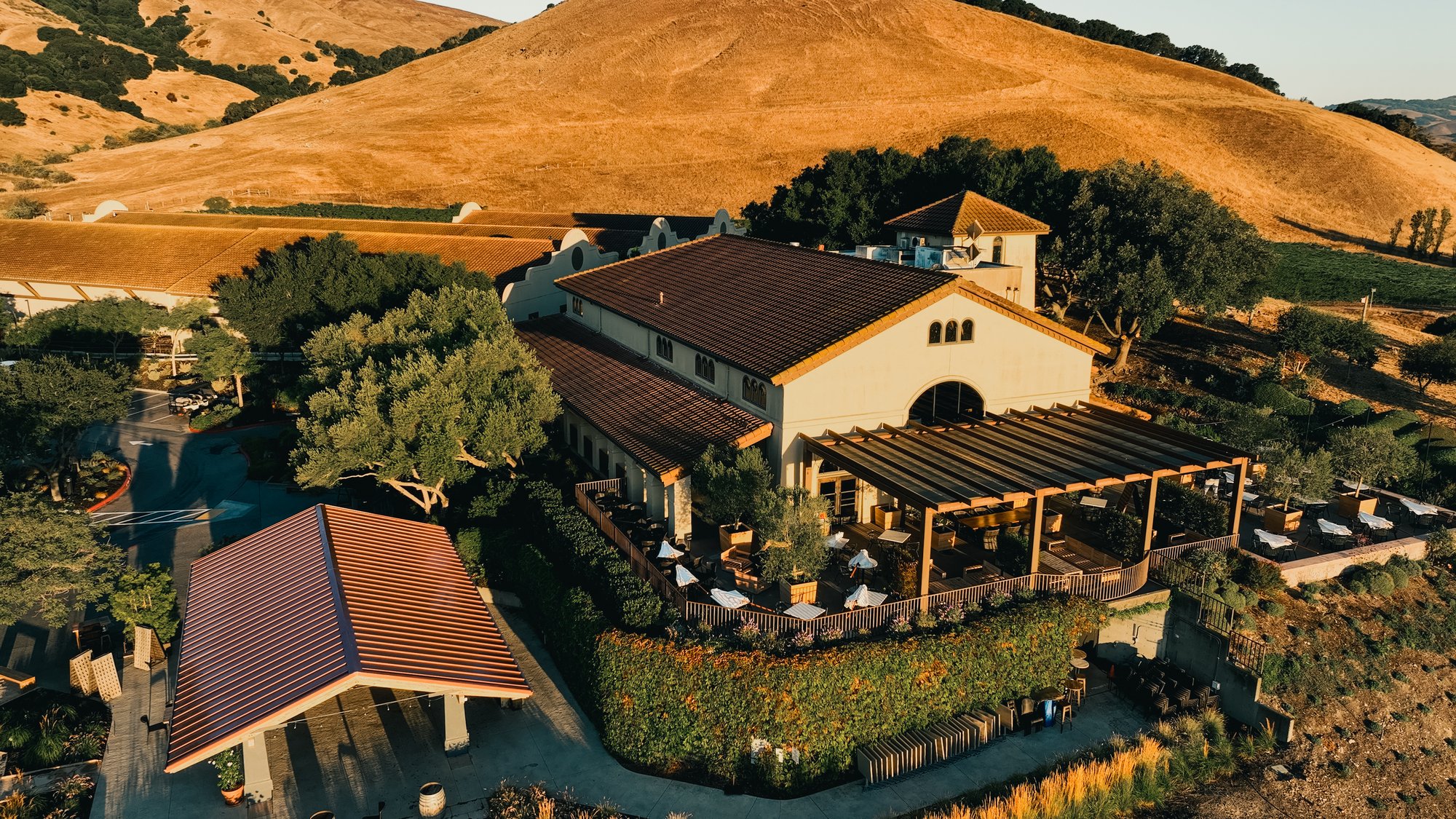
For those extending a broader California wine trip, the Monte Rosso district compares usefully against other high-elevation California programs. Accendo Cellars in St. Helena and Alpha Omega Winery in Rutherford represent Napa's mountain-adjacent tier, while Adelaida Vineyards in Paso Robles and Alban Vineyards in Arroyo Grande show how California's central coast handles elevation-driven structure in Rhône varieties. The contrast between these regional interpretations is instructive for anyone building a coherent understanding of what California's geology can do when winemakers let it.
Frequently Asked Questions
- What do visitors recommend trying at Monte Rosso Estate?
- The wines most closely associated with Monte Rosso's reputation come from its old-vine Zinfandel and Cabernet Sauvignon blocks, both rooted in the volcanic, iron-rich soils of Moon Mountain District. The vineyard's long history , reaching back to the nineteenth century , means these varieties have adapted to the specific site over multiple generations of vines. Cross-producer tastings, where multiple labels sourcing Monte Rosso fruit are compared side by side, offer the clearest window into what the terroir itself contributes independent of any single winemaking approach.
- What's the standout thing about Monte Rosso Estate?
- The vineyard's position in Sonoma's premium tier rests on a combination of geological specificity and historical depth that most California sites cannot match. Volcanic soils at elevation above 1,200 feet, combined with nineteenth-century vine stock in the oldest blocks, produce a profile , structured, concentrated, long-lived , that has drawn multiple serious producers to seek fruit here. That cross-producer demand is itself a signal worth noting. Moon Mountain received formal AVA recognition in 2013, but Monte Rosso's reputation predates the appellation by decades.
- Is Monte Rosso Estate reservation-only?
- High-elevation Sonoma estates in Moon Mountain District generally operate on appointment-only or limited-access models rather than open walk-in tastings. Confirming directly with the estate before visiting is advisable, as access policies at smaller mountain producers can change seasonally. For broader planning in the region, our full Sonoma guide covers the range of tasting formats available across the valley.
- When does Monte Rosso Estate make the most sense to choose?
- Late spring through early autumn aligns with optimal vineyard access and the most active tasting calendar for Sonoma's mountain estates. Visiting during harvest season (typically September through October in Moon Mountain District) provides the additional context of seeing the vineyard in its working state , though access during that period may be more limited as production activity takes priority. For those primarily focused on the wine rather than viticulture tourism, the shoulder seasons of late spring and early autumn offer the clearest scheduling flexibility.
- What's the one thing you'd tell a first-timer at Monte Rosso Estate?
- Arrive with some understanding of Moon Mountain District's geology before you taste. The specific character of these wines , the angular tannins, the dark fruit concentration, the structural density , makes more sense when you understand the volcanic soil and the elevation-driven temperature swings that produce it. First-timers who treat the visit as purely a tasting exercise often miss the larger point, which is that this vineyard is an argument about what California mountain terroir can do. The wines are the evidence; the land is the thesis.
- How does Monte Rosso Estate's vineyard history compare to other historic California sites?
- Monte Rosso's viticultural roots in the late nineteenth century place it among a small number of California sites with documented planting histories that predate Prohibition. That pre-Prohibition origin matters practically: vines from this era, where they survived, are ungrafted or on original rootstock in some blocks, which affects structure and yield in ways younger plantings cannot replicate. For comparison, Buena Vista Winery in Sonoma holds a similar claim to nineteenth-century origins, while producers like Alexander Valley Vineyards in Geyserville and Andrew Murray Vineyards in Los Olivos represent California's broader tradition of family-held estate viticulture, each with distinct regional and geological signatures.
Related editorial
- Best Fine Dining Restaurants in ParisFrom three-Michelin-star icons to the next generation of Parisian chefs pushing boundaries, these are the restaurants that define fine dining in the world's culinary capital.
- Best Luxury Hotels in RomeFrom rooftop terraces overlooking ancient ruins to Michelin-starred hotel dining, these are the luxury hotels that make Rome unforgettable.
- Best Cocktail Bars in KyotoFrom sleek lounges to hidden speakeasies, Kyoto's cocktail scene blends Japanese precision with global influence in ways you won't find anywhere else.
Save or rate Monte Rosso Estate on Pearl
Keep this venue in your Pearl passport, rate it after you visit, and track it alongside every other place you collect.